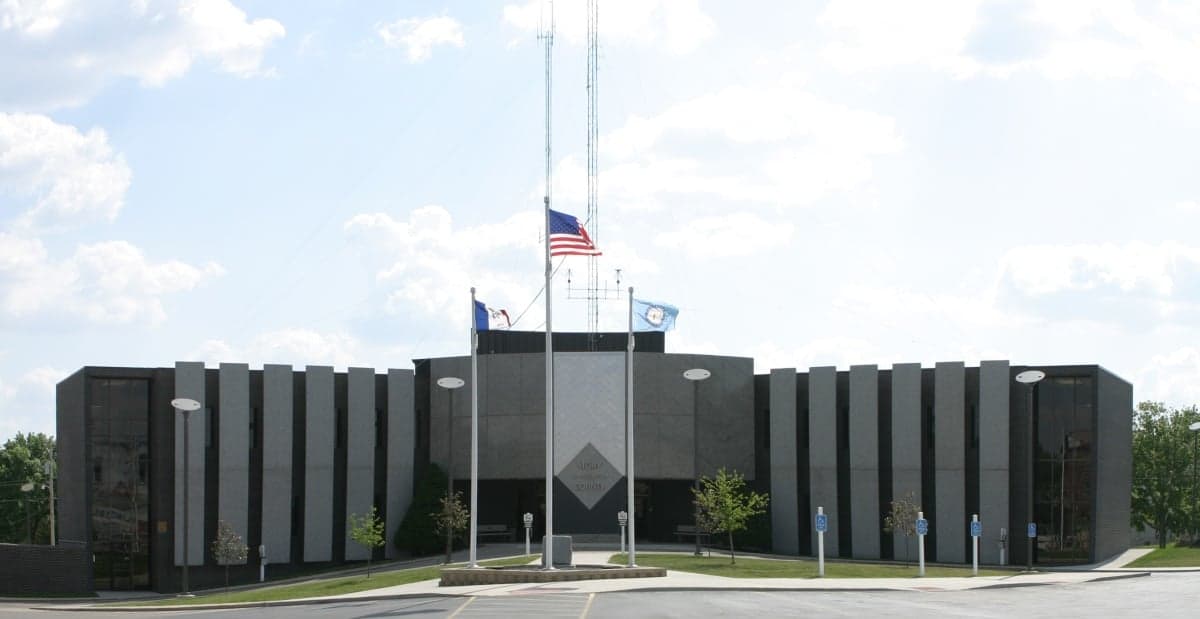
Photo: Wikipedia
Strategic Assessment of Story County
Workable tactical position. Some exposure to population density or targets, but generally defensible in a crisis.
What does the Strategic Assessment tell us?
Our Strategic Assessment grades tactical survivability of an area. Major population centers, military targets, fallout zones, natural disasters, and border exposure all drive risk — lower exposure means a more defensible position in a crisis.
This is heavily inspired by Joel Skousen's Strategic Relocation book. Highly recommended you checkout the book ($)What does this tell us?
Our Strategic Assessment grades tactical survivability of an area. Major population centers, military targets, fallout zones, natural disasters, and border exposure all drive risk — lower exposure means a more defensible position in a crisis.
This is heavily inspired by Joel Skousen's Strategic Relocation book. Highly recommended you checkout the book ($)Strategic Pillars

Key Distances
Strategic Assessment Analysis
Story County, Iowa, offers a strategic relocation option for those prioritizing resilience and long-term stability, particularly for conservative-minded individuals and families who value self-reliance and community cohesion. Located in the heart of the state, the county’s economic and demographic anchors—Ames, Nevada, and Story City—provide a blend of rural buffer and institutional infrastructure that can weather national disruptions. The presence of Iowa State University (ISU) in Ames adds a layer of technical expertise and potential resource access, but the county’s overall character remains rooted in agriculture and small-town governance, making it a defensible base for those seeking to avoid the volatility of coastal or major metropolitan areas.
Geographic position and natural advantages for long-term security
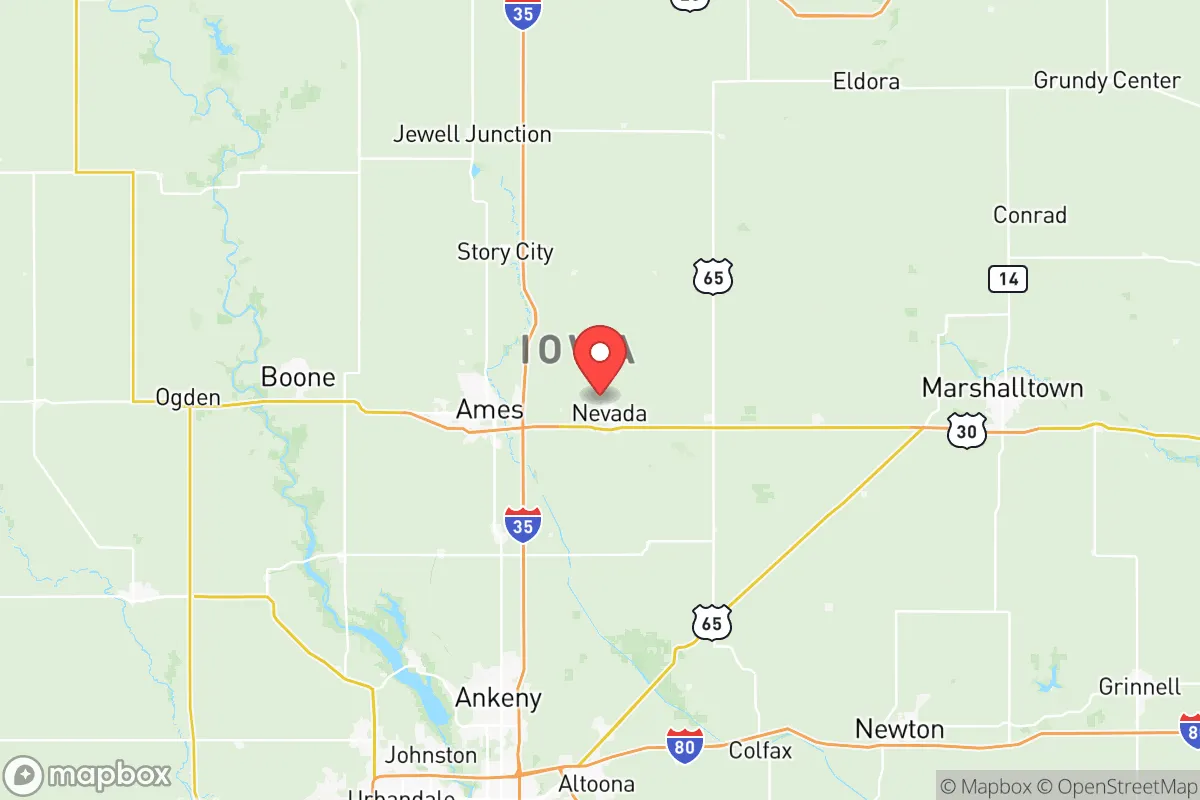
Story County sits in central Iowa, roughly 30 miles north of Des Moines, which is the state’s capital and largest city. This positioning offers a critical buffer: you’re close enough to access Des Moines’ medical and logistical resources (e.g., the Iowa Methodist Medical Center and the Des Moines International Airport) but far enough to avoid the immediate fallout of urban unrest, supply chain disruptions, or mass casualty events that could plague a major city. The county is bisected by the Skunk River and its tributaries, providing a reliable freshwater source, and the surrounding landscape is predominantly flat, fertile farmland—ideal for small-scale agriculture or livestock if commercial supply chains falter. The area’s natural advantages include a temperate climate with distinct seasons, which reduces the risk of extreme weather events like hurricanes or wildfires that threaten coastal or western states. Winters are cold, but this also acts as a natural deterrent to transient populations and limits the spread of certain diseases. For a prepper mindset, the lack of major fault lines, floodplains (outside of river-adjacent zones), or hurricane corridors means fewer catastrophic natural disasters to plan for, allowing you to focus on human-caused threats.
Risks, exposures, and proximity to fallout-relevant landmarks
While Story County is not a high-risk zone, it is not immune to threats. The most significant exposure is the county’s proximity to the Ames Laboratory, a U.S. Department of Energy national laboratory located on the ISU campus. This facility conducts research on materials science and energy, including nuclear-related work, which could make it a target for sabotage or a source of localized contamination in a worst-case scenario. Additionally, the county lies within 100 miles of the Neal Smith National Wildlife Refuge and the Prairie City area, but more critically, it is about 150 miles from the Omaha metropolitan area and its Strategic Air Command (SAC) museum and Offutt Air Force Base—a major military command center that could be a primary target in a conflict. The Des Moines International Airport, while not a military base, is a civilian hub that could see secondary effects from national disruptions. On the positive side, Story County has no major refineries, chemical plants, or ports, which are common fallout magnets in states like Texas or Louisiana. The nearest large-scale industrial complex is the Cargill facility in Eddyville (about 90 miles southeast), but that’s far enough to avoid direct fallout. For a conservative relocator, the primary risk here is not a direct strike but the potential for secondary migration from Des Moines or Omaha if those cities experience unrest or collapse. The county’s rural character, however, makes it easier to establish perimeter awareness and control access points, especially if you choose a property outside of Ames proper.
Practical resilience for a relocator: food, water, energy, and defensibility
Story County’s practical resilience is strong, particularly for those willing to invest in off-grid infrastructure. The agricultural base means local food production is abundant: you can source grains, livestock, and produce directly from farms in the towns of Gilbert, Huxley, and Zearing. The county is part of the larger Iowa corn and soybean belt, so bulk grain storage and animal feed are readily available. Water access is reliable via the Skunk River and numerous private wells, but you should test for agricultural runoff (nitrates) if drilling a new well. The local energy grid is stable, but natural gas and electricity come from regional providers like Alliant Energy, which could be disrupted during a national event. Solar panels are a viable backup here, as the county averages about 200 sunny days per year—not as high as the Southwest, but sufficient for a modest off-grid system. Wood heating is also practical, given the abundance of timber along river corridors. Defensibility is a mixed bag: the flat terrain offers long sightlines, which is good for security, but it also means limited natural cover. A property with a perimeter of trees or a location near the river’s bluffs (e.g., near the Ledges State Park area, just west of the county line) can provide some concealment. The county’s population density is low outside of Ames (which has about 66,000 residents), so you can find acreage with minimal neighbors. The local law enforcement presence, including the Story County Sheriff’s Office and Ames Police Department, is professional and community-oriented, which is a plus for maintaining order during localized disruptions. However, for a prepper, the real strength is the social fabric: many residents are farmers or ISU-affiliated professionals who value self-sufficiency and mutual aid, making it easier to form a trusted network.
The overall strategic picture for Story County is one of balanced opportunity. It avoids the high-risk profiles of coastal cities, major military hubs, or industrial corridors, while still offering access to essential resources like food, water, and technical knowledge through ISU. The county’s conservative lean—Iowa as a whole is a swing state, but Story County’s rural precincts vote reliably Republican—aligns with a mindset that prioritizes local control, firearm rights, and community preparedness. The main trade-offs are the cold winters (which require robust heating and food storage) and the proximity to Ames Laboratory, which is a minor but real risk. For a single individual or family looking to relocate with a survivalist perspective, Story County provides a solid foundation: you can establish a defensible homestead, tap into local agricultural networks, and remain within a day’s drive of larger medical and logistical resources without being dependent on them. It’s not a bunker location, but it’s a smart, livable base for those who want to be prepared without living in isolation. If you’re serious about resilience, this is a county worth scouting in person—drive through Nevada, check out the rural roads near Colo, and talk to a few farmers. The land is affordable, the people are straightforward, and the risks are manageable. That’s a rare combination in today’s world.

* Values derived from national, state, county, city and local statistics and may differ in a specific area. Last updated: 2026-05-20T11:39:32.000Z
Narrative content on this page is AI-generated and may contain mistakes. Verify any details that matter before acting on them.
ReloMaps may earn a commission from affiliate links at no extra cost to you.

