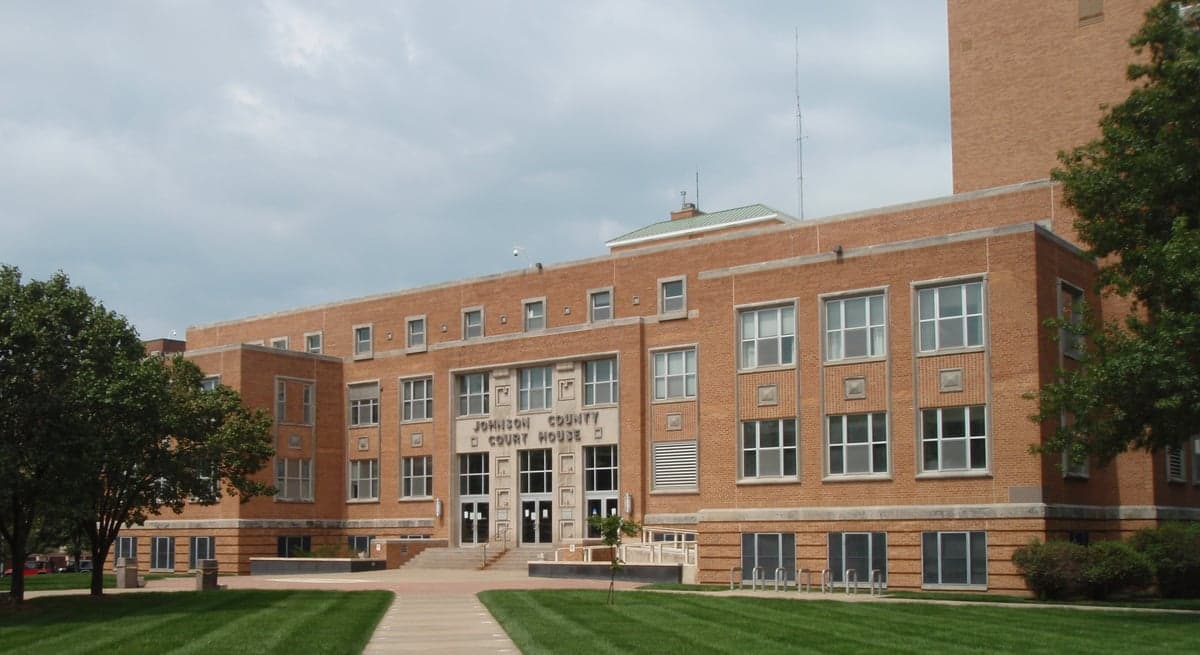
Photo: Wikipedia
Quality of Life in Johnson County
A livable area that tracks near national norms for affordability, walkability, and neighborhood health.
What does Quality of Life tell us?
Quality of Life measures an area by evaluating factors like cost of living, nearby amenities, country club access, airport proximity, socioeconomic signals and neighborhood character. For large states, this is a general average — quality of life can vary dramatically between metro areas, suburbs, and rural communities within the same state.
What does this tell us?
Quality of Life measures an area by evaluating factors like cost of living, nearby amenities, country club access, airport proximity, socioeconomic signals and neighborhood character. For large states, this is a general average — quality of life can vary dramatically between metro areas, suburbs, and rural communities within the same state.
Cost of Living
23% above national average
103%
The Real Cost of Living in Johnson County for 2026
| Tier | Individual | Family (4) |
|---|---|---|
| Survival | $22k | $42k |
| Comfortable | $71k | $105k |
| Luxury | $191k+ | $296k+ |
| Elite (Top 5%) | $225k+ | $348k+ |
Quality-of-Life Analysis
Johnson County, Kansas, offers a broad quality-of-life spectrum that ranges from dense, amenity-rich suburbs of Kansas City to quiet, unincorporated rural pockets, drawing everyone from corporate professionals and young families to long-time agricultural residents. The county’s overall cost of living index sits at 123 (100 = U.S. average), with a median home value of $366,000 and median rent of $1,385, but these figures mask significant variation between its largest towns and its smaller communities. The average commute of roughly 21 minutes is notably short for a metro-area county, reflecting well-planned road networks and a high concentration of local employment.
Largest town(s) & population centers
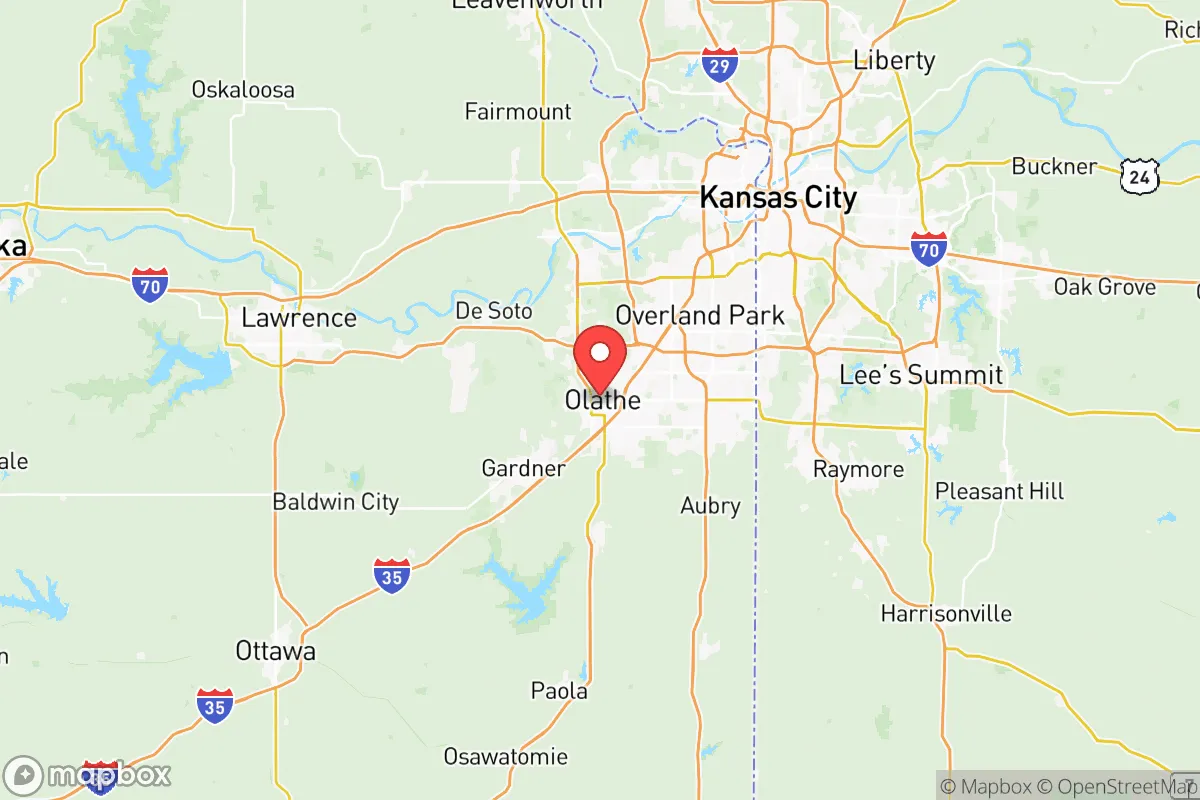
The county’s primary population centers are Overland Park (pop. ~197,000), Olathe (pop. ~145,000), and Lenexa (pop. ~58,000). Daily life in these cities is defined by master-planned subdivisions, extensive park systems, and high-performing public schools such as Blue Valley and Olathe school districts. Overland Park functions as the commercial and cultural hub, anchored by the Oak Park Mall, the Overland Park Convention Center, and the 300-acre Arboretum & Botanical Gardens. Olathe, the county seat, blends suburban growth with a historic downtown square and major employers like Garmin and Honeywell. Lenexa offers a slightly more affordable entry point within the same corridor, with a strong emphasis on city parks and the annual Lenexa Spinach Festival. These towns are walkable in specific pockets—like downtown Overland Park’s old town area—but are overwhelmingly car-dependent, with residents relying on the 21-minute average commute to reach jobs in the Kansas City metro or local corporate campuses.
Smaller towns & rural pockets
Moving south and west, the county transitions into smaller communities and unincorporated areas. Gardner (pop. ~22,000) and Spring Hill (pop. ~8,000) are fast-growing exurbs that still retain a small-town main street feel, with Gardner anchored by the Gardner Golf Course and Spring Hill known for its historic downtown and annual Spring Hill Festival. Further south, Edgerton (pop. ~1,800) and Hillsdale (unincorporated) are rural crossroads where agriculture and logistics meet—Edgerton is home to the BNSF Intermodal Facility, a major freight hub. Stanley (unincorporated, pop. ~6,000) sits between Overland Park and Stilwell, offering larger lots and a quieter atmosphere while still being minutes from I-435. These areas lack the retail density of the north but provide lower property taxes (often half the mill rate of Overland Park) and direct access to farmland, horse properties, and Hillsdale Lake for recreation.
Cost & lifestyle range
The cost spread across Johnson County is substantial. At the high end, Mission Hills and Prairie Village in the northeast feature median home values exceeding $600,000, with Mission Hills’ estate homes on large lots commanding $1 million-plus. These areas offer walkable village centers, country clubs, and top-tier Shawnee Mission schools. At the middle, Shawnee (pop. ~67,000) and De Soto (pop. ~6,500) provide median home values around $350,000–$400,000, with Shawnee offering a mix of older ranch homes and new subdivisions, plus the Shawnee Town 1920s museum. At the lower end, Gardner and Edgerton see median home values closer to $300,000, and rental rates can dip below the county median of $1,385 for two-bedroom units. Rural properties in unincorporated areas like Hillsdale or Stilwell often have lower purchase prices per square foot but higher maintenance costs due to well/septic systems and longer commutes to grocery stores. The lifestyle range is equally wide: northern Johnson County residents enjoy walkable coffee shops, farmers markets, and cultural venues like the Johnson County Arts & Heritage Center, while southern residents prioritize land, privacy, and proximity to outdoor recreation at Kill Creek Park or the Prairie Center.
This county works best for those who value strong public schools, short commutes, and a predictable suburban-to-rural gradient. Professionals and families drawn to the north find dense amenities and high property values, while those seeking acreage or lower taxes gravitate to the south and west. The 21-minute average commute holds true across most of the county, making it feasible to live in Edgerton and work in Overland Park without a grueling drive. Retirees often choose Prairie Village or Lenexa for their walkable services, while young families increasingly look to Gardner and Spring Hill for newer construction at lower entry prices. Johnson County’s strength is that it offers a genuine choice—not just between suburb and country, but between distinct communities with their own character and cost structures.

Crime in Johnson County
Crime rates similar to the national median for U.S. locations.
Violent CrimeViolent Crime Analysis
Property CrimeProperty Crime Analysis
Crime Analysis
Johnson County, Kansas, is one of the safest large counties in the Kansas City metropolitan area, with violent and property crime rates that fall well below national averages. The county’s overall safety profile is strong, but residents should be aware that crime is not evenly distributed, with certain cities and neighborhoods experiencing higher incident rates than others. The data shows a clear contrast between the county’s affluent, suburban core and its more urbanized edges near Kansas City, Missouri.
Crime in context
Johnson County’s violent crime rate stands at 389.4 incidents per 100,000 residents, which is roughly 10% below the national average of about 430 per 100,000. Property crime is reported at 1,587.4 per 100,000, a figure that is approximately 15% lower than the U.S. median. These rates are significantly better than those of neighboring Wyandotte County (Kansas City, KS), where violent crime exceeds 1,000 per 100,000, and also compare favorably to Jackson County, Missouri (Kansas City, MO), which has a violent crime rate near 1,200 per 100,000. However, Johnson County’s property crime rate is slightly higher than the Kansas state average, driven largely by thefts and vehicle break-ins in commercial corridors like those along I-35 and 135th Street in Overland Park and Olathe.
What residents experience
In practice, most Johnson County residents feel safe in their daily lives, but the type and frequency of crime vary sharply by location. Overland Park, the county’s largest city, sees the bulk of reported property crime, particularly in shopping districts around Oak Park Mall and the 119th Street corridor. Olathe has a slightly elevated violent crime rate compared to the county average, with incidents concentrated in apartment complexes near the I-35 and Santa Fe Street interchange. In contrast, Leawood and Prairie Village consistently report the lowest crime rates in the county, with violent crime figures often below 200 per 100,000. Lenexa and Shawnee fall in the middle, with property crime rates that track the county average but violent crime rates that remain low. Residents in these communities typically cite traffic safety and occasional package thefts as their primary concerns, rather than fear of violent victimization.
It is important to note that Johnson County’s justice system, including the District Attorney’s office and local judges, has historically taken a more conservative approach to prosecution and sentencing compared to urban jurisdictions across the state line in Missouri. This has contributed to the county’s relatively low crime rates. However, recent trends in some parts of the county, particularly in areas closer to Kansas City, Missouri, have raised concerns among residents. The influence of more progressive judicial philosophies, which prioritize rehabilitation and diversion programs over incarceration, has been cited by local law enforcement as a factor in repeat property offenses. While these programs aim to reduce recidivism, critics argue they can lead to more criminals on the street, undermining public safety and justice for victims. Residents in neighborhoods near the county’s eastern border, such as those in Mission and Roeland Park, should be particularly vigilant, as these areas experience spillover crime from Kansas City, Missouri, and have seen a rise in auto thefts and burglaries in recent years.
Neighborhood-level variation is significant. Gated communities and newer subdivisions in southern Johnson County, such as those in Spring Hill and Gardner, report crime rates near zero, while older, denser neighborhoods in northern Overland Park and central Olathe see more frequent incidents. For the most granular safety data, residents should consult the Johnson County Sheriff’s Office crime mapping tool, which tracks incidents by census tract and can help identify specific blocks with higher risk. Overall, Johnson County remains a safe choice for families and professionals, but the choice of city and neighborhood within the county matters greatly for day-to-day security.
* Values derived from national, state, county, city and local statistics and may differ in a specific area. Last updated: 2026-05-12T01:03:12.000Z
Narrative content on this page is AI-generated and may contain mistakes. Verify any details that matter before acting on them.
ReloMaps may earn a commission from affiliate links at no extra cost to you.

