Demographics of Mandeville, LA
Affluence Level in Mandeville, LA
An upper-middle-class area. Household wealth, education levels, and homeownership run ahead of national benchmarks.
People of Mandeville, LA
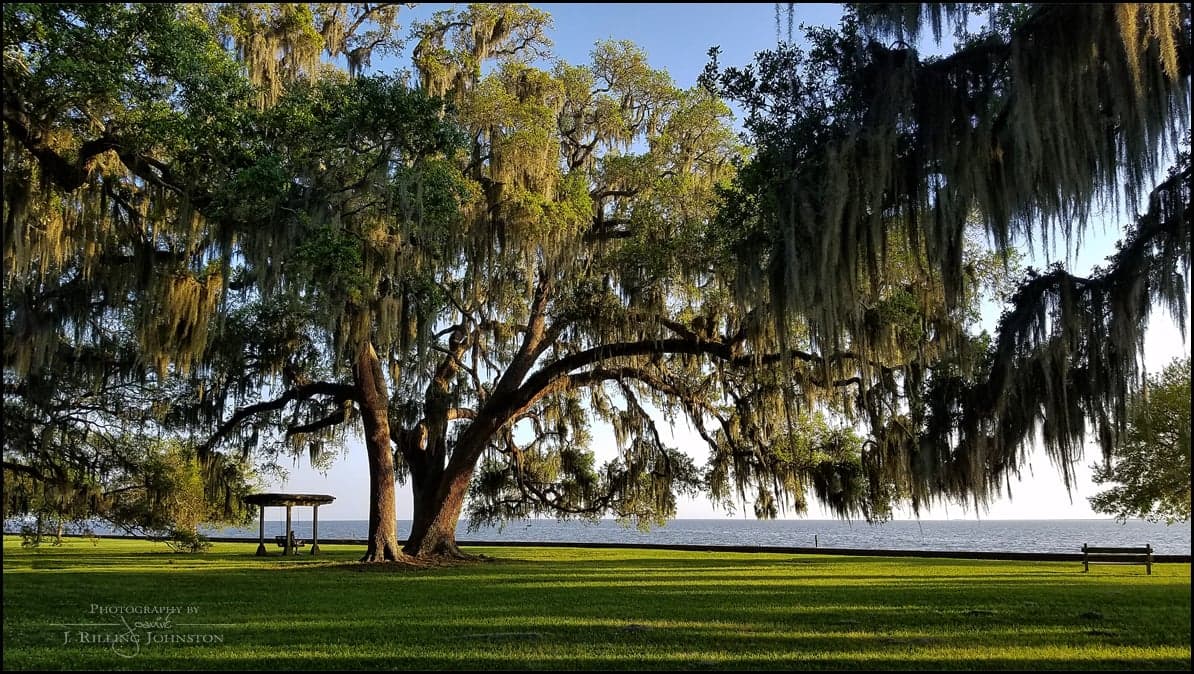
Mandeville, Louisiana, is a predominantly white, college-educated lakeside community of 12,931 residents where 82.0% of the population identifies as White alone, 8.3% as Hispanic, 3.0% as Black, 1.6% as East/Southeast Asian, and 0.8% as Indian (subcontinent). The city’s character is defined by its historic Creole and French Catholic roots, a strong sense of local identity tied to Lake Pontchartrain, and a recent influx of professionals and retirees drawn by its highly rated schools and proximity to New Orleans. With a foreign-born population of just 3.0% and 46.6% of adults holding a bachelor’s degree or higher, Mandeville is an affluent, culturally homogeneous suburb that has grown steadily since the 1970s while retaining a distinct small-town feel.
How the city was settled and grew
Mandeville was founded in 1834 by Bernard de Marigny de Mandeville, a French Creole aristocrat who subdivided his plantation into lots and marketed the area as a resort destination for New Orleans residents escaping yellow fever and summer heat. The original population was a mix of French Creole families, free people of color, and enslaved laborers who built the early homes and businesses along the lakefront. The Lakeshore Drive and Old Mandeville historic district—centered on Girod Street and the lakefront—became the heart of this early settlement, with Creole cottages and raised houses lining the oak-shaded streets. The arrival of the railroad in the 1880s brought a second wave of German and Irish immigrants who worked in the lumber and fishing industries, settling in the Mandeville Trailhead area and along what is now Highway 22. By the mid-20th century, the population remained modest—under 2,000—and was overwhelmingly white and Catholic, with a small Black community concentrated in the Mandeville Historic District near the old St. Tammany Parish courthouse.
Modern era (post-1965)
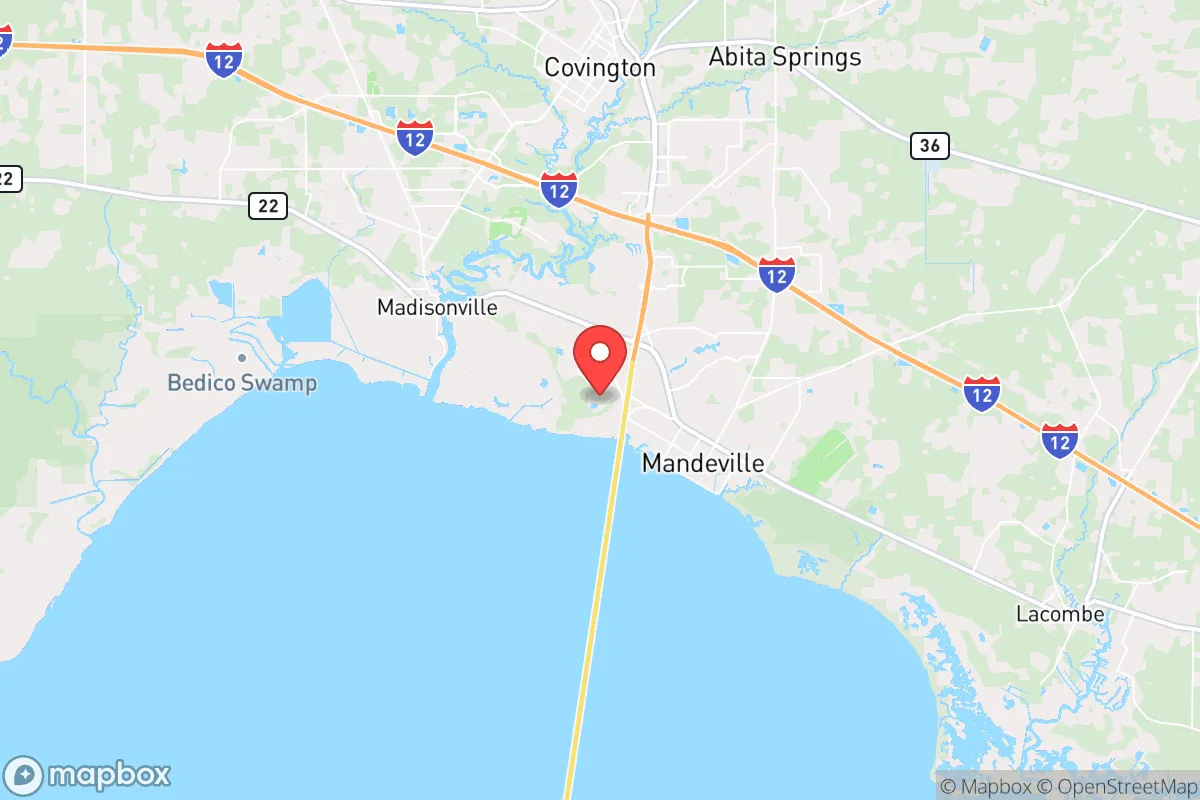
The post-1965 period transformed Mandeville from a sleepy fishing village into a booming bedroom suburb. The construction of the Lake Pontchartrain Causeway in 1956, followed by Interstate 12 in the 1970s, made the city accessible to New Orleans commuters, triggering a wave of domestic in-migration from the metropolitan area. The Beau Chene subdivision, developed in the 1970s and 1980s, attracted upper-middle-class white families with its golf course, large lots, and proximity to the lake. The Magnolia Estates and Village of Mandeville neighborhoods absorbed a second wave of professionals and retirees from the Midwest and Northeast, drawn by the low property taxes and the highly rated St. Tammany Parish public school system. Hispanic growth—now 8.3% of the population—began in the 1990s as construction and service workers moved into the Mandeville South area near Highway 190, though the community remains small and largely assimilated. The East/Southeast Asian population (1.6%) and Indian subcontinent population (0.8%) are concentrated in the newer subdivisions off Highway 59, such as Stonebridge, where tech and medical professionals have settled since 2010. The Black population, at 3.0%, has remained stable and is largely concentrated in the historic Old Mandeville area, with little new in-migration from other parts of the region.
The future
Mandeville’s population is likely to continue its slow, steady growth—projected at 1-2% annually through 2035—driven by domestic migration from other parts of Louisiana and the Sun Belt. The city is homogenizing rather than tribalizing: the white share has declined slightly from 87% in 2010 to 82% today, but the Hispanic and Asian populations are small enough that they are assimilating into the broader white-majority culture rather than forming distinct ethnic enclaves. The foreign-born share (3.0%) is well below the national average and is not expected to rise significantly, as Mandeville lacks the industrial or agricultural jobs that attract large immigrant populations. The next decade will likely see continued infill development in the Mandeville North area near the Tchefuncte River, with new subdivisions targeting empty-nesters and remote workers. The biggest demographic shift may be an aging population: the median age has risen from 38 to 42 over the past decade, and the city’s school-age population is flat, suggesting that Mandeville is becoming a retirement and second-home destination rather than a family-growth hub.
For someone moving in now, Mandeville is a stable, predominantly white, and highly educated suburb where the population is aging slowly and diversifying only modestly. The city offers a safe, lakefront lifestyle with strong schools and low crime, but newcomers should expect a culturally homogeneous environment where the Hispanic and Asian communities are small and integrated. The next 10-20 years will likely see Mandeville become more of a retirement and remote-work enclave, with little change in its racial or ethnic composition.

* Values derived from national, state, county, city and local statistics and may differ in a specific area. Last updated: 2026-04-23T04:53:41.000Z
Narrative content on this page is AI-generated and may contain mistakes. Verify any details that matter before acting on them.
ReloMaps may earn a commission from affiliate links at no extra cost to you.

