Quality of Life in Mandeville, LA
A high quality of life with strong walkability, manageable living costs, healthy neighborhood signals, and solid amenity access.
What does Quality of Life tell us?
Quality of Life blends cost of living, nearby amenities, socioeconomic signals, and neighborhood character. City-level scores represent the whole municipality; individual neighborhoods can differ.
What does this tell us?
Quality of Life blends cost of living, nearby amenities, socioeconomic signals, and neighborhood character. City-level scores represent the whole municipality; individual neighborhoods can differ.
Cost of Living
20% above national average
The Real Cost of Living in Mandeville, LA for 2026
| Tier | Individual | Family (4) |
|---|---|---|
| Survival | $21k | $40k |
| Comfortable | $71k | $104k |
| Luxury | $161k+ | $250k+ |
| Elite (Top 5%) | $223k+ | $346k+ |
86%
The Area Signal
A metric tracking the socioeconomic signals of the area.
Hobbies
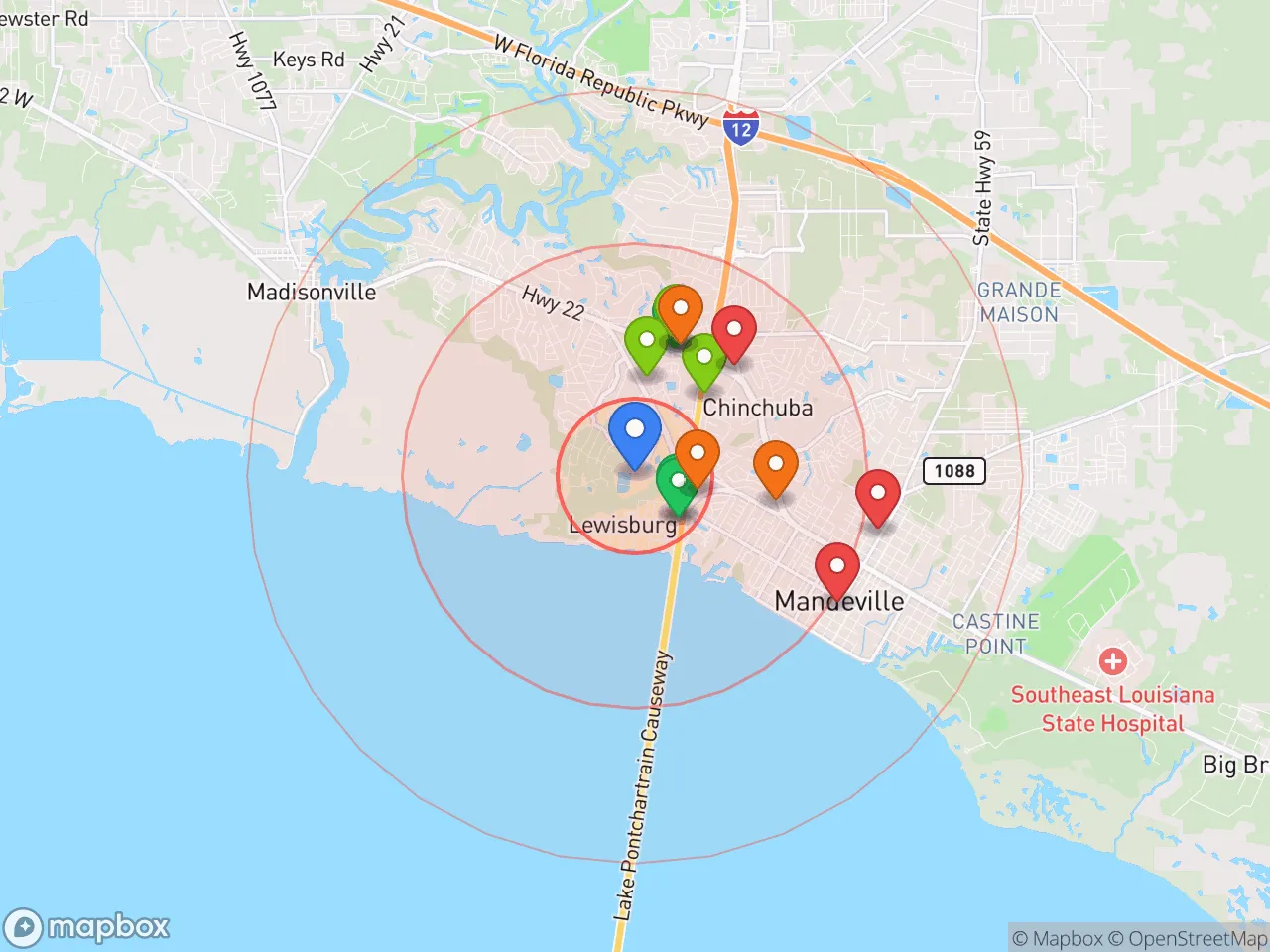
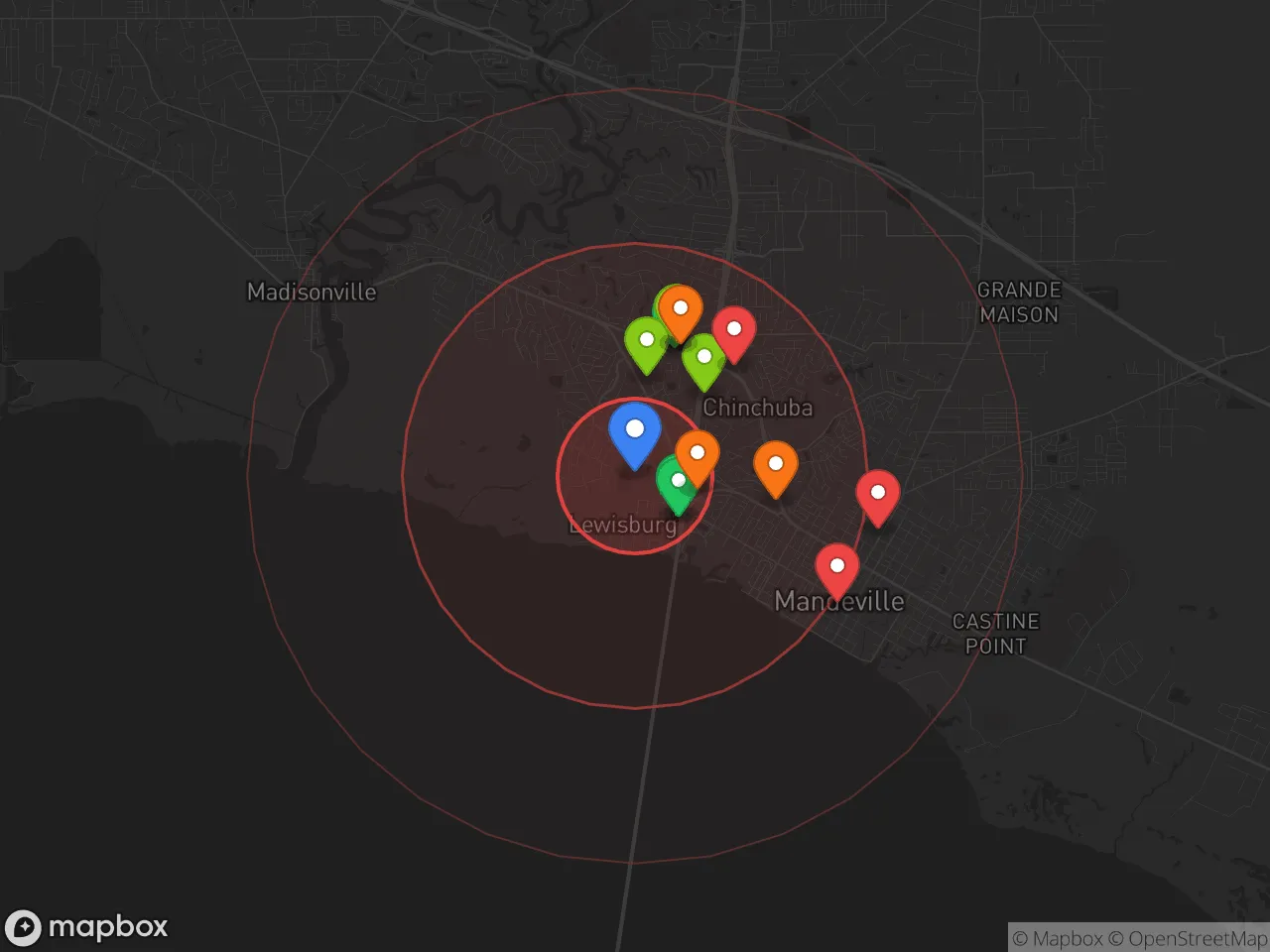
Explore the areaGroceries
7 within 10 miles
Gas
19 within 10 miles
Hospital
10 within 20 miles
Airport
IAH — George Bush Intercontinental
Post Office
USPS — Mandeville, LA
Critical Amenities
Quality-of-Life Analysis
Mandeville, Louisiana, is an affluent suburban community on the north shore of Lake Pontchartrain, known for attracting professionals, families, and retirees who prioritize space, safety, and access to New Orleans without living in the city. With a cost of living index of 120 (20% above the U.S. average), the city commands a premium for its high-rated schools, low violent crime rates, and abundant green space. The typical resident is a college-educated homeowner in a white-collar field such as healthcare, energy, or professional services, often commuting to the south shore for work.
Cost of living, housing, and affordability compared to New Orleans and Covington
Mandeville’s housing market is the primary driver of its above-average cost of living. The median home value sits at $363,300, roughly 40% higher than the national median and significantly above the Louisiana state median of around $200,000. Renters face a median monthly rent of $1,326, which is notably higher than in nearby Covington (approximately $1,150) but still below the New Orleans metro average of roughly $1,450. For buyers, the trade-off is clear: you pay more for a home in Mandeville than in most of St. Tammany Parish, but you get access to the parish’s top-rated public schools (St. Tammany Parish Public Schools, consistently ranked among Louisiana’s best) and lower property crime rates than in Covington or Slidell. The average commute of 28.6 minutes reflects the reality that many residents cross the Lake Pontchartrain Causeway daily to jobs in New Orleans, a 24-mile drive that can stretch to 45 minutes during peak hours. While the commute is a drawback, the trade-off is a quieter, more spacious suburban lifestyle with larger lots and newer housing stock than what is available on the south shore.
Schools, amenities, and what daily life is like for families
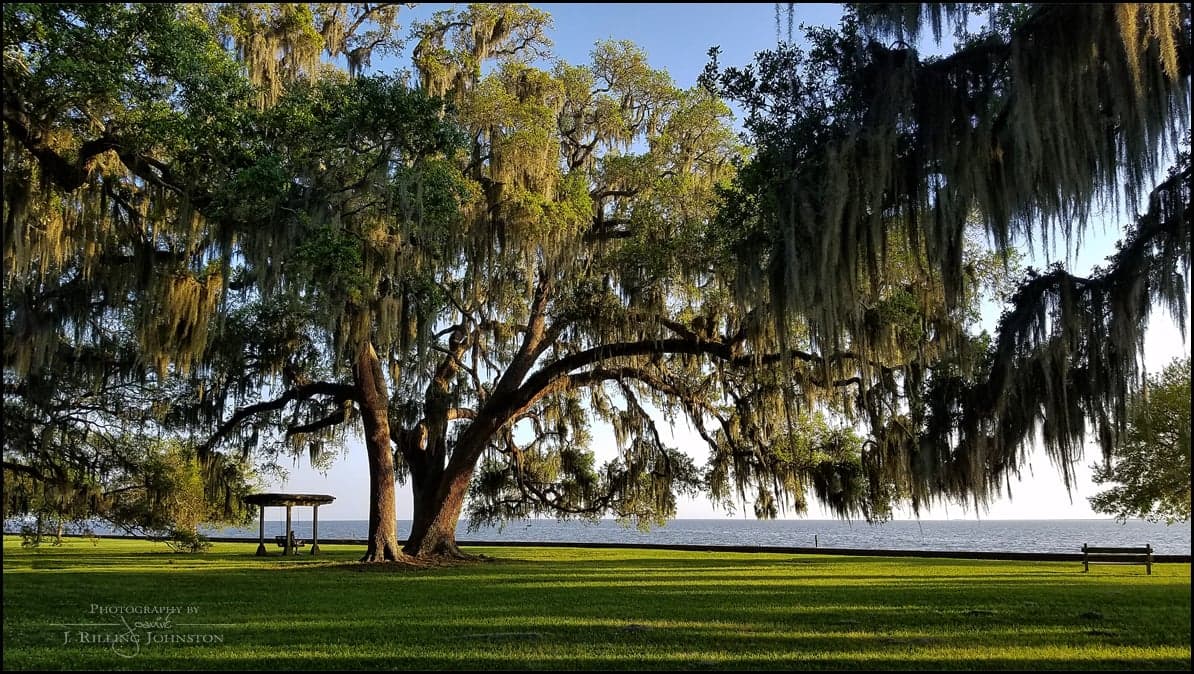
Daily life in Mandeville revolves around its strong public school system, extensive parks, and lakefront recreation. The city is served by multiple A-rated elementary and middle schools, with Mandeville High School consistently scoring above the state average in graduation rates and college readiness. Families spend weekends at the 40-acre Fontainebleau State Park, which offers hiking, fishing, and a beach on Lake Pontchartrain, or at the Mandeville Lakefront, a 7-mile paved trail popular for biking and jogging. The city’s historic Old Mandeville district provides a walkable core with local restaurants, coffee shops, and a weekly farmers market. For shopping and services, residents drive to the large retail corridor along U.S. Highway 190, which includes big-box stores, medical clinics, and the Lakeview Regional Medical Center. The rhythm of life is slower than in New Orleans, with a strong emphasis on outdoor activities, school events, and neighborhood gatherings. Crime is a major draw: Mandeville’s violent crime rate is roughly 75% lower than the national average, and property crime rates are well below those of nearby Slidell and Covington, making it one of the safest cities of its size in Louisiana.
Mandeville is best suited for families and professionals who can afford the housing premium and are willing to trade a longer commute for top-tier schools, low crime, and abundant outdoor space. Remote workers and retirees also thrive here, as the city offers a quiet, amenity-rich environment without the urban intensity of New Orleans. Those who prioritize walkability, nightlife, or a lower cost of living should look elsewhere, but for buyers seeking a safe, family-oriented suburb with strong schools and a lakefront lifestyle, Mandeville is a clear standout in the New Orleans metro area.

Crime in Mandeville, LA
Lower crime rates than 82% of comparable U.S. locations.
Violent CrimeViolent Crime Analysis
Property CrimeProperty Crime Analysis
Crime Analysis
Mandeville, Louisiana, is one of the safest cities in the New Orleans metropolitan area, with a violent crime rate of 138.4 per 100,000 residents — roughly one-third the national average and well below the Louisiana state average. Property crime, however, is more prevalent at 1,514.2 per 100,000, a figure that sits near the national median but remains a concern for residents, particularly regarding vehicle break-ins and package theft. The city’s overall safety profile is bolstered by its affluent, family-oriented demographics and a dedicated local police department, but the broader regional context — including progressive criminal justice policies in nearby Orleans Parish — introduces risks that potential movers should weigh carefully.
Crime in context
Mandeville’s violent crime rate is a standout positive: at 138.4 per 100K, it is 65% lower than the U.S. average of 380 per 100K and dramatically lower than Louisiana’s state rate of roughly 540 per 100K. Homicides are rare, and aggravated assaults and robberies occur at a fraction of the frequency seen in nearby New Orleans. Property crime, at 1,514.2 per 100K, is comparable to the national average of about 1,950 per 100K but higher than many suburban peers in St. Tammany Parish. The city benefits from being in a parish with conservative law-and-order leadership, which contrasts sharply with the progressive district attorneys and judges in Orleans and Jefferson parishes. Those jurisdictions have adopted policies such as cash bail reform, reduced prosecution of nonviolent offenses, and diversion programs that critics argue embolden repeat offenders. For Mandeville residents, this means that while the city itself is safe, criminals from the broader metro area — where progressive justice policies can lead to quicker releases and lighter sentences — may travel into the Northshore to commit property crimes.
What residents experience
Daily life in Mandeville feels secure, with most crime concentrated in commercial corridors like U.S. Highway 190 and near the Lake Pontchartrain Causeway. Residents report that violent crime is virtually nonexistent in residential neighborhoods, and the police department maintains a visible presence through community policing and neighborhood watch programs. The most common complaints are vehicle burglaries, theft from porches, and occasional shoplifting at retail centers. The city’s low violent crime rate is a direct result of strong local law enforcement and a community that prioritizes safety, but the property crime rate is a reminder that no suburb is immune to regional spillover. The progressive criminal justice policies in New Orleans — including a district attorney who has declined to prosecute certain nonviolent crimes and a judiciary that favors rehabilitation over incarceration — have been linked to a rise in property crime across the metro area. For Mandeville, this means residents should take standard precautions: lock vehicles, secure packages, and consider home security systems.
Neighborhood-level variation is modest but worth noting. Areas east of the Tchefuncte River, such as the historic Old Mandeville lakefront, see slightly higher property crime due to tourist foot traffic and easier access from the Causeway. West Mandeville subdivisions, including Beau Chene and The Sanctuary, report near-zero violent crime and property crime rates well below the city average. The safest pockets are gated communities and newer developments with private security, while older, more walkable neighborhoods near the lake require more vigilance. Overall, Mandeville offers a strong safety foundation, but the regional justice system’s progressive tilt means residents must remain aware of external crime pressures.
* Values derived from national, state, county, city and local statistics and may differ in a specific area. Last updated: 2026-04-23T04:53:41.000Z
Narrative content on this page is AI-generated and may contain mistakes. Verify any details that matter before acting on them.
ReloMaps may earn a commission from affiliate links at no extra cost to you.

