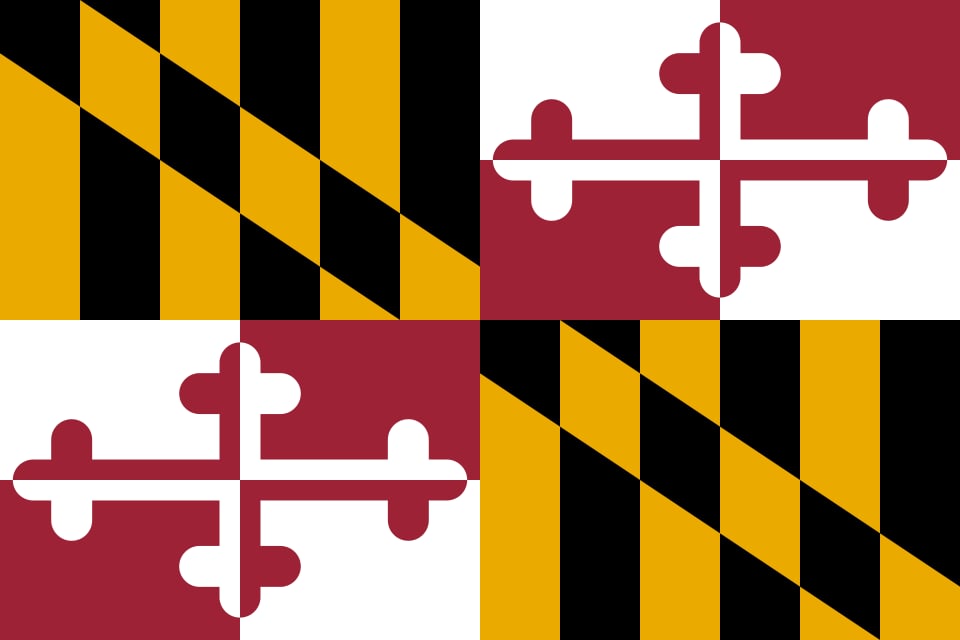
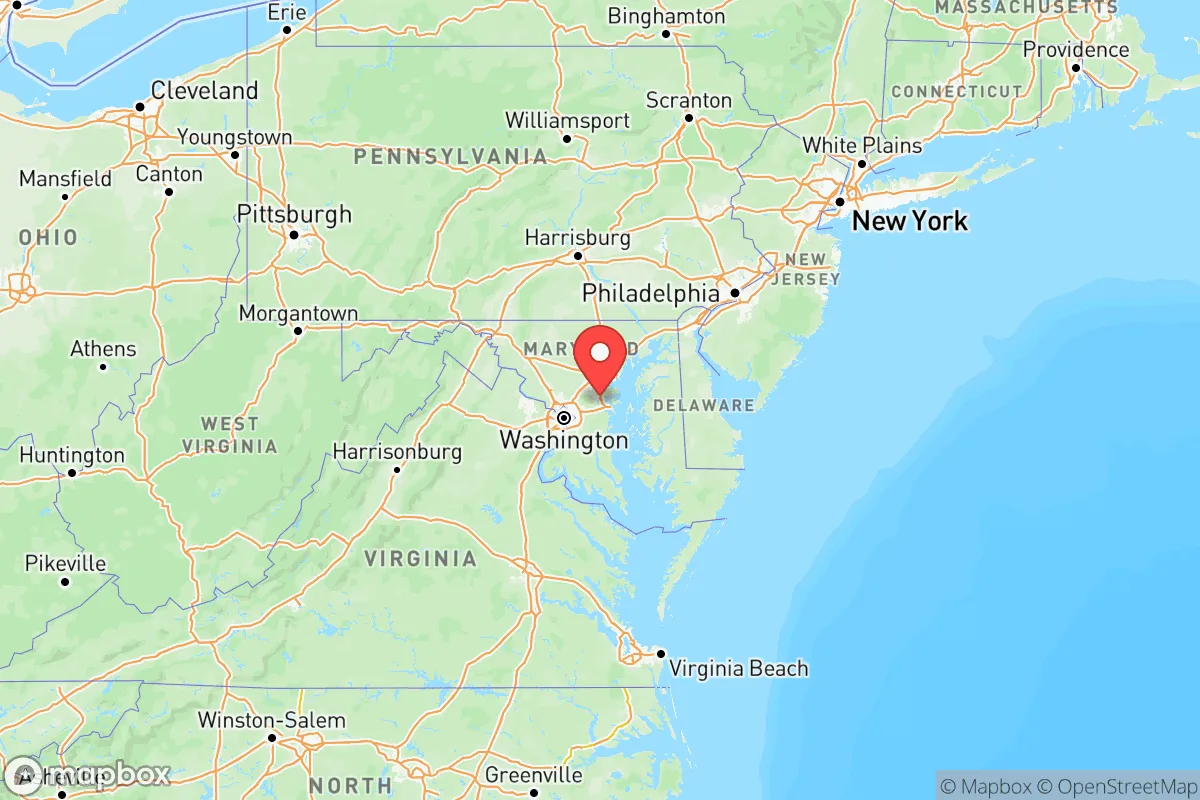
Photo: Wikipedia
Quality of Life in Maryland
A livable area that tracks near national norms for affordability, walkability, and neighborhood health.
What does Quality of Life tell us?
Quality of Life measures an area by evaluating factors like cost of living, nearby amenities, country club access, airport proximity, socioeconomic signals and neighborhood character. For large states, this is a general average — quality of life can vary dramatically between metro areas, suburbs, and rural communities within the same state.
What does this tell us?
Quality of Life measures an area by evaluating factors like cost of living, nearby amenities, country club access, airport proximity, socioeconomic signals and neighborhood character. For large states, this is a general average — quality of life can vary dramatically between metro areas, suburbs, and rural communities within the same state.
Cost of Living
42% above national average
89%
The Real Cost of Living in Maryland for 2026
| Tier | Individual | Family (4) |
|---|---|---|
| Survival | $27k | $50k |
| Comfortable | $77k | $114k |
| Luxury | $180k+ | $278k+ |
| Elite (Top 5%) | $211k+ | $327k+ |
Quality-of-Life Analysis
Maryland offers one of the most compressed yet diverse quality-of-life spectrums in the United States, ranging from the hyper-urban, globally connected corridors of the Baltimore-Washington metropolitan area to the quiet, agricultural Eastern Shore and the mountainous western counties. With a statewide cost-of-living index of 142 (42% above the national average), a median home value of $397,700, and a median rent of $1,662, the state presents a clear trade-off: residents pay a premium for proximity to the nation's capital and the Chesapeake Bay, while those willing to commute longer or live in smaller towns can access significantly lower housing costs. The average commute of 31.5 minutes reflects this tension, as many workers live in more affordable exurbs while commuting to high-paying jobs in Bethesda, Baltimore, or Washington, D.C. The state attracts everyone from federal contractors and cybersecurity professionals to watermen, farmers, and academics, each finding a distinct niche along this dense, varied landscape.
Major metros
If you're looking for urban living, Maryland has two dominant metro areas, each with a distinct identity. Baltimore is the state's largest city and cultural anchor, with a gritty, blue-collar heritage now layered with a growing tech and biotech sector anchored by Johns Hopkins University and the Inner Harbor redevelopment. It offers rowhouse living, a vibrant arts scene, and a cost of living slightly below the state average, though crime rates remain a concern in specific neighborhoods. Silver Spring and Bethesda, part of the Washington, D.C. suburbs in Montgomery County, represent the other pole: dense, affluent, and highly educated, with median household incomes exceeding $100,000 and direct Metro access to D.C. jobs in government, defense, and consulting. Columbia, a planned community in Howard County, offers a middle ground—master-planned suburbs with excellent schools, a strong job base in healthcare and tech, and a median home value near $500,000. Frederick, the state's second-largest city, is a fast-growing hub with a historic downtown, a growing biotech cluster, and more affordable housing than the D.C. suburbs, attracting families priced out of Montgomery County.
Mid-size cities & college towns
Maryland's mid-size cities and college towns offer a blend of urban amenities and lower costs. Annapolis, the state capital, is a historic sailing town on the Chesapeake Bay with a dense, walkable downtown, the U.S. Naval Academy, and a median home value around $550,000—high but lower than Bethesda. College Park, home to the University of Maryland, is a classic college town with a young, transient population, a growing tech corridor along Route 1, and a median rent of $1,500, making it a launchpad for recent graduates. Salisbury, on the Eastern Shore, is the region's commercial and educational hub, home to Salisbury University and a lower cost of living (median home value ~$250,000), attracting those who want a slower pace with access to beaches and the Chesapeake Bay. Towson, just north of Baltimore, is a suburban college town with Towson University, a lively downtown, and a median home value near $350,000, offering a balance of urban proximity and suburban safety. Hagerstown, in western Maryland, is an affordable industrial city with a median home value around $200,000, drawing commuters to jobs in Frederick and the D.C. region via I-70, though its economy has struggled with manufacturing decline.
Small towns & rural areas
For those seeking a quieter, more affordable life, Maryland's small towns and rural areas offer distinct landscapes. On the Eastern Shore, towns like Easton, St. Michaels, and Cambridge provide a waterman's lifestyle with historic waterfronts, low crime, and median home values ranging from $250,000 to $400,000, though job opportunities are limited to tourism, agriculture, and healthcare. In western Maryland, Cumberland and Frostburg sit in the Appalachian Mountains, offering outdoor recreation (hiking, biking on the C&O Canal) and median home values under $150,000, attracting retirees and remote workers. Deep Creek Lake, near the West Virginia border, is a vacation-home destination with seasonal tourism and a median home value around $350,000, popular with second-home owners from D.C. and Baltimore. These areas are ideal for those who prioritize space, nature, and lower costs over urban amenities and job density.
Luxury vs. affordable living
Maryland's luxury enclaves are concentrated in the D.C. suburbs and the Chesapeake Bay waterfront. Potomac and Chevy Chase in Montgomery County are among the wealthiest zip codes in the U.S., with median home values exceeding $1.5 million, top-ranked schools, and estates on multi-acre lots. Ruxton and Hunt Valley in Baltimore County offer similar exclusivity with horse country estates and median home values above $800,000. On the Eastern Shore, St. Michaels and Oxford are upscale waterfront villages with median home values around $700,000, attracting retirees and second-home buyers. On the affordable end, Baltimore City neighborhoods like Ednor Gardens or Hamilton offer rowhomes under $200,000, though buyers must navigate higher crime and older housing stock. Western Maryland towns like Frostburg and Lonaconing have median home values under $100,000, while Salisbury and Cambridge on the Eastern Shore offer homes under $250,000. The spread is enormous: a buyer can pay $150,000 for a three-bedroom in Cumberland or $2 million for a waterfront estate in Potomac, reflecting the state's extreme economic stratification.
The practical reality is that Maryland's quality-of-life options are tightly tied to commute tolerance and income. Those with high-paying jobs in D.C. or Baltimore can afford the luxury suburbs or waterfront towns, enjoying top schools and amenities but paying a 42% COL premium. Middle-income families often settle in mid-size cities like Frederick or Columbia, where home values hover around $400,000 and commutes average 30-40 minutes. Lower-income households and those willing to live farther from job centers find affordability in western Maryland or the Eastern Shore, where home values drop below $200,000 but job opportunities and public services are thinner. The state's 31.5-minute average commute is a direct reflection of this geography: many residents trade time for space, driving from Hagerstown to Bethesda or from Cambridge to Annapolis. Ultimately, Maryland offers a place for nearly every lifestyle—from the urban professional in a Bethesda high-rise to the retiree on a St. Michaels dock to the remote worker in a Cumberland farmhouse—but the choice is heavily constrained by budget and career location.

Crime in Maryland
WARNING: The crime statistics are unreliable for this jurisdiction. Local authorities have either not reported or under reported their data to the FBI. This could be due to bad intentions, incompetence or technical issues. Regardless, we suggest skepticism.
Higher crime rates than 71% of comparable U.S. locations.
Violent CrimeViolent Crime Analysis
Property CrimeProperty Crime Analysis
Crime Analysis
Maryland’s overall safety picture is a study in contrasts, with a statewide violent crime rate of 351.4 per 100,000 residents and a property crime rate of 1,814.9 per 100,000. These figures place Maryland above the national average for violent crime, driven largely by concentrated incidents in its largest cities, while many suburban and rural communities report significantly lower crime levels. The state’s proximity to Washington, D.C., and its dense urban corridors create a complex landscape where safety varies dramatically from one jurisdiction to the next.
Crime in context
Maryland’s violent crime rate of 351.4 per 100,000 is roughly 20% higher than the U.S. average, while its property crime rate of 1,814.9 per 100,000 closely mirrors the national figure. The state’s crime statistics are heavily influenced by Baltimore, which consistently reports violent crime rates more than triple the statewide average. In contrast, suburban counties like Howard County (home to Columbia and Ellicott City) and Carroll County (including Westminster) post violent crime rates below 150 per 100,000, often ranking among the safest jurisdictions in the Mid-Atlantic. Property crime, including theft and vehicle break-ins, is more evenly distributed but still spikes in areas with high population density and transit access, such as Prince George’s County and parts of Montgomery County.
What residents experience
Daily life for Maryland residents is shaped by where they live. In Baltimore, residents face elevated risks of robbery, aggravated assault, and homicide, particularly in neighborhoods like Sandtown-Winchester and parts of East Baltimore. The city’s progressive district attorney, Marilyn Mosby (until her 2024 suspension), pursued policies emphasizing diversion and reduced incarceration for nonviolent offenses, which critics argue contributed to a perception of lawlessness and emboldened repeat offenders. In contrast, suburban communities like Frederick and Annapolis maintain lower crime rates, though property crime—especially car theft and package theft—remains a common nuisance. Residents in safer areas often cite responsive local policing and community watch programs as key factors, while those in higher-crime zones report frustration with slow judicial processes and lenient sentencing for violent offenders.
Neighborhood-level variation
Crime in Maryland is highly localized, with stark differences even within the same county. In Montgomery County, the city of Takoma Park (known for its progressive politics and restorative justice initiatives) sees higher property crime rates than neighboring Rockville or Gaithersburg, where police maintain a more traditional enforcement posture. Prince George’s County, home to Bowie and College Park, struggles with gang-related violence in areas like Suitland and Langley Park, while its eastern communities near the Patuxent River remain relatively quiet. On the Eastern Shore, Salisbury experiences elevated violent crime relative to its size, driven by drug trafficking along the Route 13 corridor, while nearby towns like Cambridge and Easton report much lower rates. The key takeaway for prospective residents: neighborhood-level research is essential, as a zip code change of just a few miles can mean the difference between a high-risk and low-risk environment. Areas with liberal prosecutorial policies, particularly in Baltimore City and Prince George’s County, should give readers pause, as these jurisdictions often prioritize offender rehabilitation over public safety, leading to higher recidivism and more victims.
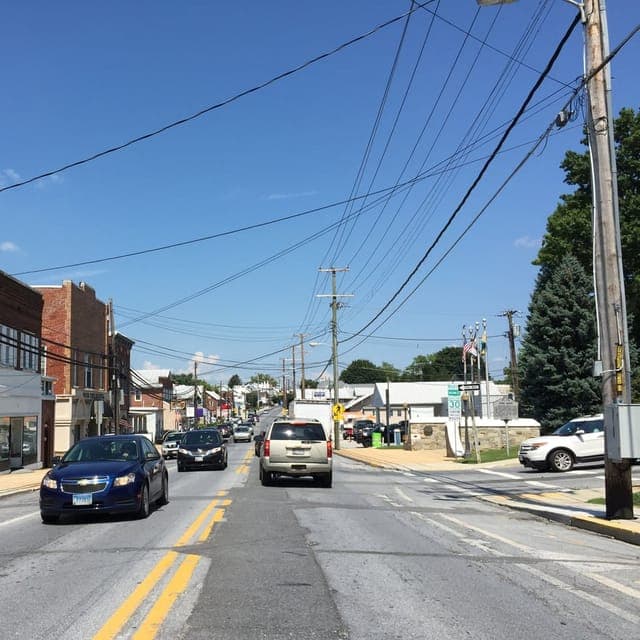
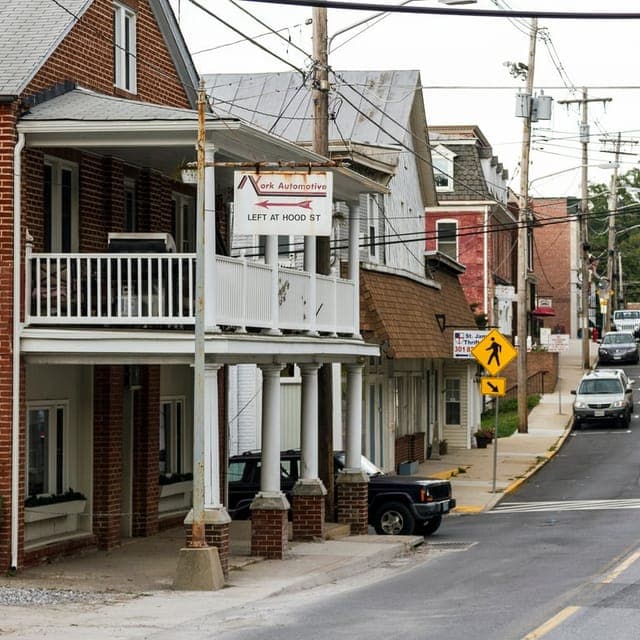
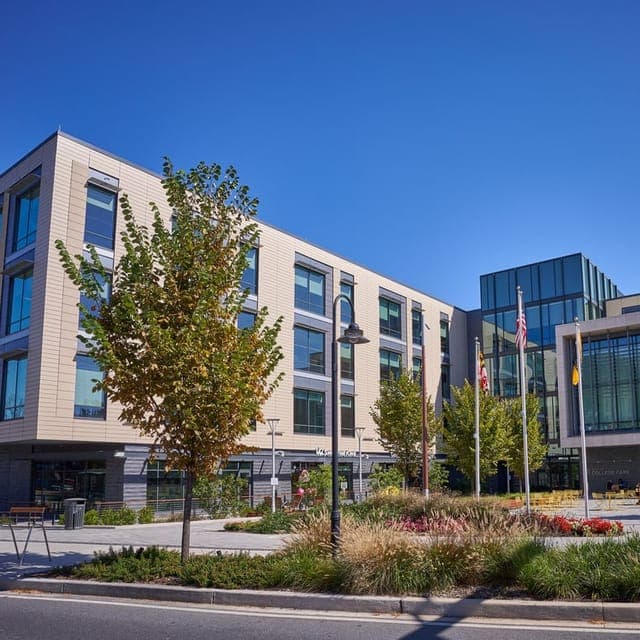
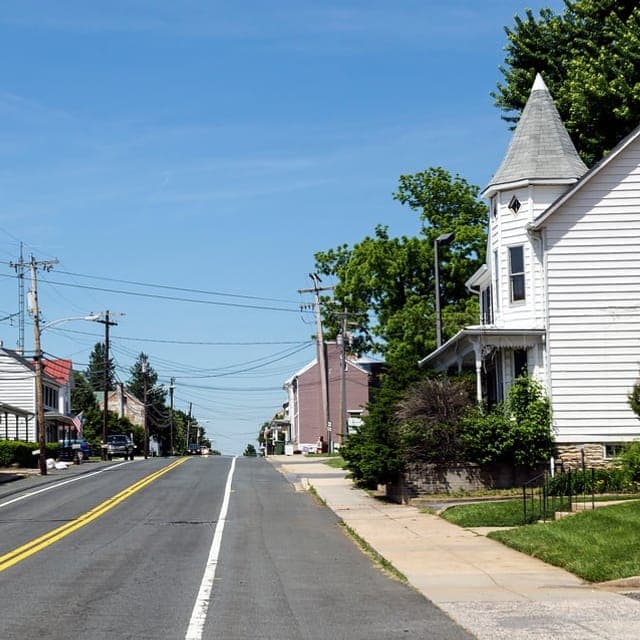
Top Cities for Quality of Life in Maryland
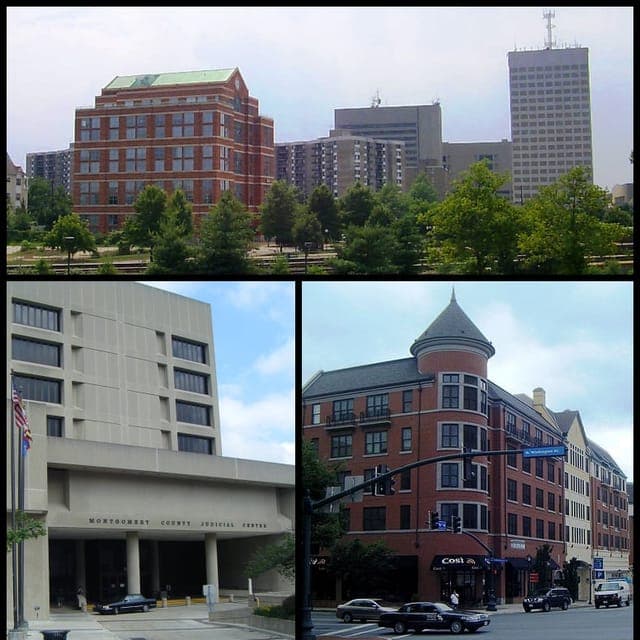

* Values derived from national, state, county, city and local statistics and may differ in a specific area. Last updated: 2026-04-18T22:47:10.000Z
Narrative content on this page is AI-generated and may contain mistakes. Verify any details that matter before acting on them.
ReloMaps may earn a commission from affiliate links at no extra cost to you.

