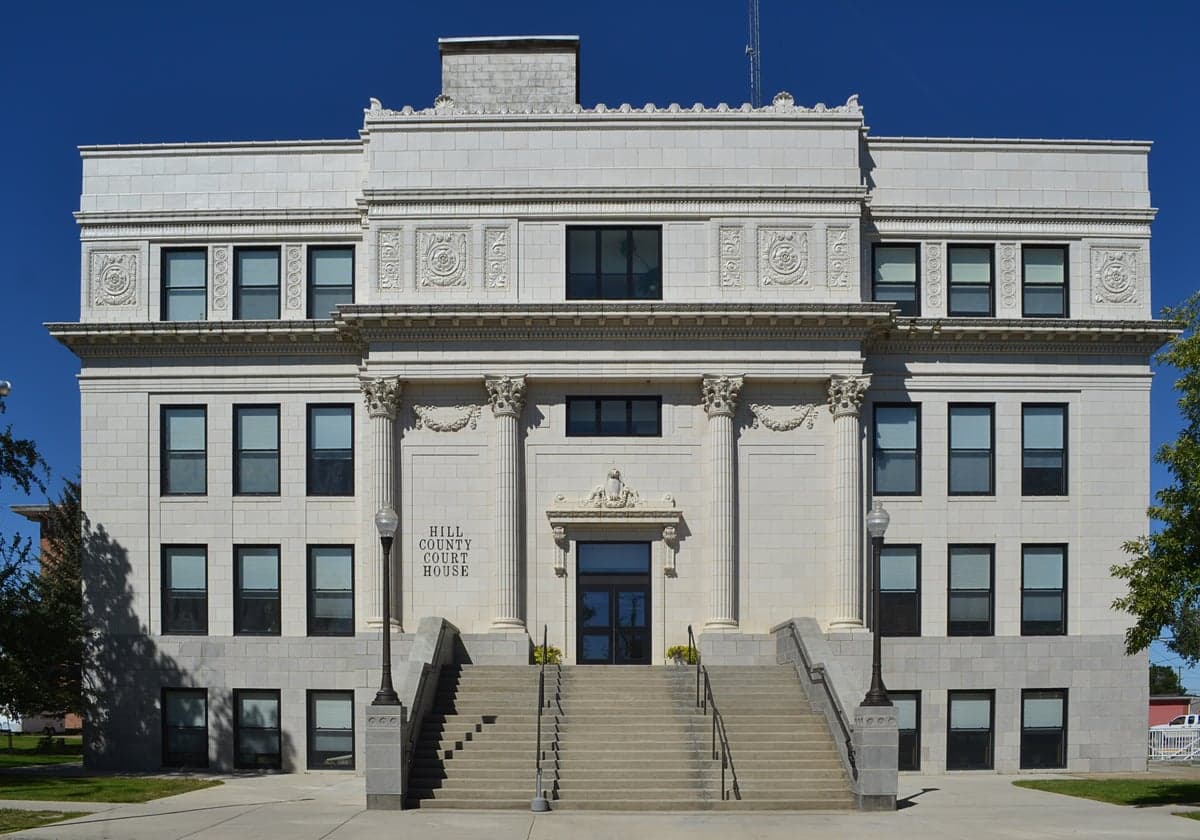
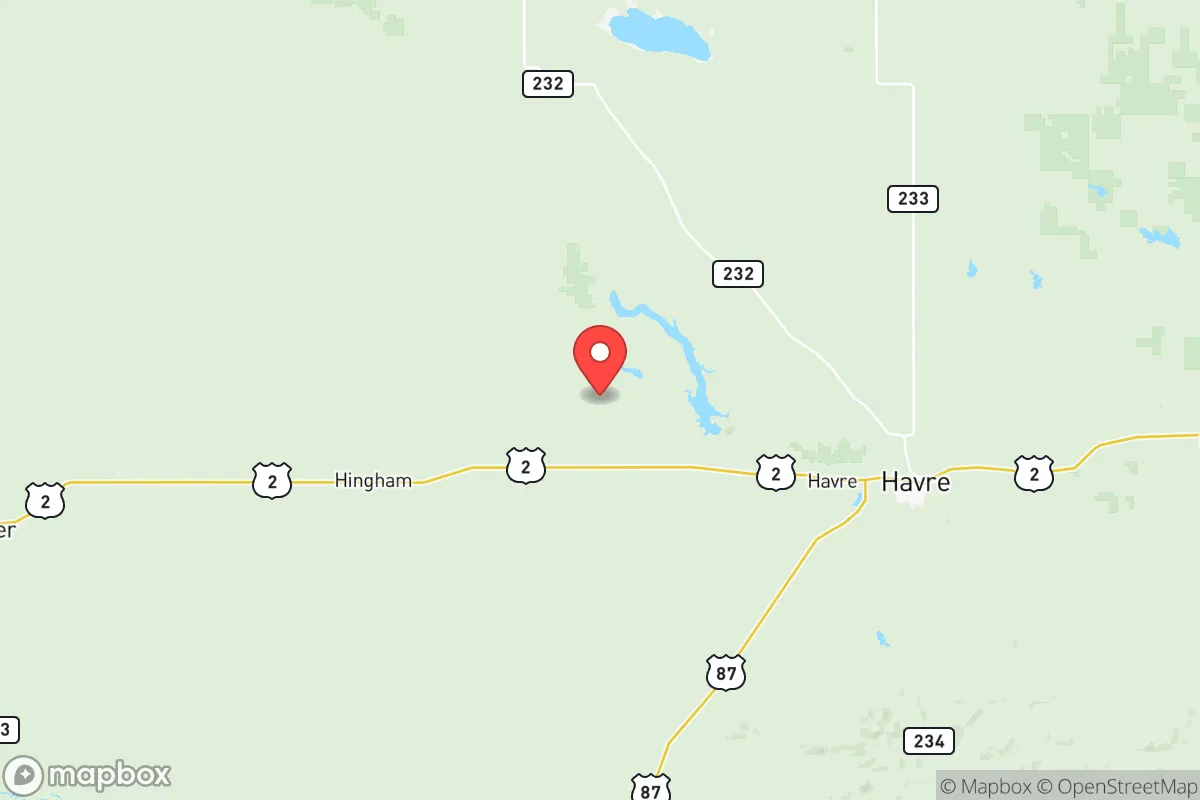
Photo: Wikipedia
Quality of Life in Hill County
A livable area that tracks near national norms for affordability, walkability, and neighborhood health.
What does Quality of Life tell us?
Quality of Life measures an area by evaluating factors like cost of living, nearby amenities, country club access, airport proximity, socioeconomic signals and neighborhood character. For large states, this is a general average — quality of life can vary dramatically between metro areas, suburbs, and rural communities within the same state.
What does this tell us?
Quality of Life measures an area by evaluating factors like cost of living, nearby amenities, country club access, airport proximity, socioeconomic signals and neighborhood character. For large states, this is a general average — quality of life can vary dramatically between metro areas, suburbs, and rural communities within the same state.
Cost of Living
35% below national average
103%
The Real Cost of Living in Hill County for 2026
| Tier | Individual | Family (4) |
|---|---|---|
| Survival | $12k | $23k |
| Comfortable | $36k | $54k |
| Luxury | $98k+ | $152k+ |
| Elite (Top 5%) | $115k+ | $179k+ |
Quality-of-Life Analysis
Hill County, Montana, offers a distinct quality-of-life spectrum that ranges from the modest urban amenities of its county seat, Havre, to the quiet, self-reliant lifestyle of its smaller communities and vast agricultural plains. The county attracts a mix of residents, including those seeking affordable housing and short commutes, families drawn to a slower pace, and individuals working in agriculture, the railroad, or the nearby Malmstrom Air Force Base. The character of daily life shifts noticeably depending on whether one lives in the town center, a small village, or an isolated farmstead.
Largest town(s) & population centers
Havre is the undisputed population and economic hub of Hill County, home to roughly 9,200 of the county's 16,500 residents. Daily life here centers on a walkable downtown with local restaurants, the Montana State University-Northern campus, and the historic Havre Beneath the Streets tour. The city provides essential services like the Northern Montana Hospital and the Hill County Courthouse. Commute times are exceptionally short, averaging just under 14 minutes, which is a fraction of the national average. Havre also serves as a regional retail and medical destination for a wide swath of north-central Montana.
Smaller towns & rural pockets
Outside Havre, the county's character shifts dramatically. Box Elder, located roughly 20 miles southwest of Havre, is a small community of about 80 residents that sits adjacent to the Rocky Boy’s Indian Reservation. Life here is quiet and deeply connected to the surrounding ranches and the Chippewa-Cree tribal community. Further east, Gildford and Hingham are unincorporated farming hamlets with populations under 200 each, where grain elevators and local co-ops define the economy. Rudyard, in the county's northern tier, is another small agricultural service center. These areas offer extreme quiet, minimal traffic, and a strong sense of neighborly interdependence, but lack the retail and dining options found in Havre.
Cost & lifestyle range
The cost of living in Hill County is dramatically lower than the national average, with a composite cost-of-living index of 65 (100 = U.S. average). This low index is driven by housing costs that are among the most affordable in Montana. The median home value is $187,600, and the median rent is just $752 per month. At the lower end of the cost spectrum, smaller communities like Box Elder or Gildford offer even cheaper housing, often with older homes or mobile homes available for under $100,000. At the higher end, Havre's newer subdivisions and homes near the golf course or hospital can reach $300,000 or more, though this is still well below state averages. The lifestyle trade-off is clear: Havre provides access to schools, healthcare, and shopping, while rural areas offer more land, privacy, and lower property taxes but require longer drives for most errands. The average commute of 13.6 minutes reflects the compact nature of the county, even for those living in outlying areas.
This county is best suited for individuals and families who prioritize affordability, a short commute, and a slower, community-oriented pace over urban nightlife or extensive cultural amenities. Those who thrive here are often self-sufficient, comfortable with harsh winters, and value the wide-open spaces of the Hi-Line region. Whether in Havre's modest convenience or the solitude of a Gildford farmstead, Hill County offers a genuine, low-cost Montana lifestyle that is increasingly rare in the state's more popular western valleys.

Crime in Hill County
Generally safer than 57% of comparable U.S. locations.
Violent CrimeViolent Crime Analysis
Property CrimeProperty Crime Analysis
Crime Analysis
Hill County, Montana, reports a violent crime rate of 419.5 per 100,000 residents and a property crime rate of 1,462.1 per 100,000, placing it above both state and national averages for serious offenses. The county’s largest city, Havre, accounts for the majority of reported incidents, while smaller communities like Box Elder, Gildford, and Rudyard experience significantly lower crime volumes. These figures reflect a rural jurisdiction where crime is concentrated in specific areas, but the overall risk remains elevated compared to safer Montana counties like Richland or Gallatin.
Crime in context
Hill County’s violent crime rate of 419.5 per 100,000 is roughly 20% higher than the Montana state average of approximately 350 per 100,000 and well above the national rate of about 380 per 100,000. Property crime in the county, at 1,462.1 per 100,000, exceeds the Montana average of roughly 1,200 per 100,000 and the national figure of approximately 1,950 per 100,000. The disparity is most pronounced in Havre, where thefts, burglaries, and motor vehicle thefts are reported at higher frequencies than in outlying towns. By contrast, the Hi-Line communities of Inverness and Hingham see property crime rates that are a fraction of Havre’s, though their small populations make year-to-year comparisons volatile. The county’s overall crime index is driven by Havre’s role as a regional trade and transportation hub, which attracts transient populations and associated criminal activity.
What residents experience
Residents of Hill County report that property crime—particularly vehicle break-ins and theft from unlocked outbuildings—is the most common safety concern, especially in Havre’s downtown and near the Amtrak station. Violent crime, while less frequent, includes aggravated assault and robbery incidents concentrated in Havre’s lower-income neighborhoods and near the Rocky Boy’s Indian Reservation boundary. The county’s judicial system, overseen by the 12th Judicial District, has faced criticism from residents for what they perceive as lenient sentencing in property and drug-related cases. Progressive-leaning policies in the district attorney’s office have been cited by local safety advocates as a factor in repeat offenses, with some offenders cycling through the system without meaningful incarceration. This dynamic is particularly noticeable in Havre, where a small number of individuals account for a disproportionate share of theft and burglary reports. In contrast, towns like Box Elder and Gildford, which have tighter-knit populations and fewer rental properties, report lower victimization rates and faster police response times from the Hill County Sheriff’s Office.
Neighborhood-level variation is stark within Havre itself. The area around 1st Street and the railroad tracks sees the highest concentration of police calls, while residential neighborhoods west of U.S. Highway 2, such as the Hillcrest subdivision, report crime rates closer to the county’s rural average. Outside Havre, the unincorporated communities of Kremlin and Laredo experience virtually no violent crime, though agricultural theft—such as fuel and equipment theft—remains a seasonal concern. Prospective residents should weigh the convenience of Havre’s amenities against its elevated crime risk, while those seeking quieter, safer settings may prefer the outlying towns where community watch programs and limited access roads naturally deter criminal activity. The county’s overall safety profile is one of manageable risk for informed residents, provided they take standard precautions like locking vehicles and securing property, particularly in Havre’s higher-crime zones.
* Values derived from national, state, county, city and local statistics and may differ in a specific area. Last updated: 2026-06-11T20:29:00.000Z
Narrative content on this page is AI-generated and may contain mistakes. Verify any details that matter before acting on them.
ReloMaps may earn a commission from affiliate links at no extra cost to you.

