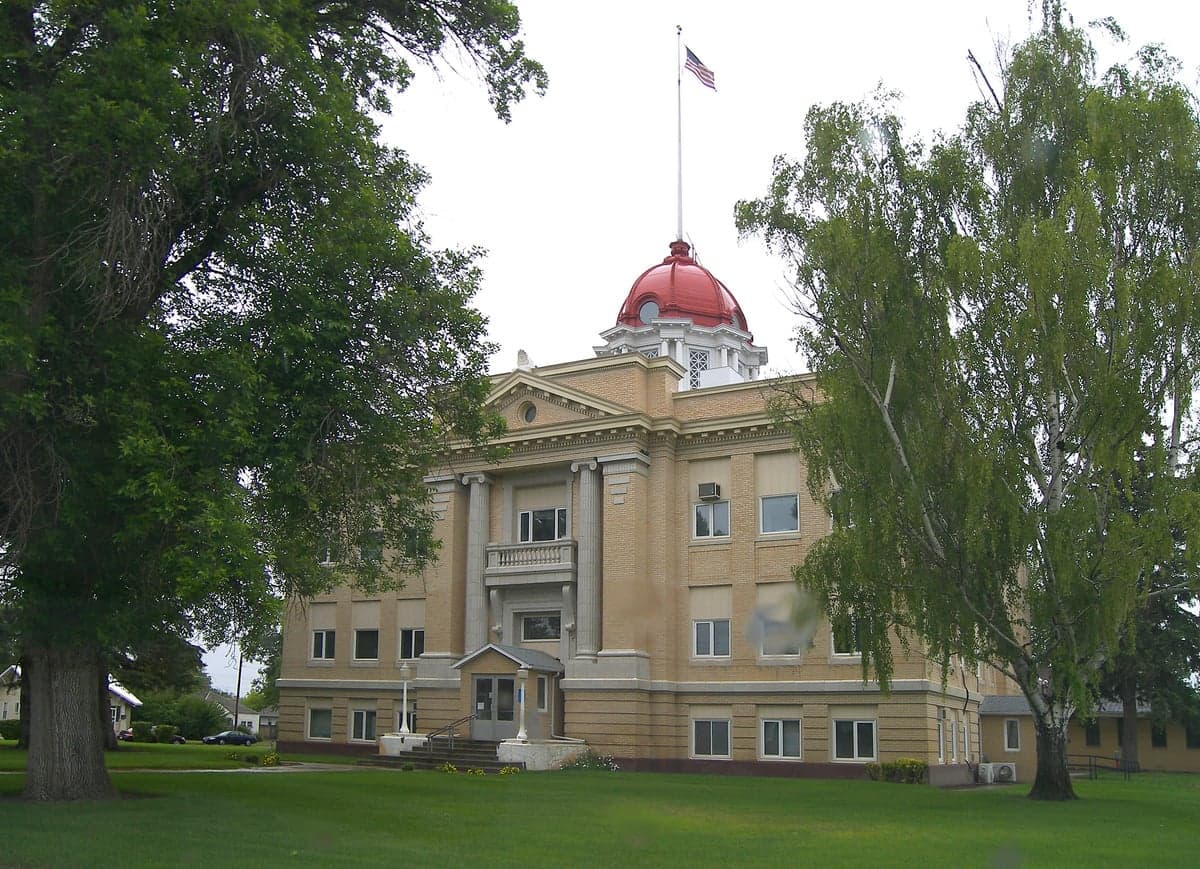
Photo: Wikipedia
Personal Sovereignty in Richland County
Viable for self-reliance. Generally workable, though some barriers may limit total independence.
What does Personal Sovereignty tell us?
Personal Sovereignty measures your capacity for self-reliance and independence with minimal government friction. Higher scores mean fewer barriers between you and the way you want to live... but it assumes you have the space you need and good neighbors.
What does this tell us?
Personal Sovereignty measures your capacity for self-reliance and independence with minimal government friction. Higher scores mean fewer barriers between you and the way you want to live... but it assumes you have the space you need and good neighbors.
State Policy
Energy independence: Net exporter (120% of energy produced in-state)
Personal Liberty
Homesteading

Personal Liberty Analysis
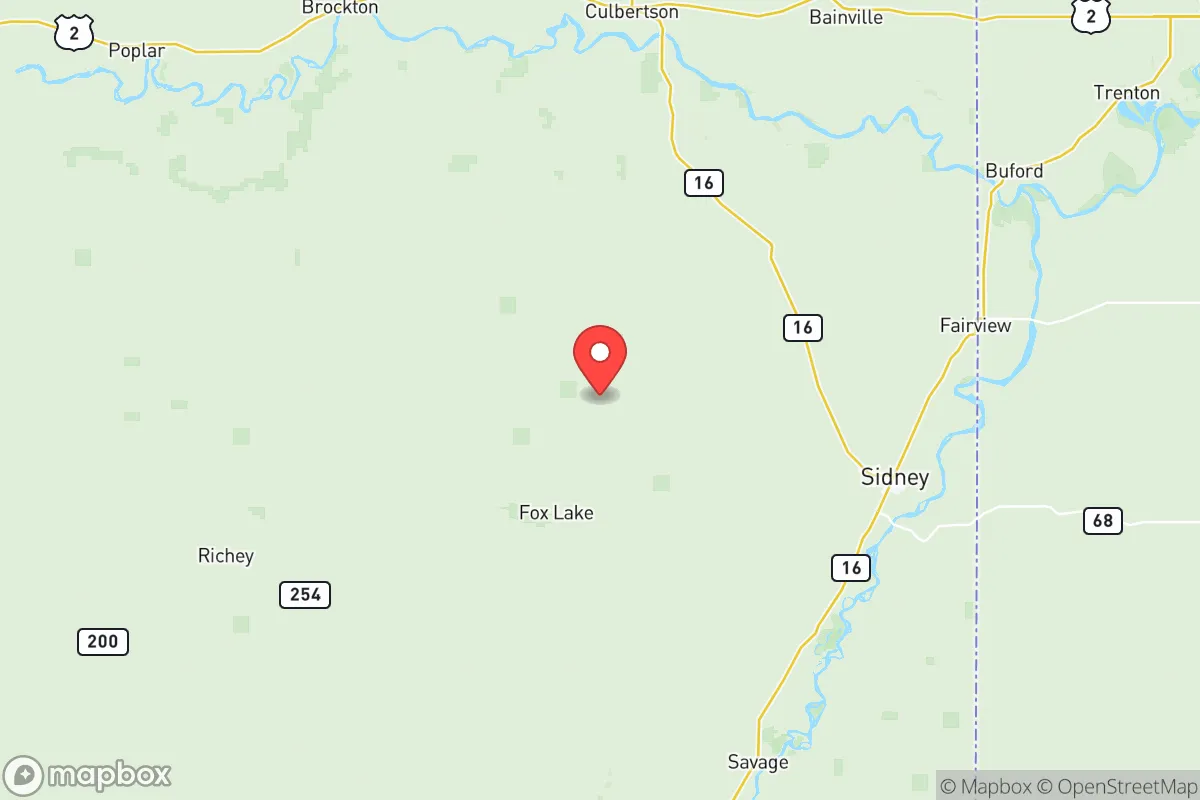
Richland County, Montana, offers a notably high degree of personal sovereignty, grounded in Montana’s strong constitutional protections for individual rights and a light-touch local regulatory environment. The county’s rural character, with its largest population centers in Sidney, Fairview, and Savage, means that residents generally experience fewer restrictions on daily life than in more urbanized parts of the state. For those prioritizing autonomy—whether in financial decisions, self-defense, or lifestyle choices—Richland County presents a landscape where personal responsibility is the default, and government oversight is minimal.
Tax burden and regulatory posture in Richland County
Montana’s tax structure is favorable for those seeking to keep more of their earnings, and Richland County aligns with this state-level posture. There is no state sales tax, which directly benefits residents in Sidney, Fairview, and smaller communities like Richey and Lambert. Property taxes in Richland County are moderate, with the county’s mill levy reflecting its rural infrastructure needs. The state’s income tax is a flat rate of 6.75% for most earners, a straightforward system that avoids the complexity of progressive brackets. Local zoning is minimal outside of Sidney’s city limits; in unincorporated areas, land use regulations are sparse, allowing for greater flexibility in property development. The county’s regulatory posture is best described as permissive, with no county-wide building codes or land-use plans that would impose significant hurdles on homeowners or small businesses. This light-touch approach extends to business licensing, which is straightforward and inexpensive, making Richland County a practical choice for entrepreneurs and self-employed individuals.
Self-defense and gun law specifics in Richland County
Montana is a constitutional carry state, and Richland County fully reflects this. No permit is required to carry a concealed firearm for any law-abiding adult 18 or older. The county sheriff’s office in Sidney issues permits for those who wish to carry in states with reciprocity, but the process is administrative rather than discretionary. There are no county-specific gun restrictions; the legal framework is entirely state-driven, with preemption laws preventing local ordinances that would infringe on firearm rights. Shooting ranges and hunting grounds are abundant, with public lands like the Medicine Lake National Wildlife Refuge and the Missouri River Breaks within a reasonable drive. In towns like Fairview and Savage, gun ownership is nearly universal, and the culture is one of self-reliance in personal protection. The legal environment strongly favors the individual in self-defense cases, with Montana’s “stand your ground” law providing broad immunity from civil and criminal liability for lawful use of force. For a reader prioritizing the right to keep and bear arms without bureaucratic interference, Richland County is among the most accommodating areas in the nation.
Self-reliance and homesteading viability in Richland County
Homesteading and off-grid living are not just possible in Richland County—they are a common lifestyle. The county’s agricultural zoning allows for a wide range of self-sufficient practices. Lot sizes in unincorporated areas can be as small as one acre, but many homesteaders opt for 10- to 40-acre parcels to accommodate livestock, gardens, and water catchment. In the areas around Richey and Lambert, land prices remain affordable, often under $1,000 per acre for raw land. Off-grid feasibility is high: Montana state law does not require connection to municipal water or sewer systems, and private wells and septic systems are standard. Solar energy is practical, with the county receiving over 200 sunny days per year, and net metering is available through local cooperatives like Lower Yellowstone Rural Electric Cooperative. Zoning in Sidney’s city limits is more restrictive, with building permits and setback requirements, but even there, backyard chickens and small gardens are permitted. In Fairview and Savage, the regulatory environment is even more relaxed, with no formal zoning at all. For those seeking to build a self-reliant homestead, Richland County offers a combination of low land costs, minimal regulation, and a supportive community of like-minded individuals.
Personal liberties in Richland County: parental rights, medical autonomy, speech, and property
Montana’s legal framework strongly protects personal liberties, and Richland County residents benefit from these state-level safeguards. Parental rights are robust: Montana law explicitly recognizes the fundamental right of parents to direct the upbringing, education, and healthcare of their children. This includes the ability to opt out of public school curricula and to homeschool without onerous reporting requirements. Medical autonomy is similarly respected, with no state-level vaccine mandates for adults and a legal environment that supports informed consent. The Montana Constitution guarantees the right to privacy, which has been interpreted to protect medical decisions from government interference. Free speech is protected under both the U.S. and Montana constitutions, and there are no local ordinances that restrict expressive activities. Property rights are strong, with Montana’s “right to farm” laws protecting agricultural uses from nuisance lawsuits, a critical protection for those raising livestock or operating small farms in areas like Richey or Lambert. Eminent domain is rarely exercised in the county, and property taxes are predictable. For a reader concerned with maintaining control over family, health, and land, Richland County provides a legal environment that prioritizes individual choice over collective mandates.
Overall, Richland County stands out as a high-sovereignty area even within Montana, which is already one of the most freedom-oriented states in the country. The combination of no sales tax, constitutional carry, minimal zoning, and strong protections for parental and medical autonomy creates an environment where personal responsibility is the norm. Compared to more regulated regions in the Pacific Northwest or the Northeast, Richland County offers a tangible sense of independence that is increasingly rare. For single individuals and families who value the ability to live, work, and defend themselves on their own terms, this county represents a practical and legally supportive choice.

* Values derived from national, state, county, city and local statistics and may differ in a specific area. Last updated: 2026-06-11T18:56:10.000Z
Narrative content on this page is AI-generated and may contain mistakes. Verify any details that matter before acting on them.
ReloMaps may earn a commission from affiliate links at no extra cost to you.

