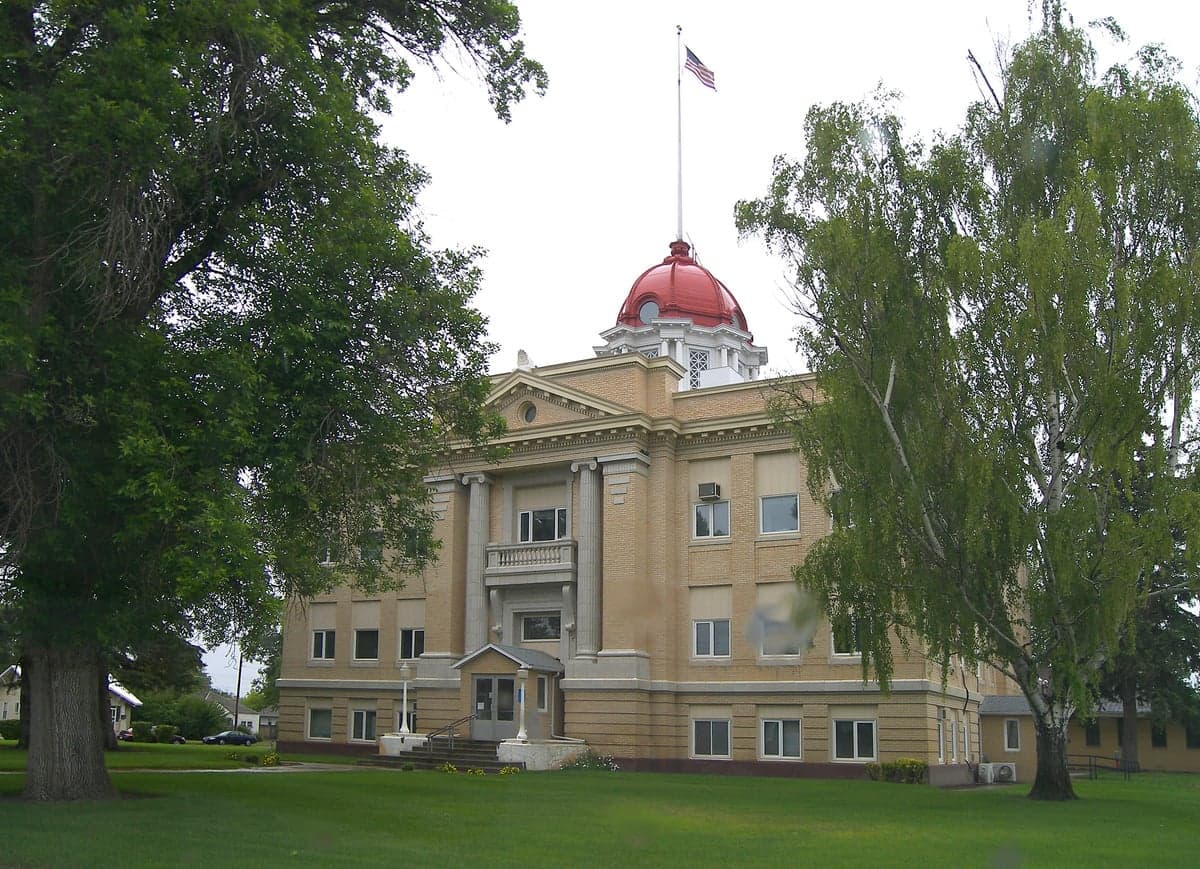
Photo: Wikipedia
Quality of Life in Richland County
A livable area that tracks near national norms for affordability, walkability, and neighborhood health.
What does Quality of Life tell us?
Quality of Life measures an area by evaluating factors like cost of living, nearby amenities, country club access, airport proximity, socioeconomic signals and neighborhood character. For large states, this is a general average — quality of life can vary dramatically between metro areas, suburbs, and rural communities within the same state.
What does this tell us?
Quality of Life measures an area by evaluating factors like cost of living, nearby amenities, country club access, airport proximity, socioeconomic signals and neighborhood character. For large states, this is a general average — quality of life can vary dramatically between metro areas, suburbs, and rural communities within the same state.
Cost of Living
19% below national average
94%
The Real Cost of Living in Richland County for 2026
| Tier | Individual | Family (4) |
|---|---|---|
| Survival | $14k | $26k |
| Comfortable | $50k | $74k |
| Luxury | $125k+ | $193k+ |
| Elite (Top 5%) | $147k+ | $227k+ |
Quality-of-Life Analysis
Richland County, Montana offers a distinct quality-of-life spectrum that ranges from the modest urban amenities of its county seat, Sidney, to the quiet, self-reliant lifestyle of its smaller communities and vast agricultural plains. With a cost of living index of 81—well below the national average of 100—the county attracts a mix of energy-sector workers, farmers, and retirees seeking affordability and space. The character of daily life shifts noticeably depending on whether one lives in the commercial hub of Sidney, the smaller river town of Fairview, or the remote rural pockets that dot the Yellowstone River valley.
Largest town(s) & population centers
Sidney is the county's undisputed population and economic center, home to roughly 6,000 residents. Daily life here revolves around the energy industry—oil and gas extraction drives the local economy—and the town provides the region's primary retail, healthcare, and educational services. Residents have access to a hospital, a public school system, a community college satellite campus, and basic shopping including a Walmart Supercenter. The median home value in the county sits at $259,000, and the median rent is $866, making Sidney one of the more affordable county seats in the western Dakotas region. The average commute across the county is a short 20.5 minutes, reflecting the compact nature of the town and its surrounding areas. Life here is practical and work-oriented, with community events centered on the Richland County Fair and local high school sports.
Smaller towns & rural pockets
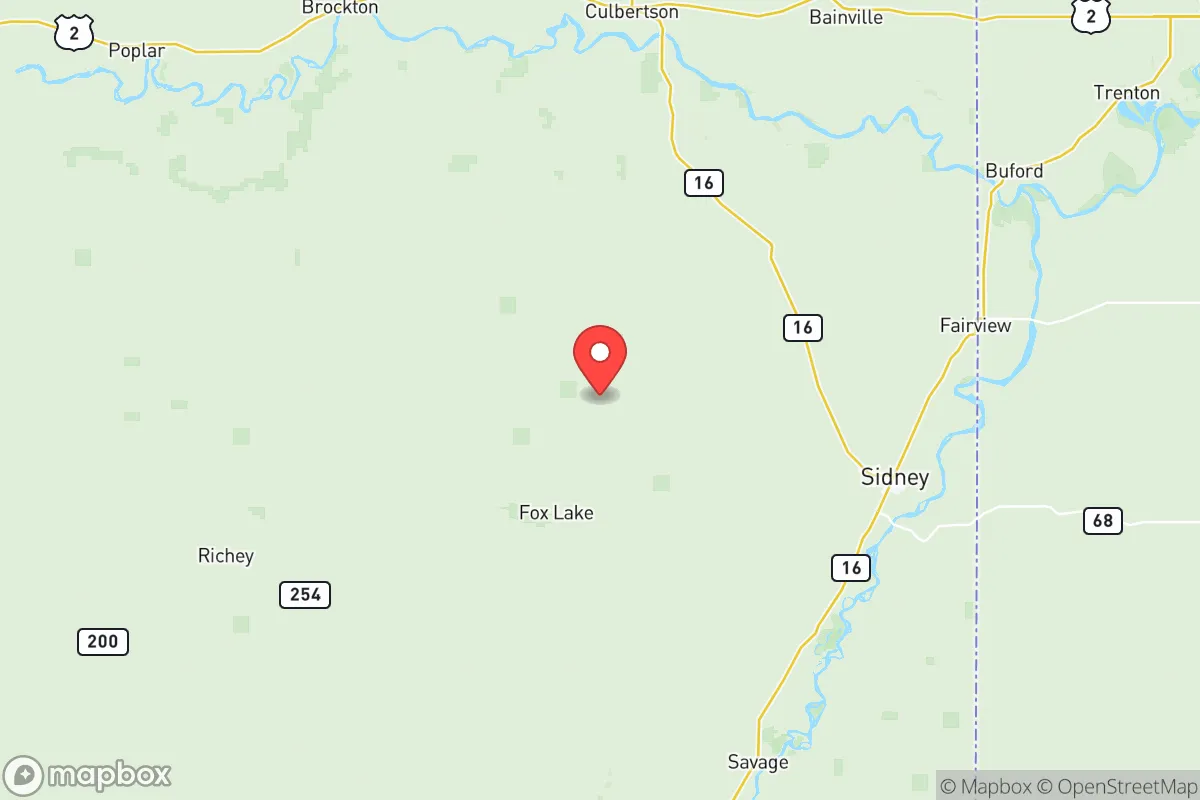
Fairview, located about 12 miles east of Sidney along the Yellowstone River, is the county's second-largest community with roughly 800 residents. It offers a quieter, more traditional small-town atmosphere with a handful of local businesses, a K-12 school, and direct access to fishing and river recreation. Further west, the unincorporated community of Savage (population around 300) sits along Highway 16 and serves as a bedroom community for Sidney workers, with a post office, a grain elevator, and a strong agricultural identity. The rural landscape between these towns is dominated by wheat fields, cattle ranches, and oil well pads. Residents in these pockets often rely on Sidney for major shopping and medical care, but enjoy significantly lower property taxes and greater privacy. The county's eastern edge, near the North Dakota border, includes scattered farmsteads and the ghost town of Fox Lake, where only a handful of families remain.
Cost & lifestyle range
The cost of living varies modestly across Richland County, but the trade-offs between convenience and space are clear. At the higher end of the spectrum, Sidney offers the most amenities—restaurants, a grocery store, a clinic, and rental options—with the median rent of $866 reflecting the town's relative density. Homes in Sidney's newer subdivisions near the golf course or hospital can approach $350,000, still well below national averages. At the lower end, rural properties in areas like Richey (a tiny town in the county's far west) or along gravel roads south of Fairview can be found for under $150,000, though these often require well water, septic systems, and a 30-minute drive to the nearest grocery store. The county's overall cost of living index of 81 means a family earning the median Montana income can afford a home here comfortably, but the trade-off is limited entertainment options and a heavy reliance on personal vehicles. For those working in the oil fields, the short commute and low housing costs are a major draw; for retirees seeking solitude, the remote rural parcels offer unmatched quiet at a fraction of national prices.
Richland County is best suited for individuals and families who prioritize affordability, short commutes, and a grounded, resourceful lifestyle over urban amenities and cultural diversity. Energy workers, agricultural families, and those seeking a low-cost retirement in a quiet, open landscape will find the county's range of options—from Sidney's modest convenience to Fairview's riverfront calm to the deep quiet of the rural plains—a practical and financially sensible fit. The county's character is defined not by luxury but by resilience, community ties, and the vast Montana sky.

Crime in Richland County
Generally safer than 57% of comparable U.S. locations.
Violent CrimeViolent Crime Analysis
Property CrimeProperty Crime Analysis
Crime Analysis
Richland County, Montana, presents a mixed safety picture where property crime rates significantly exceed national averages while violent crime remains closer to state norms. The county's 2023 violent crime rate of 419.5 per 100,000 residents and property crime rate of 1,462.1 per 100,000 place it above the Montana state averages of 379 and 1,210, respectively, but below the highest-crime counties in the state. Residents in the county seat of Sidney and smaller communities like Fairview and Savage experience these crime patterns differently, with property offenses—particularly theft and burglary—being the most common public safety concern.
Crime in context
Richland County's violent crime rate of 419.5 per 100,000 is roughly 20% higher than the Montana state average of 379 but remains below the national rate of 380 per 100,000. The property crime rate of 1,462.1 per 100,000 is 21% above the state average of 1,210 and notably higher than the national property crime rate of 1,954. Aggravated assault accounts for the majority of violent incidents, while robbery and homicide remain rare. Property crime is dominated by larceny-theft, with motor vehicle theft and burglary occurring at lower frequencies. Compared to neighboring counties like Dawson County (Glendive) and Roosevelt County (Wolf Point), Richland County's property crime rate is elevated, likely reflecting its role as a regional economic hub with more commercial activity and transient populations tied to the oil and gas industry.
What residents experience
For residents of Sidney—the county's largest town with roughly 6,000 people—property crime is the most tangible safety issue. Break-ins of vehicles and storage sheds are common, particularly in areas near the main highway corridors and rental-heavy neighborhoods serving oil field workers. The towns of Fairview and Savage, each with populations under 1,000, report fewer incidents overall but still experience periodic thefts from farms and outbuildings. Violent crime is concentrated in Sidney's downtown and near the industrial zones along the Yellowstone River, with most incidents involving disputes among known individuals rather than random attacks. The Richland County Sheriff's Office and Sidney Police Department maintain a visible presence, but staffing levels are stretched across the county's 2,084 square miles, meaning response times in outlying areas can exceed 20 minutes. The county's judicial system, operating under the Seventh Judicial District in Sidney, handles cases with a generally conservative approach—sentencing for repeat property offenders often includes jail time, though first-time drug-related thefts may result in diversion programs.
Neighborhood-level variation
Safety varies noticeably across Richland County's communities. Sidney's newer subdivisions on the west side of town, such as those near the golf course and hospital, report lower crime rates than older neighborhoods near the railroad tracks and the industrial park. The unincorporated areas of Lambert and Crane, with populations under 200, see almost no violent crime but occasional thefts of agricultural equipment and fuel. Fairview, located 20 miles east of Sidney near the North Dakota border, benefits from a tight-knit community where most residents know their neighbors, reducing opportunities for property crime. Savage, 15 miles west of Sidney, has a similar dynamic but faces higher rates of vandalism and trespassing linked to its proximity to oil field traffic on Highway 200. For prospective residents, the safest housing choices are typically in Sidney's newer residential developments or in the smaller towns of Fairview and Savage, where community watch programs and rural isolation naturally deter crime. The county's overall safety profile is acceptable for most families, though property owners should invest in good lighting, secure storage, and neighborhood communication to mitigate the elevated theft risk.
* Values derived from national, state, county, city and local statistics and may differ in a specific area. Last updated: 2026-06-11T18:56:10.000Z
Narrative content on this page is AI-generated and may contain mistakes. Verify any details that matter before acting on them.
ReloMaps may earn a commission from affiliate links at no extra cost to you.

