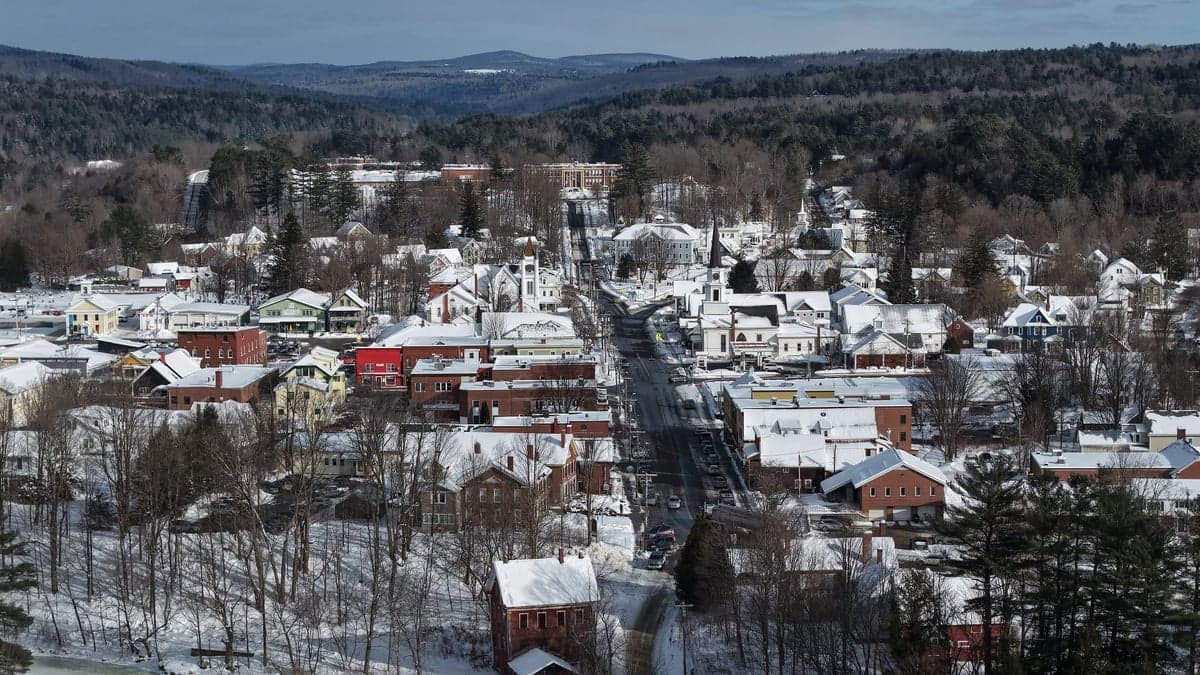
Photo: Wikipedia
Political ClimatePolitical Climate in Morrisville, VT
District shown is the primary district for this city’s centroid. Cities may span multiple districts.
Inherited from parent state — no local data available.
Local Political AnalysisPolitical Analysis of Morrisville, VT
Morrisville, Vermont, leans heavily Democratic, with a Cook PVI of D+17, meaning the area votes about 17 points more Democratic than the national average. That’s a stark shift from what I remember growing up here, when folks voted for the person, not the party, and local issues like keeping taxes low and roads plowed mattered more than national headlines. Now, the political trajectory feels like it’s been pulled hard left over the last decade, especially since the pandemic brought in a wave of out-of-staters from places like New York and Boston. If you’re looking for a place where your voice on personal freedoms—like property rights or school choice—still carries weight, you’ll want to pay close attention to how things have changed.
How it compares
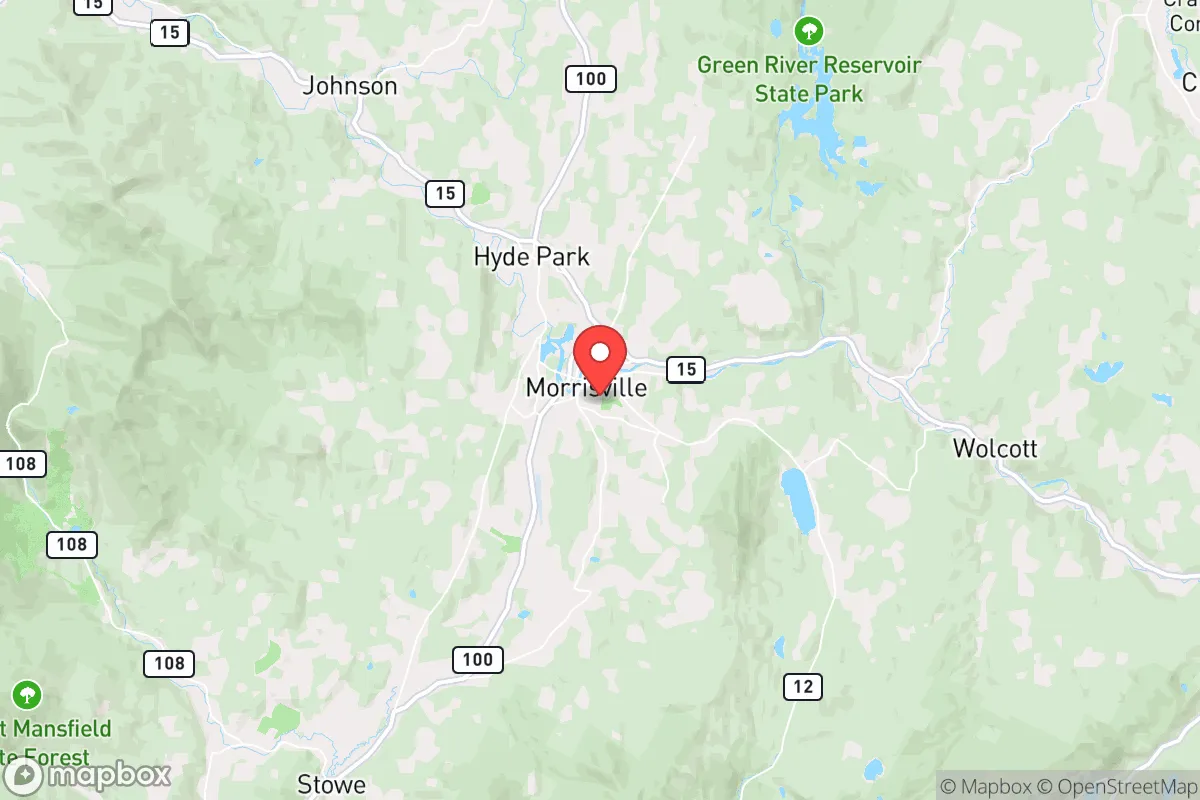
Morrisville sits in Lamoille County, which is a bit of a political island compared to its neighbors. Head south to Stowe, and you’ll find an even more progressive, tourist-driven vibe, with D+20 or higher margins in recent elections. But drive north or west to towns like Hyde Park or Johnson, and you’ll see a more mixed picture—still blue, but with a stronger independent streak and more folks who’ll tell you they’re tired of Montpelier’s one-size-fits-all mandates. The real contrast is with places like Hardwick or Craftsbury to the east, where conservative values and Second Amendment support are still common dinner-table topics. In Morrisville, the local government has increasingly aligned with state-level policies—like strict land-use regulations and vaccine mandates for school staff—that feel like overreach to many of us who’ve lived here for decades. The D+17 number doesn’t capture the frustration of watching town meetings get dominated by newcomers pushing zoning changes that limit what you can do on your own property.
What this means for residents
For daily life, this political tilt means you’ll see more government involvement in things that used to be left to families and small businesses. Property taxes have climbed steadily, partly to fund expanded social programs and school budgets that pass easily in a D+17 environment, even when local economic growth is modest. If you run a small construction or logging operation, you’ve likely butted heads with new environmental rules that feel less about conservation and more about control. On the plus side, the community still has a strong volunteer fire department and a sense of neighborliness that transcends politics—most folks will still help you dig out your car in a blizzard. But the long-term trend is concerning: as the political climate shifts further left, expect more pressure on personal choices, from homeschooling to how you heat your home. The near future looks like more of the same, with state-level policies on energy and education tightening, and local resistance getting quieter as older residents move out or pass on.
Culturally, Morrisville has a few distinctions that set it apart from the rest of Lamoille County. The town still hosts the annual Lamoille County Field Days, a traditional agricultural fair that feels like a throwback to a more independent Vermont. But even there, you’ll notice more booths pushing climate activism and fewer old-timers talking about hunting and trapping. The local school board has debated critical race theory and gender identity policies, which has divided the community in ways I never saw 20 years ago. If you value a place where government stays out of your backyard and your business, Morrisville’s political climate is a warning sign—not a disaster yet, but trending in a direction that should give any freedom-minded person pause.

State Political ClimatePolitical Climate in Vermont
State Political AnalysisPolitical Environment in the State
Vermont has long been a blue state, but its political climate is far more complex than a simple partisan label suggests. The state has shifted from a moderate, fiscally conservative Republican tradition to a solidly Democratic stronghold over the past 20 years, driven by an influx of out-of-state transplants and a powerful progressive movement centered in Burlington. While the state legislature and governor’s office are now firmly in Democratic control, the real story is the growing tension between the rural, libertarian-leaning towns and the increasingly progressive urban corridors, a divide that is reshaping the state’s identity and policy direction.
Urban vs. rural divide
The political map of Vermont is a study in contrasts. The state’s most populous county, Chittenden County, which includes Burlington, South Burlington, and Winooski, is the engine of the state’s progressive politics. These areas consistently vote 70-80% Democratic, and they drive the legislative agenda on everything from gun control to environmental regulation. In contrast, the rural Northeast Kingdom—counties like Essex, Orleans, and Caledonia—remains a bastion of conservative and libertarian sentiment. Towns like Newport and St. Johnsbury often vote Republican by double digits, but their populations are too small to counterbalance the urban vote. A notable exception is the town of Rutland, which has a more moderate, working-class character and has occasionally elected Republican mayors, but even there, the state-level trend is blue. The divide is not just about party; it’s about culture. In the rural towns, you’ll find a fierce independence and a distrust of Montpelier’s mandates, while the urban centers embrace a more collectivist, government-as-solution mindset.
Policy environment
Vermont’s policy environment is a mixed bag for a conservative-leaning resident. The state has one of the highest tax burdens in the nation, with a progressive income tax that tops out at 8.75% and property taxes that are among the highest per capita. This funds a robust social safety net and a well-regarded public school system, but it also means that the state is notoriously unfriendly to small business owners and high earners. The regulatory posture is heavy, particularly around land use and environmental permitting, which can make building a home or starting a business a years-long ordeal. On education, Vermont has a universal school choice system that allows students to attend public schools outside their district, but it has also seen a push for progressive curricula, including the controversial "Act 1" which mandates ethnic studies and social equity standards. Healthcare is dominated by the state’s single-payer-like system, which has driven up costs and limited provider choice. Election laws are among the most liberal in the country, with automatic voter registration, same-day registration, and universal mail-in ballots, which has led to concerns about election integrity among conservatives, though no major scandals have been proven.
Trajectory & freedom
The trajectory of personal freedom in Vermont is concerning for those who value limited government. The state has been a leader in expanding government control over individual choices. The most glaring example is gun rights: in 2018, Vermont passed Act 95, which banned magazines over 10 rounds, raised the purchase age to 21, and instituted universal background checks, effectively ending the state’s long history of permissive gun laws. More recently, the legislature passed a "red flag" law that allows for the temporary seizure of firearms without a criminal conviction. On medical autonomy, Vermont was an early adopter of assisted suicide and has some of the most permissive vaccine mandates in the country, including a strict school immunization law that allows no philosophical exemptions. Parental rights have been eroded by laws like Act 1, which requires schools to adopt policies that affirm a student’s "gender identity" without parental notification. Property rights are under constant threat from the state’s aggressive land-use regulations and a recent push for a "land value tax" that would penalize undeveloped land. The state’s tax structure is also a freedom issue: the income tax is progressive and high, and there is no right-to-work law, meaning union dues can be mandatory in many workplaces.
Civil unrest & political movements
Vermont has seen its share of political activism, but it’s generally more subdued than in larger states. The most visible flashpoint in recent years was the 2020 Black Lives Matter protests in Burlington, which led to the toppling of a statue of a Union soldier and calls to defund the police. The city council did cut the police budget by 10% in 2021, though it was later partially restored. On the right, the "Green Mountain Patriots" and other Second Amendment groups have held rallies at the statehouse, but they are a minority voice. The state’s sanctuary policy is a major point of contention: Vermont is a "sanctuary state" for illegal immigrants, with a 2017 law that prohibits state and local law enforcement from cooperating with federal immigration authorities. This has led to tensions in border towns like Derby, where illegal crossings from Canada have increased. Election integrity remains a hot-button issue, with conservatives pointing to the state’s universal mail-in voting system as ripe for fraud, though no widespread issues have been documented. The most organized political movement is the Vermont Progressive Party, which holds seats in the legislature and pushes for policies like a single-payer healthcare system and a state-owned bank.
Projection
Over the next 5-10 years, Vermont is likely to become even more progressive. The demographic trend is clear: the state’s population is aging and declining, with young people leaving for better economic opportunities. The people moving in are overwhelmingly from out-of-state, often from more expensive parts of the Northeast, and they tend to be wealthier, more educated, and more liberal. This is driving a housing crisis in places like Burlington and Stowe, where prices have skyrocketed, pushing working-class families out. The rural towns are losing population and political power, meaning the urban-progressive agenda will continue to dominate. Expect more gun control, higher taxes, and further erosion of parental rights. The only wild card is a potential economic downturn, which could expose the unsustainability of the state’s high-tax, high-spend model. A new resident moving in now should expect to find a state that is increasingly hostile to traditional values and individual liberty, with a government that is comfortable telling you what you can do with your property, your body, and your children.
Bottom line for a new resident: If you value low taxes, gun rights, parental control over education, and a government that stays out of your life, Vermont is a tough sell. The natural beauty and small-town charm are real, but they come with a heavy price tag and a growing list of mandates. You’ll find like-minded people in the rural towns, but you’ll be fighting an uphill battle against a state government that is increasingly out of touch with your values. If you’re considering a move, look closely at towns like Newport or St. Johnsbury, but be prepared for a long-term cultural and political struggle.
* Values derived from national, state, county, city and local statistics and may differ in a specific area. Last updated: 2026-04-23T11:42:46.000Z
Narrative content on this page is AI-generated and may contain mistakes. Verify any details that matter before acting on them.
ReloMaps may earn a commission from affiliate links at no extra cost to you.

