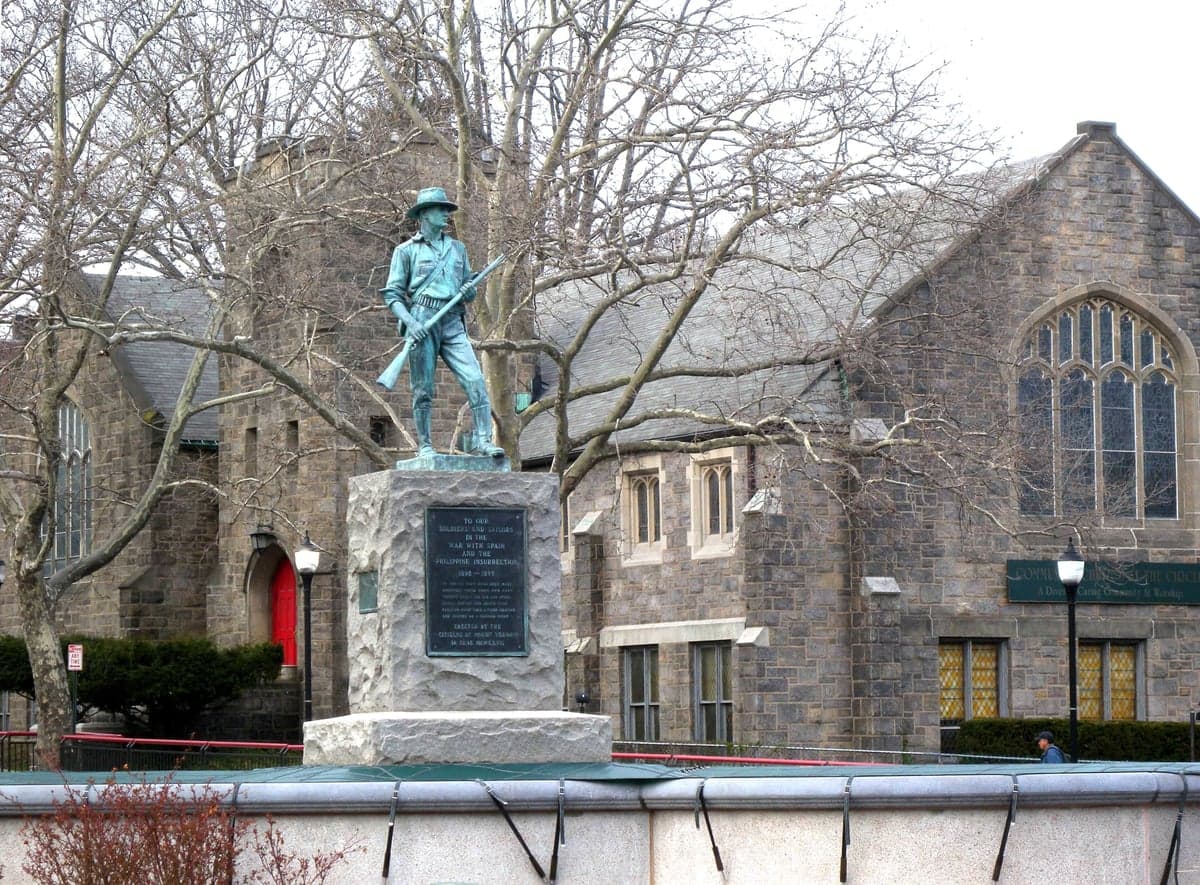
Photo: Wikipedia
Quality of Life in Mount Vernon, NY
A high quality of life with strong walkability, manageable living costs, healthy neighborhood signals, and solid amenity access.
What does Quality of Life tell us?
Quality of Life blends cost of living, nearby amenities, socioeconomic signals, and neighborhood character. City-level scores represent the whole municipality; individual neighborhoods can differ.
What does this tell us?
Quality of Life blends cost of living, nearby amenities, socioeconomic signals, and neighborhood character. City-level scores represent the whole municipality; individual neighborhoods can differ.
Cost of Living
44% above national average
The Real Cost of Living in Mount Vernon, NY for 2026
| Tier | Individual | Family (4) |
|---|---|---|
| Survival | $25k | $46k |
| Comfortable | $87k | $128k |
| Luxury | $139k+ | $216k+ |
| Elite (Top 5%) | $170k+ | $263k+ |
60%
The Area Signal
A metric tracking the socioeconomic signals of the area.
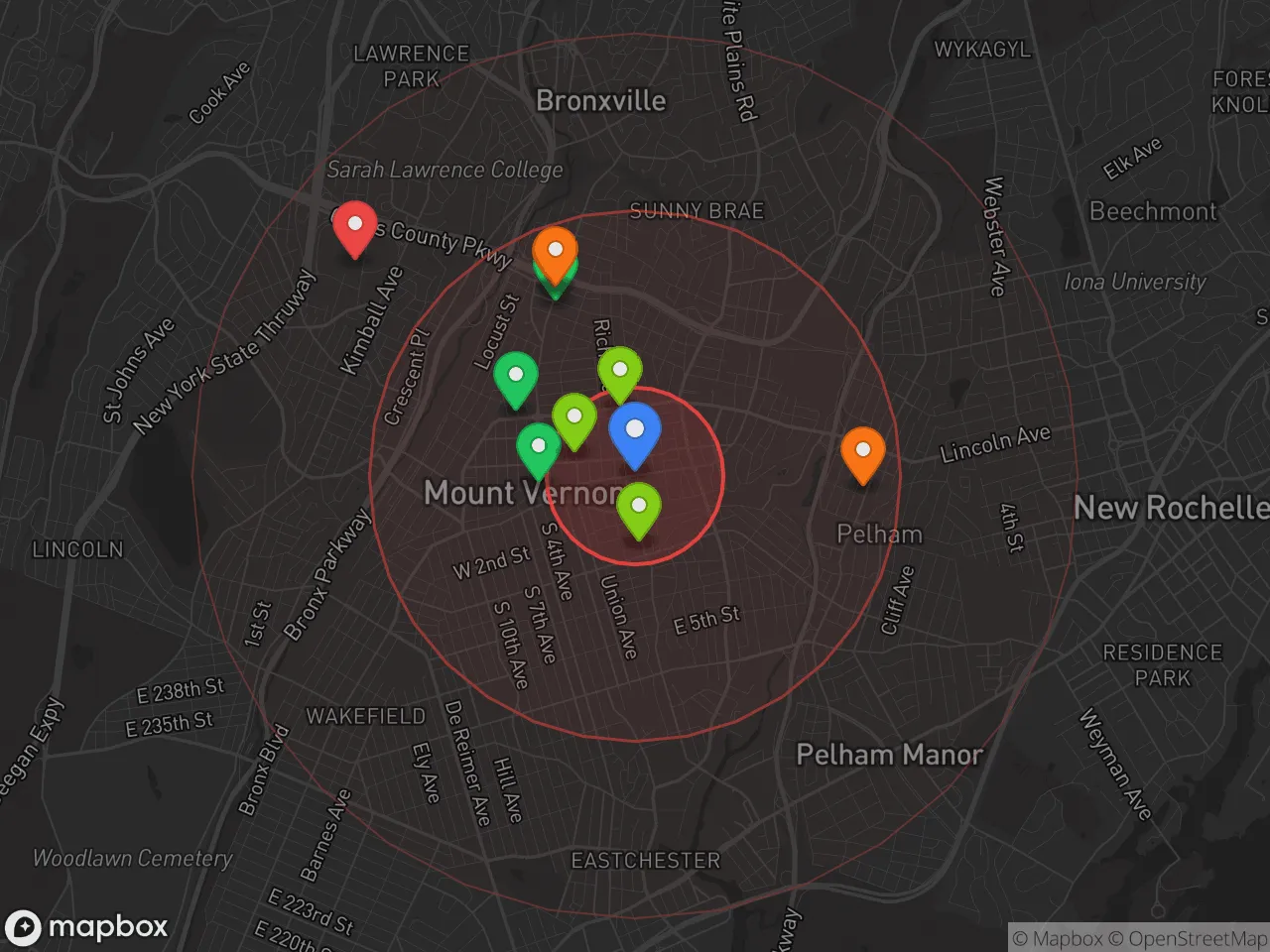
Hobbies
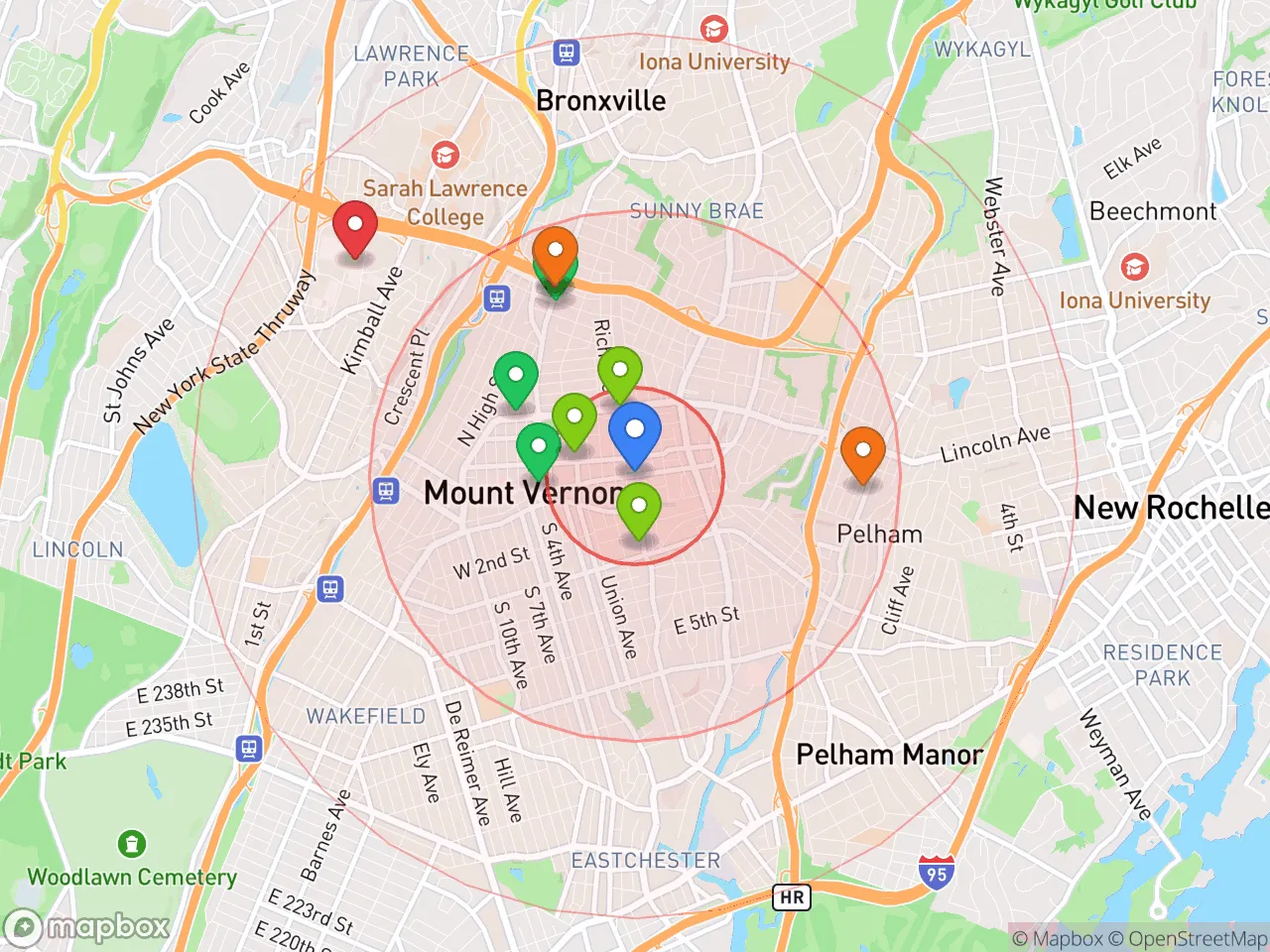
Explore the areaGroceries
7 within 10 miles
Gas
20 within 10 miles
Hospital
20 within 20 miles
Airport
JFK — John F. Kennedy International
Post Office
USPS — Mount Vernon, NY
Critical Amenities
Quality-of-Life Analysis
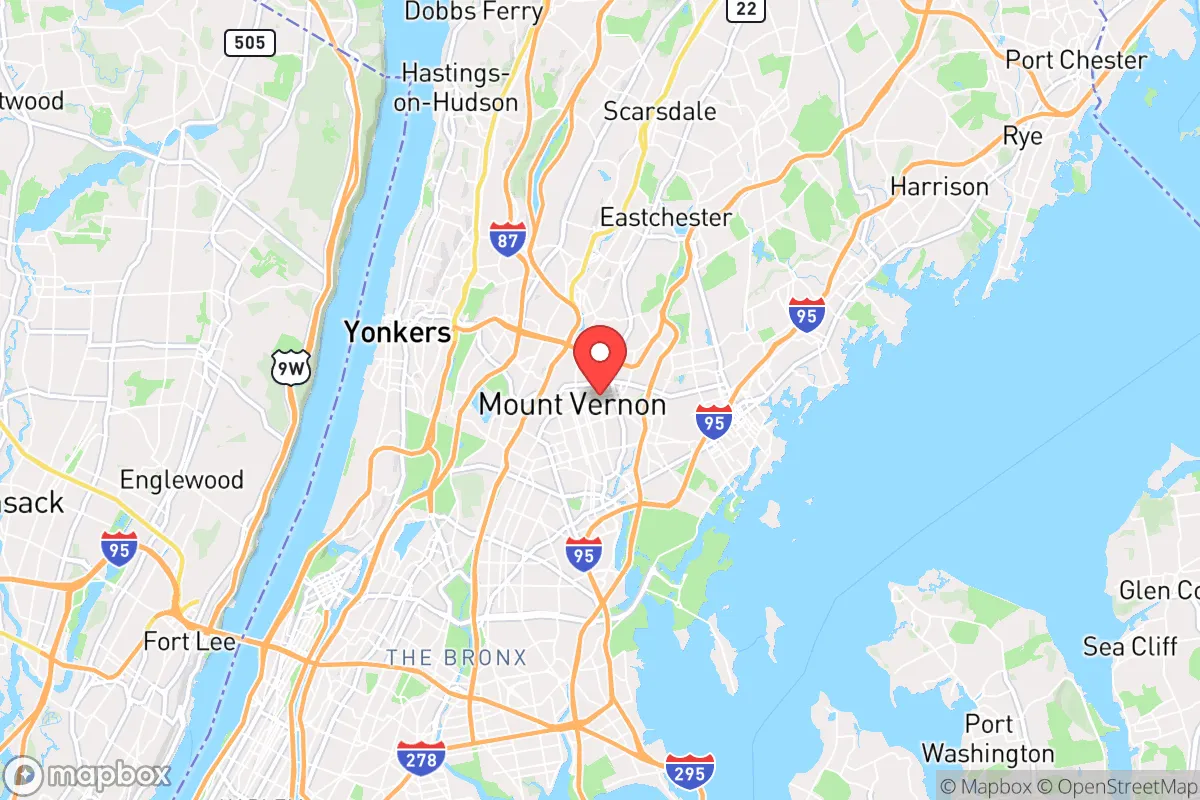
Mount Vernon, New York, presents a distinctive quality-of-life profile as a densely settled, majority-minority inner suburb of New York City, where a cost-of-living index of 144 (44% above the U.S. average) reflects its proximity to Manhattan rather than the affluence of its own residents. The city is home to a mix of long-standing working- and middle-class families, many of whom are Black or Hispanic, alongside a growing number of professionals drawn by its Metro-North commute and historic housing stock. While Mount Vernon is not a wealthy enclave like neighboring Scarsdale or Bronxville, it offers a more accessible entry point to Westchester County for those who prioritize urban connectivity over suburban exclusivity.
Cost of living, housing affordability, and how Mount Vernon compares to nearby suburbs
Mount Vernon’s cost of living is significantly higher than the national norm, driven primarily by housing and taxes, yet it remains one of the more affordable options in southern Westchester County. The median home value sits at $449,600, which is roughly half the median in Scarsdale and about 30% less than in New Rochelle, making it a relative bargain for buyers seeking a single-family home within 30 minutes of Midtown. Median rent of $1,546 is notably lower than the Westchester County median of roughly $2,200, though it still exceeds the national average by a wide margin. Property taxes in Mount Vernon are high—typical for New York State—but the city’s tax rate is lower than in many neighboring communities, partly because it has a larger commercial and multi-family tax base. For renters and first-time buyers, the trade-off is clear: you pay a premium for proximity to the city, but you get substantially more square footage and lower monthly costs than in comparable Bronx neighborhoods like Riverdale or Wakefield.
Daily life, local amenities, and what families should know about schools and transit
Daily life in Mount Vernon revolves around its walkable neighborhoods, a modest downtown core along Gramatan Avenue and Fourth Avenue, and the ever-present hum of Metro-North trains. The average commute time of 36.4 minutes is typical for a New York suburb, with direct express trains reaching Grand Central in about 30 minutes from the Mount Vernon East station. The Mount Vernon City School District serves roughly 8,000 students and has faced chronic challenges with funding and performance; many families opt for parochial or private schools, or participate in the district’s magnet and gifted programs. For recreation, residents rely on Hartley Park, Wilson Woods Park, and the nearby Hutchinson River Parkway for green space, while the city’s proximity to the Bronx means easy access to the Bronx Zoo, the New York Botanical Garden, and Pelham Bay Park. Grocery shopping is served by a mix of national chains and local bodegas, and the city has a robust network of community centers and houses of worship that anchor social life.
Mount Vernon is best suited for commuters who need fast, frequent rail access to Manhattan and are willing to accept a higher cost of living in exchange for a shorter commute than outer-borough or Long Island alternatives. It also appeals to families who value a diverse, urban-suburban environment and are prepared to navigate a school district with uneven outcomes, often supplementing with private or charter options. Retirees on fixed incomes may find the property tax burden challenging, while young professionals and dual-income households often thrive here because the commute savings offset the higher rent or mortgage. For anyone seeking a quiet, low-density suburb with top-tier public schools, Mount Vernon will feel too dense and under-resourced; but for those who want an affordable foothold in Westchester with a real city pulse, it remains a pragmatic and culturally rich choice.

Crime in Mount Vernon, NY
Generally safer than 60% of comparable U.S. locations.
Violent CrimeViolent Crime Analysis
Property CrimeProperty Crime Analysis
Crime Analysis
Mount Vernon, New York, presents a mixed safety profile for potential residents. The city’s violent crime rate of 337.9 incidents per 100,000 residents and property crime rate of 1,002.6 per 100,000 place it above the national average for cities of its size. As a densely populated inner suburb of New York City, Mount Vernon’s crime statistics reflect the challenges common to older, transit-oriented communities in the metropolitan area, where proximity to urban centers can bring both economic opportunity and elevated crime risks.
Crime in context
Mount Vernon’s violent crime rate is roughly 1.5 times the national average for all U.S. cities, while its property crime rate is slightly below the national median for similar-sized municipalities. Compared to New York State averages, the city reports higher violent crime—the state rate is approximately 380 per 100,000—but property crime is notably lower than the state figure of about 1,200 per 100,000. However, these comparisons can be misleading. Westchester County as a whole enjoys relatively low crime, but Mount Vernon’s numbers are elevated within the county, trailing only Yonkers and New Rochelle in total incidents. The city’s location along the Metro-North Railroad line and its dense, walkable neighborhoods contribute to a higher incidence of street-level theft and robbery than in more suburban parts of the county.
What residents experience
Residents report that property crime—particularly larceny from vehicles, package theft, and burglary—is the most common safety concern in daily life. The city’s 1,002.6 property crime rate translates to roughly 2.7 incidents per day across the city’s 4.2 square miles. Violent crime, while less frequent, includes aggravated assault and robbery, with homicides occurring sporadically—typically 3 to 6 per year in a city of 70,000. A significant factor influencing these trends is the criminal justice philosophy in Westchester County. The county’s district attorney and many local judges are elected on progressive platforms that emphasize alternatives to incarceration, bail reform, and reduced sentencing for non-violent offenders. Critics argue this approach leads to faster rearrest rates for repeat offenders and a perception that property crimes carry minimal consequences, emboldening thieves and contributing to the city’s elevated crime numbers. Residents often express frustration that quality-of-life offenses and low-level thefts are deprioritized, creating an environment where crime feels normalized.
Neighborhood-level variation is significant. The south side of Mount Vernon, particularly areas near the Fleetwood and Vernon Avenue stations, experiences higher rates of both violent and property crime. The north end, bordering Pelham and New Rochelle, is generally quieter, with lower incident counts and more active block associations. The downtown corridor along Gramatan Avenue and South 3rd Avenue sees concentrated theft and occasional robberies, especially near commercial strips and the train station. For those considering a move, blocks west of Columbus Avenue and north of East Lincoln Avenue tend to report the fewest incidents, though no neighborhood is immune to the city’s broader crime trends.
* Values derived from national, state, county, city and local statistics and may differ in a specific area. Last updated: 2026-05-01T10:49:39.000Z
Narrative content on this page is AI-generated and may contain mistakes. Verify any details that matter before acting on them.
ReloMaps may earn a commission from affiliate links at no extra cost to you.

