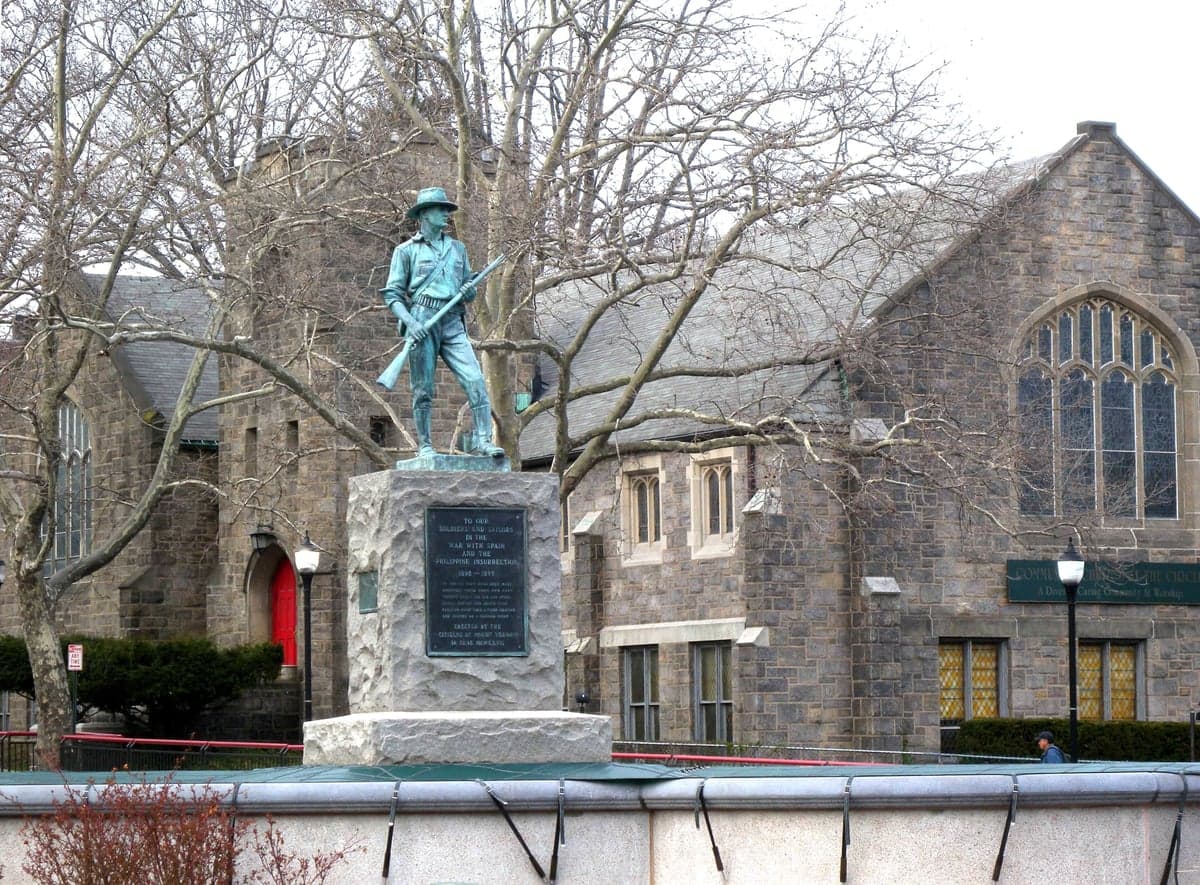
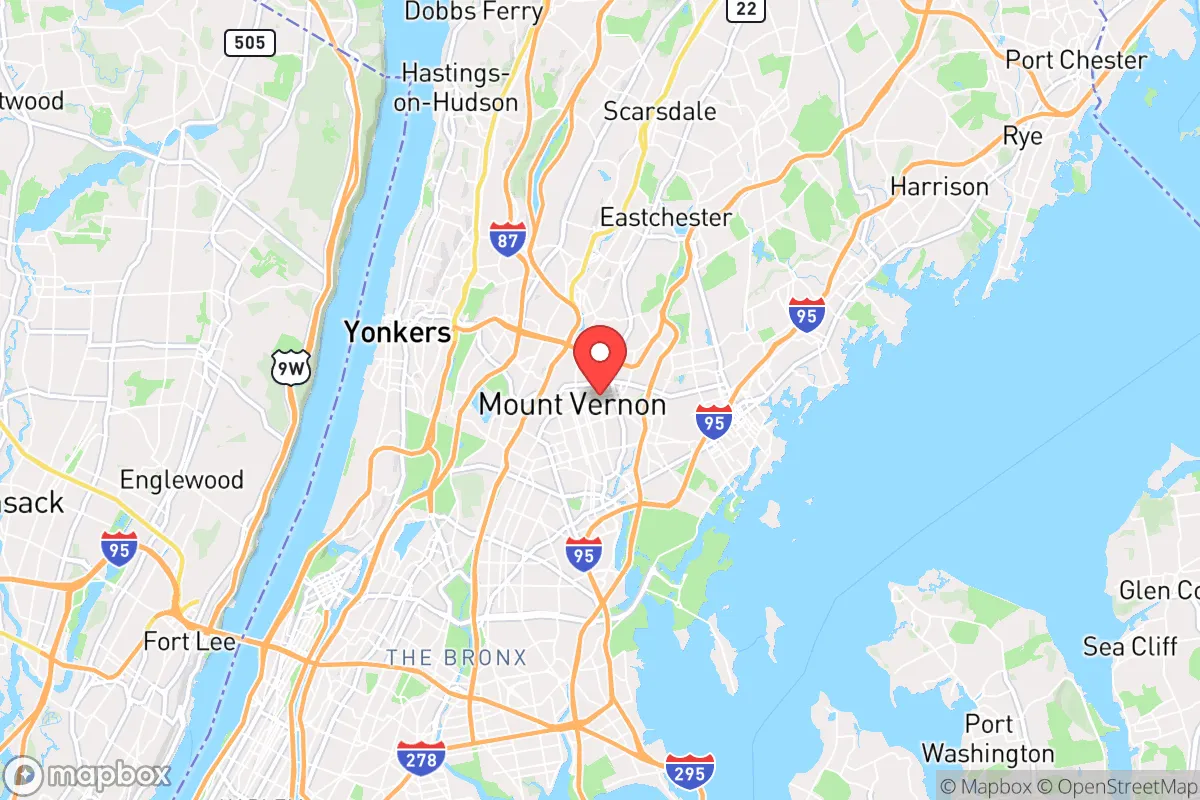
Photo: Wikipedia
Find The Best Places To Live
in Mount Vernon
PRO TIP! You can paste a Zillow or Redfin link to get info on that property.
What It's Like Living in Mount Vernon, NY
Mount Vernon, New York, has a reputation that precedes it—often described as a city of hills, history, and hustle, it’s the kind of place where you can grab a slice of pizza at a corner joint and overhear conversations about the Yankees, local school board meetings, and the best route to Manhattan. With roughly 72,500 residents packed into just over four square miles, it’s dense, diverse, and unapologetically real. Living here means trading suburban sprawl for a walkable, transit-connected community where your neighbors know your name—and your business.
The Daily Rhythm: Commutes, Coffee, and Corner Stores
For most residents, the day starts early. The average commute clocks in at about 36 minutes—longer than the national average, but that’s the trade-off for having the Metro-North Railroad’s Mount Vernon East station a short walk from many homes. You’ll see people in suits and scrubs heading to Grand Central in under 30 minutes, while others drive to nearby jobs in White Plains or New Rochelle. The city’s layout is a mix of pre-war apartment buildings, attached brick homes, and a few stately Victorians, especially around the Fleetwood neighborhood. Grocery shopping means a trip to the local Key Food or a quick drive to the ShopRite in New Rochelle, but many residents rely on bodegas and delis for daily essentials. Weekends often involve a visit to the Mount Vernon Farmers Market at City Hall (seasonal, but well-loved) or a walk through Hartley Park, where kids play soccer and adults jog the loop.
Who Fits In: Families, Commuters, and the Proudly Local
Mount Vernon attracts a mix of young professionals who want city access without Manhattan rent, and established families who’ve been here for generations. The median age is 41.9, which skews older than many suburbs, but you’ll still see plenty of strollers on the sidewalks. About 35% of adults hold a college degree—lower than some nearby suburbs like Scarsdale, but the median household income of $77,171 reflects a solid middle-class base. This isn’t a place for people seeking luxury amenities or gated communities; it’s for those who value proximity to the city, a strong sense of local identity, and a home they can actually afford (the median home value is $449,600, which is steep for the national average but a bargain compared to Westchester County’s pricier towns). The cost of living index sits at 144—meaning you’ll pay more for groceries and utilities, but you’re getting a 30-minute commute to Midtown in return.
Sports, Entertainment, and What People Actually Do
Sports culture here is real but not overwhelming. High school football at Mount Vernon High School—the Knights—draws decent crowds, especially for rivalry games against New Rochelle. You won’t find a pro team in town, but Yankees and Giants fans are everywhere, and local bars like Ralph’s Famous Italian Ices & Ice Cream (a Mount Vernon institution since 1928) are packed on game days. For entertainment, the Mount Vernon Public Library hosts author talks and community events, while the Mount Vernon City Hall often doubles as a venue for concerts and holiday celebrations. The big annual event is the Mount Vernon Summer Concert Series at Hartley Park, where locals bring lawn chairs and coolers. For nightlife, you’re better off heading to New Rochelle’s bars or hopping the train to Manhattan—Mount Vernon’s own scene is limited to a few sports bars and pizzerias. Outdoor lovers hit Willson’s Woods Park for its pool and picnic areas, or drive 15 minutes to the Bronx River Parkway for longer trails.
Pros and Cons of Living Here: The Honest Breakdown
Longtime residents will tell you they love the convenience and community, but they’ll also vent about the frustrations. Here’s the real picture:
- Pro: Transit access. Two Metro-North stations (Mount Vernon East and West) plus the Bee-Line bus system mean you can live without a car if you work in the city.
- Pro: Affordable housing for Westchester. A median home value of $449,600 is roughly half of what you’d pay in nearby Bronxville or Scarsdale.
- Con: Crime concerns. The violent crime rate is 337.9 per 100,000—higher than the national average of about 380, but lower than many urban cores. Property crime is the bigger headache; residents talk about package theft and car break-ins.
- Con: School system struggles. Mount Vernon City School District has faced funding and performance challenges, which pushes some families to private schools or to move to neighboring districts. Schools are a frequent topic at local coffee shops.
- Pro: Real diversity. The city is roughly 60% Black, 25% Hispanic, and 10% white—a mix that shows up in the food, the festivals, and the conversations.
- Con: Traffic and parking. The narrow, hilly streets get congested, especially near the train stations. Finding a parking spot near your apartment can be a nightly ordeal.
Weather follows the typical Northeast rhythm: hot, humid summers (July highs around 85°F) and cold, snowy winters (January lows near 20°F). Spring and fall are glorious but short. The city’s hills mean you’ll get good views—and good exercise—but also some tricky driving in icy conditions.
Cultural Quirks and Local Identity
Mount Vernon has a distinct identity as a self-contained city within Westchester. It’s not a bedroom community; it has its own downtown, its own history (it was home to abolitionist John Brown and later to Art Carney), and its own pride. You’ll hear people say “I’m from Mount Vernon” with a certain weight—it’s a place that’s weathered economic ups and downs and still holds onto its character. One quirk: the city is divided into “the Hill” (the more affluent, hilly western side near Fleetwood) and “the Valley” (the flatter, denser eastern side near the Bronx border), and locals will casually reference which side they’re from. The annual Mount Vernon Day festival in September is a genuine community gathering, with food trucks, live music, and a parade. If you’re looking for a place with a pulse, where you can know your neighbors and still get to Times Square in 40 minutes, Mount Vernon delivers—but it demands that you show up, lock your car, and get involved.

Similar small cities to Mount Vernon
* Values derived from national, state, county, city and local statistics and may differ in a specific area. Last updated: 2026-05-01T10:49:39.000Z
Narrative content on this page is AI-generated and may contain mistakes. Verify any details that matter before acting on them.
ReloMaps may earn a commission from affiliate links at no extra cost to you.

