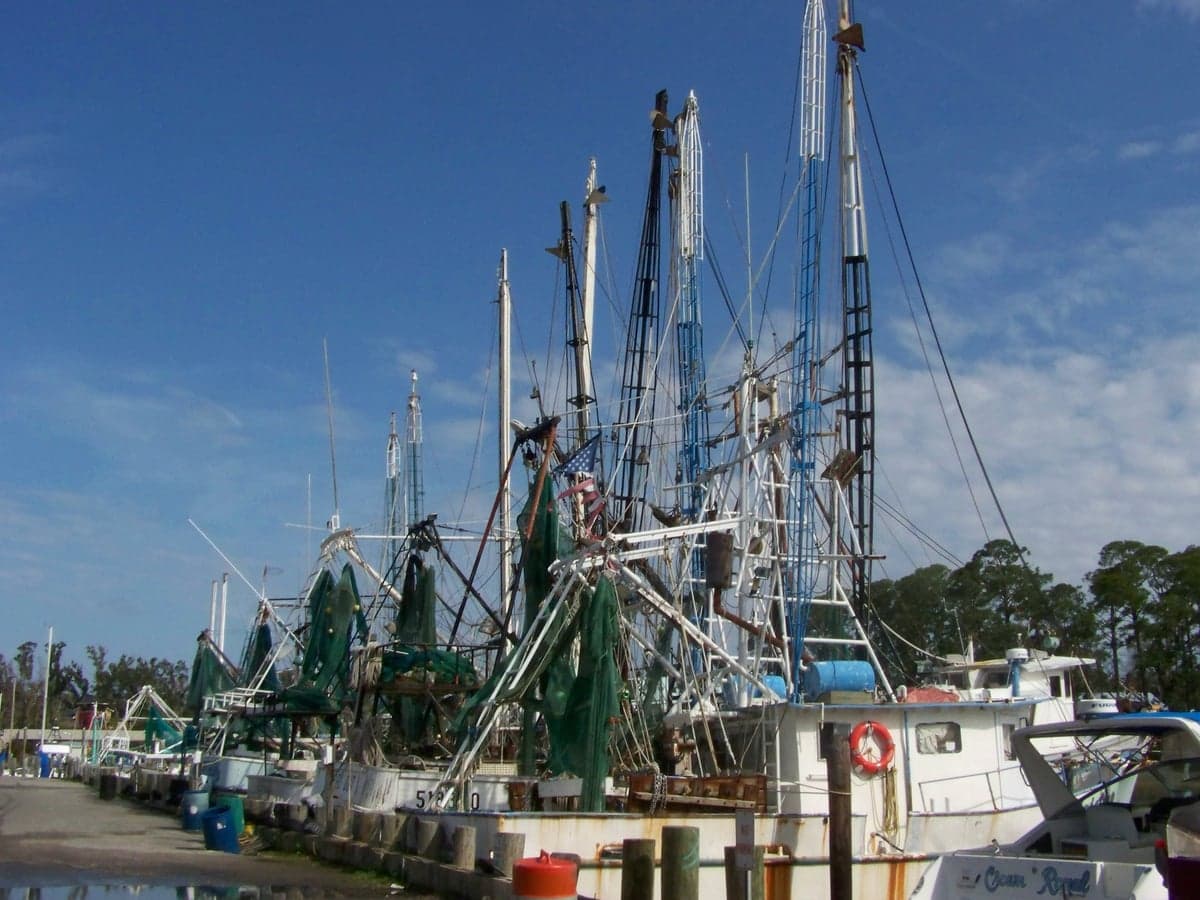
Photo: Wikipedia
Strategic Assessment of Ocean Springs, MS
Meaningful friction. Expect exposure to either population pressure, blast zones, or natural disaster risk. Consider buying a retreat property.
What does the Strategic Assessment tell us?
Our Strategic Assessment grades tactical survivability of an area. Major population centers, military targets, fallout zones, natural disasters, and border exposure all drive risk — lower exposure means a more defensible position in a crisis.
This is heavily inspired by Joel Skousen's Strategic Relocation book. Highly recommended you checkout the book ($)What does this tell us?
Our Strategic Assessment grades tactical survivability of an area. Major population centers, military targets, fallout zones, natural disasters, and border exposure all drive risk — lower exposure means a more defensible position in a crisis.
This is heavily inspired by Joel Skousen's Strategic Relocation book. Highly recommended you checkout the book ($)Strategic Pillars

Key Distances
Regional Safe Places
Below is our recommended "safe zones" in Mississippi and the surrounding area based on our strategic heuristics. For most people, it's unrealistic to live in a “safe zone” full-time due to work, family or other personal reasons. They tend to be more rural. However, many of these areas are perfect for second homes and retreat properties that double as a vacation home or even a short-term rental.
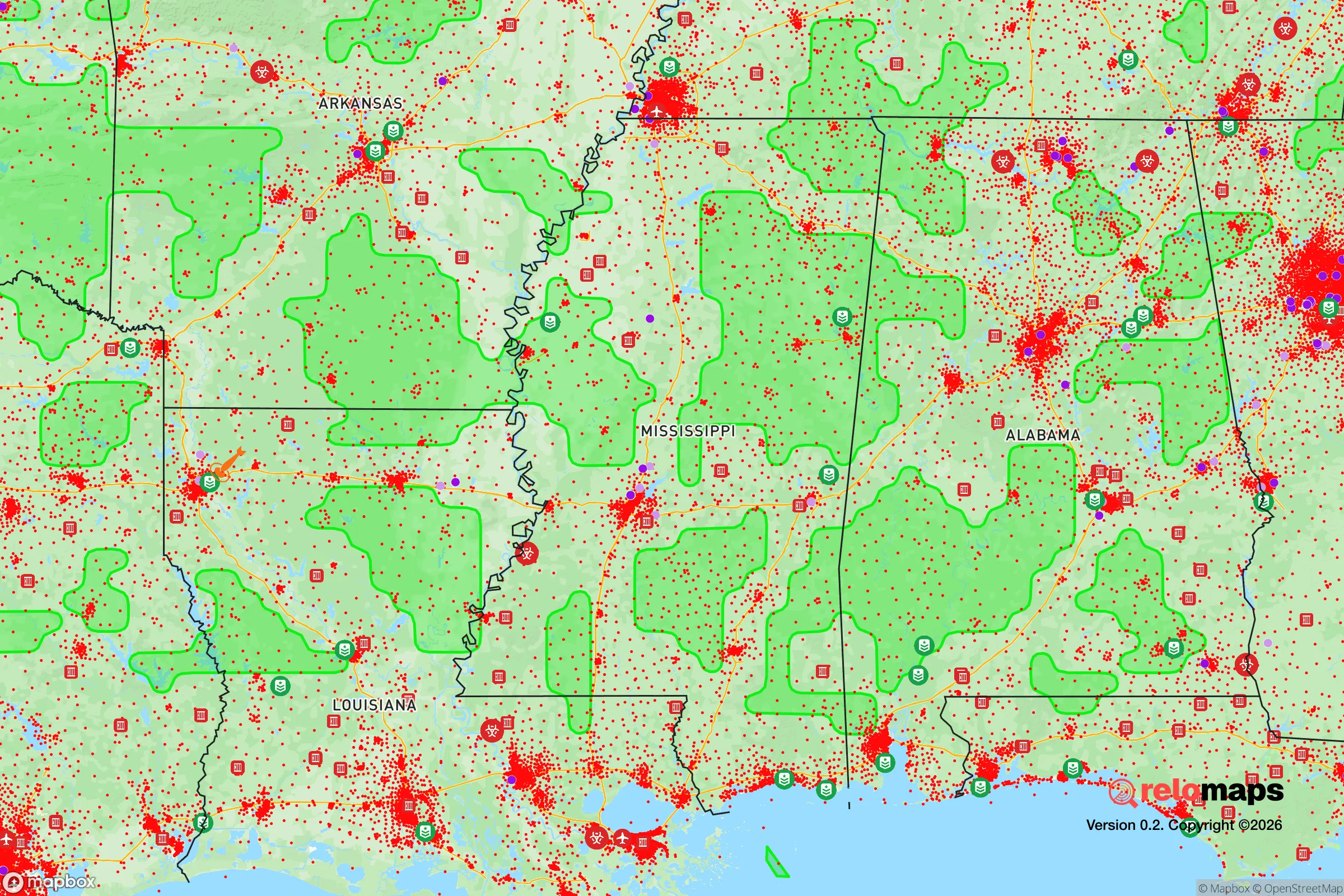
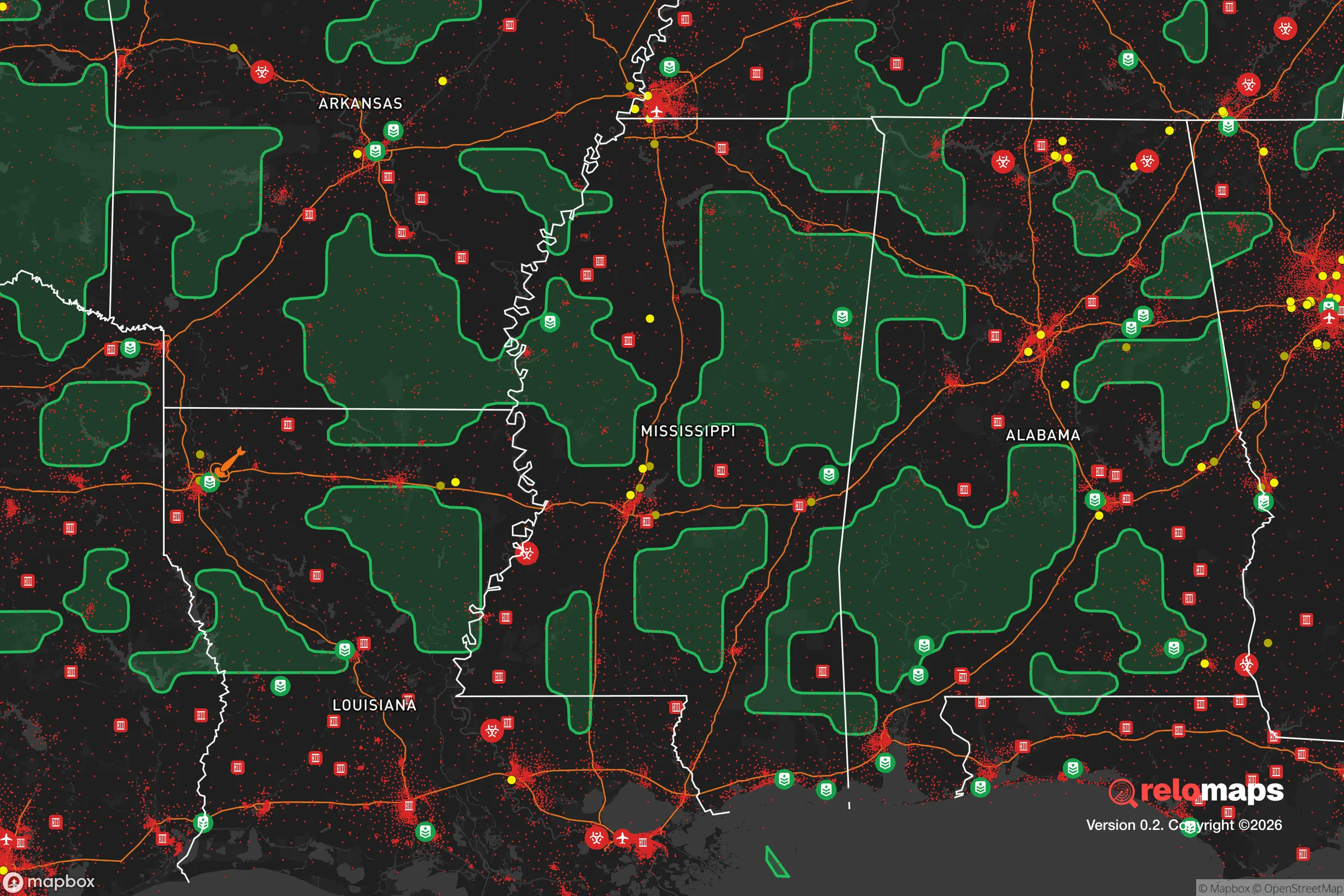


Important Note: For informational purposes only. This does not mean nothing bad ever happens in the green zones. Please use common sense. This is based on public data and modeled with AI. We tried to take a conservative approach but mistakes happen. We update this regularly as new information becomes available.
Solar Generator Recommendations
Backup power matters more here than in safer locations. We've picked three solar generators across budgets and capacity tiers — start with the budget unit if you only need a few essentials, or step up if you want to run a fridge and HVAC for days at a time.

Jackery Portable Power Station Explorer 300
Budget OptionPower on the Go: Weighing only 11 lbs, it's convenient to set up and store with book-sized foldable solar panels

BLUETTI Portable Power Station AC180
Designed for both indoor and outdoor scenarios, AC180 is highly capable as it has a robost capacity and continuous output power.

EF ECOFLOW DELTA Pro Ultra Power Station
Upgraded PickEcoFlow DELTA Pro Ultra is a whole-home energy system designed to grow with your family. Integrated with the Smart Home Panel 2, it scales to meet your evolving energy needs — keeping your home powered, intelligent, and secure through every stage of life.
We earn a commission, at no additional cost to you.
Strategic Assessment Analysis
Ocean Springs, Mississippi, offers a strategic relocation option for those prioritizing resilience, but it requires a clear-eyed assessment of both its natural advantages and its proximity to significant risk factors. This Gulf Coast town, with a population around 18,000, sits on a barrier island sound, providing a degree of natural isolation from the densest population centers while still being within striking distance of essential infrastructure. Its location on the Mississippi Sound, shielded from the open Gulf by the barrier islands of the Gulf Islands National Seashore, offers a unique blend of coastal access and a buffer against the most severe storm surges, though it is by no means immune. For the prepper or survivalist, Ocean Springs presents a mixed picture: a relatively low-crime, community-oriented environment with a strong local food economy, but one that must contend with hurricane risk, a nearby major military installation, and the potential for cascading failures from the broader Gulf Coast region.
Geographic position and natural buffers: the island advantage
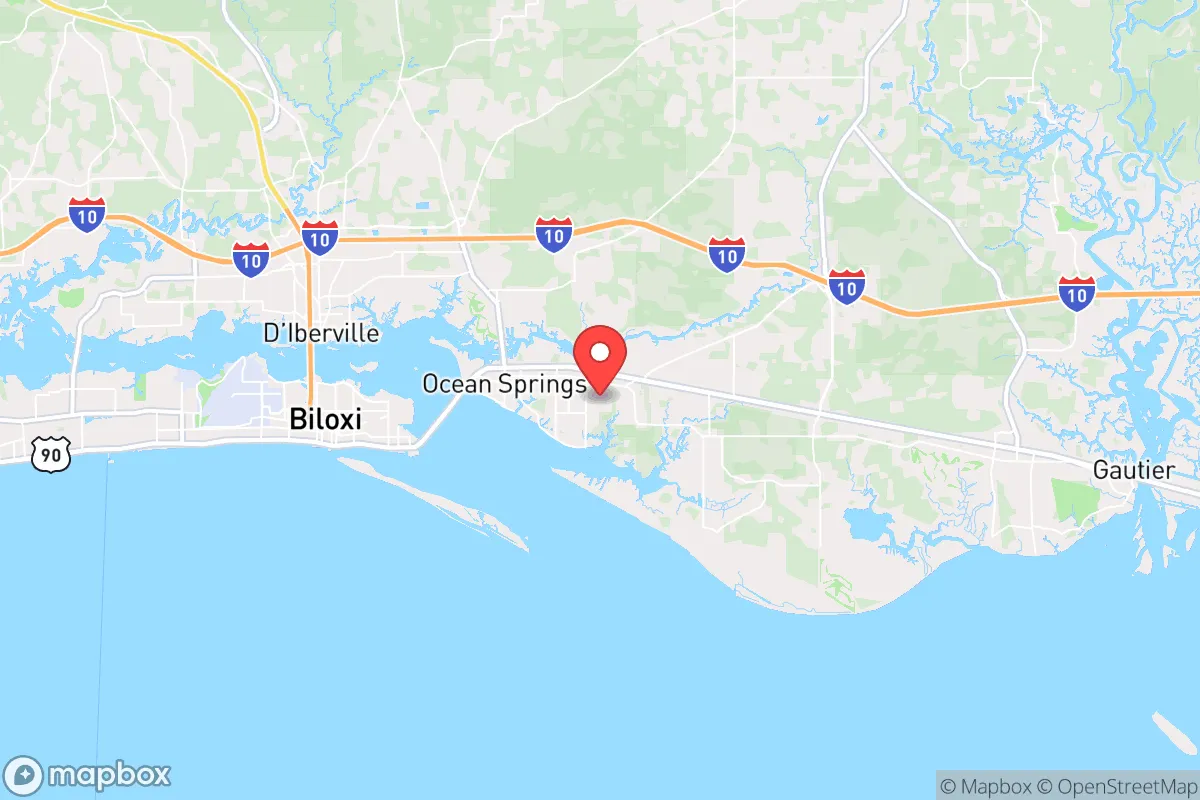
Ocean Springs' geography is its primary strategic asset. The town is located on a peninsula between Biloxi Bay and the Mississippi Sound, with the Gulf Islands National Seashore—specifically Horn Island, Petit Bois Island, and Ship Island—acting as a natural breakwater. These barrier islands absorb the initial force of hurricane storm surges, significantly reducing wave energy before it reaches the mainland. This is a tangible advantage over communities directly on the open Gulf, like Gulfport or Biloxi, which face the full brunt of a storm's surge. The town's elevation is modest—averaging around 10 to 20 feet above sea level—but the presence of the bayous and the Pascagoula River system to the east provides natural drainage corridors. For a relocator, this means that while flooding is a real threat during major hurricanes (Category 3+), the day-to-day risk of storm surge is lower than in many other coastal Mississippi towns. The surrounding landscape is dominated by pine savannas, marshes, and the DeSoto National Forest to the north, offering a substantial buffer of undeveloped land that could serve as a retreat or resource zone. The proximity to the Pascagoula River, one of the last free-flowing river systems in the lower 48, provides a reliable freshwater source and a potential transportation corridor away from the coast if needed.
Risk exposures and proximity to fallout-relevant landmarks
The most significant strategic liability for Ocean Springs is its proximity to Keesler Air Force Base in Biloxi, just 10 miles to the west. Keesler is a major training center for the Air Force and a key node in the nation's military communications and weather operations. In a scenario of civil unrest or a major conflict, Keesler becomes a high-value target for both kinetic and cyber attacks. A strike on the base—whether conventional, EMP-based, or a targeted cyber attack on its power grid—would likely cause cascading failures across the entire Biloxi-Ocean Springs area, including power outages, communications blackouts, and potential evacuation chaos. The base also hosts a large population of military personnel and their families, meaning that in a crisis, the area could see a sudden influx of people fleeing the base or the surrounding urban corridor. Additionally, the Port of Gulfport, about 15 miles west, is a major container port and a potential target for disruption. The Chevron Pascagoula Refinery, one of the largest in the country, lies just 20 miles east of Ocean Springs. A major accident, sabotage, or attack on this refinery could release toxic clouds or cause a massive fire, with prevailing winds potentially carrying fallout directly over Ocean Springs. The refinery also represents a single point of failure for fuel supply in the region, meaning a disruption there would cripple local transportation and emergency services. Finally, the Ingalls Shipbuilding facility in Pascagoula, a major builder of U.S. Navy warships, is another high-value target that could draw unwanted attention to the entire coastal corridor. For the survivalist, the concentration of these assets within a 30-mile radius makes Ocean Springs a location that is not a true retreat but rather a semi-urban buffer zone with significant exposure to man-made disasters.
Practical resilience: food, water, energy, and defensibility
On the practical side, Ocean Springs offers several advantages for a relocator focused on self-sufficiency. The local food economy is robust: the town has a strong farmers' market, numerous community gardens, and a culture of coastal foraging (oysters, shrimp, crabs, and fish are abundant in the Sound and bayous). The surrounding agricultural land in Jackson County supports small-scale farms, and the proximity to the Pascagoula River means freshwater is accessible for those with the means to purify it. However, the water supply is municipal and dependent on the city's treatment plants, which are vulnerable to power outages and storm damage. A well on a private property north of the city would be a significant asset. Energy resilience is a mixed bag: the grid is prone to outages during hurricanes, but the region has a growing number of solar installations and a culture of generator ownership. The terrain is flat and heavily wooded, which offers some concealment but limited defensibility—there are no natural high ground or chokepoints. The town's layout, with a historic downtown and residential neighborhoods spread along the waterfront, means that a perimeter defense would be difficult. The community itself is tight-knit and politically conservative, which can be a double-edged sword: it fosters mutual aid and a shared mindset, but it also means that in a crisis, everyone will be looking out for their own. The presence of the Mississippi National Guard in Gulfport and the Naval Construction Battalion Center in Gulfport means that military assets are nearby, which could be a stabilizing force or a source of unwanted attention, depending on the scenario. For a single individual or a family, the key to resilience here is to be self-contained: own a generator, store at least two weeks of food and water, have a plan for evacuation (north toward Hattiesburg or east toward Mobile), and maintain a low profile. The town's culture of "coastal living" can lull people into complacency, but the prepper must recognize that the same geography that makes it pleasant also makes it vulnerable.
Overall, Ocean Springs is a moderate-risk, moderate-reward location for a strategic relocation. Its natural buffers and strong community are genuine assets, but the concentration of military, industrial, and infrastructure targets within a 30-mile radius means that it is not a safe haven in a national crisis. It is best suited for someone who wants to be near the coast for lifestyle reasons but is willing to invest heavily in personal preparedness and maintain a flexible evacuation plan. The town's conservative culture and local food systems are pluses, but the reliance on vulnerable infrastructure and the proximity to Keesler and the Chevron refinery are significant negatives. For the survivalist seeking true isolation and security, the piney woods of central Mississippi or the hill country of the northeastern part of the state would be a better bet. For someone who wants a coastal lifestyle with a realistic understanding of the risks and a commitment to being prepared, Ocean Springs can work—but only if you treat it as a base of operations, not a final redoubt.

* Values derived from national, state, county, city and local statistics and may differ in a specific area. Last updated: 2026-05-03T19:50:54.000Z
Narrative content on this page is AI-generated and may contain mistakes. Verify any details that matter before acting on them.
ReloMaps may earn a commission from affiliate links at no extra cost to you.

