Demographics of Orchid, FL
Affluence Level in Orchid, FL
A wealthy area with high-earning, well-educated households. Incomes, home values, and educational attainment meaningfully outpace national averages.
People of Orchid, FL
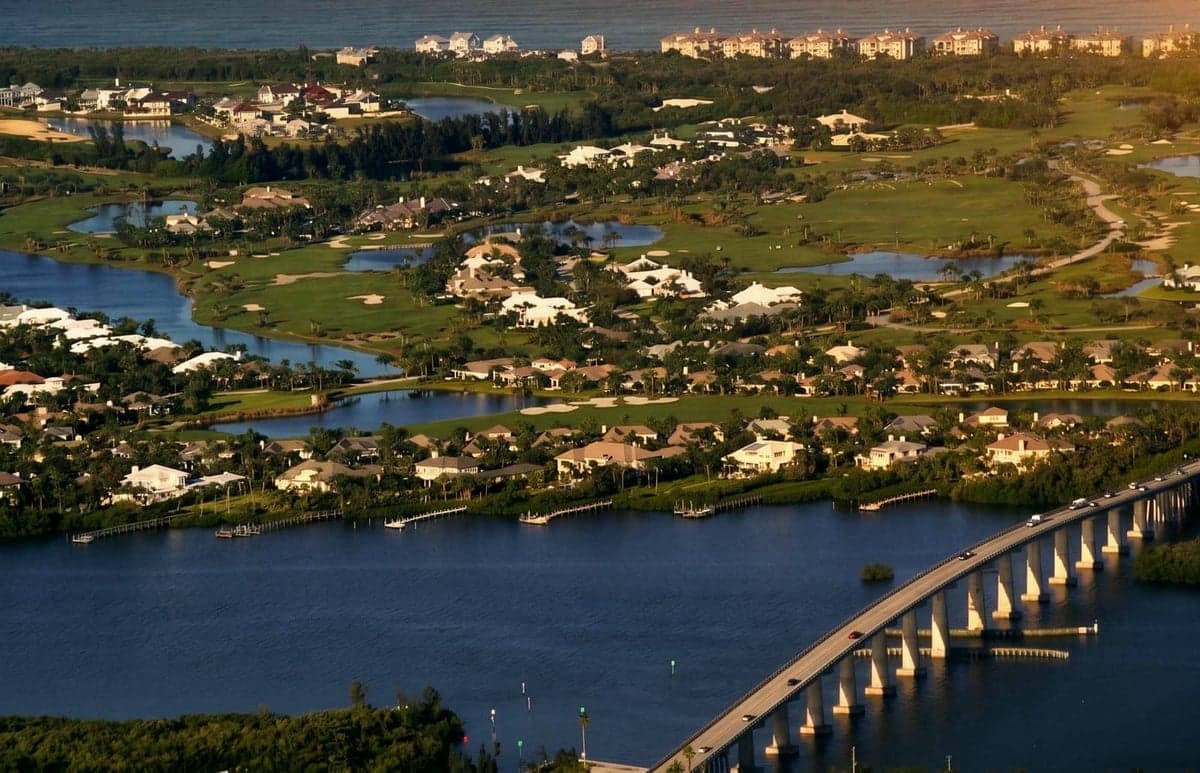
Orchid, Florida, is a tiny, exceptionally affluent barrier-island town of 553 residents where the population is overwhelmingly white (64.4%) and college-educated (91.3%), with a significant Hispanic minority (32.5%) and a negligible Black (2.2%) and foreign-born (4.9%) presence. The community is defined by its extreme wealth, low density, and a character that blends Old Florida coastal exclusivity with a modern, high-end resort lifestyle. Unlike many Florida towns, Orchid’s population story is not one of waves of immigrants or industrial workers, but of deliberate, high-capital development and the consolidation of a very specific, wealthy demographic.
How the city was settled and grew
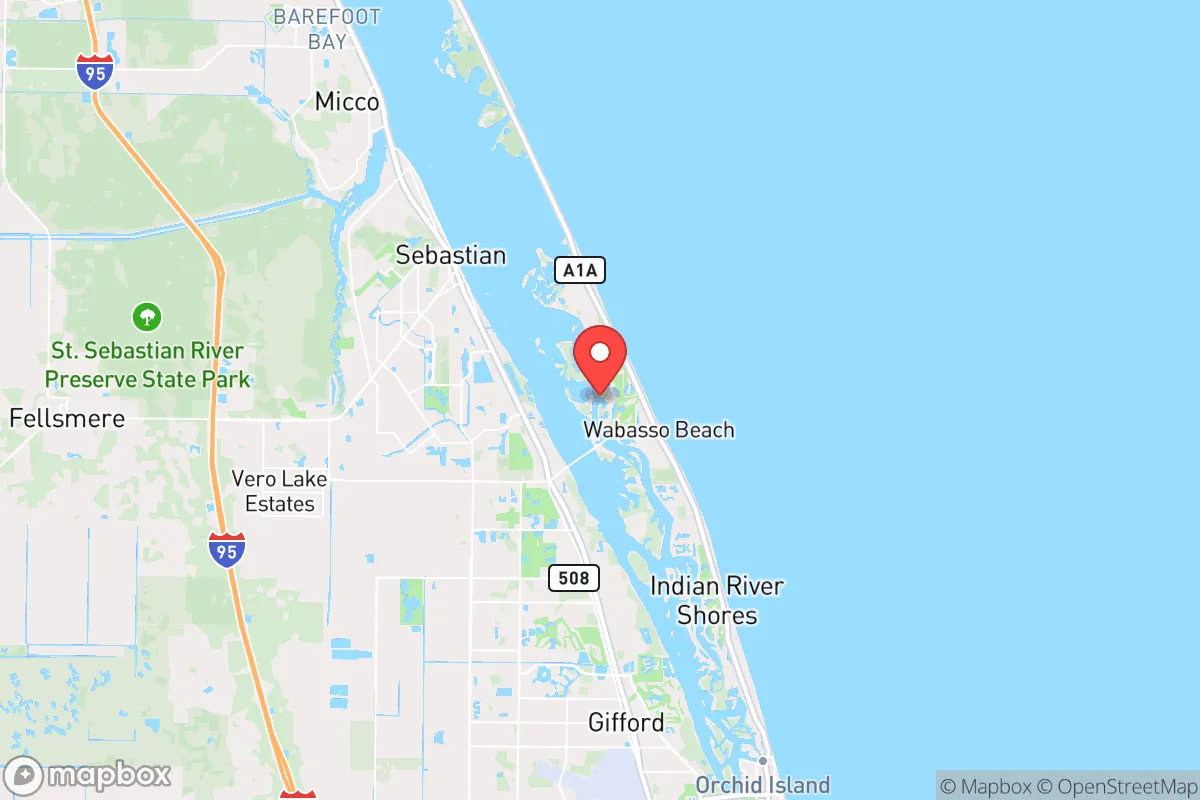
Orchid was not settled organically by homesteaders or fishermen. The land was part of the vast, sparsely populated barrier island system of Indian River County, with the first significant development occurring in the 1920s during the Florida land boom. The original population was drawn not by industry but by the promise of a secluded, oceanfront paradise for the wealthy. The first wave of development centered on the Orchid Island Golf & Beach Club area, a private, gated community that set the tone for the city’s future. The town was officially incorporated in 1965, a deliberate act by a small group of affluent property owners to maintain local control over zoning, taxes, and development, effectively creating a legal fortress against the kind of mass tourism and commercial growth seen in neighboring Vero Beach. The original residents were almost exclusively white, upper-class retirees and second-home owners from the Northeast and Midwest, drawn by the promise of a quiet, exclusive, and unspoiled coastal enclave.
Modern era (post-1965)
Post-incorporation, Orchid’s population growth has been minimal and tightly controlled. The 1965 incorporation was the key event, not a demographic shift. The city’s strict land-use regulations and high property values have acted as a powerful filter, ensuring that new residents are almost exclusively drawn from the same high-net-worth demographic as the original settlers. The Windsor community, a private, gated equestrian and golf club developed in the late 1980s, became the second major population center, attracting an even more international and ultra-wealthy cohort. The Hispanic population (32.5%) is a notable modern feature, but it is not the result of a large immigrant wave. Instead, it reflects a combination of wealthy Hispanic families from Latin America (particularly Venezuela and Colombia) purchasing second homes or relocating, and a smaller number of domestic Hispanic professionals in high-income fields. This group is concentrated in the newer luxury homes within Windsor and the Orchid Island Golf & Beach Club, not in separate ethnic enclaves. The Black population (2.2%) remains tiny, reflecting the historical and ongoing economic barriers to entry into this hyper-exclusive market. The near-zero foreign-born rate (4.9%) confirms that this is not an immigrant gateway; it is a destination for the globally wealthy who are already U.S. residents or citizens.
The future
Orchid’s population is heading toward further homogenization at the top of the economic ladder. The city is not tribalizing into distinct ethnic enclaves; rather, it is consolidating as a single, ultra-high-net-worth enclave where wealth is the primary unifying identity, overriding ethnic differences. The Hispanic share is likely to stabilize or grow slowly as more wealthy Latin American families discover the community, but it will not lead to cultural or linguistic fragmentation. The white share will likely remain dominant but may decline slightly as the Hispanic share increases. The population is projected to remain very small, as there is virtually no undeveloped land and the existing residents have no appetite for densification. The next 10-20 years will see a slow turnover of properties to a new generation of wealthy buyers, with the same demographic profile: highly educated, overwhelmingly white or wealthy Hispanic, and seeking privacy and exclusivity.
For someone moving in now, Orchid is a finished product: a stable, hyper-exclusive, and demographically narrow community where change is measured in decades, not years. It is not a place of demographic dynamism or diversity, but of consistent, predictable affluence. The city’s future is a continuation of its past—a quiet, gated sanctuary for the wealthy, with no significant population growth or demographic disruption on the horizon.

* Values derived from national, state, county, city and local statistics and may differ in a specific area. Last updated: 2026-05-14T02:09:15.000Z
Narrative content on this page is AI-generated and may contain mistakes. Verify any details that matter before acting on them.
ReloMaps may earn a commission from affiliate links at no extra cost to you.

