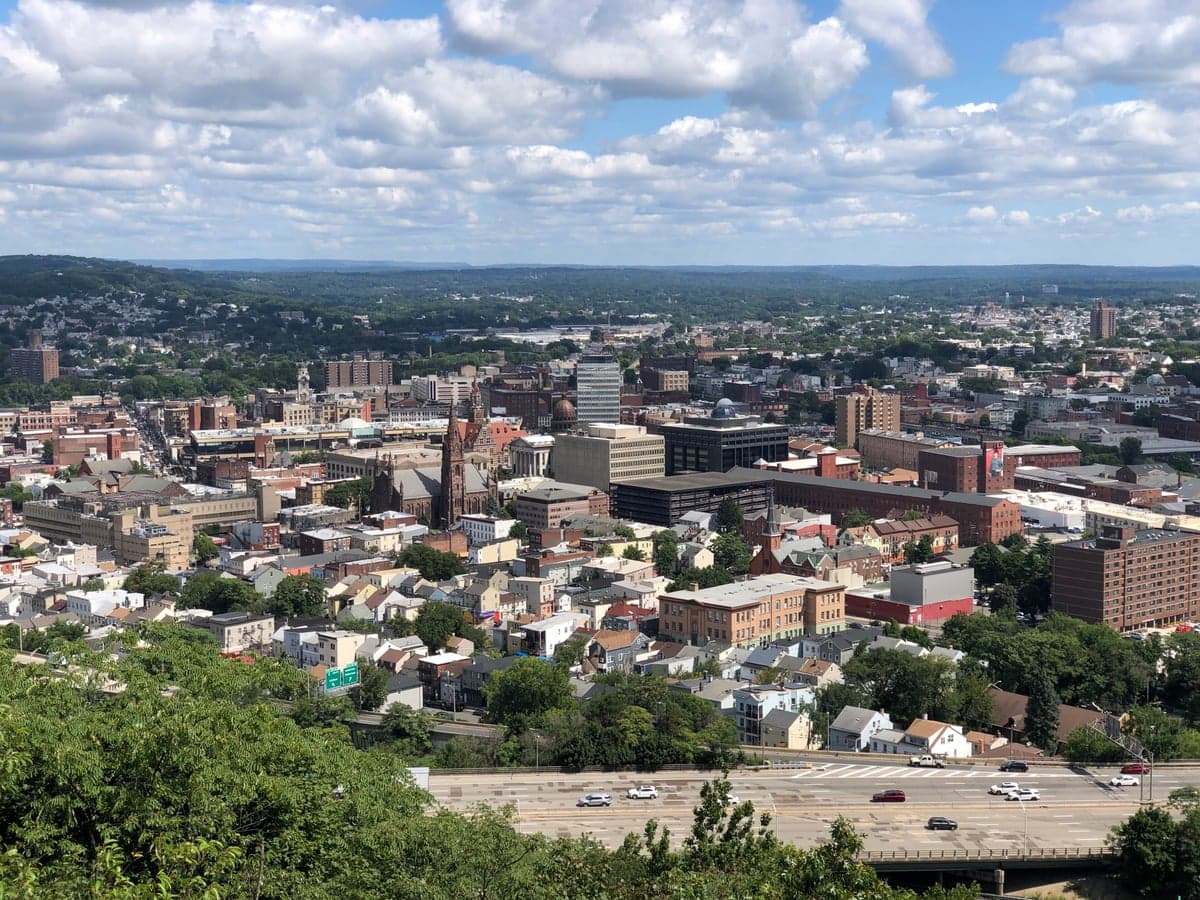
Photo: Wikipedia
Quality of Life in Paterson, NJ
Above-average quality of iife. The area offers a reasonable cost of living, decent mobility, and a mix of neighborhood amenities.
What does Quality of Life tell us?
Quality of Life blends cost of living, nearby amenities, socioeconomic signals, and neighborhood character. City-level scores represent the whole municipality; individual neighborhoods can differ.
What does this tell us?
Quality of Life blends cost of living, nearby amenities, socioeconomic signals, and neighborhood character. City-level scores represent the whole municipality; individual neighborhoods can differ.
Cost of Living
23% above national average
The Real Cost of Living in Paterson, NJ for 2026
| Tier | Individual | Family (4) |
|---|---|---|
| Survival | $23k | $44k |
| Comfortable | $65k | $96k |
| Luxury | $97k+ | $151k+ |
| Elite (Top 5%) | $119k+ | $184k+ |
56%
The Area Signal
A metric tracking the socioeconomic signals of the area.
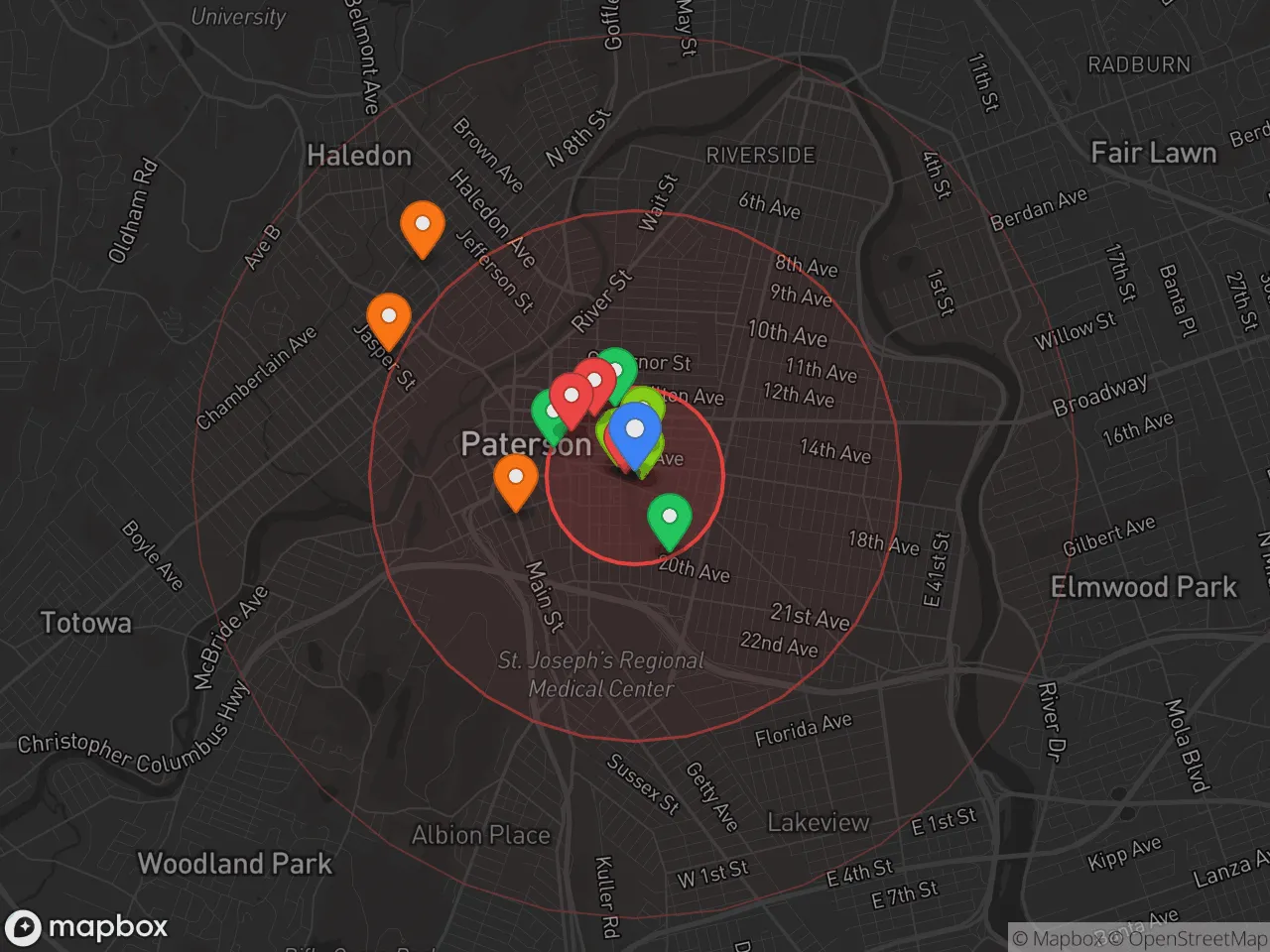
Hobbies
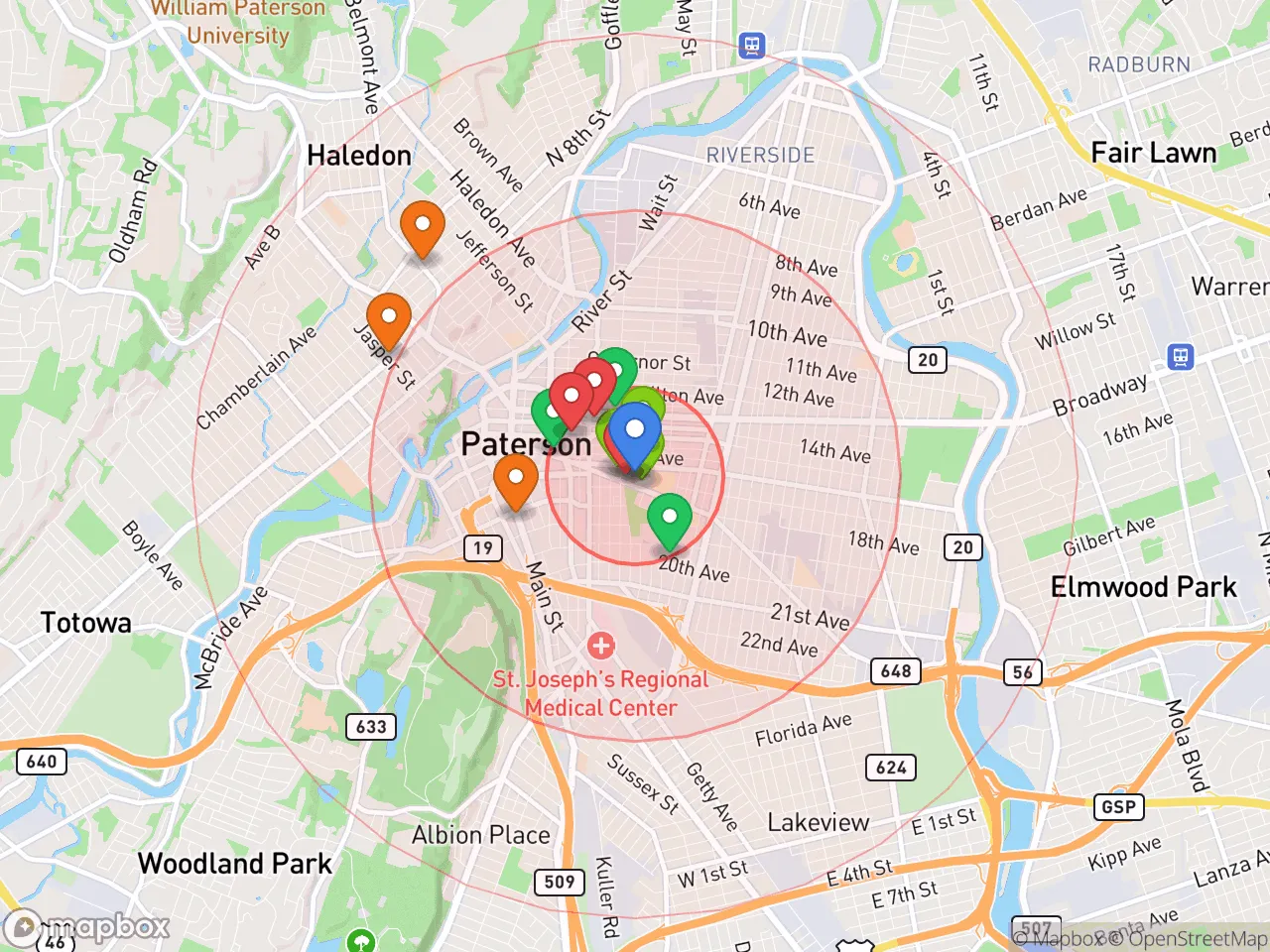
Explore the areaGroceries
5 within 10 miles
Gas
20 within 10 miles
Hospital
20 within 20 miles
Airport
EWR — Newark Liberty International
Post Office
USPS — Paterson, NJ
Critical Amenities
Quality-of-Life Analysis
Paterson, New Jersey, presents a quality-of-life profile that differs sharply from the affluent suburbs surrounding it. With a cost-of-living index of 123 (23% above the U.S. average), the city is more affordable than nearby Bergen County communities like Ridgewood or Montclair, yet it remains a dense, urban environment where the median household income trails the state average. The population is predominantly working-class and diverse, with large communities of Dominican, Puerto Rican, and African American residents shaping the city’s cultural and economic fabric.
Cost of living, housing affordability, and how Paterson compares to nearby cities
Paterson’s cost-of-living index of 123 is significantly lower than the New Jersey state average of roughly 130, but it still exceeds the national baseline by nearly a quarter. The median home value of $335,400 is about $100,000 less than the New Jersey median, making it one of the more attainable markets in the northern part of the state. Median rent sits at $1,457, which is below the statewide median of roughly $1,700, though still a stretch for many local households. Compared to neighboring cities like Clifton ($380,000 median home value) or Wayne ($450,000), Paterson offers a clear affordability edge. However, the trade-off comes in the form of older housing stock, higher property taxes (around 3.2% effective rate), and a city budget that has faced repeated fiscal stress. The average commute of 23 minutes is notably shorter than the New Jersey average of 31 minutes, thanks to Paterson’s location along I-80 and direct NJ Transit rail service to Hoboken and New York Penn Station.
What daily life is like: amenities, schools, and neighborhood character
Daily life in Paterson revolves around its dense, walkable neighborhoods and the anchor of the Great Falls National Historical Park, which offers hiking trails and a dramatic 77-foot waterfall. The city’s public school system, Paterson Public Schools, serves roughly 25,000 students and has struggled with below-average test scores and chronic absenteeism, though magnet programs like the Paterson Academy for the Gifted and Talented provide higher-performing options. For shopping and dining, the downtown area along Main Street and Market Street is lined with bodegas, Dominican bakeries, and halal markets, while the Willowbrook Mall in nearby Wayne offers a full-service retail alternative. Crime remains a concern: Paterson’s violent crime rate is roughly 3 times the national average, though property crime has declined since 2020. The city’s 15 recreation centers and numerous parks, including Pennington Park and Eastside Park, provide green space for families, but the overall rhythm of life is urban and fast-paced, not suburban.
Paterson is best suited for residents who prioritize affordability and transit access over suburban amenities or top-tier schools. First-time homebuyers priced out of Bergen County, commuters who need a 23-minute train ride to Manhattan, and families who value cultural diversity and urban energy will find the city a practical choice. Those seeking low crime rates, high-performing public schools, or a quiet suburban lifestyle should look to nearby towns like Woodland Park or Totowa instead.

Crime in Paterson, NJ
Significantly higher crime rates than 79% of comparable U.S. locations.
Violent CrimeViolent Crime Analysis
Property CrimeProperty Crime Analysis
Crime Analysis
Paterson, New Jersey, faces a serious public safety challenge, with violent crime rates more than double the national average and property crime rates that also exceed typical benchmarks. The city's 2024 reported violent crime rate of 826.4 incidents per 100,000 residents and property crime rate of 2,321.1 per 100,000 place it among the higher-crime municipalities in the state, a reality shaped by both socioeconomic factors and the local criminal justice system's approach to prosecution and sentencing.
Crime in context
Paterson's violent crime rate is roughly 2.2 times the national average of about 380 per 100,000 and significantly higher than New Jersey's statewide average of approximately 200 per 100,000. Property crime in Paterson, while less extreme relative to national figures, still exceeds the U.S. average of roughly 1,950 per 100,000. These numbers place Paterson in the same tier as other struggling post-industrial cities in the Northeast, such as Camden and Trenton. A key contributing factor is the progressive judicial philosophy prevalent in Passaic County, where district attorneys and judges often prioritize diversion programs and reduced sentences over incarceration. This approach, while intended to address root causes of crime, has been criticized for reducing the deterrent effect of prosecution and allowing repeat offenders to cycle back onto the streets quickly, undermining public confidence in the justice system.
What residents experience
For residents, the high crime rates translate into tangible daily concerns. Aggravated assault and robbery are the most common violent crimes, with many incidents concentrated in specific neighborhoods and often linked to gang activity or drug disputes. Property crime, particularly motor vehicle theft and burglary, is a persistent problem, with residents reporting that car thefts and break-ins are routine occurrences. The combination of high crime and a lenient justice system creates a climate where many residents feel the police are reactive rather than preventive, and where victims of crime often see their perpetrators receive minimal consequences. This erodes trust in both law enforcement and the courts, leaving some residents to feel that the system prioritizes the rights of offenders over the safety of law-abiding citizens.
Neighborhood-level variation
Safety in Paterson is not uniform. The city's 4th Ward, including areas around East 18th Street and Market Street, consistently reports the highest concentrations of violent crime. Conversely, neighborhoods like Lakeview and parts of the 1st Ward near the Great Falls experience noticeably lower crime rates, though they remain above state averages. The safest residential pockets are often found in the city's northern and western edges, closer to the border with Haledon and Prospect Park. For anyone considering relocation, it is essential to examine block-level crime data and visit specific streets at different times of day, as the difference between a relatively quiet block and a high-risk corridor can be just a few blocks.
* Values derived from national, state, county, city and local statistics and may differ in a specific area. Last updated: 2026-05-02T13:03:33.000Z
Narrative content on this page is AI-generated and may contain mistakes. Verify any details that matter before acting on them.
ReloMaps may earn a commission from affiliate links at no extra cost to you.

