Photo: Wikipedia
Quality of Life in Scottsbluff, NE
A high quality of life with strong walkability, manageable living costs, healthy neighborhood signals, and solid amenity access.
What does Quality of Life tell us?
Quality of Life blends cost of living, nearby amenities, socioeconomic signals, and neighborhood character. City-level scores represent the whole municipality; individual neighborhoods can differ.
What does this tell us?
Quality of Life blends cost of living, nearby amenities, socioeconomic signals, and neighborhood character. City-level scores represent the whole municipality; individual neighborhoods can differ.
Cost of Living
30% below national average
The Real Cost of Living in Scottsbluff, NE for 2026
| Tier | Individual | Family (4) |
|---|---|---|
| Survival | $15k | $29k |
| Comfortable | $27k | $40k |
| Luxury | $97k+ | $150k+ |
| Elite (Top 5%) | $121k+ | $187k+ |
132%
The Area Signal
A metric tracking the socioeconomic signals of the area.
Hobbies
Explore the areaGroceries
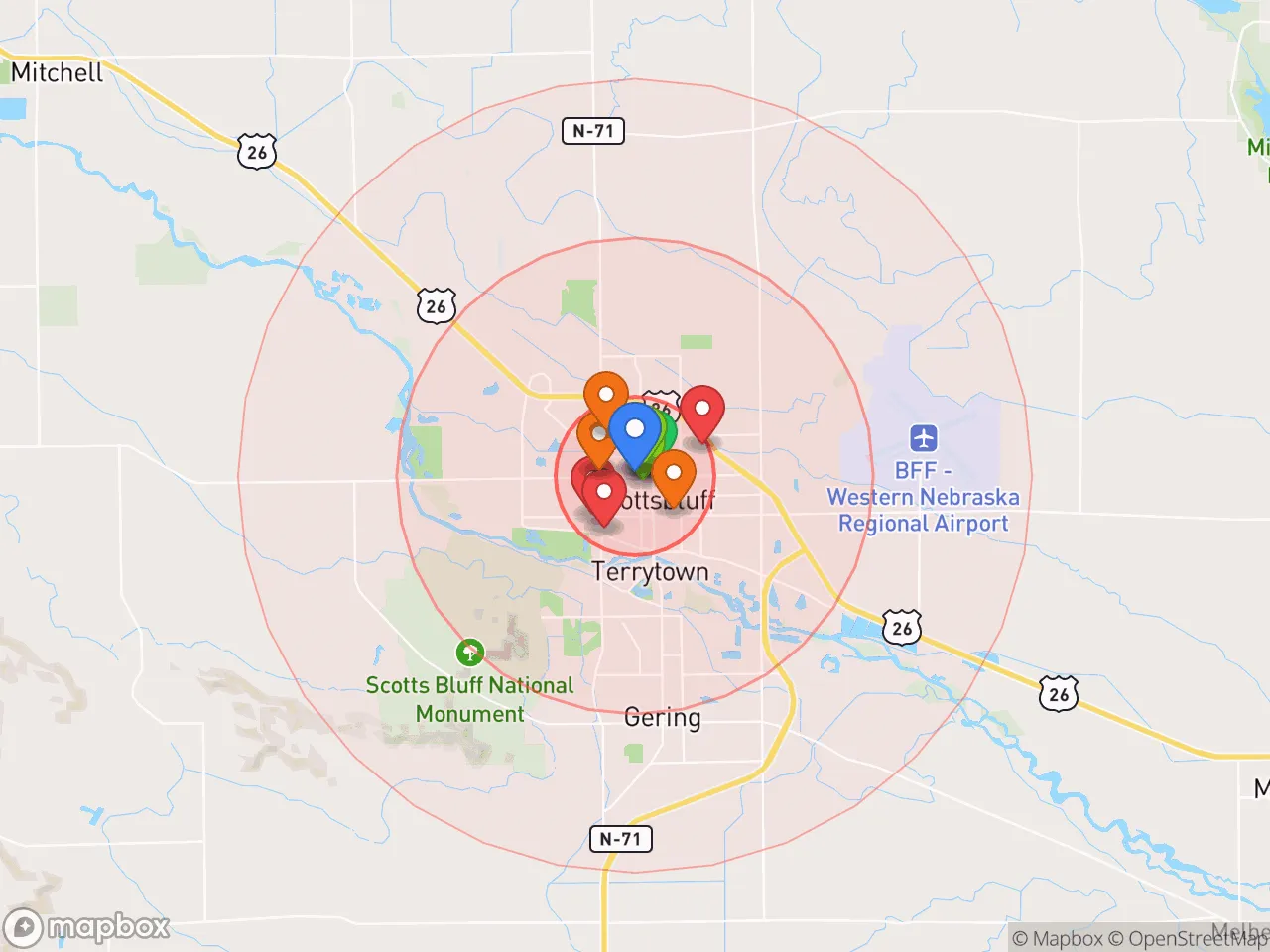
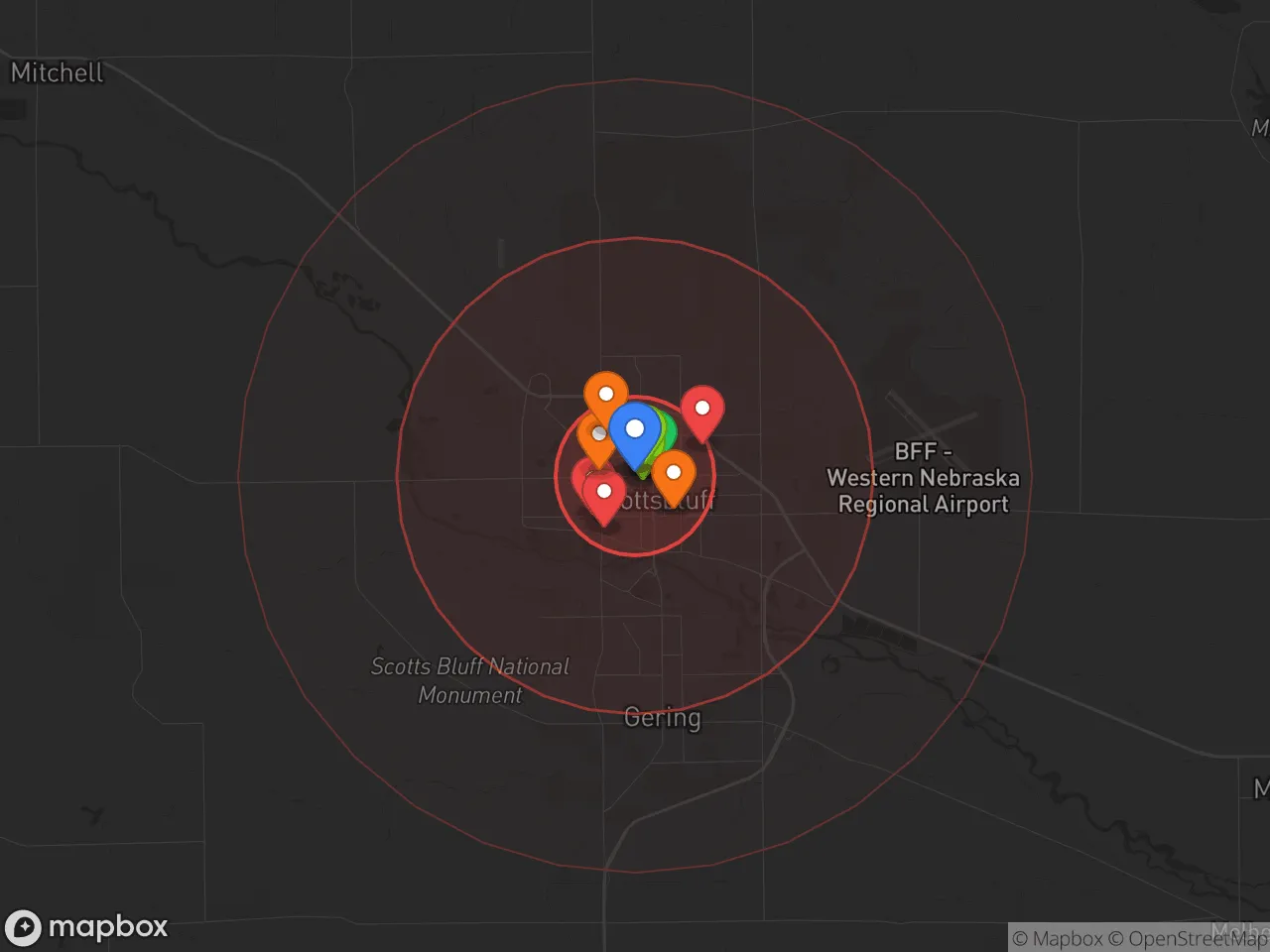
3 within 10 miles
Gas
17 within 10 miles
Hospital
1 within 20 miles
Airport
DEN — Denver International
Post Office
USPS — Scottsbluff, NE
Critical Amenities
Quality-of-Life Analysis
Scottsbluff, Nebraska, presents a notably affordable quality of life, with a cost of living index of 70—30% below the national average—attracting a mix of working families, retirees, and agricultural professionals. The city serves as the commercial hub for the Nebraska Panhandle, drawing residents from surrounding rural communities who value lower expenses and a slower pace. Median household incomes here trail state averages, but the dramatically reduced housing costs allow many to achieve homeownership and financial stability that would be out of reach in pricier regions.
How housing costs and affordability compare to nearby towns
Scottsbluff’s housing market is a primary draw, with a median home value of $141,300—roughly half the Nebraska state median of around $240,000. Median rent sits at $966, well below the national figure of $1,200+, making the area accessible for renters saving for a down payment. Compared to nearby Gering (just across the river) or Alliance, Scottsbluff offers slightly more inventory and lower per-square-foot prices, though Gering’s newer subdivisions can command premiums. The average commute of 19 minutes is short by national standards, reflecting the compact layout and limited sprawl; most residents can reach work, grocery stores, and Regional West Medical Center within a 10- to 15-minute drive. Property taxes in Scotts Bluff County are moderate, and the absence of a state income tax on Social Security benefits further stretches retirement budgets.
What daily life is like for families and professionals
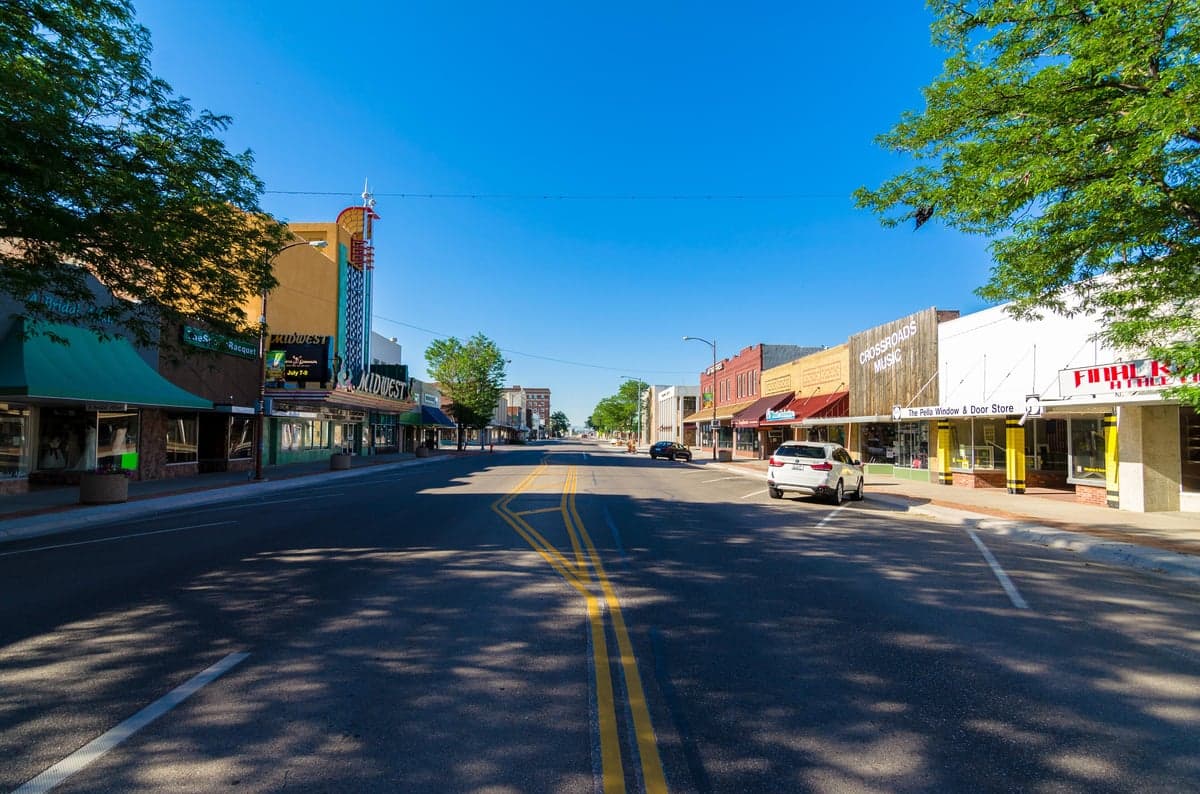
Daily life in Scottsbluff centers on outdoor recreation along the North Platte River and the nearby Scotts Bluff National Monument, which offers hiking and historical exhibits. The city’s school system, Scottsbluff Public Schools, serves roughly 3,200 students and includes a well-regarded high school with dual-credit programs through Western Nebraska Community College. For families, the Riverside Discovery Center zoo and the Monument Mall provide weekend activities, while professionals rely on healthcare and agribusiness employers like Regional West Health Services and Cargill. The downtown area, anchored by the historic Midwest Theater, hosts a farmers’ market and seasonal festivals, though dining and retail options are limited compared to larger metros. Commute times are negligible, and most errands can be completed within a 15-minute radius, reinforcing a low-stress, car-dependent lifestyle.
This combination of low costs, short commutes, and access to the outdoors makes Scottsbluff a strong fit for retirees on fixed incomes, remote workers seeking a lower overhead, and families who prioritize homeownership over urban amenities. Those accustomed to dense cultural scenes or high-end shopping may find the pace too quiet, but for individuals who value financial breathing room and a tight-knit community, Scottsbluff delivers a stable, grounded quality of life that is increasingly rare in 2026.

Crime in Scottsbluff, NE
Higher crime rates than 62% of comparable U.S. locations.
Violent CrimeViolent Crime Analysis
Property CrimeProperty Crime Analysis
Crime Analysis
Scottsbluff, Nebraska, reports a violent crime rate of 671.6 per 100,000 residents and a property crime rate of 3,064.5 per 100,000, figures that place it well above both state and national averages. These statistics indicate that the city faces significant public safety challenges, particularly when compared to the broader region. While Scottsbluff is not a large metro area, its crime data warrants careful consideration for anyone evaluating relocation to the Nebraska Panhandle.
Crime in context
To understand Scottsbluff’s safety profile, it is essential to compare its rates to Nebraska’s statewide averages. The state’s violent crime rate is roughly 250 per 100,000, meaning Scottsbluff’s rate is more than 2.5 times higher. Similarly, the national property crime rate hovers around 1,950 per 100,000, making Scottsbluff’s property crime rate approximately 57% above the U.S. average. These disparities are not trivial; they suggest that property offenses—such as burglary, theft, and motor vehicle theft—are a routine concern for residents. The violent crime rate, while lower in absolute numbers, is elevated enough to indicate a higher risk of assault, robbery, and other serious incidents than in most Nebraska communities.
What residents experience
For those living in Scottsbluff, the high property crime rate often translates into tangible daily precautions. Residents report securing vehicles, installing outdoor lighting, and avoiding leaving packages or valuables visible. The city’s police department actively publishes crime maps and incident logs, which show that thefts and vandalism are concentrated in commercial corridors and near lower-income housing areas. Violent crime, though less frequent, tends to involve domestic disputes or incidents tied to alcohol use, given the city’s role as a regional hub for services and nightlife. It is worth noting that Scottsbluff is not a large metro area with a progressive justice system; its local courts and district attorneys generally follow conservative sentencing norms. This means that offenders are more likely to face incarceration, which can act as a deterrent—a factor that may partially explain why the violent crime rate, while high, has not spiked dramatically in recent years.
Neighborhood-level variation is notable in Scottsbluff. The western and northern residential areas, particularly around the historic downtown and near the North Platte River, tend to report lower crime rates. In contrast, the eastern and southern sections—closer to the industrial zones and the highway—see higher concentrations of property crime. The area near the intersection of U.S. Route 26 and Broadway is a known hotspot for theft and occasional assaults. For prospective residents, consulting the Scottsbluff Police Department’s annual report or speaking with a local real estate agent can provide block-by-block insight. Overall, while Scottsbluff is not a high-crime city by national urban standards, its rates are elevated enough that newcomers should prioritize secure housing and situational awareness.
* Values derived from national, state, county, city and local statistics and may differ in a specific area. Last updated: 2026-05-03T20:32:02.000Z
Narrative content on this page is AI-generated and may contain mistakes. Verify any details that matter before acting on them.
ReloMaps may earn a commission from affiliate links at no extra cost to you.

