 Popular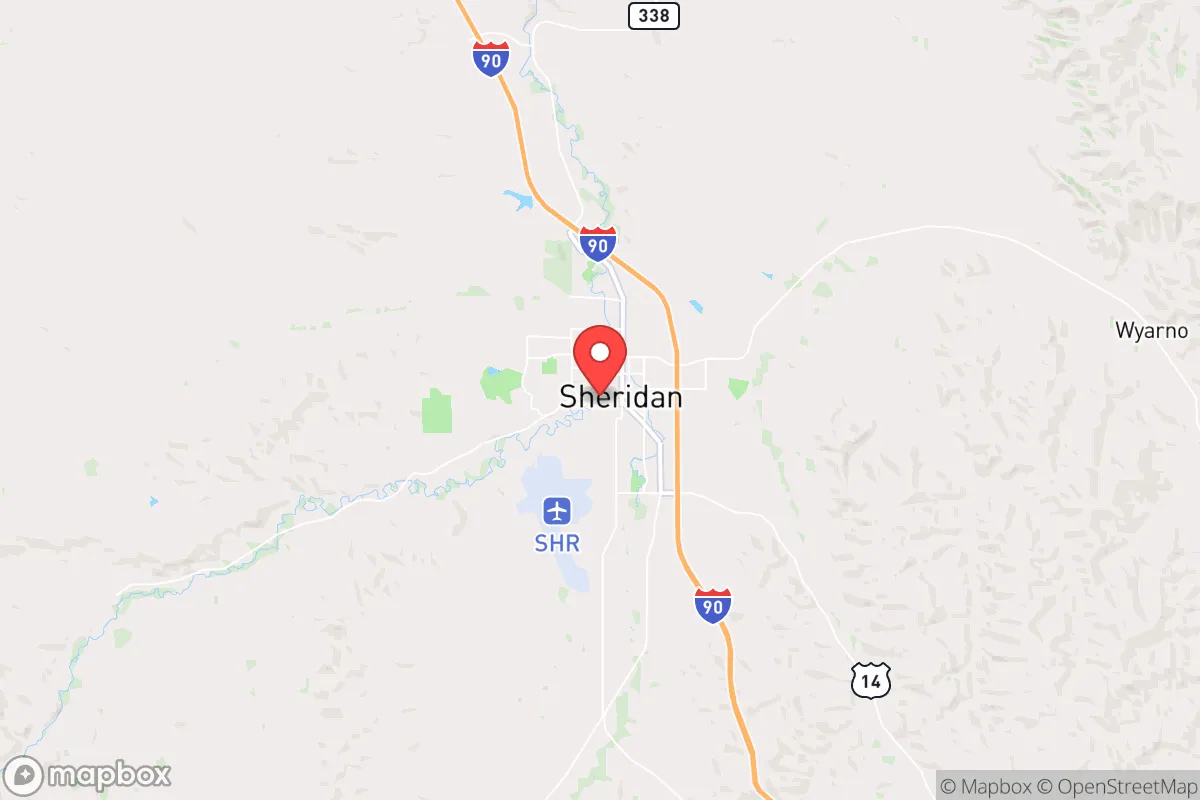
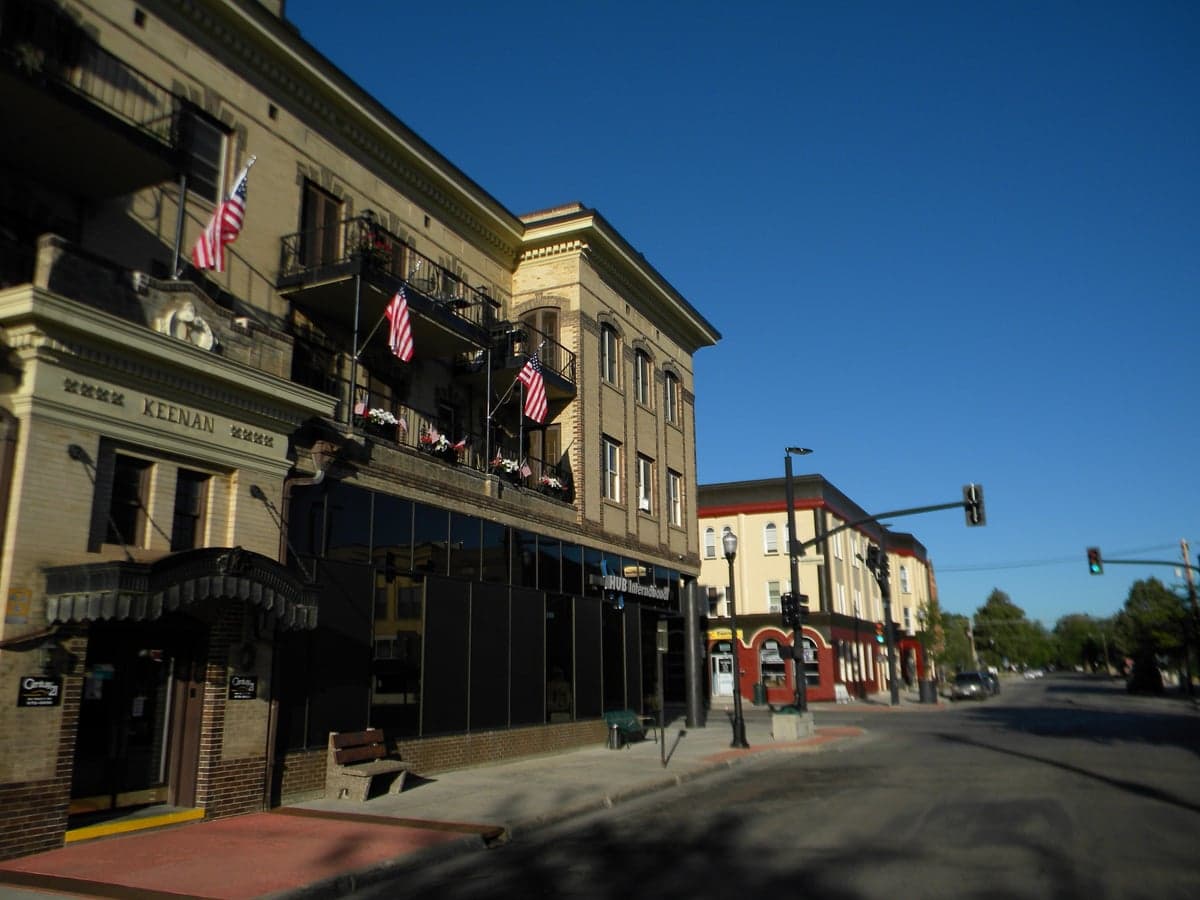
Photo: Wikipedia
Political ClimatePolitical Climate in Sheridan, WY
District shown is the primary district for this city’s centroid. Cities may span multiple districts.
Inherited from parent state — no local data available.
Local Political AnalysisPolitical Analysis of Sheridan, WY
Sheridan, Wyoming, sits in a deeply conservative pocket of the state, and it’s been that way for as long as anyone around here can remember. The Cook PVI clocks the area at R+23, which tells you the political lean is baked into the soil, not just a passing trend. But if you’ve lived here a while, you’ve seen the winds shift—not in the voting booth, where Republicans still clean up, but in the cultural undercurrents. The real story is how Sheridan balances its traditional Western independence against the creeping influence of out-of-state money and the progressive ideas that sometimes ride in with it.
How it compares
Drive an hour south to Buffalo, and you’ll find a similar conservative vibe, though it’s a little more rough-around-the-edges, less polished. Head west over the Bighorns into Cody or Powell, and the politics are just as red, but with a heavier dose of libertarian “leave me alone” energy. The real contrast is with Jackson Hole, about four hours southwest—that place is a different planet entirely, with its green-leaning politics and California-style regulations. Sheridan feels like the sane middle ground: conservative without being performative, but with a growing worry that the same forces that turned Jackson into a playground for the wealthy could start nibbling at our own backyard. The local school board and county commission races are where you see the tension most—fights over curriculum transparency and property rights that didn’t used to be necessary.
What this means for residents
For folks living here, the political climate means you can mostly live your life without the government breathing down your neck. Sheridan County has resisted mask mandates, vaccine passports, and the kind of emergency orders that turned other towns into police states during 2020. That’s not an accident—it’s a deliberate choice by local leaders who still believe the county belongs to the people, not the bureaucrats. But there’s a quiet concern that the influx of remote workers from blue states, while good for the economy, brings a voting bloc that doesn’t share that instinct. If you value your Second Amendment rights and don’t want zoning boards telling you what color to paint your barn, Sheridan is still a safe bet—for now. The long-term worry is that as the town grows, the old guard gets outvoted by newcomers who think “community input” means more regulations, not fewer.
On the cultural side, Sheridan has a few distinctions that set it apart. The local paper, the Sheridan Press, still runs editorials that sound like they were written by actual Wyomingites, not coastal transplants. The annual Rodeo Days and the WYO Theater are community anchors that don’t get politicized—everyone shows up regardless of party. But you’ll notice the city council has started debating things like “inclusive signage” and “sustainability plans” that would have been laughed out of the room a decade ago. It’s not a crisis yet, but it’s a warning light. The real test will be the next few election cycles: if Sheridan can keep its local government focused on property rights, low taxes, and personal freedom, it’ll stay the kind of place where you can raise a family without feeling like you’re under a microscope. If it starts chasing the same progressive fads as the rest of the country, well—that’s when you start looking at land in the next county over.

State Political ClimatePolitical Climate in Wyoming
State Political AnalysisPolitical Environment in the State
Wyoming is, and has long been, one of the most reliably Republican states in the Union, with a deep-rooted libertarian streak that prizes individual liberty, gun rights, and limited government. The state hasn't voted for a Democratic presidential candidate since 1964, and in 2024, Donald Trump carried it by a staggering 46 points. But beneath that red veneer, there's a real tension between the state's traditional, resource-extraction-based conservatism and a newer wave of freedom-focused transplants, creating a political climate that's more dynamic than the raw numbers suggest.
Urban vs. rural divide
The political map of Wyoming is less about urban vs. rural and more about the absence of any real urban counterweight. The largest city, Cheyenne, is reliably Republican, though it has a slightly more moderate, government-employee flavor due to the state capitol and F.E. Warren Air Force Base. The real engine of the state's conservatism is the rural expanse, particularly the oil and gas country of the southwest. Towns like Rock Springs and Green River in Sweetwater County are deep red, driven by energy-sector workers who view federal land-use restrictions as an existential threat. The one notable exception is Teton County, home to Jackson Hole, which is a deep-blue island of wealthy, out-of-state liberals and environmentalists. In 2024, Teton County voted for Kamala Harris by a 30-point margin, while the rest of the state was overwhelmingly Trump. This creates a stark, visible divide: the libertarian, resource-extraction ethos of the rest of the state versus the wealthy, green-politics of the ski resort corridor.
Policy environment
Wyoming's policy environment is a textbook example of small-government conservatism. There is no state income tax, and the state relies heavily on severance taxes from coal, oil, and natural gas, plus a 4% state sales tax (local options can push it to 6%). Property taxes are among the lowest in the nation, though a recent 2024 legislative session saw a push to further cap property tax increases for homeowners, a response to rising valuations driven by in-migration. The regulatory posture is aggressively pro-business, with minimal zoning in most counties and a right-to-work law. Education policy is a flashpoint: the state has a robust school choice movement, and in 2023, it passed a school voucher-like program (the Wyoming Freedom Scholarship Account) that allows parents to use public funds for private or homeschool expenses. On healthcare, the state has not expanded Medicaid under the ACA, a deliberate choice to avoid federal entanglement. Election laws are strict: voter ID is required, and the state has no same-day registration. The legislature is currently dominated by the Wyoming Freedom Caucus, a hardline conservative faction that has pushed the state further right on nearly every issue.
Trajectory & freedom
Wyoming is arguably becoming more free in the traditional sense, but the trajectory is not without controversy. The state has aggressively expanded gun rights: in 2023, it passed a constitutional carry law (no permit needed to carry a concealed firearm), and it has a "Second Amendment Sanctuary" statute that prohibits state enforcement of any future federal gun bans. On medical autonomy, Wyoming has some of the most restrictive abortion laws in the nation, with a near-total ban that took effect in 2023, though it's currently tied up in court challenges. Parental rights have been strengthened: the state passed a Parents' Bill of Rights in 2023, requiring schools to notify parents about curriculum changes and medical decisions. However, the state's freedom is increasingly threatened by federal overreach, particularly on public lands. The Biden administration's moratorium on new oil and gas leases on federal land has been a direct attack on Wyoming's economy, leading to a surge in "transfer of public lands" rhetoric. The state has also passed a law to create a state-run cryptocurrency bank, a move that signals a desire to be a haven for financial innovation and personal economic liberty.
Civil unrest & political movements
Wyoming is not a place of street protests or visible civil unrest. The political movements here are quieter, more organized, and deeply institutionalized. The most powerful movement is the Wyoming Freedom Caucus, which has effectively taken over the state legislature and is pushing for a "constitutional convention of states" to rein in federal power. There is a strong, organized anti-federal land movement, with groups like the Wyoming County Commissioners Association actively pushing for local control over federal lands. Immigration politics are a non-issue in the state, as the foreign-born population is tiny (under 4%), and there are no sanctuary cities. The most visible flashpoint for a new resident would be the Jackson Hole area, where the clash between wealthy, progressive newcomers and the local, conservative workforce is palpable. You'll see "Keep Wyoming Wyoming" bumper stickers, a direct reaction to the cultural and political changes brought by out-of-state money. There is also a growing, organized push for election integrity, with the state having already purged its voter rolls and implemented strict chain-of-custody rules for ballots.
Projection
Over the next 5-10 years, Wyoming will likely become even more conservative, but with a distinct libertarian flavor. The in-migration pattern is key: the people moving to Wyoming are not liberals fleeing blue states; they are conservatives and libertarians seeking lower taxes, fewer regulations, and more personal freedom. This will reinforce the Freedom Caucus's power and push the state toward even more aggressive policies on school choice, gun rights, and federal land defiance. The demographic shift is slow but real: the state is aging, and the energy sector is volatile. If coal continues to decline, the state will face a budget crisis that could force a reconsideration of its no-income-tax model, but the political will to raise taxes is virtually nonexistent. The biggest wildcard is federal land policy. If a future administration opens up more drilling and mining, the state's economy booms and its political identity solidifies. If federal restrictions tighten, expect a serious push for state sovereignty, possibly even a test of the "nullification" doctrine. A new resident moving in now should expect to find a state that is fiercely independent, increasingly hostile to federal authority, and culturally unified in its resistance to progressive ideology.
Bottom line for a new resident: If you're moving to Wyoming, you're moving to a place that takes personal freedom seriously, but you need to understand that freedom comes with trade-offs. You'll have low taxes, strong gun rights, and a government that largely stays out of your life. But you'll also have a volatile economy tied to resource extraction, a healthcare system with limited options, and a political environment that is actively hostile to any form of federal intervention. The state is a haven for those who want to be left alone, but it's not a place for anyone looking for government services or a diverse, cosmopolitan culture. It's a place where your vote actually counts, and where the political direction is clear: more freedom, less government, and a firm stand against the progressive tide.
* Values derived from national, state, county, city and local statistics and may differ in a specific area. Last updated: 2026-04-21T11:22:59.000Z
Narrative content on this page is AI-generated and may contain mistakes. Verify any details that matter before acting on them.
ReloMaps may earn a commission from affiliate links at no extra cost to you.

