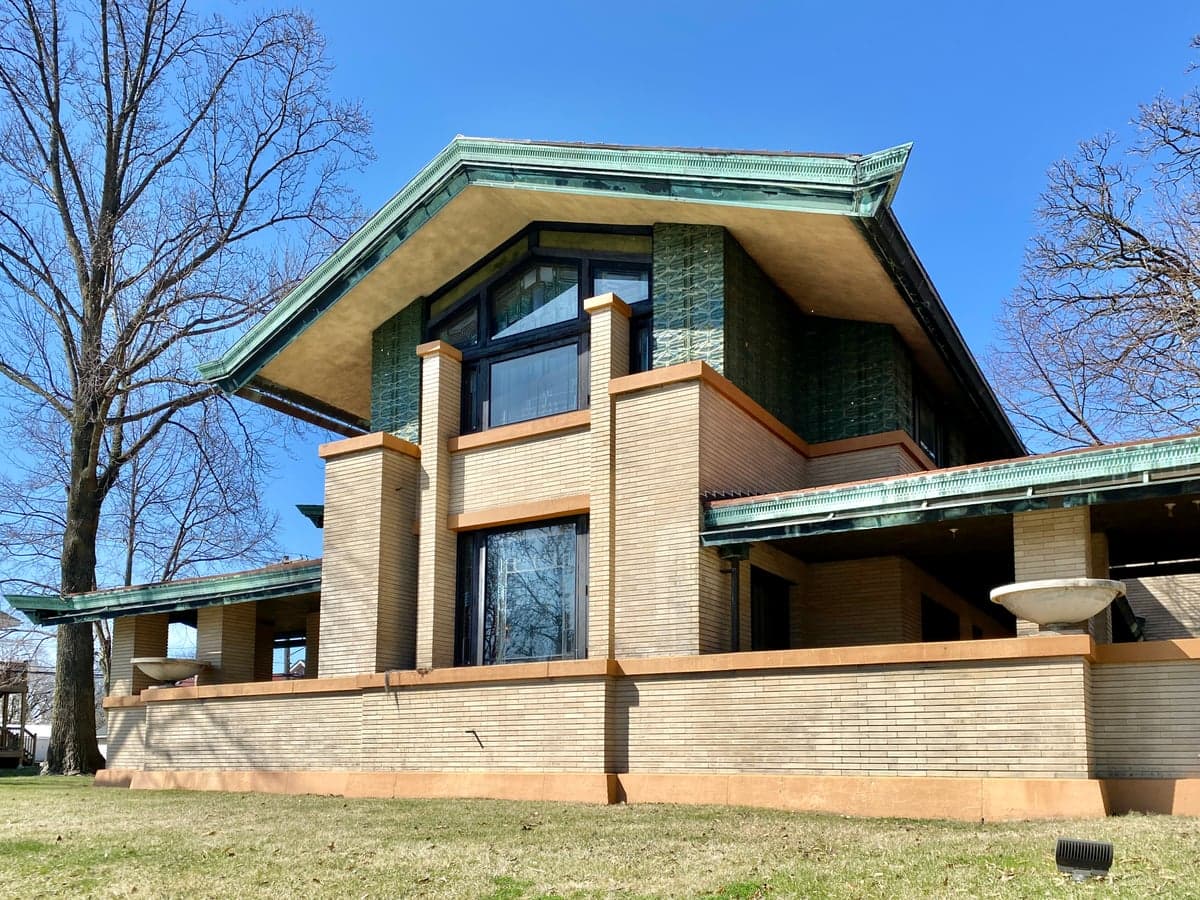
Photo: Wikipedia
Personal Sovereignty in Springfield, IL
Viable for self-reliance. Generally workable, though some barriers may limit total independence.
What does Personal Sovereignty tell us?
Personal Sovereignty measures your capacity for self-reliance and independence with minimal government friction. Higher scores mean fewer barriers between you and the way you want to live... but it assumes you have the space you need and good neighbors.
What does this tell us?
Personal Sovereignty measures your capacity for self-reliance and independence with minimal government friction. Higher scores mean fewer barriers between you and the way you want to live... but it assumes you have the space you need and good neighbors.
State Policy
Energy independence: Importer (45% of energy produced in-state)
Personal Liberty
Homesteading

Personal Liberty Analysis
Springfield, Illinois presents a challenging environment for personal sovereignty, where state-level overreach significantly constrains the autonomy that conservative-leaning individuals and families might seek. As the state capital, Springfield is ground zero for Illinois’s aggressive regulatory and tax policies, making it a location where self-reliance requires constant vigilance against government intrusion. For those prioritizing freedom from state control—whether in financial matters, self-defense, or family decisions—Springfield demands a clear-eyed assessment of the trade-offs between its relatively low cost of living and the heavy hand of state authority.
Tax burden and regulatory posture: How Illinois’s fiscal policies erode personal autonomy
Illinois’s tax structure is a primary threat to personal sovereignty in Springfield. The state imposes a flat income tax rate of 4.95%, which, while not the highest nationally, is paired with some of the highest property taxes in the country. In Sangamon County, effective property tax rates often exceed 2% of a home’s assessed value, meaning a $200,000 home could carry an annual tax bill of $4,000 or more. This burden directly reduces the capital available for self-reliant investments like land, tools, or emergency savings. Compounding this, Illinois’s sales tax rate in Springfield is 8.5% (state plus local), hitting everyday purchases hard. The state’s regulatory posture is equally stifling: Illinois has a complex web of business licensing, environmental regulations, and occupational licensing requirements that make it difficult to operate a small homesteading or trade business without bureaucratic entanglements. For a prepper or survivalist, every dollar and hour spent complying with state mandates is a dollar and hour not spent on building resilience. The state’s pension debt crisis also looms, signaling that future tax increases are likely, further eroding long-term financial autonomy.
Self-defense and gun law specifics: Navigating Illinois’s restrictive firearm environment
For those who view the Second Amendment as a cornerstone of personal sovereignty, Springfield is a deeply restrictive environment. Illinois requires a Firearm Owner’s Identification (FOID) card for mere possession of firearms or ammunition, a process that involves state background checks and can face delays. For concealed carry, a separate Concealed Carry License (CCL) is mandatory, requiring 16 hours of state-approved training, a fee, and a background check. This creates a two-tier system that the state can effectively shut down through administrative delays. Springfield itself is a “home rule” municipality, meaning it can enact local ordinances that further restrict firearms, such as bans on certain types of ammunition or storage requirements. The state’s 2023 ban on “assault weapons” and high-capacity magazines directly impacts preppers who value AR-15s or similar platforms for defense. Magazine capacity is capped at 10 rounds for long guns and 15 for handguns, severely limiting defensive capability. Stand-your-ground laws are absent; Illinois imposes a “duty to retreat” in public spaces before using deadly force, except in one’s own home. Castle doctrine is recognized but narrowly defined. For a survivalist, the legal landscape around self-defense in Springfield is a minefield of compliance costs and legal risks that could turn a justified defensive action into a criminal prosecution.
Self-reliance and homesteading viability: Lot sizes, zoning, and off-grid feasibility in Springfield
Springfield’s urban and suburban zoning presents significant hurdles for those seeking true self-reliance. Within the city limits, standard residential lots are typically one-quarter acre or less, with strict zoning codes that prohibit livestock, extensive gardening for sale, or structures like workshops and root cellars without permits. Off-grid living is effectively illegal within city limits: Illinois law requires connection to municipal water and sewer where available, and building codes mandate grid-tied electrical systems for new construction. Rainwater collection is permitted but regulated, and solar panel installation requires permits and utility interconnection agreements. For those willing to move to unincorporated Sangamon County, lot sizes increase to one acre or more, and zoning becomes more permissive. However, even there, county health departments regulate septic systems and wells, and building codes still apply. The cost of land in the county is relatively affordable—around $5,000–$10,000 per acre—but the regulatory burden of building a self-sufficient homestead (with a well, septic, solar, and food production) can easily add $20,000–$40,000 in permits, engineering studies, and inspections. For a prepper, the Springfield area offers a viable but heavily regulated path to rural self-reliance, requiring significant capital and patience to navigate the bureaucracy.
Personal liberties: Parental rights, medical autonomy, speech, and property in Springfield
Parental rights in Illinois are under constant assault from state mandates. The state has eliminated parental notification for minors seeking abortions and mandates comprehensive sex education in public schools that includes LGBTQ+ content, overriding parental opt-out in many cases. Illinois also has a “safe-T” act that eliminated cash bail, which critics argue reduces accountability for crimes that affect families, like theft or vandalism. Medical autonomy is severely limited: Illinois has strict vaccine mandates for school attendance, and during the COVID-19 pandemic, Springfield saw aggressive enforcement of mask and vaccine requirements. The state’s medical marijuana program is legal but heavily taxed and regulated, and recreational cannabis is legal but with strict limits on home cultivation (five plants per household). Free speech is constitutionally protected, but Illinois has broad hate crime laws that can be used to prosecute speech deemed threatening or harassing, creating a chilling effect. Property rights are weak: Illinois has strong eminent domain powers, and the state’s progressive property tax system means that improving your home can trigger a reassessment and higher taxes. For a conservative individual, the cumulative effect is a state that actively undermines family autonomy, medical choice, and property rights, requiring constant legal vigilance to protect basic freedoms.
Overall, Springfield offers a low baseline cost of living but demands a high price in personal sovereignty. Compared to states like Texas, Tennessee, or Missouri, Illinois’s tax burden, gun restrictions, and regulatory overreach make it a poor choice for those prioritizing maximum autonomy. For a survivalist or prepper, the area’s central location and relatively affordable land are offset by a hostile legal environment that treats self-reliance as a threat to be managed rather than a right to be protected. If you value minimal government interference in your finances, family, and defense, Springfield is a location to approach with extreme caution—or to avoid altogether in favor of freer states. The strategic relocation decision here is not about whether you can survive in Springfield, but whether you can thrive under the weight of a state that sees personal sovereignty as an obstacle to be overcome.

* Values derived from national, state, county, city and local statistics and may differ in a specific area. Last updated: 2026-04-23T09:38:33.000Z
Narrative content on this page is AI-generated and may contain mistakes. Verify any details that matter before acting on them.
ReloMaps may earn a commission from affiliate links at no extra cost to you.

