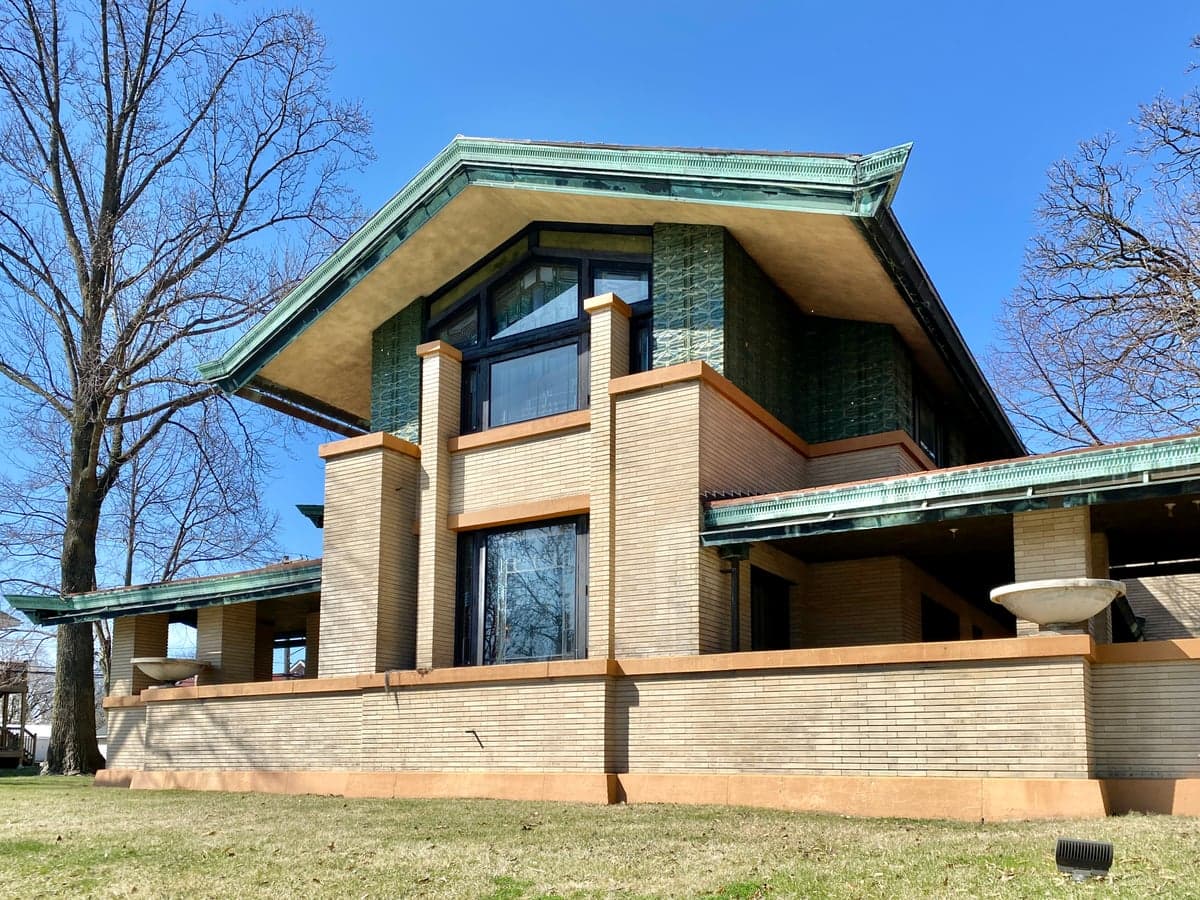
Photo: Wikipedia
Political ClimatePolitical Climate in Springfield, IL
District shown is the primary district for this city’s centroid. Cities may span multiple districts.
Local Political AnalysisPolitical Analysis of Springfield, IL
Springfield, Illinois, has long been a Democratic stronghold, but the political landscape here is more complicated than the raw numbers suggest. The Cook PVI rating of D+5 tells you the city leans blue, but that's a relatively moderate tilt compared to places like Chicago or even Champaign. What you're really seeing is a city that's been shifting leftward over the past decade, and not in a way that sits well with folks who value personal freedoms and limited government. The old-school, union-backed Democrats who used to run things are being replaced by a more progressive crowd, and the change is palpable if you've lived here long enough.
How it compares
Drive just 20 miles outside the city limits, and you're in a completely different world. Towns like Chatham, Rochester, and Sherman are reliably conservative, with voters who view Springfield's recent policy moves with a lot of skepticism. Head west to Jacksonville or south to Taylorville, and you'll find communities that vote red by wide margins. The contrast is stark: while Springfield's city council has been pushing things like sanctuary city policies and stricter gun ordinances, the surrounding counties are fighting to keep property taxes low and local control intact. Even within Sangamon County, the rural precincts regularly vote 60-70% Republican, creating a real urban-rural divide that's only gotten wider since 2020.
What this means for residents
If you're a conservative or even a moderate who values personal liberty, you're going to feel the squeeze in Springfield. The city government has been steadily expanding its reach into areas that used to be left to individuals and families. We're talking about things like mandatory paid leave mandates that hit small businesses hard, zoning changes that make it harder to own a firearm, and a general attitude that the government knows best. Property taxes are already among the highest in the state, and the city's pension obligations keep climbing, meaning you're paying more for less freedom. The school board has also taken a sharp progressive turn, with curriculum changes that prioritize social justice over academic fundamentals. For a lot of long-time residents, it feels like the city is solving problems that don't exist while ignoring the ones that do, like crumbling infrastructure and public safety concerns.
On the cultural side, Springfield still has its charms—the historic Route 66 vibe, the Lincoln sites, and some genuinely good local restaurants. But the political drift is real. The annual Pride parade gets bigger every year, and the city council recently voted to make the city a "Welcoming City" for undocumented immigrants, which has stirred up a lot of debate. The state government's influence is impossible to ignore, with the governor's mansion and the legislature pushing through policies on everything from energy mandates to criminal justice reform that directly affect daily life here. If you're considering a move, I'd say come visit, spend a weekend, and talk to people at the coffee shops and hardware stores. The political climate here isn't just about who you vote for—it's about whether you're comfortable with a government that's increasingly comfortable telling you how to live. For my money, the surrounding towns offer a better balance of community and freedom, but Springfield itself is a place you'll either love or learn to tolerate.

State Political ClimatePolitical Climate in Illinois
State Political AnalysisPolitical Environment in the State
Illinois has been a reliably blue state in presidential elections for decades, but its political climate is far from monolithic. The state’s overall partisan lean is solidly Democratic, driven overwhelmingly by the Chicago metropolitan area, while the rest of the state—particularly central and southern Illinois—votes just as reliably Republican. Over the last 10-20 years, the Democratic coalition has consolidated power in Springfield, passing a wave of progressive legislation on taxes, guns, and social policy, while downstate conservatives have grown increasingly frustrated and politically marginalized. For a conservative considering a move, the state presents a stark choice: live in a high-tax, heavily regulated blue stronghold or in a red-leaning rural area that is fighting to hold its ground against a dominant state government.
Urban vs. rural divide
The political map of Illinois is a textbook example of the urban-rural split. Cook County, home to Chicago, casts roughly 40% of the state’s total vote and delivers margins of 70-80% for Democratic candidates. The collar counties—DuPage, Lake, Kane, Will, and McHenry—have been trending blue over the past decade, with once-Republican suburbs like Naperville and Arlington Heights now reliably Democratic. Meanwhile, downstate regions like the Metro East area (across from St. Louis), the Quad Cities, and the southern tip around Cairo vote heavily Republican. The “flipped” counties to watch are in the exurbs: Kendall County, once a GOP stronghold, went for Biden in 2020, while McHenry County remains a competitive battleground. The rural counties of central Illinois—places like Effingham, Decatur, and Quincy—are deeply red, but their votes are increasingly drowned out by the Chicago metro’s population advantage.
Policy environment
Illinois’s policy environment is defined by high taxes and expansive government. The state has a flat income tax rate of 4.95%, but a 2020 advisory referendum to switch to a progressive tax failed, though the legislature continues to push for it. Property taxes are among the highest in the nation, averaging over 2% of home value, with Cook County leading the pack. The regulatory posture is heavily pro-union and pro-regulation: Illinois is a “right-to-work” state in name only, with prevailing wage laws and project labor agreements common. Education policy is dominated by the Chicago Teachers Union, which has successfully blocked charter school expansion and secured generous pension benefits. Healthcare is heavily regulated, with the state expanding Medicaid under the Affordable Care Act and mandating abortion coverage in all private insurance plans. Election laws are among the most liberal in the country: Illinois has no voter ID requirement, automatic voter registration, and same-day registration, which critics argue undermines election integrity. The state also has a sanctuary state law (the TRUST Act) that limits local law enforcement cooperation with federal immigration authorities.
Trajectory & freedom
Over the past five years, Illinois has moved decisively toward less personal freedom, particularly for gun owners and parents. In 2023, the state passed the Protect Illinois Communities Act, which bans the sale of many semi-automatic rifles and high-capacity magazines, and requires existing owners to register them with the state police. This law is currently being challenged in court, but it represents a major expansion of government control over firearms. On parental rights, the state passed a law in 2024 that allows minors to receive gender-affirming care without parental consent, a move that has sparked outrage among conservative families. Medical autonomy has also been curtailed: Illinois has some of the most permissive abortion laws in the nation, with no gestational limits and taxpayer funding for abortions. Property rights are under pressure from a state-level “just cause” eviction law being debated, and the state’s high property taxes effectively function as a wealth tax on homeowners. On the positive side for conservatives, Illinois has no state-level rent control and no state income tax on retirement income, which is a small but meaningful freedom for retirees.
Civil unrest & political movements
Illinois has seen significant civil unrest and political activism in recent years. The 2020 George Floyd protests in Chicago turned into widespread looting and property destruction, with the city’s response criticized as lax. The state’s sanctuary policies have made it a magnet for illegal immigration, with busloads of migrants sent from Texas straining Chicago’s resources and sparking local backlash. On the right, the “Illinois Freedom Caucus” in the state legislature has been a vocal but outnumbered opposition, pushing for school choice, tax caps, and Second Amendment protections. Secession talk is real in downstate Illinois: several counties have passed symbolic resolutions to explore leaving the state and forming a new state called “New Illinois,” though the movement has no legal path to success. Election integrity remains a flashpoint, with conservative groups alleging that the state’s mail-in voting expansion and lack of voter ID laws create opportunities for fraud. The 2022 gubernatorial race saw Republican Darren Bailey win heavily downstate but lose decisively statewide, highlighting the political divide.
Projection
Over the next 5-10 years, Illinois is likely to become even more Democratic and more progressive. Demographic trends favor the Chicago metro area, which continues to grow while downstate populations shrink. In-migration from other blue states, particularly California and New York, is accelerating the shift in the collar counties. The state’s fiscal situation is precarious, with a massive unfunded pension liability of over $140 billion, which will likely force future tax increases or service cuts. For a conservative moving in now, the expectation should be that the state government will continue to expand its reach into personal lives, particularly on gun control, education, and healthcare. The downstate red areas will remain culturally conservative but will have less and less political power. The best bet for a conservative is to live in a red-leaning exurb like Oswego or Yorkville, or in a rural county like Effingham or McHenry, where local governments are more aligned with conservative values, but state-level policies will still apply.
For a new resident, the bottom line is this: Illinois offers a high cost of living, heavy regulation, and a government that is actively hostile to conservative values on guns, education, and parental rights. If you’re willing to pay the taxes and accept the restrictions, you can find a good life in a red pocket of the state. But if personal freedom and limited government are your top priorities, you’ll likely find Illinois increasingly frustrating. The state is not going to flip red anytime soon, and the trajectory is toward more progressive policies, not less. Choose your county carefully, and be prepared for a long-term fight to preserve your rights at the local level.
* Values derived from national, state, county, city and local statistics and may differ in a specific area. Last updated: 2026-04-23T09:38:33.000Z
Narrative content on this page is AI-generated and may contain mistakes. Verify any details that matter before acting on them.
ReloMaps may earn a commission from affiliate links at no extra cost to you.

