Political ClimatePolitical Climate in Star Valley Ranch, WY
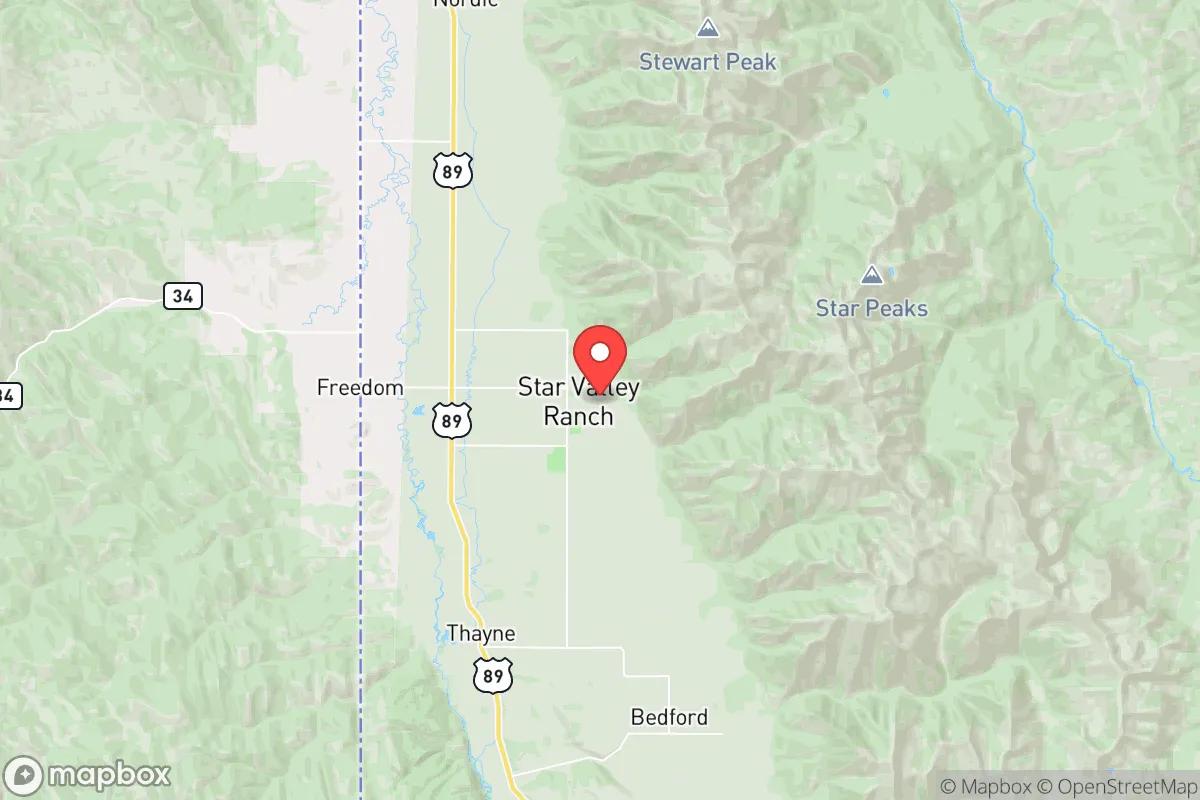
District shown is the primary district for this city’s centroid. Cities may span multiple districts.
Inherited from parent state — no local data available.
Local Political AnalysisPolitical Analysis of Star Valley Ranch, WY
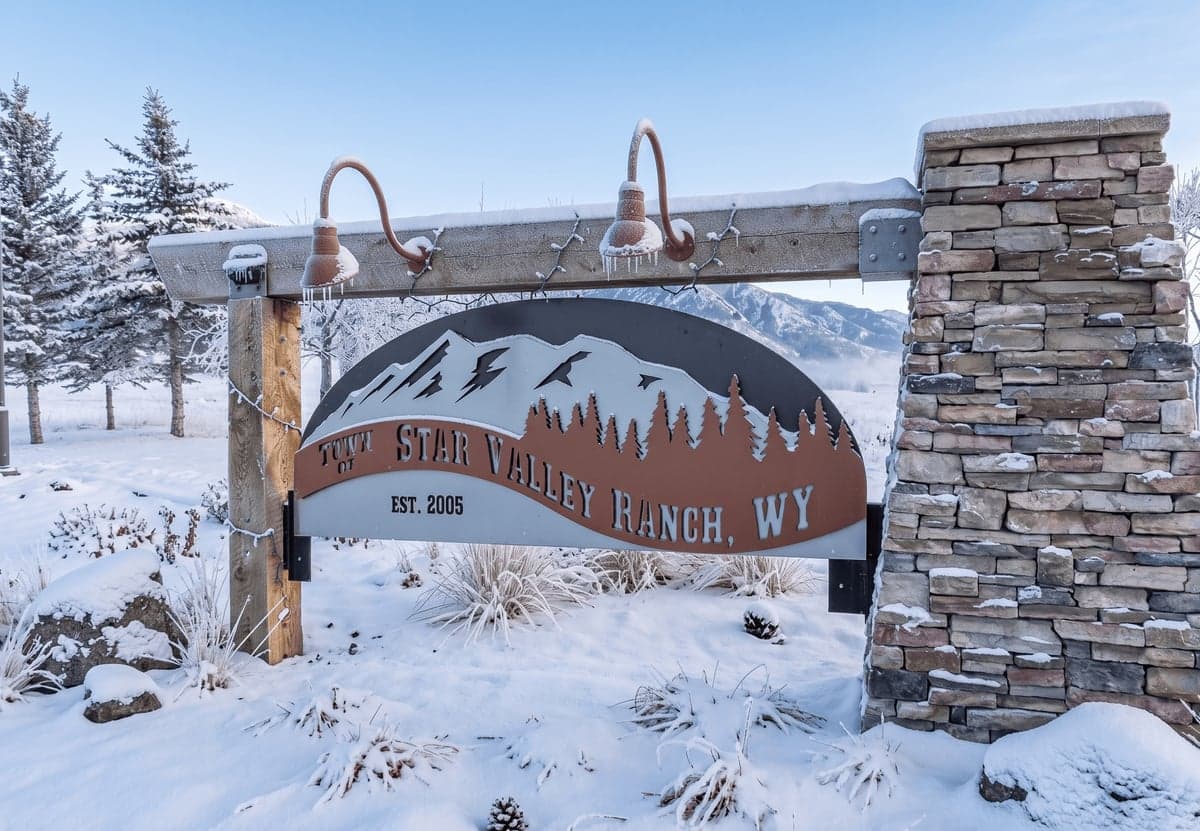
Star Valley Ranch, Wyoming, sits in a deeply conservative pocket of the state, with a Cook PVI of R+23 that reflects a community where traditional values and limited government aren’t just talking points—they’re the bedrock of daily life. This isn’t a place that’s drifted leftward over the years; if anything, the political climate here has hardened in its resistance to the kind of progressive overreach you see creeping into places like Jackson Hole, just over the pass. The ranch itself has long been a haven for folks who want to be left alone, and the voting patterns show it: Republicans routinely win by margins that make national races look like nail-biters. But I’ve watched this area for decades, and while the core stays solid, there’s a quiet unease about how outside pressures—from federal land policies to cultural shifts—might try to chip away at what makes this place work.
How it compares
Drive 45 minutes east to Afton, and you’ll find a similar conservative vibe, though Star Valley Ranch tends to be even more insular and resistant to change. The real contrast is with Jackson, about an hour south, where the PVI flips to a competitive R+5 or even leans left in local races thanks to the ski resort crowd and out-of-state money. That’s a world away from here. In Star Valley Ranch, you don’t see the same push for bike lanes, density zoning, or the kind of “green” mandates that jack up housing costs and tell you how to heat your home. The surrounding Lincoln County is solidly red, but the ranch itself feels like a last stand against the kind of government overreach that’s turned other mountain towns into playgrounds for the wealthy and regulatory nightmares for the locals. If you’re looking for a place where your property rights still mean something and the county commission isn’t itching to impose new fees or land-use restrictions, this is it.
What this means for residents
For the people living here, the political climate translates into a hands-off approach from local government that’s becoming rare. You won’t find the same level of permitting headaches or code enforcement that plagues communities in Colorado or even parts of Teton County. That said, there’s a growing concern about the long-term trajectory. The same federal overreach that’s locked up timber and grazing lands in the Bridger-Teton National Forest is a constant threat, and every election cycle brings new proposals for carbon taxes or public land transfers that could hit rural Wyoming hard. The local school board and county commission are still dominated by folks who believe in personal responsibility over government programs, but I’ve seen a few new faces in recent years who talk about “diversity initiatives” and “climate resilience”—code words for the same progressive agenda that’s hollowed out communities elsewhere. It’s not a crisis yet, but it’s something to watch.
Culturally, Star Valley Ranch holds onto a distinct Western independence that’s more than just political—it’s about how people live. Neighbors help each other without a government program, and the idea of a “livable wage” mandate or rent control would be laughed out of a town meeting. The biggest policy distinction here is the near-total absence of zoning beyond basic septic and safety rules, which keeps housing affordable and lets people build the kind of life they want. But that freedom is fragile. If the progressive wave that’s reshaped places like Bozeman or Durango ever crests over the Salt River Range, you’ll see it first in the push for “affordable housing” ordinances that actually drive up costs, or in school curriculum changes that prioritize activism over academics. For now, Star Valley Ranch remains a place where you can still breathe free—but you’ve got to stay vigilant, because the fight to keep it that way never really ends.

State Political ClimatePolitical Climate in Wyoming
State Political AnalysisPolitical Environment in the State
Wyoming is one of the most reliably conservative states in the nation, with a Republican Party registration advantage that has only grown over the past two decades. The state has not voted for a Democratic presidential candidate since 1964, and in 2024, Donald Trump carried Wyoming by a margin of roughly 40 points. The dominant coalition is a blend of traditional ranchers, energy-sector workers, and a growing number of freedom-minded transplants fleeing blue states. Over the last 10-20 years, the GOP has consolidated power at every level, with Democrats now holding zero statewide offices and only a handful of legislative seats. This isn't a purple state trending blue—it's a deep-red state that has only gotten redder as progressive policies in neighboring Colorado and Montana push more conservative families northward.
Urban vs. rural divide
The political map of Wyoming is stark: the few small cities lean slightly more moderate, but the vast rural expanse is overwhelmingly conservative. Cheyenne, the state capital and largest city, is the most politically competitive area, with Laramie County occasionally electing a moderate Democrat to the legislature. Casper (Natrona County) is reliably red but has a small pocket of progressive activism tied to the energy transition debate. Jackson (Teton County) is the glaring exception—a wealthy resort town that votes solidly Democratic, often by 30-point margins, driven by out-of-state money and a tourism-based economy. But Teton County is an island; the rest of the state, from Gillette in the coal-rich Powder River Basin to Rock Springs in the southwest, votes 70-80% Republican. The rural-urban divide here isn't about big cities versus small towns—it's about the handful of population centers versus the vast, deeply conservative hinterland that dominates the legislature.
Policy environment
Wyoming's policy environment is a conservative dream in many respects, but with some notable wrinkles. There is no state income tax, and property taxes are among the lowest in the nation, though a recent 2024 property tax relief bill (SF 54) capped annual increases to help homeowners. The regulatory posture is light-touch, especially for energy extraction and agriculture. Education policy is a mixed bag: the state funds schools through a mineral trust, but per-pupil spending is below the national average, and there is no school choice program beyond limited charter options. Healthcare is a persistent concern—Wyoming has not expanded Medicaid, and rural hospital closures are a real issue. Election laws are solid: voter ID is required, same-day registration is not allowed, and the state has no mail-in ballot expansion. The legislature is currently debating a bill to ban ranked-choice voting and restrict out-of-state ballot initiatives. For a conservative, the policy environment is generally favorable, but the lack of school choice and healthcare access are the two biggest pain points.
Trajectory & freedom
Wyoming is becoming more free in several key areas, but there are warning signs. On gun rights, the state passed constitutional carry in 2017 and a 2023 law (HB 104) prohibits enforcement of any federal gun ban passed after that date—a direct nullification move. Parental rights were strengthened with the 2023 "Parents' Bill of Rights" (SF 109), which requires schools to notify parents of any curriculum involving sexuality or gender identity. Medical autonomy is strong: Wyoming has no vaccine mandate, and a 2022 law prohibits discrimination based on vaccination status. However, property rights are under pressure from the federal government, which owns nearly 50% of the state's land, and from a growing push for wind and solar development that some ranchers see as an infringement. The biggest freedom concern is the state's reliance on mineral extraction revenue—if the energy transition accelerates, the state budget could face a crisis, potentially forcing tax hikes or spending cuts that would reduce personal liberty. For now, Wyoming remains one of the freest states in the union, but that freedom is tied to a volatile industry.
Civil unrest & political movements
Wyoming is not a hotbed of civil unrest, but there are organized movements worth noting. The Wyoming Freedom Caucus has grown in influence, pushing for school choice, election integrity, and anti-federal overreach. In 2023, they successfully blocked a proposed state-run retirement plan that they argued would compete with private options. On the left, the Wyoming Democratic Party is a shell, but environmental groups like the Sierra Club and the Wyoming Outdoor Council are active, particularly in opposing new oil and gas leases. Immigration politics are muted—Wyoming has no sanctuary cities, and the legislature passed a 2024 bill (HB 160) requiring local law enforcement to cooperate with ICE. Election integrity controversies are minimal, though the 2022 primary saw a brief dispute over mail-in ballot drop boxes. The most visible flashpoint is the ongoing tension between the energy industry and environmental activists, with protests at coal mines and BLM lease sales drawing small but passionate crowds. A new resident would notice a general sense of political stability, with the occasional flare-up over federal land management.
Projection
Over the next 5-10 years, Wyoming will likely remain deeply conservative, but demographic shifts could introduce new dynamics. The state is seeing a slow but steady influx of remote workers and retirees from Colorado and California, many of whom are conservative but may bring different priorities—like support for school choice or opposition to property tax increases. The biggest wildcard is the energy transition: if coal and oil decline faster than expected, the state budget will face severe strain, potentially forcing a sales tax increase or a new income tax, which would be a major blow to the state's freedom-friendly reputation. The Gillette area, which depends on coal, could see population loss, while Laramie and Cheyenne may grow as hubs for remote workers and tech-adjacent industries. The political trajectory is toward more hardline conservatism, with the Freedom Caucus likely to gain more seats. A resident moving in now should expect a state that remains red, but with growing internal debates over how to balance freedom with fiscal sustainability.
For a new resident, the bottom line is this: Wyoming offers a high degree of personal freedom, low taxes, and a political culture that respects individual rights. But it's not a libertarian paradise—the state has real challenges with healthcare access, school choice, and economic diversification. If you value minimal government and a rural lifestyle, you'll feel at home. If you're looking for a vibrant economy or top-tier schools, you may need to adjust expectations. The political climate is stable and conservative, but it's also insular—newcomers should be prepared to engage locally to protect the freedoms that drew them here in the first place.
* Values derived from national, state, county, city and local statistics and may differ in a specific area. Last updated: 2026-04-21T10:51:55.000Z
Narrative content on this page is AI-generated and may contain mistakes. Verify any details that matter before acting on them.
ReloMaps may earn a commission from affiliate links at no extra cost to you.

