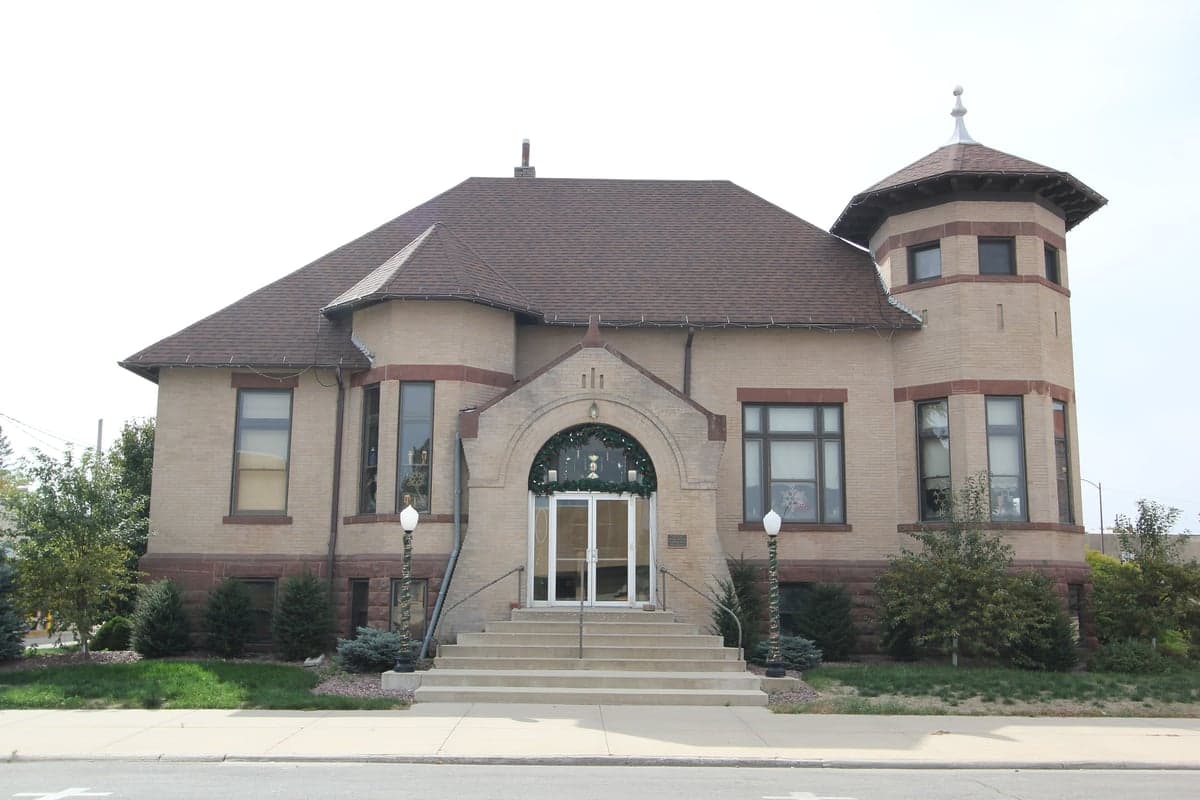
Photo: Wikipedia
Strategic Assessment of Storm Lake, IA
Workable tactical position. Some exposure to population density or targets, but generally defensible in a crisis.
What does the Strategic Assessment tell us?
Our Strategic Assessment grades tactical survivability of an area. Major population centers, military targets, fallout zones, natural disasters, and border exposure all drive risk — lower exposure means a more defensible position in a crisis.
This is heavily inspired by Joel Skousen's Strategic Relocation book. Highly recommended you checkout the book ($)What does this tell us?
Our Strategic Assessment grades tactical survivability of an area. Major population centers, military targets, fallout zones, natural disasters, and border exposure all drive risk — lower exposure means a more defensible position in a crisis.
This is heavily inspired by Joel Skousen's Strategic Relocation book. Highly recommended you checkout the book ($)Strategic Pillars

Key Distances
Regional Safe Places
Below is our recommended "safe zones" in Iowa and the surrounding area based on our strategic heuristics. For most people, it's unrealistic to live in a “safe zone” full-time due to work, family or other personal reasons. They tend to be more rural. However, many of these areas are perfect for second homes and retreat properties that double as a vacation home or even a short-term rental.
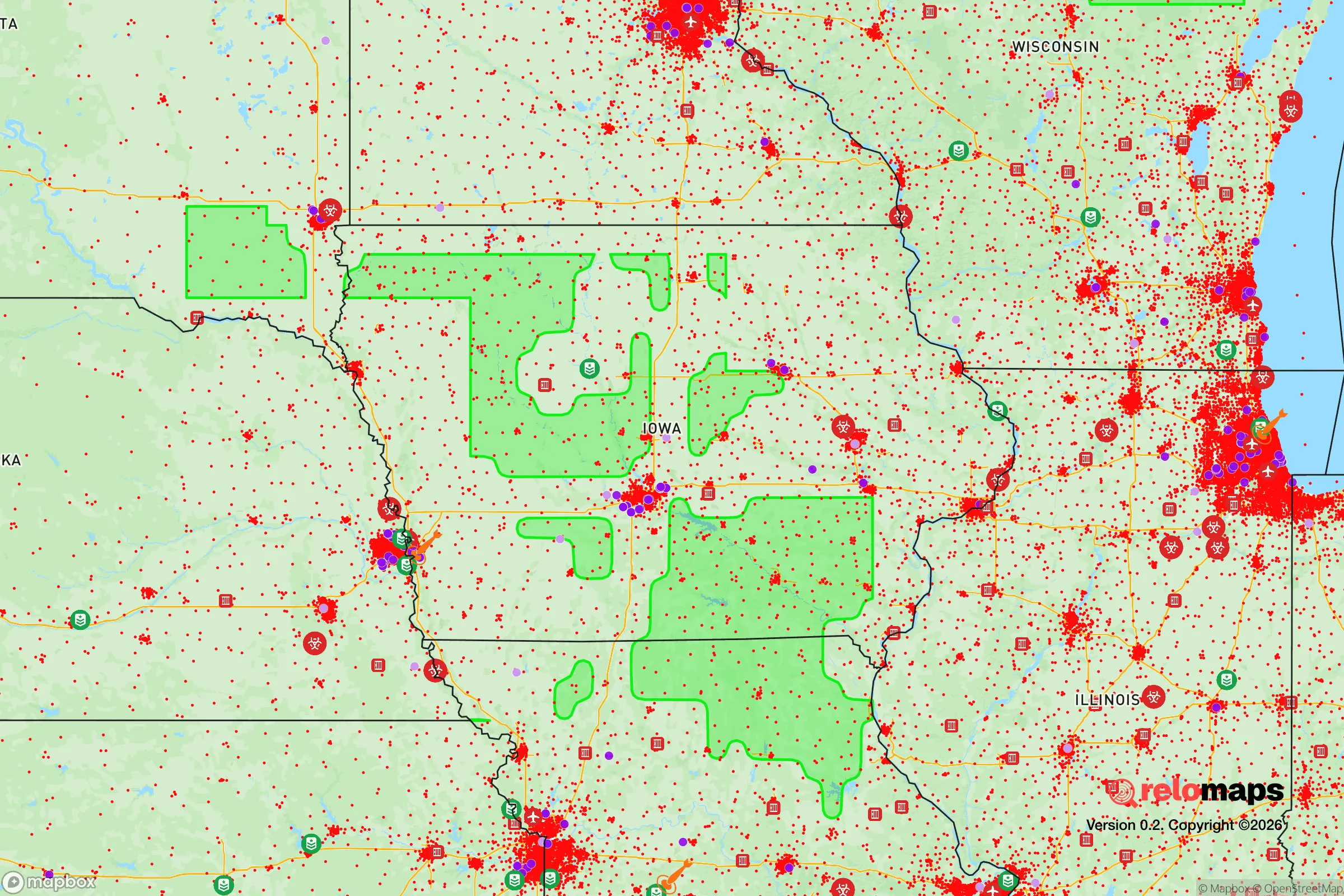
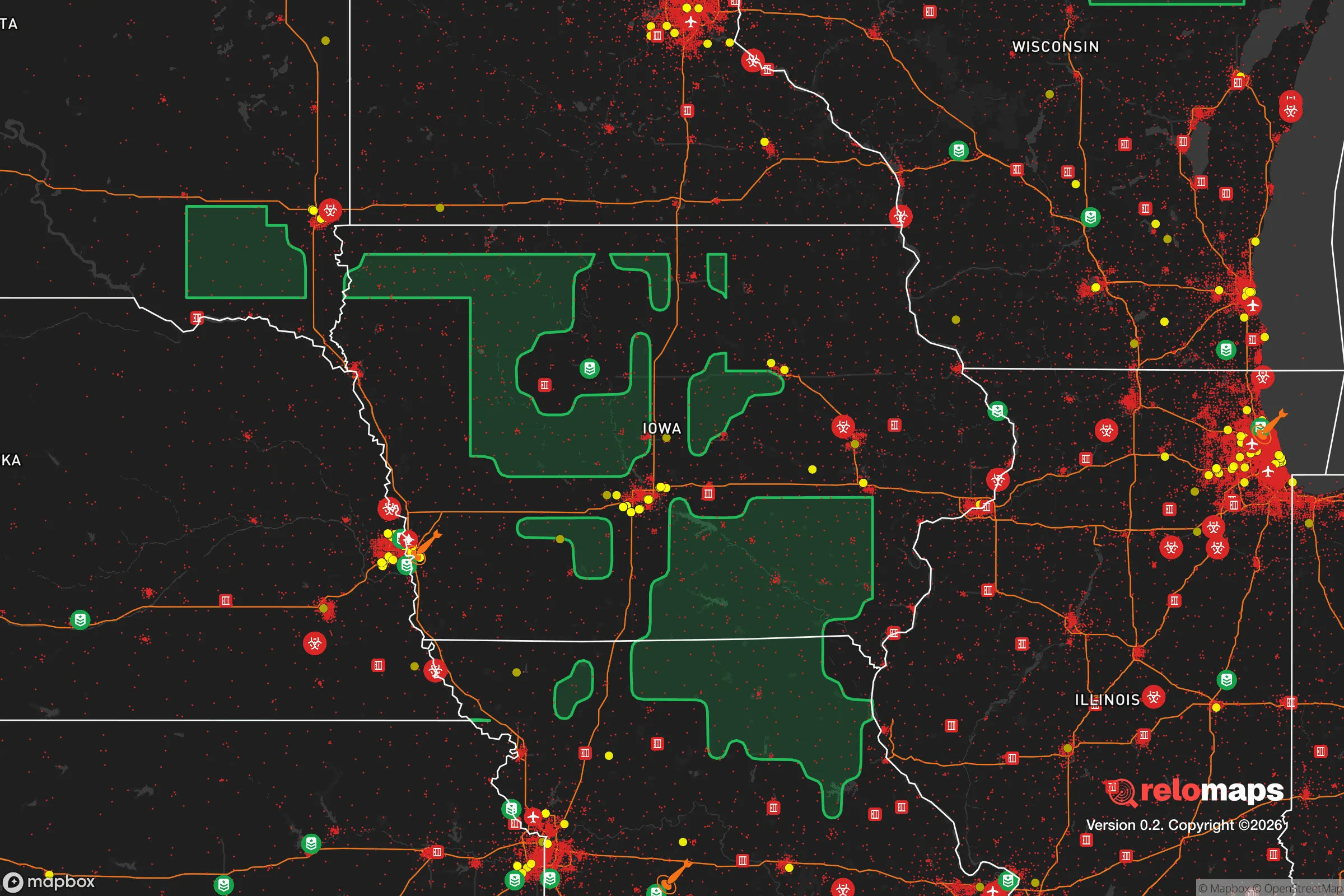


Important Note: For informational purposes only. This does not mean nothing bad ever happens in the green zones. Please use common sense. This is based on public data and modeled with AI. We tried to take a conservative approach but mistakes happen. We update this regularly as new information becomes available.
Solar Generator Recommendations
Backup power matters more here than in safer locations. We've picked three solar generators across budgets and capacity tiers — start with the budget unit if you only need a few essentials, or step up if you want to run a fridge and HVAC for days at a time.

Jackery Portable Power Station Explorer 300
Budget OptionPower on the Go: Weighing only 11 lbs, it's convenient to set up and store with book-sized foldable solar panels

BLUETTI Portable Power Station AC180
Designed for both indoor and outdoor scenarios, AC180 is highly capable as it has a robost capacity and continuous output power.

EF ECOFLOW DELTA Pro Ultra Power Station
Upgraded PickEcoFlow DELTA Pro Ultra is a whole-home energy system designed to grow with your family. Integrated with the Smart Home Panel 2, it scales to meet your evolving energy needs — keeping your home powered, intelligent, and secure through every stage of life.
We earn a commission, at no additional cost to you.
Strategic Assessment Analysis
Storm Lake, Iowa, presents a surprisingly resilient option for those prioritizing strategic relocation in an era of uncertainty. While not a remote mountain redoubt, this northwest Iowa community of roughly 11,000 offers a compelling blend of agricultural self-sufficiency, geographic isolation from major population centers, and a robust local economy that has weathered national turbulence. For the conservative-minded prepper or survivalist, Storm Lake’s real advantage lies in its position as a functional, low-profile hub where daily life can continue with minimal disruption, even as larger systems falter. It is a place where the fundamentals—food, water, and community—are still tangible, not abstract concepts.
Geographic position and natural advantages for long-term stability
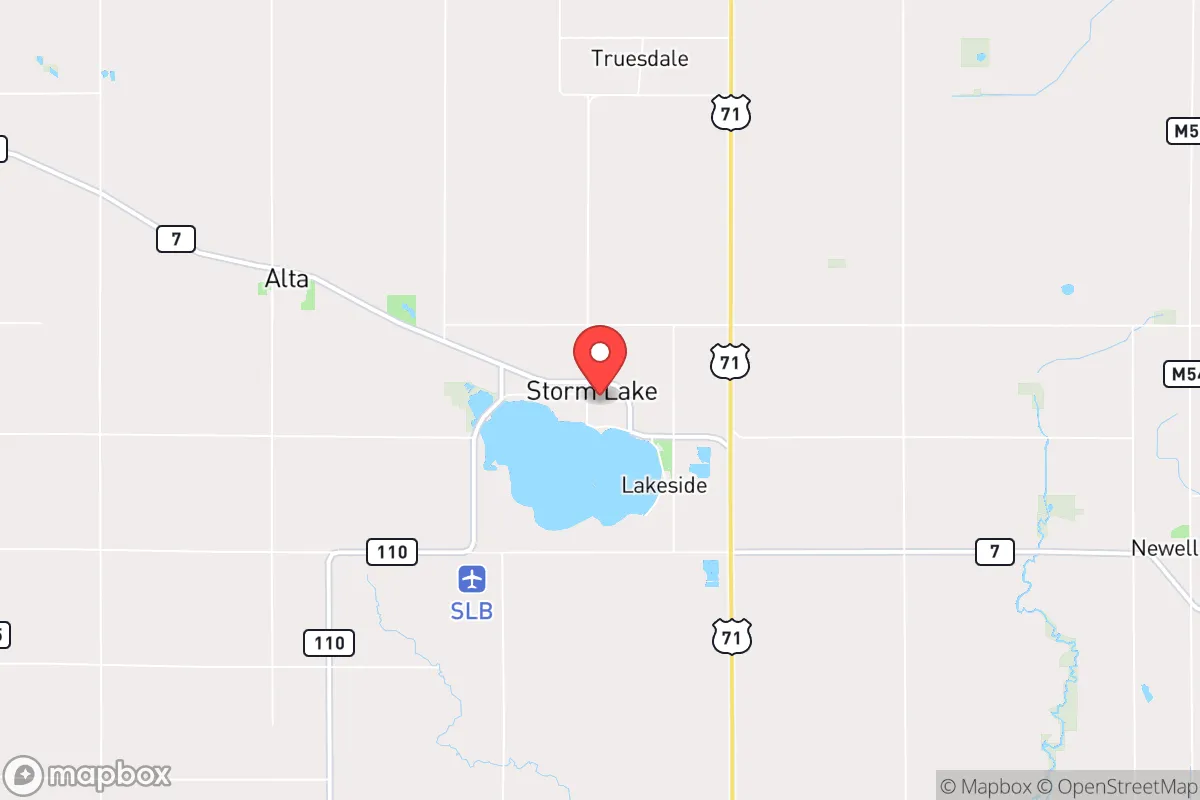
Storm Lake sits in Buena Vista County, roughly equidistant from Sioux City (75 miles), Sioux Falls (90 miles), and Des Moines (150 miles). This positioning is a double-edged sword, but for the prepper, it leans heavily toward advantage. The town is far enough from any major metropolitan area to avoid the immediate crush of a fleeing population during a crisis, yet close enough to access regional medical and supply hubs if needed. The surrounding landscape is flat, fertile, and dominated by row crops—corn and soybeans as far as the eye can see. This is not defensible terrain in the tactical sense, but it is defensible in the logistical sense: the land itself produces the calories needed for survival. The area sits atop the Dakota Aquifer, providing reliable groundwater, and the Little Sioux River watershed offers additional surface water options. Winters are harsh, with average January highs around 23°F and significant snowfall, which acts as a natural barrier to movement and a deterrent for those unprepared for cold-weather survival. The growing season is short but productive, and the region’s agricultural infrastructure—grain elevators, feedlots, and processing plants—means that even in a disrupted supply chain, food is physically present.
Risks, exposures, and proximity to fallout-relevant landmarks
No location is without risk, and Storm Lake has specific vulnerabilities that a strategic relocator must acknowledge. The most significant exposure is the Buena Vista County pork processing plant and the Tyson Foods facility in nearby Cherokee (30 miles). These are critical infrastructure nodes that could become targets for civil unrest or disease vectors in a pandemic scenario. The town’s economy is heavily tied to agriculture, meaning a widespread livestock disease or a coordinated attack on the food supply chain would hit this community hard. Additionally, Storm Lake is within 100 miles of the Fort Dodge munitions plant and the Pocahontas missile silo fields—both potential targets in a conventional conflict. While not a primary nuclear target like Omaha or Minneapolis, the area sits under the flight path of any ICBM exchange originating from the northern plains. Fallout risk is moderate: prevailing winds would carry debris from a strike on the silos eastward, but Storm Lake’s position west of the main silo clusters offers some protection. The town is also on the edge of the Missouri River floodplain, though the lake itself is a natural buffer against catastrophic flooding. For the prepper, the key takeaway is that Storm Lake is not a zero-risk zone, but its risks are manageable with proper planning—unlike the existential threats of a coastal city or a major metropolitan hub.
Practical resilience for a relocator: food, water, energy, and defensibility
Storm Lake’s practical resilience is where it truly shines for the survivalist mindset. Food security is exceptional: the town is surrounded by working farms, and the local Hy-Vee and Fareway grocery stores are supplied by regional distribution centers. In a crisis, bartering with local farmers for eggs, meat, and produce is a realistic option. The lake itself—3,000 acres of freshwater—provides a reliable protein source through fishing (walleye, crappie, and catfish are abundant). Water is not a concern: the municipal supply draws from the Dakota Aquifer, and private wells are common in the surrounding rural areas. For off-grid energy, the region has significant wind potential—Buena Vista County is dotted with turbines—and solar is viable for most of the year, though winter cloud cover can be an issue. Wood heating is practical, as hardwood forests are within a 30-minute drive along the Little Sioux River corridor. Defensibility is the weak point. The terrain is flat, offering little natural cover, and the town is laid out in a traditional grid pattern with multiple entry points. However, the community is tight-knit and predominantly conservative, with a strong sense of mutual aid. Neighbors know each other, and the local sheriff’s office is responsive. For a relocator, the strategy is not to fortify a single property but to integrate into the community—join the church, volunteer at the fire department, and become a known face. In a collapse scenario, isolation is death; Storm Lake offers a social fabric that can be woven into.
The overall strategic picture for Storm Lake is one of cautious optimism for the prepared relocator. It is not a bug-out location in the wilderness—it is a working town where resilience is built into the economy and culture. The risks are real but localized: a pandemic hitting the processing plant, a winter storm cutting power for a week, or a civil unrest event spilling over from Sioux City. But for the conservative individual or family looking to step off the treadmill of urban fragility, Storm Lake offers a place where you can grow your own food, know your neighbors, and live below the radar. The cost of living is low (median home price around $150,000), taxes are manageable, and the schools are solid. If the goal is to be prepared for civic unrest, mass casualty events, and disasters without retreating to a remote cabin, Storm Lake is a viable, practical choice. It is a place where the American heartland still functions as it should—quietly, productively, and with a stubborn independence that no crisis has yet broken.

* Values derived from national, state, county, city and local statistics and may differ in a specific area. Last updated: 2026-04-29T21:51:34.000Z
Narrative content on this page is AI-generated and may contain mistakes. Verify any details that matter before acting on them.
ReloMaps may earn a commission from affiliate links at no extra cost to you.

