Demographics of Summerlin South, NV
Affluence Level in Summerlin South, NV
An upper-middle-class area. Household wealth, education levels, and homeownership run ahead of national benchmarks.
People of Summerlin South, NV
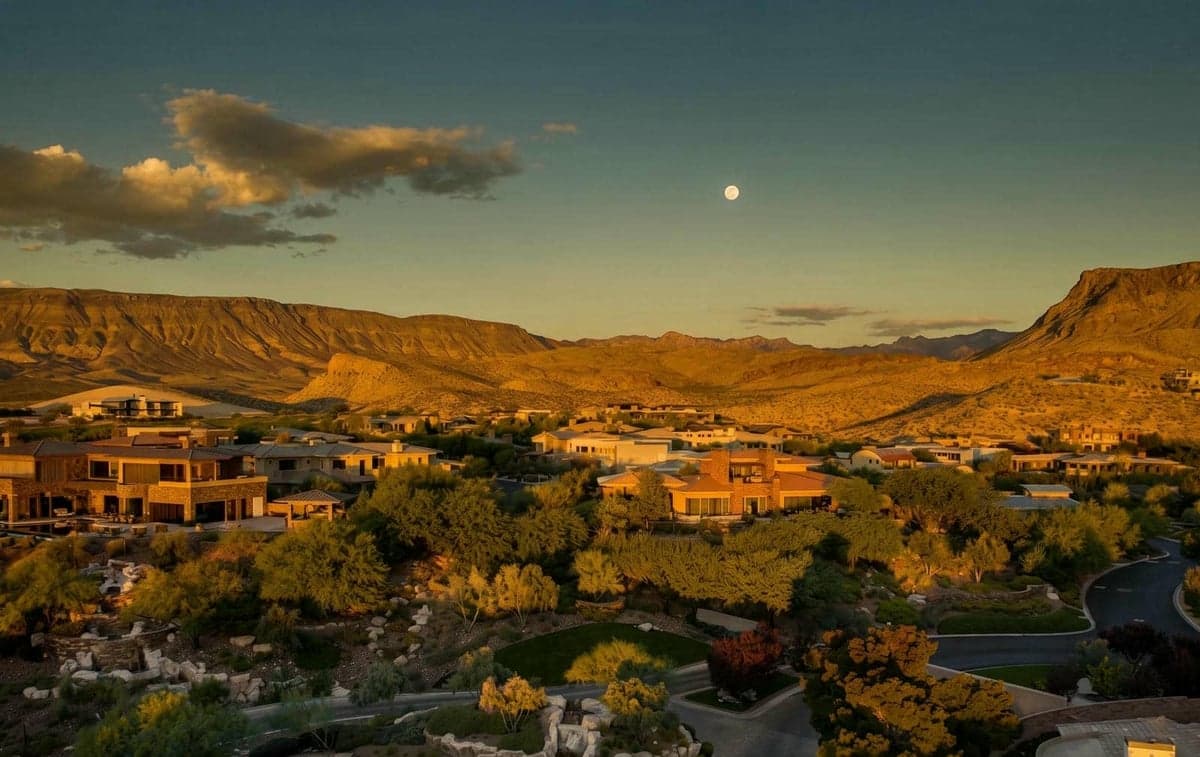
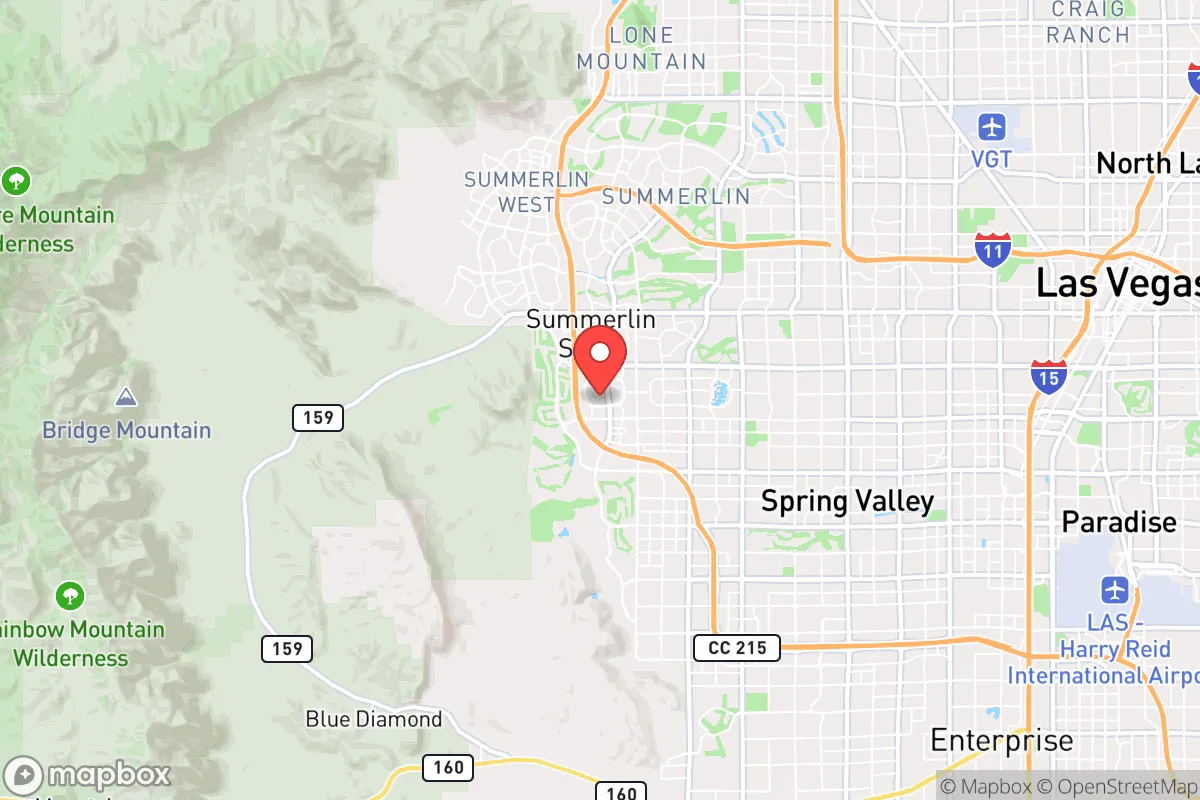
Today, Summerlin South is a master-planned, affluent suburb of Las Vegas with a population of approximately 30,075, characterized by a notably high concentration of college-educated professionals (49.8%) and a distinctive demographic profile that blends a white plurality (61.4%) with significant East/Southeast Asian (14.4%) and Hispanic (13.0%) communities. The city is not a historic settlement but a carefully designed product of the late 20th-century Sun Belt boom, attracting domestic migrants seeking master-planned living, security, and top-tier schools. Its identity is defined by its planned communities, golf courses, and a population that is both highly educated and predominantly native-born, with only 4.6% foreign-born residents.
How the city was settled and grew
Summerlin South has no pioneer or colonial history. The land was part of the vast 22,500-acre Summerlin ranch, acquired by the Howard Hughes Corporation in the 1950s. The city's population history begins in earnest in 1990, when the first master-planned village, The Hills, opened. The original settlers were overwhelmingly white, upper-middle-class families and retirees relocating from California and other Western states, drawn by the promise of a low-crime, amenity-rich environment within the Las Vegas Valley. Subsequent villages, such as Pueblo (opened 1994) and Desert Shores (opened 1996), continued this pattern, attracting a similar demographic of domestic in-migrants. The city's growth was a direct result of the broader Las Vegas suburban expansion, fueled by the gaming and hospitality industry's job creation, and it was explicitly marketed as an escape from the perceived congestion and crime of older urban areas.
Modern era (post-1965)
While the post-1965 Hart-Cellar Act reshaped many American cities, Summerlin South's modern demographic story is less about immigration and more about domestic relocation and the diversification of the Las Vegas economy. The city's foreign-born population remains low at 4.6%, far below the national average. The most significant demographic shift since 2000 has been the growth of the East/Southeast Asian community, which now constitutes 14.4% of the population. This group is concentrated in newer, higher-end villages like Red Rock Country Club and The Ridges, which feature luxury homes and were marketed heavily to affluent Asian-American professionals in the tech and medical sectors. The Hispanic population (13.0%) is more dispersed but has a visible presence in the Willows and Arroyo villages, often working in the service and construction industries that support the broader Las Vegas economy. The white population, while still the largest group at 61.4%, has seen a relative decline as these other groups have grown. The Black population remains small at 2.2%, and the Indian subcontinent population is a tiny 0.7%, reflecting the city's specific appeal to East/Southeast Asian professionals rather than a broad immigrant draw.
The future
The population of Summerlin South is likely to continue its trajectory of slow, managed growth, with the city's demographic profile becoming slightly more diverse but remaining predominantly white and Asian. The East/Southeast Asian community is expected to grow further, as the Las Vegas Valley attracts more tech and healthcare professionals, and as the Summerlin Centre urban core develops with high-end condos and retail. The Hispanic population is projected to plateau or grow slowly, as housing prices in Summerlin South remain among the highest in the region, limiting in-migration from lower-income groups. The city is not tribalizing into distinct ethnic enclaves but rather concentrating specific groups in specific villages based on housing price points and lifestyle preferences. The next 10-20 years will likely see Summerlin South become an even more pronounced example of a high-amenity, high-cost suburb where demographic change is driven by professional-class migration rather than broad immigration waves.
For a conservative-leaning individual or family considering a move, Summerlin South represents a stable, low-crime, and highly educated community that is slowly diversifying in a controlled, market-driven manner. The city is not becoming a melting pot but a stratified collection of affluent villages, each with its own character. The bottom line: Summerlin South is a safe, well-managed suburb where demographic change is incremental and driven by professional-class migration, making it a predictable and desirable choice for those who prioritize security, schools, and a planned environment over urban diversity or historic character.

* Values derived from national, state, county, city and local statistics and may differ in a specific area. Last updated: 2026-04-29T01:40:24.000Z
Narrative content on this page is AI-generated and may contain mistakes. Verify any details that matter before acting on them.
ReloMaps may earn a commission from affiliate links at no extra cost to you.

