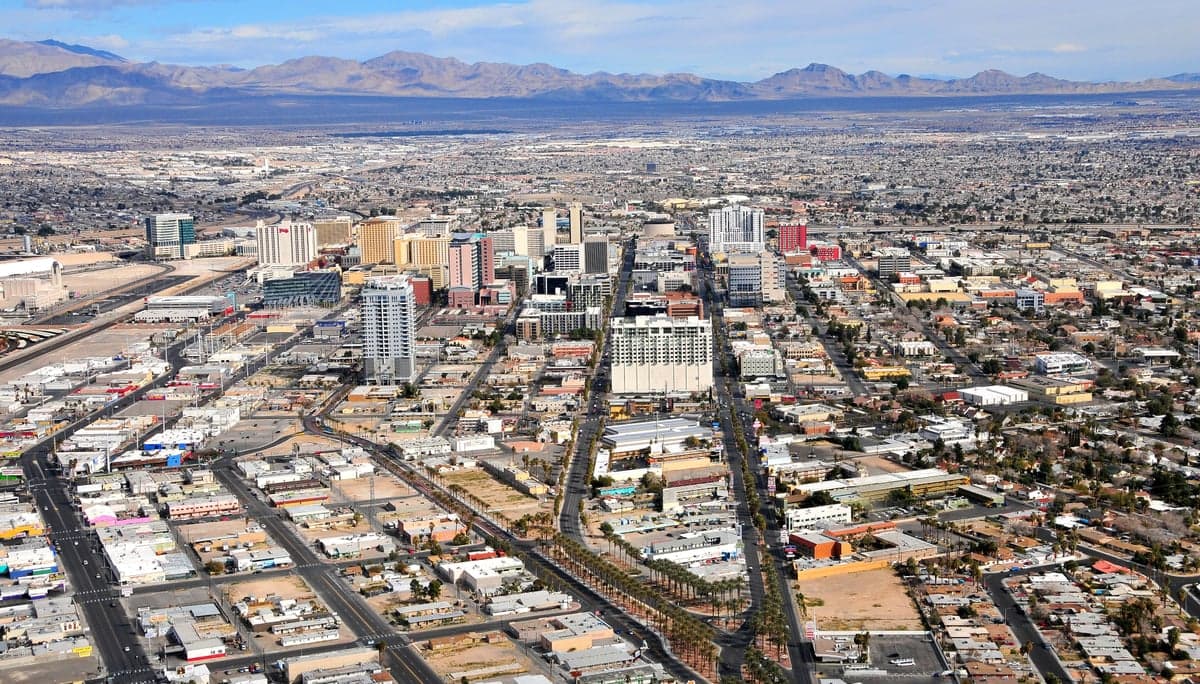
Photo: Wikipedia
Find The Best Places To Live
in Las Vegas
PRO TIP! You can paste a Zillow or Redfin link to get info on that property.
What It's Like Living in Las Vegas, NV
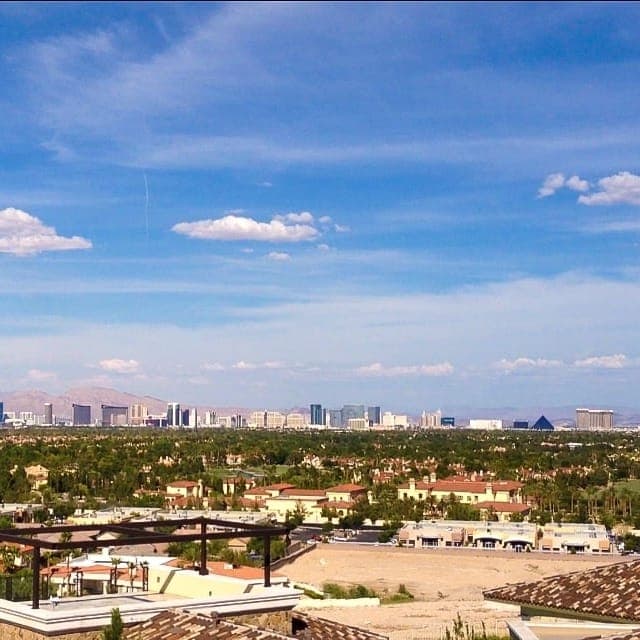
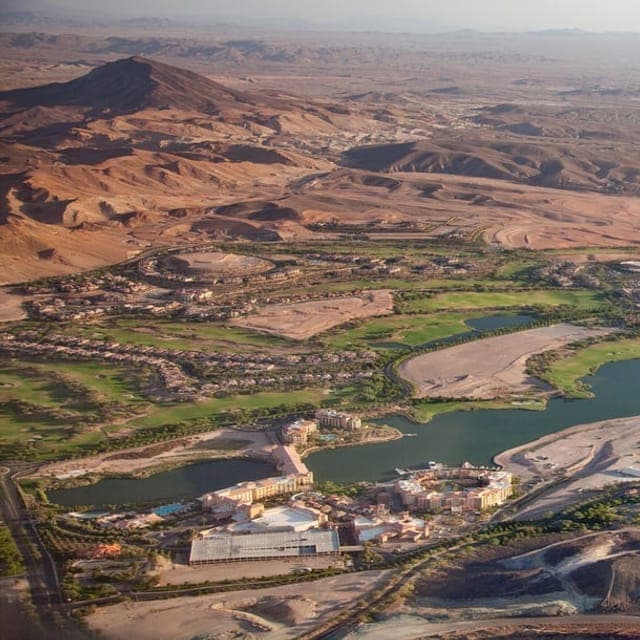
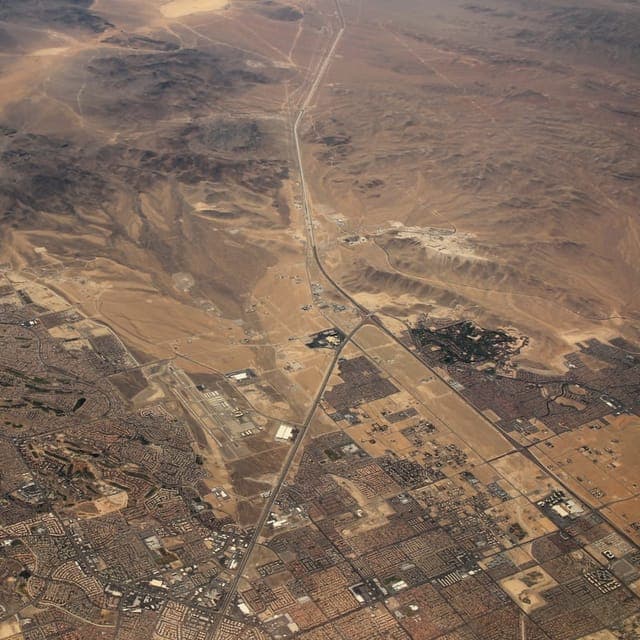
Las Vegas is a city that never quite lets you forget where you are. The Strip glows on the southern skyline like a permanent carnival, but most people here live in sprawling suburban neighborhoods where the daily rhythm involves school drop-offs, Costco runs, and weekend hikes at Red Rock Canyon. It’s a place of stark contrasts—24-hour casinos coexist with quiet cul-de-sacs, and the famous “What happens here stays here” ethos sits alongside a surprisingly strong sense of local community. For the 650,873 residents who call it home, Las Vegas is less a vacation destination and more a practical, sun-baked desert city with its own distinct identity.
The Daily Rhythm: Strip-Adjacent but Suburban at Heart
For most locals, the Strip is something you visit when out-of-town guests come, not a part of everyday life. Daily routines revolve around neighborhoods like Summerlin, Henderson, or the northwest valley, where chain grocery stores, local coffee shops, and big-box retailers dominate. The average commute is about 26 minutes—manageable by national standards, though traffic on the 215 Beltway and I-15 can test your patience during rush hour. Summer heat (regularly above 105°F from June through August) dictates the pace: outdoor errands happen early morning or after sunset, and air conditioning is non-negotiable. Winters are mild and sunny, drawing residents outside for patio dining, golf, or simply enjoying the rare 60-degree January day. The city’s median age of 38.5 reflects a mix of young professionals drawn to hospitality and tech jobs, plus families settling into master-planned communities where schools like Advanced Technologies Academy or Bishop Gorman High School are local points of pride.
Sports, Entertainment & The Local Scene
Las Vegas has transformed into a legitimate sports town over the past decade. The Vegas Golden Knights (NHL) packed T-Mobile Arena from day one, and the Las Vegas Raiders (NFL) brought Sunday tailgating to the desert when Allegiant Stadium opened in 2020. High school football is a big deal too—games at Desert Pines or Liberty High School draw crowds that rival small college atmospheres. Beyond pro sports, the entertainment scene is absurdly deep. You’ve got headliner residencies at Caesars Palace, the punk and indie shows at Brooklyn Bowl inside The Linq, and the free nightly fountain show at the Bellagio. Locals tend to favor off-Strip spots: Evel Pie for pizza and punk vibes, The Atomic Liquors for a historic dive-bar experience, and Cornish Pasty Co. for late-night comfort food. Outdoor recreation is a major draw—Red Rock Canyon’s 13-mile scenic loop and hiking trails are 20 minutes from the Strip, and Lake Mead offers boating and kayaking year-round. Annual events like the Life is Beautiful music festival in downtown and the Helldorado Days rodeo give the city a calendar that mixes neon glitz with genuine Western heritage.
What Fits, What Frustrates, and Who Thrives Here
The kind of person who fits in Las Vegas is self-sufficient, tolerant of heat, and comfortable with a 24/7 pace. It attracts people who work in hospitality, healthcare, construction, or the growing tech sector (the Las Vegas Global Economic Alliance counts over 300 tech firms). Families appreciate the lower cost of living compared to California—median home value is $395,300, and the cost of living index sits at 131, meaning it’s about 31% above the national average but still cheaper than coastal metros. The median household income of $70,723 supports a comfortable middle-class lifestyle here, though the 27.3% college-educated rate is lower than the national average, reflecting the service-industry backbone. Pros locals cite: no state income tax, 300+ days of sunshine, and world-class dining without needing a reservation at a tourist trap. Cons are real too: the violent crime rate of 399.6 per 100,000 is higher than the national average, property crime is a persistent annoyance (lock your car, always), and summer heat can feel oppressive for months. The transient nature of the population means some people struggle to build deep friendships—but those who stay often find a resilient, neighborly community that looks out for its own. Schools are a mixed bag; the Clark County School District is the fifth-largest in the nation, and while some magnet and charter schools excel, many parents supplement with private options or move to Henderson for better-rated elementary schools.
Cultural Quirks & Local Identity
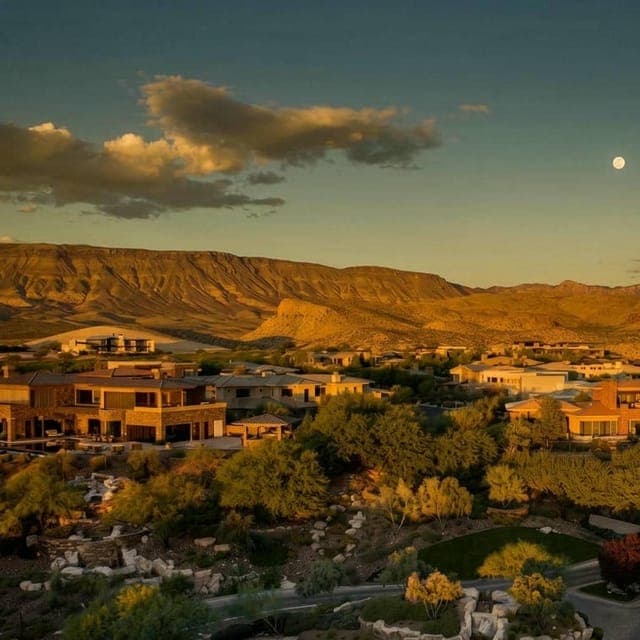
One of the strangest things about living here is that the city’s biggest attraction—the Strip—is something most locals actively avoid. There’s a quiet pride in knowing the “real” Las Vegas: the Arts District on Main Street with its First Friday art walks, the Ethel M Chocolate Factory cactus garden in Henderson, and the Pinball Hall of Fame on Tropicana. The city’s identity is built on reinvention—people move here to start over, to work odd hours, to escape snow or high taxes. That creates a culture where it’s normal to meet someone who works nights as a dealer and spends mornings hiking. The phrase “Vegas strong” isn’t just a slogan; it emerged after the 2017 Route 91 Harvest festival shooting, and it reflects a community that has learned to balance its party reputation with genuine resilience. If you’re considering the move, come for the dry heat and the lack of state income tax, but stay for the unexpected quiet of a desert sunset from your backyard—and the knowledge that, in Las Vegas, you can reinvent yourself as many times as you want.

Similar mid-size cities to Las Vegas
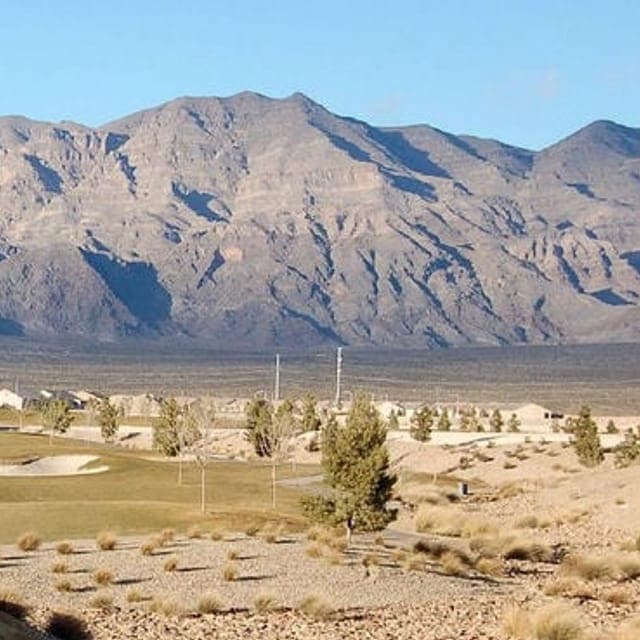
* Values derived from national, state, county, city and local statistics and may differ in a specific area. Last updated: 2026-04-15T23:42:23.000Z
Narrative content on this page is AI-generated and may contain mistakes. Verify any details that matter before acting on them.
ReloMaps may earn a commission from affiliate links at no extra cost to you.

