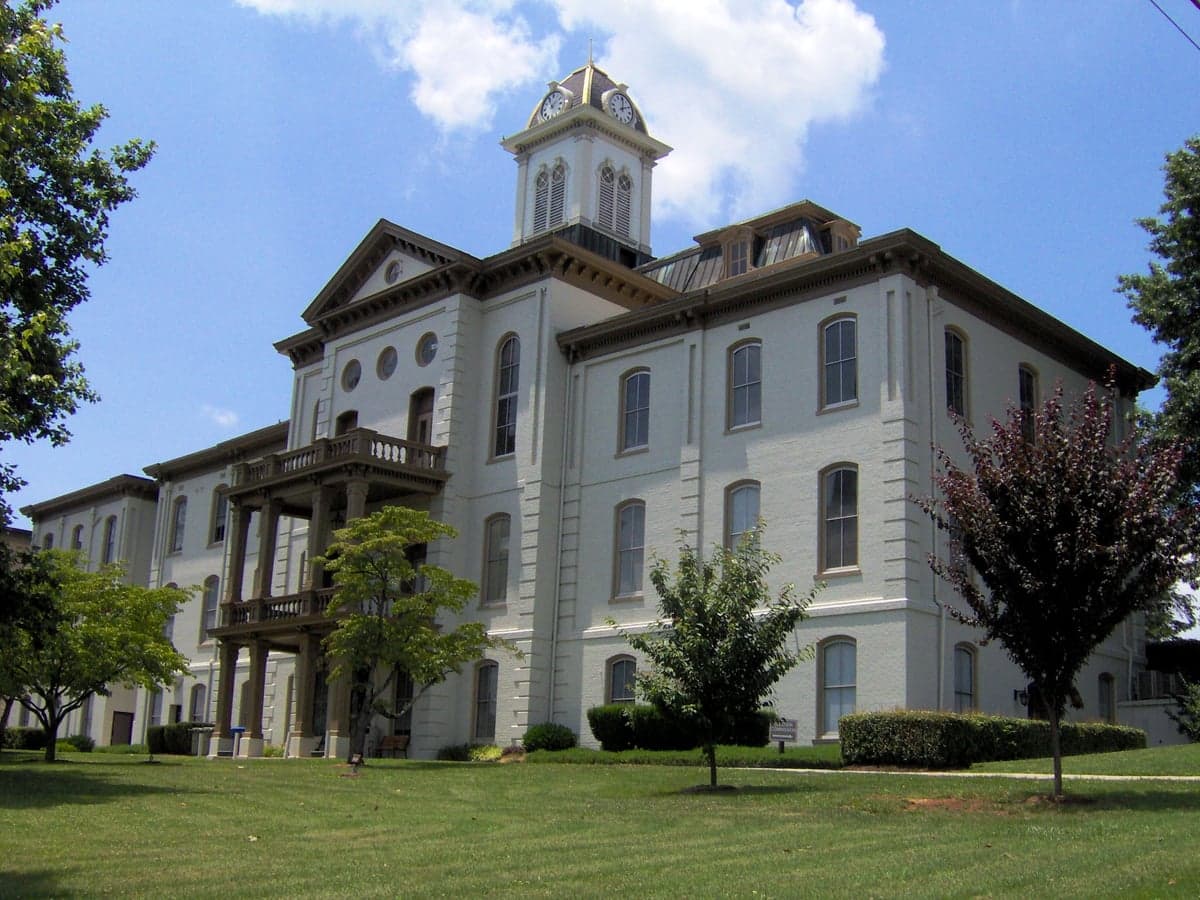
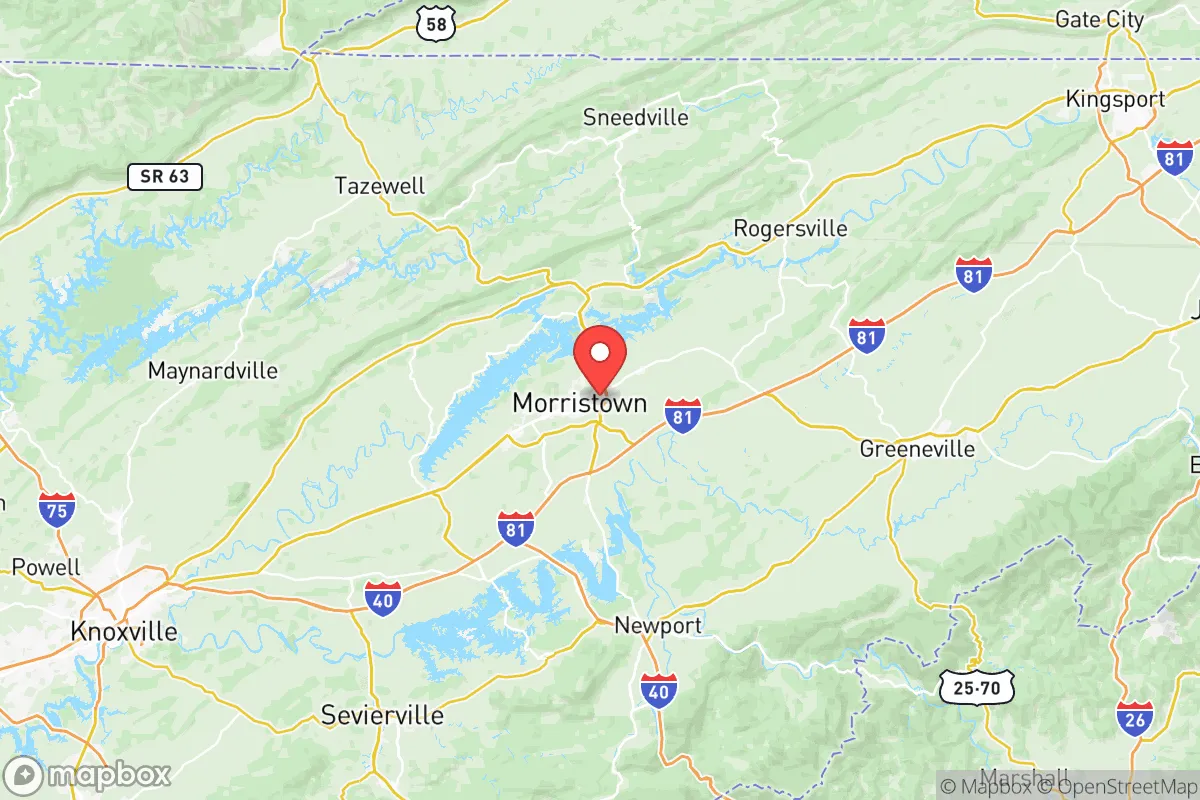
Photo: Wikipedia
Quality of Life in Hamblen County
A livable area that tracks near national norms for affordability, walkability, and neighborhood health.
What does Quality of Life tell us?
Quality of Life measures an area by evaluating factors like cost of living, nearby amenities, country club access, airport proximity, socioeconomic signals and neighborhood character. For large states, this is a general average — quality of life can vary dramatically between metro areas, suburbs, and rural communities within the same state.
What does this tell us?
Quality of Life measures an area by evaluating factors like cost of living, nearby amenities, country club access, airport proximity, socioeconomic signals and neighborhood character. For large states, this is a general average — quality of life can vary dramatically between metro areas, suburbs, and rural communities within the same state.
Cost of Living
30% below national average
98%
The Real Cost of Living in Hamblen County for 2026
| Tier | Individual | Family (4) |
|---|---|---|
| Survival | $13k | $25k |
| Comfortable | $37k | $54k |
| Luxury | $95k+ | $148k+ |
| Elite (Top 5%) | $120k+ | $186k+ |
Quality-of-Life Analysis
Hamblen County, Tennessee, offers a broad quality-of-life spectrum that ranges from the walkable, amenity-rich environment of its largest town, Morristown, to the quiet, low-density rural pockets of communities like Whitesburg and Lowland. With a cost of living index of 70—30 percent below the national average—the county attracts a mix of manufacturing workers, retirees seeking affordability, and families looking for a slower pace without sacrificing access to shopping and healthcare. The median home value of $188,800 and median rent of $838 make it one of the more budget-friendly options in the Lakeway region, while the average commute of just over 22 minutes keeps daily life convenient for those working locally.
Largest town(s) & population centers
Morristown is the county seat and by far the largest population center, home to roughly 30,000 residents and the hub of commerce, healthcare, and entertainment in Hamblen County. Daily life here centers around the historic downtown square, which features local restaurants, boutique shops, and the Rose Center cultural venue, as well as the more commercial corridors of East Andrew Johnson Highway and West Andrew Johnson Highway, lined with big-box retailers, chain restaurants, and the College Square Mall. Major employers include the Morristown-Hamblen Healthcare System, Bush Brothers & Company (the baked beans manufacturer), and several automotive parts suppliers. The town also hosts a campus of Walters State Community College, adding a modest student population. Housing in Morristown spans from older, affordable bungalows near downtown—often under $150,000—to newer subdivisions on the outskirts where prices climb toward $250,000. Rentals are plentiful, with many two-bedroom apartments available near the $838 median rent figure. The town has a walkability score of 30, meaning a car is essential for most errands, but the downtown core is pedestrian-friendly for those living within a few blocks of the square.
Smaller towns & rural pockets
Outside Morristown, Hamblen County contains several smaller communities and unincorporated areas that offer a distinctly different lifestyle. Whitesburg, located in the southern part of the county along the Nolichucky River, is a tiny community with a population under 1,000, where life revolves around agriculture, river recreation, and a handful of local businesses like the Whitesburg Grocery. Lowland, situated northeast of Morristown near the Cherokee Lake shoreline, is another rural pocket known for its lake access, mobile home parks, and older single-family homes on large lots. Russellville, just west of Morristown, is a small unincorporated area with a historic church and a few scattered homes, offering the most affordable land in the county—often under $100,000 for a house on an acre. These areas lack sidewalks, streetlights, and public water in some cases, relying on wells and septic systems. Residents here typically commute into Morristown or to nearby Jefferson City for work, groceries, and medical care.
Cost & lifestyle range
The cost of living in Hamblen County varies noticeably between its urban core and its rural fringe. At the higher end, newer subdivisions in Morristown's western growth corridor—such as those near the intersection of West Andrew Johnson Highway and Highway 160—see home values approaching $300,000 for four-bedroom homes with modern finishes, while rents for comparable properties can exceed $1,200. At the lower end, rural areas like Whitesburg and Lowland offer homes for under $120,000, with some fixer-uppers available below $80,000. Renters in these areas often find older mobile homes or small houses for $600–$700 per month. Utility costs tend to be slightly higher in rural pockets due to reliance on propane or electric heat and private well maintenance, while Morristown residents benefit from municipal water and natural gas lines. Amenities follow a similar gradient: Morristown provides multiple grocery chains (Kroger, Food City, Walmart), a regional hospital, and a YMCA, while rural residents must drive 10–20 minutes for these services. Property taxes in Hamblen County are among the lowest in Tennessee, at roughly $1.80 per $100 of assessed value, which keeps carrying costs low across all areas.
Hamblen County works best for people who want a low-cost, low-stress lifestyle with access to basic urban amenities within a short drive. Retirees on fixed incomes, first-time homebuyers priced out of Knoxville (45 minutes west), and workers in manufacturing or healthcare will find the most value here. Those seeking nightlife, dense walkability, or high-end dining will likely feel limited, while those who prioritize affordability, lake access, and a quiet pace will find Hamblen County a strong fit.

Crime in Hamblen County
Higher crime rates than 58% of comparable U.S. locations.
Violent CrimeViolent Crime Analysis
Property CrimeProperty Crime Analysis
Crime Analysis
Hamblen County, Tennessee, reports a violent crime rate of 494.8 per 100,000 residents and a property crime rate of 1,649 per 100,000, placing it above both the state and national averages for public safety concerns. The county's largest city, Morristown, drives the majority of reported incidents, while smaller communities like Whitesburg and Russellville experience significantly lower crime volumes. Understanding these figures requires examining how local law enforcement and judicial policies shape the day-to-day reality for residents across the county's varied neighborhoods.
Crime in context
Hamblen County's violent crime rate of 494.8 per 100,000 is roughly 40% higher than the Tennessee state average of approximately 350 per 100,000 and nearly double the national median of about 280 per 100,000. Property crime at 1,649 per 100,000 also exceeds the state average of roughly 1,400 per 100,000. The county's 2nd Judicial District, which includes Hamblen, Jefferson, and Cocke counties, has seen a mixed record on prosecution rates. Critics note that progressive-leaning district attorneys in nearby urban centers like Knoxville (Knox County, 1st Judicial District) have adopted diversion programs and reduced sentencing for repeat property offenders, a trend that some residents fear could spill over into Hamblen County's courts. The Morristown Police Department and Hamblen County Sheriff's Office maintain a relatively conservative approach to enforcement, but the proximity to larger metro areas with more lenient judicial philosophies—such as Nashville's Davidson County—creates a regional dynamic where offenders may travel to commit crimes in smaller jurisdictions.
What residents experience
For those living in Morristown's downtown core and along the US-11E corridor, property crime—particularly vehicle break-ins and theft from porches—is a frequent annoyance. The city's property crime rate of 1,649 per 100,000 translates to roughly one incident per 60 residents annually. Violent crime, while less common, is concentrated in specific areas: the West Side neighborhood near the Cherokee Park housing complex and the East Morristown industrial corridor see higher rates of aggravated assault and robbery. In contrast, the unincorporated communities of Whitesburg and Russellville report violent crime rates below 100 per 100,000, with property crime limited to occasional burglaries. The town of Lowland, a small census-designated place south of Morristown, benefits from its rural character and low population density, offering a markedly safer daily experience. Residents in these areas often cite the absence of progressive criminal justice reforms—such as cash bail elimination or early release programs—as a key factor in maintaining order.
Neighborhood-level variation and judicial impact
Neighborhood safety in Hamblen County correlates strongly with proximity to Morristown's commercial corridors and the presence of multi-family housing. The Lakeway area near Cherokee Lake, including parts of the 37814 zip code, sees lower crime due to higher home values and stronger neighborhood watch programs. Conversely, the Meadowview and College Square districts in Morristown experience elevated theft and drug-related offenses, partly attributed to transient populations and rental properties. The county's judicial district has avoided the most progressive policies seen in cities like Memphis (Shelby County) or Chattanooga (Hamilton County), where district attorneys have implemented non-prosecution for low-level drug offenses and reduced felony charges. Hamblen County's courts still prioritize incarceration for repeat offenders, which local law enforcement credits for keeping violent crime from rising further. However, the broader trend in Tennessee's urban centers—where progressive prosecutors have released offenders without bail or reduced sentences—creates a risk that criminals from those areas may target Hamblen County's relatively affluent lake communities. Residents considering relocation should examine specific street-level data for their target neighborhood, as the difference between a safe block and a high-crime corridor can be just a few hundred yards in Morristown.
* Values derived from national, state, county, city and local statistics and may differ in a specific area. Last updated: 2026-05-28T06:25:46.000Z
Narrative content on this page is AI-generated and may contain mistakes. Verify any details that matter before acting on them.
ReloMaps may earn a commission from affiliate links at no extra cost to you.

