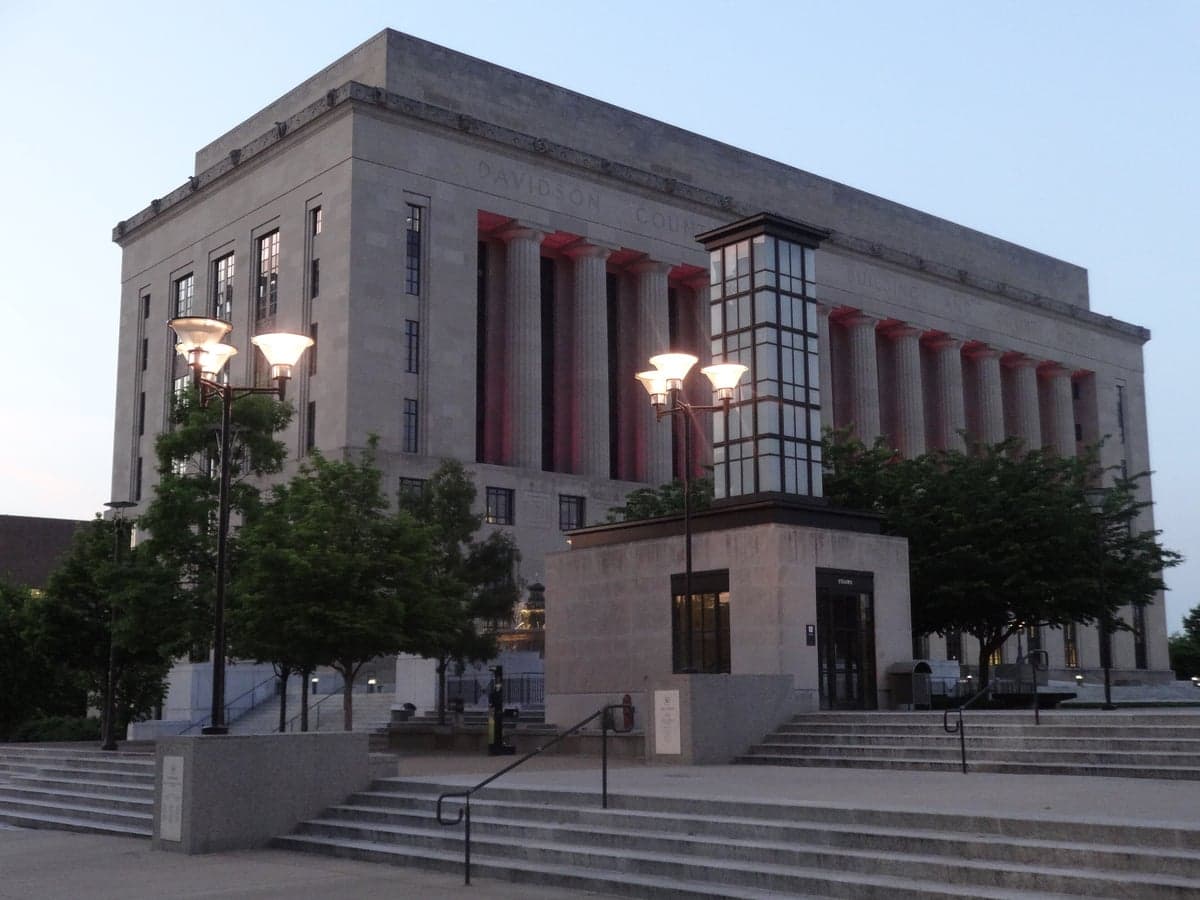
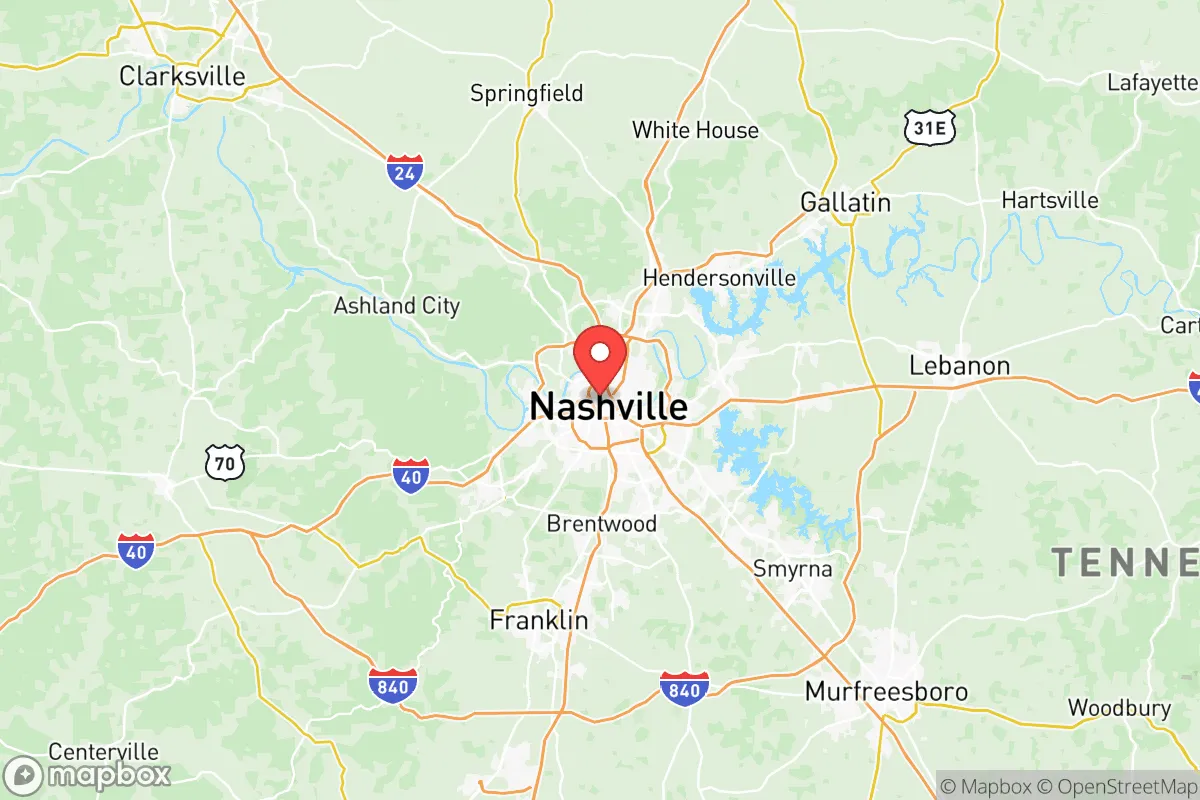
Photo: Wikipedia
Find The Best Places To Live in Davidson County
PRO TIP! You can paste a Zillow or Redfin link to get info on that property.
Best Places to Live in Davidson County
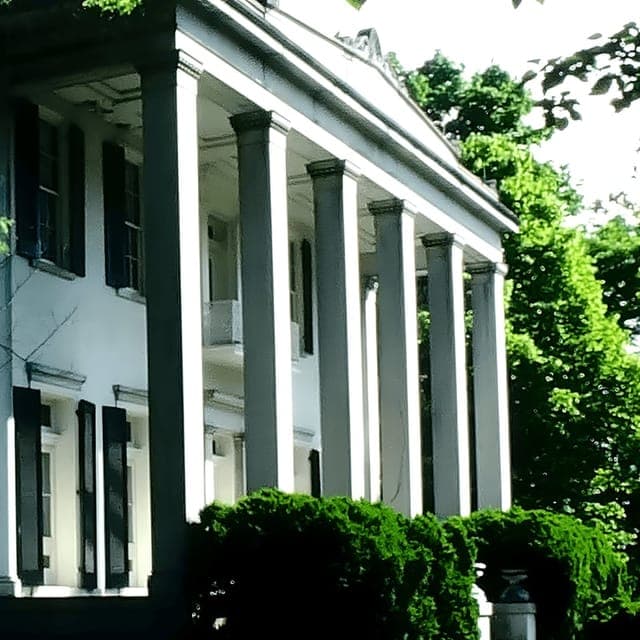
Cities & Towns in Davidson County
Cities in Davidson County
What It's Like Living in Davidson County, TN
Davidson County is Nashville, but it’s also Belle Meade, Antioch, and the rural pockets of Joelton and Whites Creek. The county’s identity is dominated by Music City’s neon glow, yet living here means navigating a place where a 34.6 median age and a 47.3% college-educated population create a restless, ambitious energy. Whether you’re a single professional working in a Gulch startup or a parent raising kids in the quieter Donelson neighborhood, the county offers a mix of career opportunity and cultural saturation that few other places can match.
Daily Rhythm: From the Gulch to the Greenways
A typical weekday in Davidson County starts with a commute that averages just under 25 minutes—short enough to feel manageable, long enough to test your patience on I-440. People who live in Brentwood (technically Williamson County, but the border blurs) often cross into Davidson for work, while those in Antioch or Madison might drive into downtown Nashville for jobs at HCA Healthcare or the state capitol. The median household income of $75,664 supports a lifestyle that’s comfortable but not lavish, especially given the cost of living index of 131—meaning everyday expenses run about 31% above the national average. Locals shop at the sprawling Opry Mills mall for deals or hit the farmers’ markets in East Nashville for artisan bread and local honey. Weekends often revolve around the city’s 200+ parks: Percy Warner Park offers wooded trails for hikers, while the Shelby Bottoms Greenway is a flat, paved route perfect for family bike rides.
Sports & Community: Titans, Preds, and Friday Night Lights
Sports fandom here is a serious identity marker. The Tennessee Titans draw passionate crowds to Nissan Stadium on Sundays, but the Nashville Predators have built a rabid following at Bridgestone Arena—playoff games turn downtown into a sea of gold jerseys. For families, high school football in Hillsboro or Pearl-Cohn is a Friday-night ritual that rivals any small-town tradition. College sports are less dominant than in Knoxville or Tuscaloosa, but Vanderbilt Commodores games in the SEC bring a steady stream of alumni and locals to West End. The real cultural quirk? Music City treats its sports teams with the same reverence it gives its musicians—expect to hear “Rocky Top” or the Predators’ goal song “Gold on the Ceiling” blasting from bars on Broadway after a win.
What’s There to Do: Honky-Tonks, Festivals, and Quiet Corners
Entertainment in Davidson County is overwhelmingly concentrated in downtown Nashville, but the county’s diversity means you can find something for every taste. The CMA Fest in June turns the city into a country-music pilgrimage site, while the Tennessee State Fair in East Nashville offers carnival rides and fried Oreos for a more local vibe. For nightlife, the honky-tonks on Lower Broadway—like Tootsie’s Orchid Lounge and Robert’s Western World—are tourist magnets, but locals prefer the dive bars in 12 South (think: casual patios and live acoustic sets) or the craft cocktail spots in Germantown. Outdoor lovers head to Radnor Lake State Park for serene hiking or the Cumberland River for kayaking. A notable cultural marker: the Ryman Auditorium is considered the “Mother Church of Country Music,” and catching a show there is a rite of passage for any new resident.
Pros and Cons of Living Here
The upsides are real: a booming job market anchored by healthcare (HCA, Vanderbilt University Medical Center) and entertainment (the music industry alone employs tens of thousands), plus a social scene that makes it easy to meet people if you’re single. The violent crime rate of 490.5 per 100,000 is a legitimate concern, especially in parts of North Nashville and Antioch—it’s higher than the national average, and residents adjust by being street-smart about where they walk at night. Traffic on I-24 and I-65 during rush hour is a daily grind, and the median home value of $386,600 has pushed many first-time buyers toward Madison or Goodlettsville for more affordable options. Weather-wise, summers are humid and sticky, winters are mild with occasional ice storms, and tornado warnings in spring are a real part of life—most homes have a basement or a designated safe room. Schools like Hume-Fogg Academic Magnet and Martin Luther King Jr. Magnet are top-tier, but the county’s public system is a patchwork; many parents in Belle Meade or Forest Hills opt for private options like Montgomery Bell Academy or Harpeth Hall. The biggest frustration longtime residents voice is the rapid growth: what was once a manageable city now feels like it’s bursting at the seams, with new apartment towers and traffic jams that didn’t exist a decade ago. But for those who thrive on energy, opportunity, and a soundtrack that never stops, Davidson County delivers.

* Values derived from national, state, county, city and local statistics and may differ in a specific area. Last updated: 2026-05-09T19:31:42.000Z
Narrative content on this page is AI-generated and may contain mistakes. Verify any details that matter before acting on them.
ReloMaps may earn a commission from affiliate links at no extra cost to you.

