 Popular
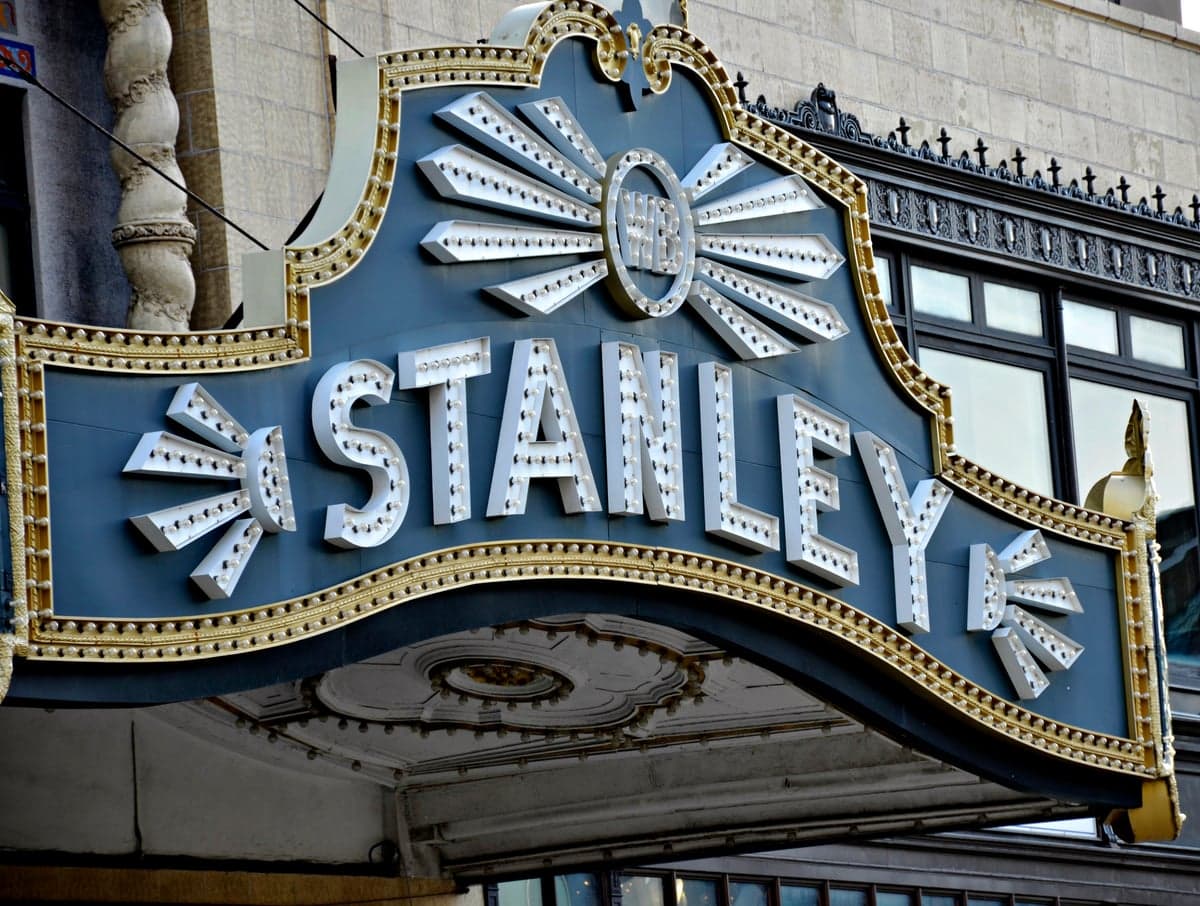
Photo: Wikipedia
Personal Sovereignty in Utica, NY
Moderate friction. Expect trade-offs in some aspect of personal liberty and independence.
What does Personal Sovereignty tell us?
Personal Sovereignty measures your capacity for self-reliance and independence with minimal government friction. Higher scores mean fewer barriers between you and the way you want to live... but it assumes you have the space you need and good neighbors.
What does this tell us?
Personal Sovereignty measures your capacity for self-reliance and independence with minimal government friction. Higher scores mean fewer barriers between you and the way you want to live... but it assumes you have the space you need and good neighbors.
State Policy
Energy independence: Importer (12% of energy produced in-state)
Personal Liberty
Homesteading

Personal Liberty Analysis
For a conservative-leaning individual or family prioritizing personal sovereignty, Utica, New York presents a complex calculus. While the city itself offers a lower cost of living and a quieter pace than downstate metros, it operates under the heavy thumb of New York State’s expansive regulatory and fiscal apparatus, which systematically erodes local autonomy. The core tension here is between the relative affordability and community scale of the Mohawk Valley and the state-level overreach that dictates everything from your tax bill to your magazine capacity. For the survivalist or prepper, Utica is a place where you can afford more land and space, but you will be fighting a constant rear-guard action against Albany’s appetite for control.
Tax burden and state regulatory posture in the Mohawk Valley
New York State’s tax burden is among the highest in the nation, and Utica is not insulated from it. The combined state and local tax burden is punishing, with property taxes in Oneida County consistently ranking in the top 10-15% nationally. For a homeowner, this means a significant portion of your income is permanently diverted to a state government that is openly hostile to conservative values. The state’s regulatory posture is equally aggressive, particularly in energy, land use, and business licensing. New York’s Climate Leadership and Community Protection Act (CLCPA) is a prime example of top-down control, effectively banning new natural gas hookups in many scenarios and pushing mandates that increase energy costs and reduce reliability. For a prepper, this translates to a government that is actively working to make off-grid energy solutions more expensive and legally complicated, and that views personal energy independence as a threat to its centralized grid control. The state’s bureaucratic apparatus is designed to extract maximum revenue and compliance, not to foster individual liberty.
Self-defense rights and New York gun law specifics for Utica residents
This is the most critical area of concern for anyone valuing personal sovereignty. New York’s gun laws are among the most restrictive in the country, and they have only tightened since the Supreme Court’s Bruen decision. The Concealed Carry Improvement Act (CCIA) of 2022 created a de facto “sensitive places” ban that covers virtually every public space you might need to defend yourself or your family—including parks, public transportation, and any private property where the owner hasn’t explicitly posted a sign allowing firearms. The permitting process in Oneida County is administered by the county sheriff, which is generally more reasonable than downstate jurisdictions, but the state-level requirements are still onerous: a 16-hour training course, character references, and a background check that can take months. Magazine capacity is capped at 10 rounds, and the “safe storage” laws create a legal trap for anyone who keeps a firearm for home defense but doesn’t lock it in a safe the moment they step away. For the survivalist, this means your ability to defend your home and family is legally hamstrung by a state that views armed citizens as a threat to its authority. The “red flag” law (Extreme Risk Protection Order) allows for firearms to be seized without a criminal charge or conviction, based solely on a complaint, which is a direct assault on due process and property rights.
Self-reliance and homesteading viability: lot sizes, zoning, and off-grid feasibility
Utica’s urban core is dense and older, with small lots and restrictive city zoning that makes serious homesteading difficult. However, the surrounding towns in Oneida County—like Deerfield, Marcy, and Whitestown—offer a different picture. Here, you can find rural residential lots of 1 to 5 acres at prices that are a fraction of what you’d pay in the Hudson Valley or downstate. Zoning in these towns is generally more permissive, allowing for small-scale agriculture, livestock, and accessory structures like workshops or storage sheds. The real challenge is off-grid feasibility. New York State’s building codes and energy mandates are aggressively hostile to true independence. While you can install solar panels, net metering rules are complex, and the state’s push for electrification means you will face legal hurdles if you try to disconnect from the grid entirely. Rainwater collection for potable use is heavily regulated, and composting toilets require specific permits. For a prepper, the land is affordable and the growing season is decent (Zone 5b), but the legal framework is designed to keep you tethered to the state’s infrastructure. You can have a large garden and some chickens, but going fully off-grid is a legal and bureaucratic minefield.
Personal liberties: parental rights, medical autonomy, speech, and property
New York State has been at the forefront of eroding parental rights in education and healthcare. The state’s education department has pushed curriculum mandates that bypass local school boards, and the “Child Victims Act” and other laws have created a legal environment where parents can be investigated for making medical decisions that don’t align with state-approved orthodoxy. Medical autonomy is severely restricted; the state’s vaccine mandates for school attendance and healthcare workers are among the strictest, and there is no legal protection for medical freedom of choice. Free speech is nominally protected, but the state’s hate speech laws and social media regulation efforts create a chilling effect on political discourse that deviates from the progressive consensus. Property rights are under constant assault through eminent domain, environmental regulations, and rent control policies that apply to certain housing stock. For a conservative parent, the state actively undermines your authority to raise your children according to your values, and it treats your property as a resource to be managed for the state’s benefit, not as a sanctuary of your own making.
In the final analysis, Utica offers a strategic trade-off. You get affordable land, a lower cost of living, and a community that is more culturally aligned with traditional values than the coastal enclaves. But you are doing so within a state that is structurally designed to limit your sovereignty at every turn. Compared to a place like rural Texas or Idaho, where the legal framework actively supports self-reliance and gun rights, Utica is a defensive position. It is a place where you can build a life of relative independence, but you will be constantly managing the encroachment of a state government that views your autonomy as a problem to be solved. For the survivalist who values community and affordability over absolute legal freedom, it can work—but only if you are prepared to navigate a hostile regulatory environment and accept that your personal sovereignty will always be conditional, not absolute.

* Values derived from national, state, county, city and local statistics and may differ in a specific area. Last updated: 2026-04-19T21:55:13.000Z
Narrative content on this page is AI-generated and may contain mistakes. Verify any details that matter before acting on them.
ReloMaps may earn a commission from affiliate links at no extra cost to you.

