 Popular
Photo: Wikipedia
Find The Best Places To Live
in Anchorage
PRO TIP! You can paste a Zillow or Redfin link to get info on that property.
What It's Like Living in Anchorage, AK
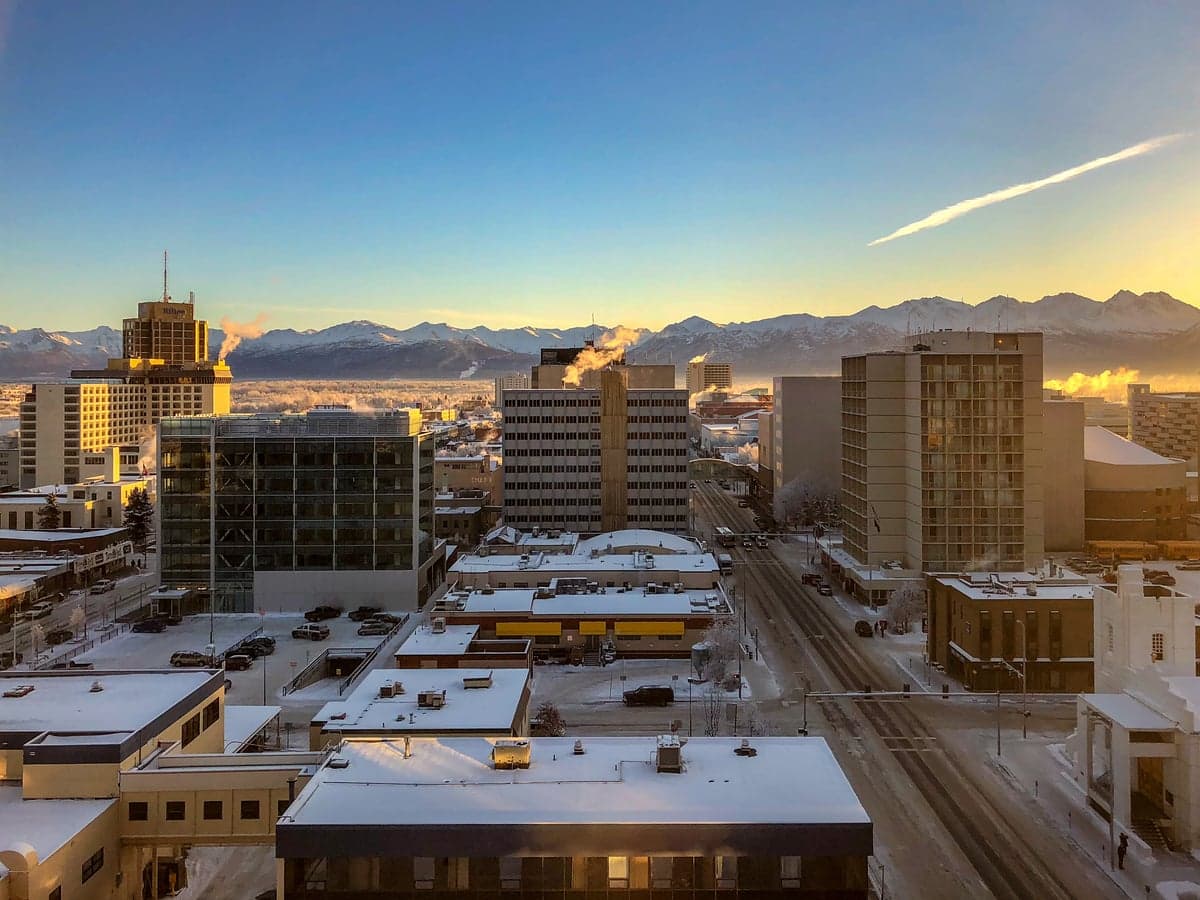
Living in Anchorage means trading a conventional Lower 48 routine for a life where the Chugach Mountains are your backyard and moose block your driveway. It’s a city of roughly 289,000 people that feels both like a small town and a frontier outpost, where the median age hovers around 34.9 and the median household income sits at a robust $98,152—reflecting the high-paying oil, healthcare, and logistics jobs that anchor the economy. The vibe is self-reliant, outdoorsy, and unpretentious: people here are more likely to bond over a shared fishing spot or a winter survival story than a fancy restaurant reservation.
The Daily Rhythm: Work, Weather, and the Long Light
Anchorage daily life is dictated by the seasons. From May through August, the sun barely sets—you’ll see people jogging on the Coastal Trail at 11 p.m. and grilling on patios until midnight. Come winter, the opposite hits: short days, snow, and a collective determination to stay active. The average commute is a remarkably short 19 minutes, which means most people live within a 15-minute drive of work, shopping, and the airport. That’s a huge quality-of-life win compared to any major city in the Lower 48. Grocery shopping is a mix of big-box stores like Fred Meyer and Costco, plus local spots like New Sagaya for fresh produce and specialty items. Weekend plans often revolve around hitting the trails—Flattop Mountain is the classic hike—or heading to Girdwood for skiing at Alyeska Resort. The kind of person who fits here is someone who doesn’t mind layering up for a November run and values access to wilderness over nightlife density. It’s a great fit for single professionals who work in healthcare, aviation, or oil, and for parents who want their kids to grow up with salmon fishing and snow machines as normal hobbies.
Sports, Community, and the Local Identity
Sports in Anchorage are less about pro teams and more about participation and high-energy local events. The Anchorage Wolverines (junior hockey) and the University of Alaska Anchorage Seawolves (hockey and basketball) draw solid crowds, but the real passion is for the Iditarod Trail Sled Dog Race—the ceremonial start in downtown Anchorage every March is a massive community event. High school sports, especially hockey and cross-country skiing, are a big deal; parents pack the rinks and trails. The city’s identity is deeply tied to self-sufficiency and outdoor competence. A notable quirk: many residents own a “summer car” and a “winter car,” and it’s common to see a truck with a snowmachine in the bed and a kayak on the roof. The cultural vibe is “live and let live,” with a strong libertarian streak—people respect your choices as long as you’re prepared for the consequences. For a conservative-leaning audience, this aligns well: Anchorage leans more moderate than rural Alaska, but the overall ethos is pro-business, pro-gun, and skeptical of heavy regulation.
What’s There to Do: From Festivals to Dive Bars
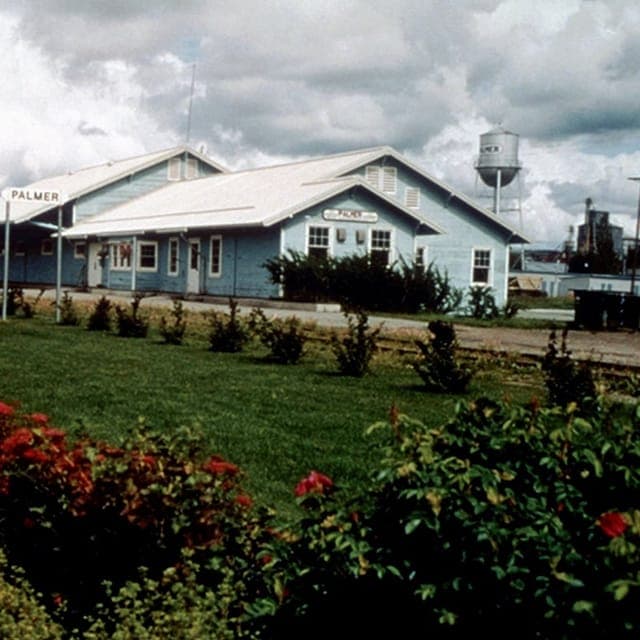
Entertainment here is heavy on the outdoors, but there’s a solid social scene too. The Alaska State Fair in Palmer (30 minutes north) is a late-summer highlight with giant vegetables, rodeos, and concerts. Music venues like the Alaska Center for the Performing Arts host Broadway tours and the Anchorage Symphony, while Chilkoot Charlie’s is the legendary dive bar with multiple rooms and a sawdust floor—a must-visit for anyone wanting to see Anchorage’s rowdier side. For food, Moose’s Tooth Pub & Pizzeria is an institution (cash only, expect a wait), and Glacier BrewHouse serves solid Alaskan ale and halibut fish and chips. Families spend weekends at Kincaid Park (mountain biking, skiing, and moose sightings) or Earthquake Park for a history lesson on the 1964 quake. The biggest cultural quirk? The “breakup” season—spring when snow melts into mud—is universally dreaded, and locals have a dark humor about it.
Pros and Cons of Living Here: The Honest Trade-Offs
- What longtime residents love: The access to world-class wilderness—fishing, hunting, skiing, and hiking are minutes from your door. The short commute and high median income ($98,152) mean you can actually afford a decent lifestyle. The community is tight-knit; people help each other with snow removal, car batteries, and bear safety. The Permanent Fund Dividend (PFD) check each fall is a unique bonus that feels like a yearly dividend for being an Alaskan.
- What frustrates them: The cost of living index is 128 (28% above the national average), driven by high food and energy prices—a gallon of milk can hit $5. The violent crime rate is 1,026.8 per 100,000, which is high for a city its size; property crime and vehicle theft are persistent issues, especially in midtown and Mountain View. The weather is a grind for some: the long, dark winters can trigger seasonal affective disorder, and the “breakup” mud season is genuinely unpleasant. Schools are a mixed bag—the Anchorage School District has some excellent programs (like the charter schools and the gifted program) but also struggles with overcrowding and budget cuts, so parents research carefully.
In short, Anchorage rewards the prepared and the adventurous. If you’re willing to deal with the dark winters and the occasional bear in your yard, you get a life that’s hard to replicate anywhere else: real community, real wilderness, and a pace that lets you actually live it.

Similar mid-size cities to Anchorage
* Values derived from national, state, county, city and local statistics and may differ in a specific area. Last updated: 2026-04-19T19:14:18.000Z
Narrative content on this page is AI-generated and may contain mistakes. Verify any details that matter before acting on them.
ReloMaps may earn a commission from affiliate links at no extra cost to you.

