Photo: Wikipedia
Find The Best Places To Live
in Cordova
PRO TIP! You can paste a Zillow or Redfin link to get info on that property.
What It's Like Living in Cordova, AK
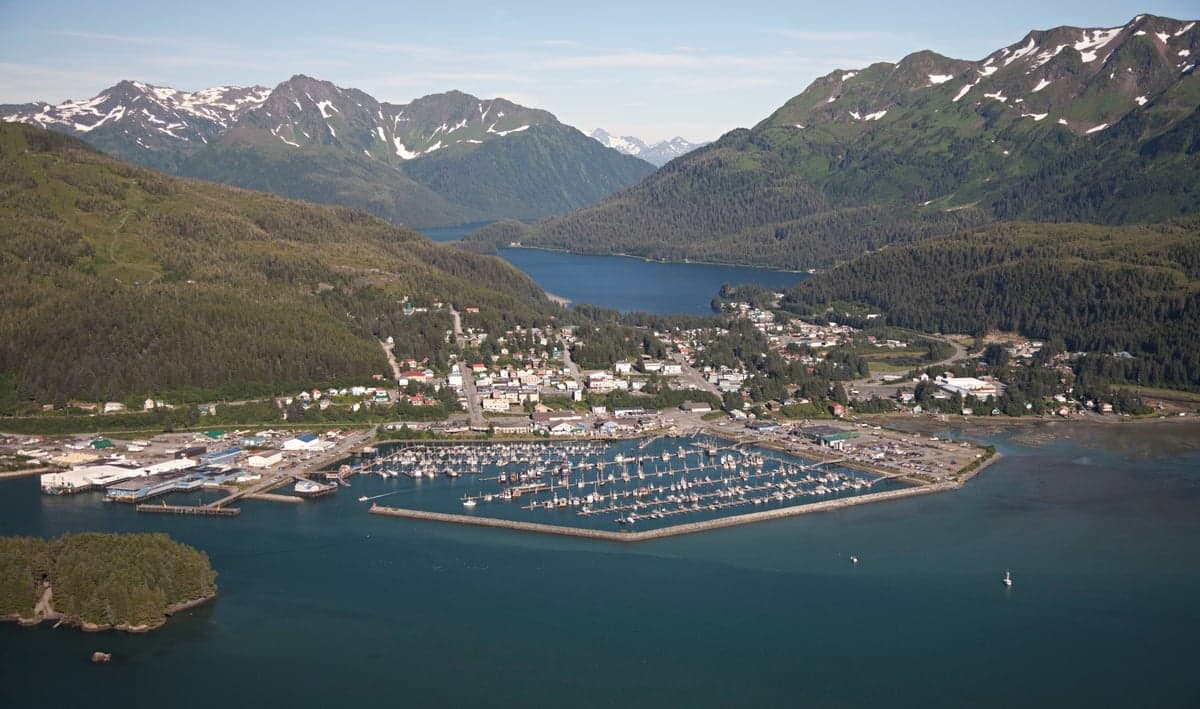
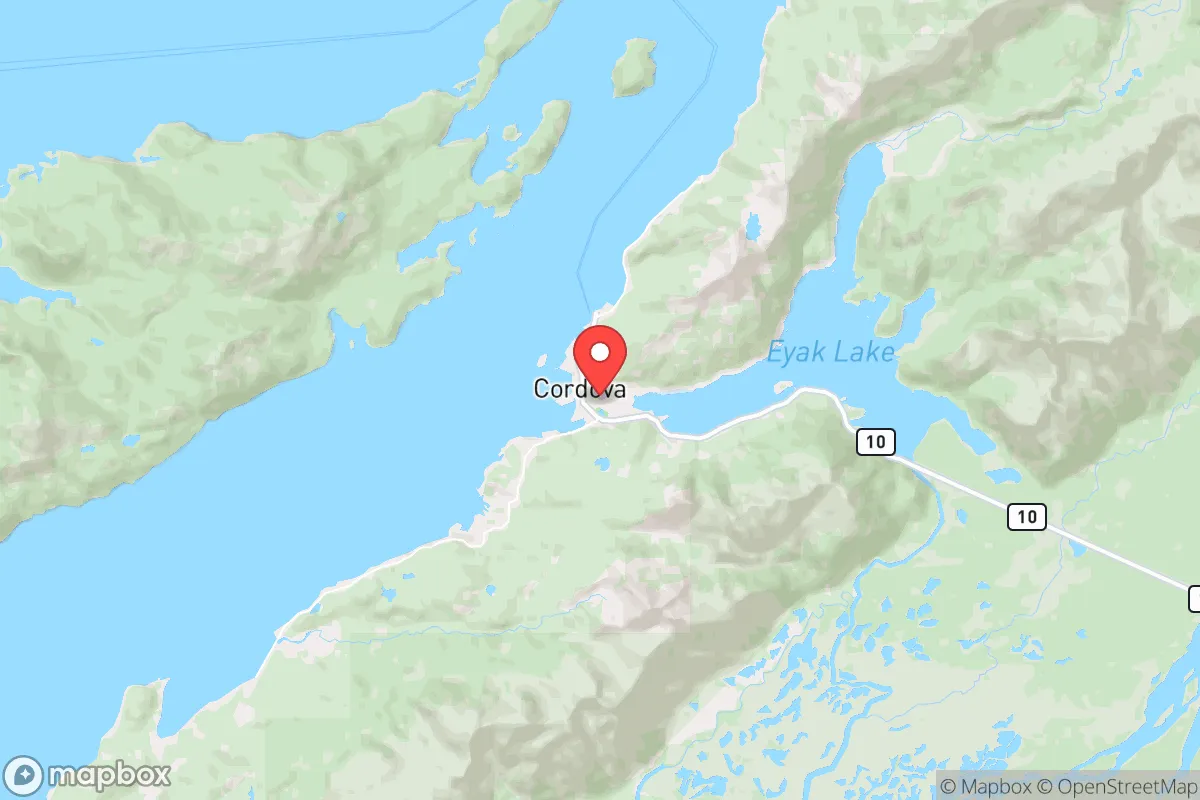
Cordova, Alaska, is the kind of place where the post office doubles as a social hub and the biggest traffic jam involves a moose ambling down the main drag. With a year-round population hovering around 2,405, this fishing town on Prince William Sound feels less like a remote outpost and more like a tightly-knit small town where everyone knows your truck. It’s not for someone looking for a quick stopover—you can only get here by plane or ferry—but for the right person, it’s a community that rewards patience, self-reliance, and a love for rain-soaked wilderness.
The Daily Rhythm: Work, Weather, and the Copper River Highway
Life in Cordova revolves around the seasons, and the seasons revolve around fish. When the Copper River salmon run hits in May, the town’s pulse quickens—fishermen head out before dawn, the cannery hums 24/7, and the local coffee shop, the Baja Taco, sees a line of waders and rain jackets. Outside of fishing season, daily life is quieter. Most people work in commercial fishing, seafood processing, the school district, or the local government. The median household income sits at $88,538, which is solid for Alaska, though the cost of living index of 125 means groceries and heating fuel eat into that fast. The average commute is a leisurely 19 minutes—mostly because the entire road system is about 50 miles of paved and gravel highway, ending abruptly at the Million Dollar Bridge. There’s no traffic to speak of, but there is a lot of rain: expect over 150 inches of precipitation a year, which locals just call “liquid sunshine.”
Weekends are spent on the water or in the woods. People fish for halibut, hike the Crater Lake Trail, or hop a bush plane to a remote cabin. The local grocery store, AC Value Center, is where you’ll see everyone stocking up on basics—and paying $6 for a gallon of milk. The Cordova Center, a modern community building, hosts everything from yoga classes to city council meetings. For a town of 2,405, there’s a surprising amount of civic engagement; the school board and harbor commission meetings are well-attended, and people care deeply about local issues like cruise ship policy and fish habitat protection.
Sports, Festivals, and the Social Scene
High school sports are a big deal here, partly because there’s not much else to do on a winter night. The Cordova Wolverines basketball and volleyball teams draw packed crowds at the high school gym, and the annual Copper River Delta Shorebird Festival in May brings in birders from across the country—it’s the town’s biggest tourist draw, with guided walks, art shows, and a pancake breakfast. For a town this small, the festival is a genuine event, not a sideshow. The local bar scene is modest but essential: The Alaskan Bar and The Pipeline Bar are where fishermen unwind after a shift, and the Cordova Brewing Company serves up solid craft beer in a cozy taproom. There’s no movie theater, no mall, no chain restaurants—just a handful of locally-owned spots like Killer Whale Café for espresso and Mike’s Palace for pizza.
Music and culture come through the Cordova Historical Museum and occasional concerts at the Cordova Center. The town’s identity is proudly independent—there’s a strong streak of “we do it ourselves” that shows in the community-run radio station, the volunteer fire department, and the annual Iceworm Festival in February, which features a parade, a talent show, and a lot of creative costumes. It’s quirky, but it’s genuine.
Who Fits In—and Who Doesn’t
Cordova is not for the faint of heart or the impatient. The kind of person who thrives here is someone who values community over convenience, doesn’t mind rain for weeks on end, and can handle the isolation. The median age is 37.8, which suggests a mix of young families and mid-career professionals, but the town skews toward people who work with their hands. About 28.4% of adults have a college degree, lower than the national average, but that number undercounts the practical knowledge people have—boat mechanics, net mending, fish processing. Affluence is modest; the median home value is $384,500, which is affordable by Alaska standards but steep for a town with limited services. You won’t find luxury boutiques or fine dining, but you will find a community that looks out for each other.
Parents often cite the schools as a reason to stay. The Cordova School District is small—about 300 students K-12—and teachers know every kid by name. Sports, music, and outdoor education are woven into the curriculum. The downside? Limited healthcare. The local clinic handles basics, but anything serious means a medevac to Anchorage, which is a $1,000 plane ride away. The violent crime rate is 46 per 100,000, well below the national average, and property crime is low—people leave their doors unlocked. But the isolation can wear on newcomers; seasonal affective disorder is real, and the lack of dating options is a common complaint among singles.
Pros and Cons of Living in Cordova
- Pro: Unmatched access to wilderness—fishing, hunting, kayaking, and hiking are steps from your door. The Copper River Delta is world-class.
- Con: The weather is relentlessly wet and cloudy. If you need sunshine, this is not your place.
- Pro: A genuine, supportive community where people help each other without hesitation. Neighbors share fish, plow driveways, and watch your kids.
- Con: High cost of living—groceries, fuel, and shipping are expensive. A trip to Anchorage for a Costco run is a planned event.
- Pro: Low crime, good schools, and a safe environment for kids to roam freely.
- Con: Limited job opportunities outside of fishing, government, and healthcare. Career advancement often requires leaving.
- Pro: No traffic, no crowds, no chain stores. You’ll never wait in line for a table.
- Con: The ferry schedule and weather can make travel unpredictable. You’re truly at the mercy of the elements.
In the end, Cordova is a trade-off. You trade convenience and variety for a life that feels grounded, connected, and real. It’s a place where your reputation matters, where the salmon run dictates the calendar, and where a rainy Tuesday in October can still feel like an adventure. If that sounds like home, you’ll fit right in.

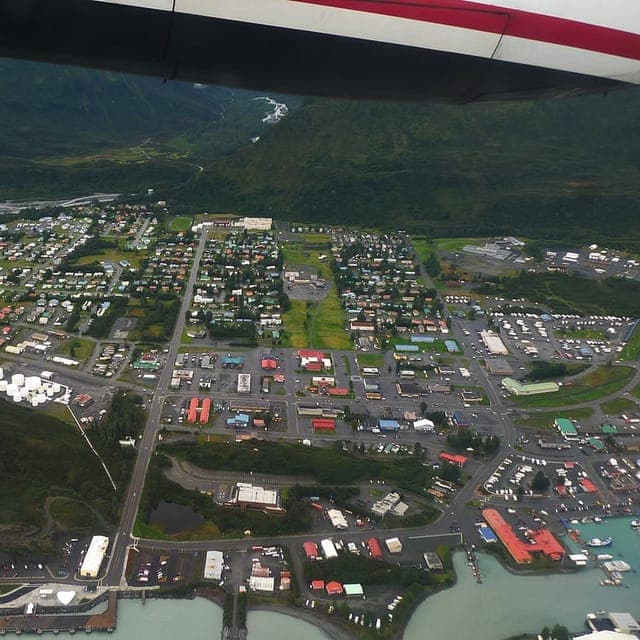
Similar small towns to Cordova
* Values derived from national, state, county, city and local statistics and may differ in a specific area. Last updated: 2026-04-19T19:16:19.000Z
Narrative content on this page is AI-generated and may contain mistakes. Verify any details that matter before acting on them.
ReloMaps may earn a commission from affiliate links at no extra cost to you.

