
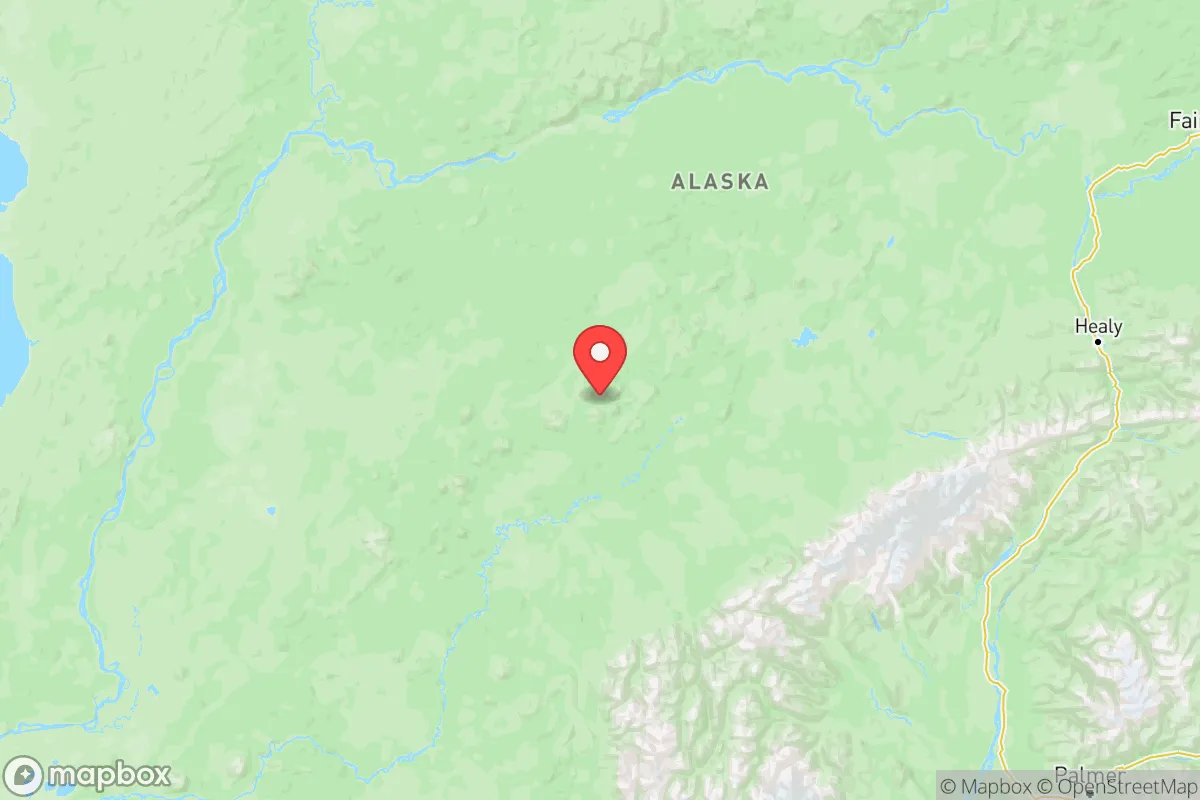
Photo: Wikipedia
Strategic Assessment of Alaska
Deep buffer from population centers and strategic targets. Low natural disaster risk and minimal exposure to border or coastal threats.
What does the Strategic Assessment tell us?
Our Strategic Assessment grades tactical survivability of an area. Major population centers, military targets, fallout zones, natural disasters, and border exposure all drive risk — lower exposure means a more defensible position in a crisis.
This is heavily inspired by Joel Skousen's Strategic Relocation book. Highly recommended you checkout the book ($)What does this tell us?
Our Strategic Assessment grades tactical survivability of an area. Major population centers, military targets, fallout zones, natural disasters, and border exposure all drive risk — lower exposure means a more defensible position in a crisis.
This is heavily inspired by Joel Skousen's Strategic Relocation book. Highly recommended you checkout the book ($)Regional Safe Places
Below is our recommended "safe zones" in Alaska and the surrounding area based on our strategic heuristics. For most people, it's unrealistic to live in a “safe zone” full-time due to work, family or other personal reasons. They tend to be more rural. However, many of these areas are perfect for second homes and retreat properties that double as a vacation home or even a short-term rental.
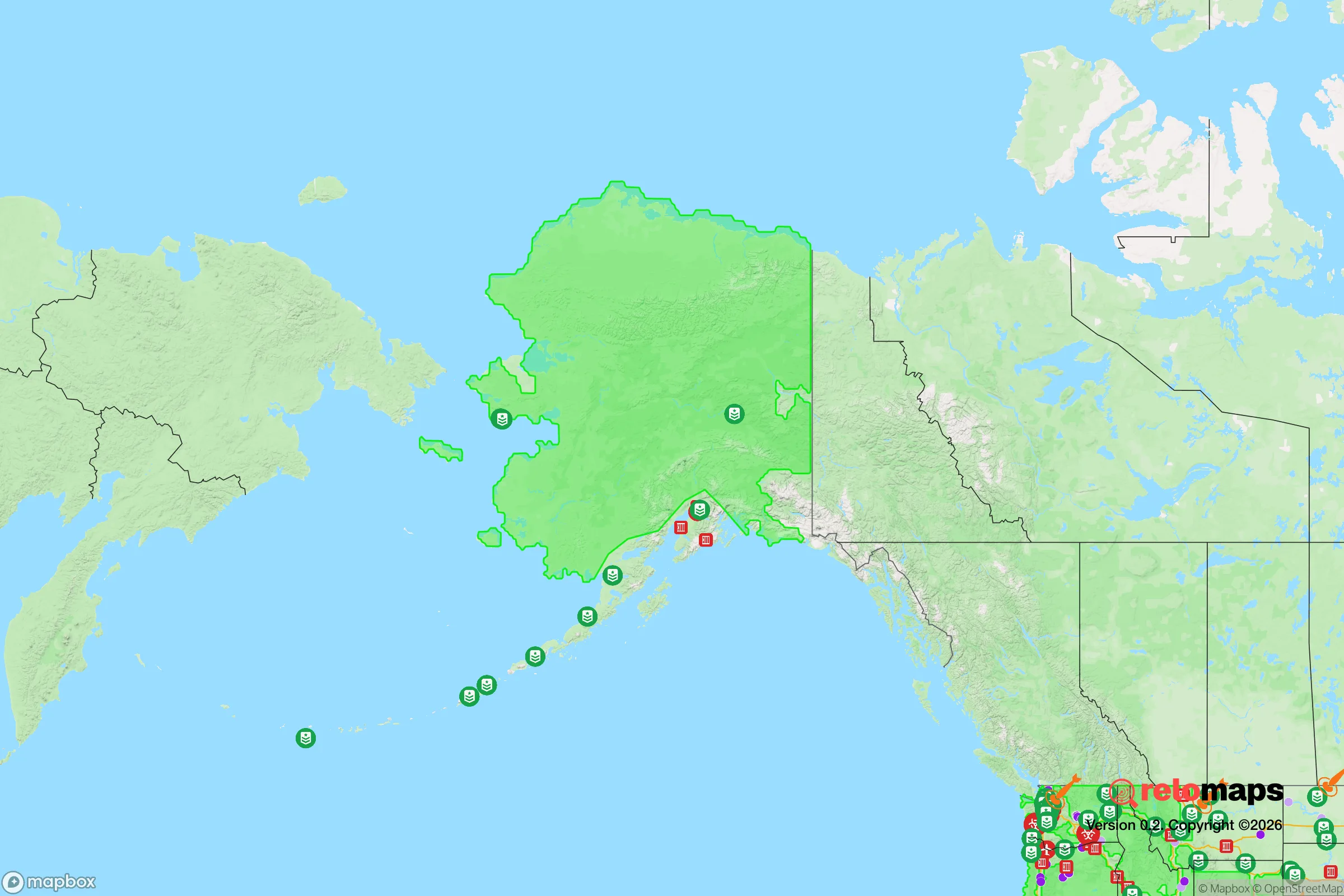
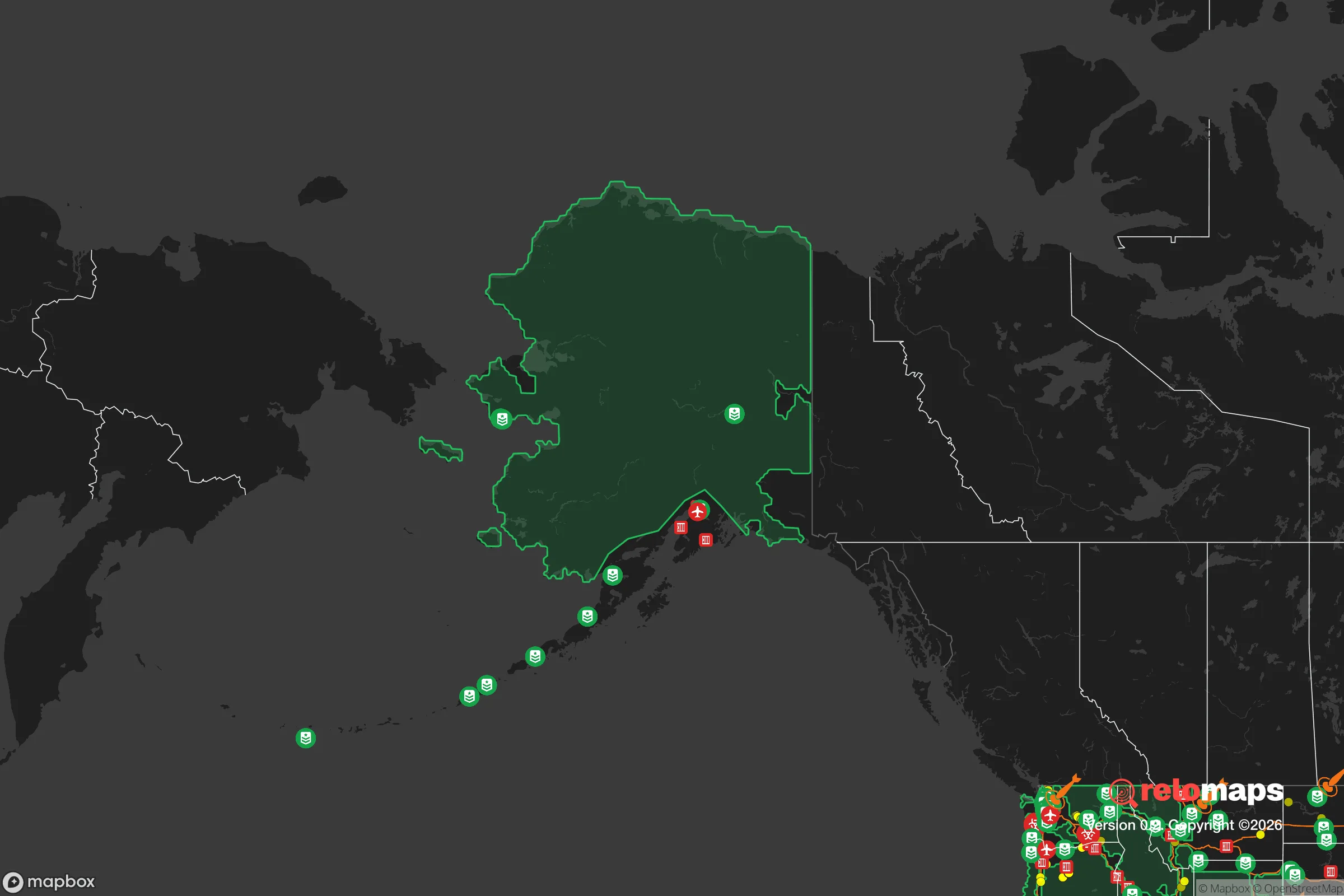


Important Note: For informational purposes only. This does not mean nothing bad ever happens in the green zones. Please use common sense. This is based on public data and modeled with AI. We tried to take a conservative approach but mistakes happen. We update this regularly as new information becomes available.
Solar Generator Recommendations
Backup power matters more here than in safer locations. We've picked three solar generators across budgets and capacity tiers — start with the budget unit if you only need a few essentials, or step up if you want to run a fridge and HVAC for days at a time.

Jackery Portable Power Station Explorer 300
Budget OptionPower on the Go: Weighing only 11 lbs, it's convenient to set up and store with book-sized foldable solar panels

BLUETTI Portable Power Station AC180
Designed for both indoor and outdoor scenarios, AC180 is highly capable as it has a robost capacity and continuous output power.

EF ECOFLOW DELTA Pro Ultra Power Station
Upgraded PickEcoFlow DELTA Pro Ultra is a whole-home energy system designed to grow with your family. Integrated with the Smart Home Panel 2, it scales to meet your evolving energy needs — keeping your home powered, intelligent, and secure through every stage of life.
We earn a commission, at no additional cost to you.
Strategic Assessment Analysis
Alaska offers a strategic relocation option for those prioritizing geographic isolation and self-sufficiency, standing apart from the Lower 48's densely populated corridors and vulnerability to cascading infrastructure failures. The state's sheer size—over 663,000 square miles—means that even Anchorage, its largest city at roughly 290,000 people, feels sparse compared to urban centers like Houston or Dallas. For a conservative-leaning individual or family focused on resilience against civic unrest, mass casualty events, or societal breakdown, Alaska’s distance from the contiguous US’s power grid, refinery clusters, and major military targets provides a natural buffer. The key trade-off is that this isolation demands serious logistical planning, as supply chains are thin and weather can be unforgiving, but for those willing to adapt, the state’s raw advantages in food, water, and energy independence are hard to beat.
Alaska's geographic position and natural advantages for strategic relocation
Alaska’s position as a northern frontier offers distinct benefits for a prepper mindset. The state is separated from the Lower 48 by Canada, meaning any large-scale unrest or fallout event in the contiguous US would take days or weeks to ripple north, giving residents time to react. Key population centers like Anchorage, Fairbanks (population ~32,000), and Juneau (~32,000) are spread out, with vast wilderness in between—think the Brooks Range or the Alaska Peninsula—where a family could establish a remote homestead far from any potential target. The state’s coastline along the Gulf of Alaska and the Bering Sea provides access to marine resources, while interior rivers like the Yukon and Tanana offer freshwater and transport routes. Military installations like Joint Base Elmendorf-Richardson near Anchorage and Fort Wainwright near Fairbanks are present, but they’re not the sprawling, high-profile targets you’d see in Texas or Virginia; their primary role is Arctic defense, not power projection into global conflicts. For a relocator, the natural advantages boil down to space, distance, and resource abundance—timber for building, rivers for water, and wildlife for protein—all of which are harder to secure in the Lower 48’s suburban sprawl.
Risks, exposures, and proximity to fallout-relevant landmarks
No location is without risk, and Alaska has its own set of exposures that a strategic relocator must weigh. The most obvious is seismic activity: the state sits on the Pacific Ring of Fire, with major fault lines like the Denali Fault running through the interior. Anchorage experienced a 7.1 magnitude earthquake in 2018, causing structural damage but no widespread collapse—still, a larger event could disrupt roads, power lines, and fuel supplies. Volcanic hazards exist too, with Mount Spurr and Mount Redoubt near Anchorage capable of spewing ash clouds that ground air travel and contaminate water sources. For fallout concerns, Alaska is far from the US’s nuclear reactor fleet—the closest commercial plants are in Washington and Oregon, over 1,500 miles away—but there are strategic assets worth noting. The Port of Anchorage is a critical fuel and cargo hub, handling 85% of the state’s goods, making it a potential target in a major conflict. The Trans-Alaska Pipeline, running from Prudhoe Bay to Valdez, is a visible piece of energy infrastructure, though its remote route through the Brooks Range and interior means a disruption would be more about economic impact than direct fallout. Proximity to Russia’s Kamchatka Peninsula and the Aleutian Islands, where military activity is increasing, adds a geopolitical layer—think missile tests or naval exercises—but for a family in a rural cabin near Talkeetna or Homer, the practical risk is low compared to living near Houston’s refinery corridor or a major military base in the Lower 48.
Practical resilience for a relocator: food, water, energy, and defensibility
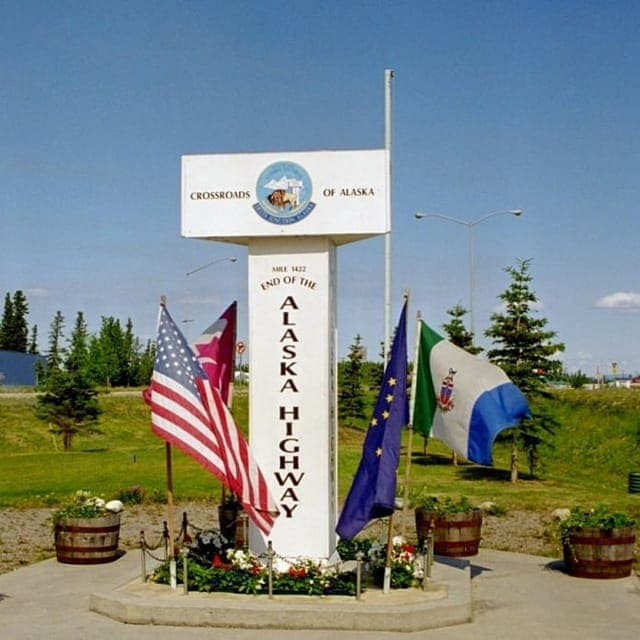
For a prepper, Alaska’s practical resilience hinges on three pillars: self-sufficiency, resource access, and defensibility. Food security is a mixed bag. The growing season is short—typically 90 to 120 days in the interior, longer in the Matanuska-Susitna Valley near Palmer, where fertile soil supports potatoes, carrots, and greens. Hunting and fishing are central to life here: moose, caribou, and salmon are abundant, with a single moose providing 400-600 pounds of meat. Berry picking (blueberries, cranberries) and small game trapping round out the diet. Water is straightforward—glacial melt, rivers, and lakes are plentiful, but you’ll need a reliable filtration system or knowledge of boiling, especially in areas with beaver activity or mining runoff. Energy is where Alaska shines: the state has vast oil and natural gas reserves, but for off-grid living, solar panels work in summer (up to 20 hours of daylight) and micro-hydro setups on streams are viable in many valleys. Wood stoves are standard for heating, with birch and spruce widely available. Defensibility is inherent in the terrain—dense forests, mountains, and long distances between settlements mean a remote property near places like McCarthy or the Kenai Peninsula’s backcountry is hard to approach without detection. However, this isolation cuts both ways: medical emergencies, supply runs, or evacuations require a vehicle (preferably a truck or SUV with winter tires) and a plan for road closures. The Alaska Highway from Dawson Creek, British Columbia, is the only land route to the Lower 48, and it’s vulnerable to landslides and weather—so stockpiling fuel, ammo, and medical supplies is non-negotiable.
The overall strategic picture for Alaska is one of high reward with high upfront effort. For a conservative-leaning individual or family concerned about societal fragility, the state offers a genuine escape from the vulnerabilities of the Lower 48—no reliance on fragile power grids, no proximity to major refinery corridors or military targets, and a culture that values self-reliance over government dependency. The downsides—extreme cold, isolation, and the need for specialized skills like snowmachine operation or wilderness navigation—are real, but they’re manageable with preparation. If you’re looking at places like Wasilla or the Mat-Su Valley for a balance of community and space, or the Copper River Basin for true remoteness, Alaska demands a serious commitment but delivers a level of strategic security that few other US regions can match. Just don’t expect a quick move: you’ll need to invest in gear, land, and knowledge before you’re truly resilient.

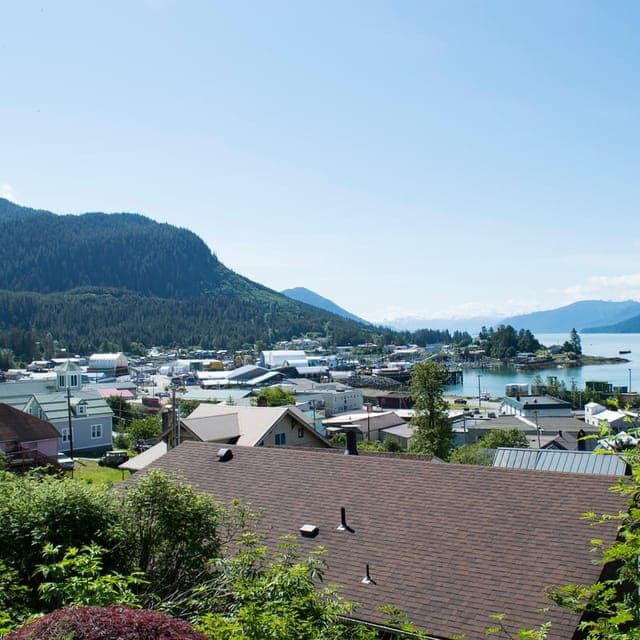
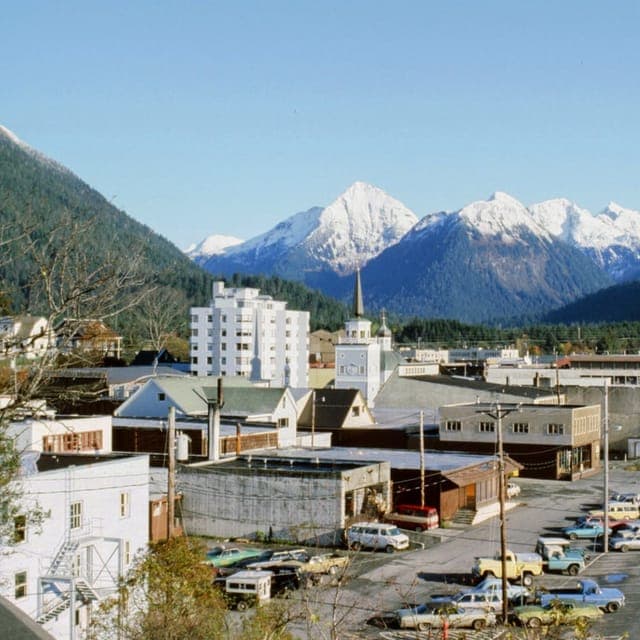
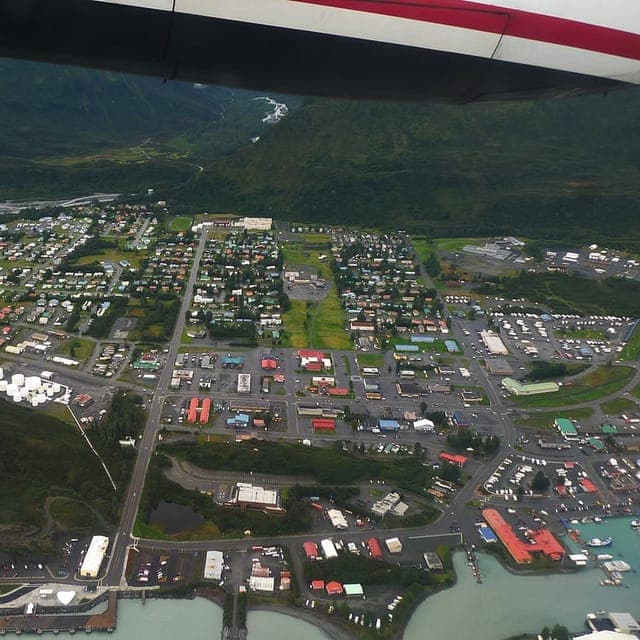
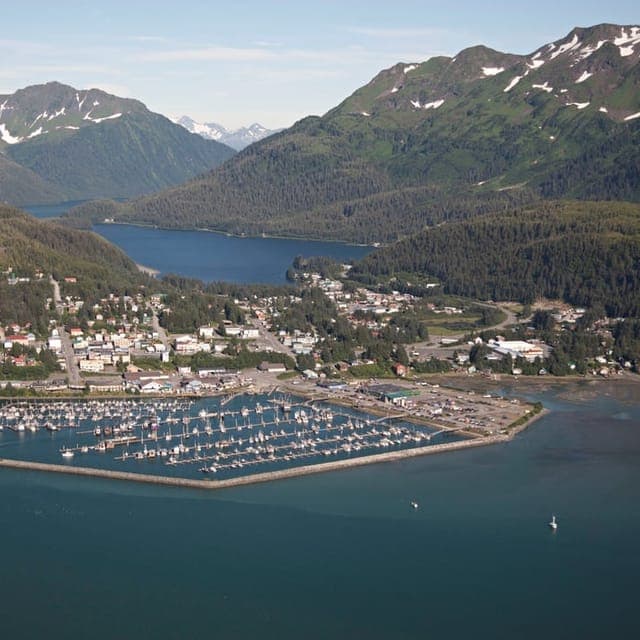
Top 10 Cities by Strategic Assessment in Alaska
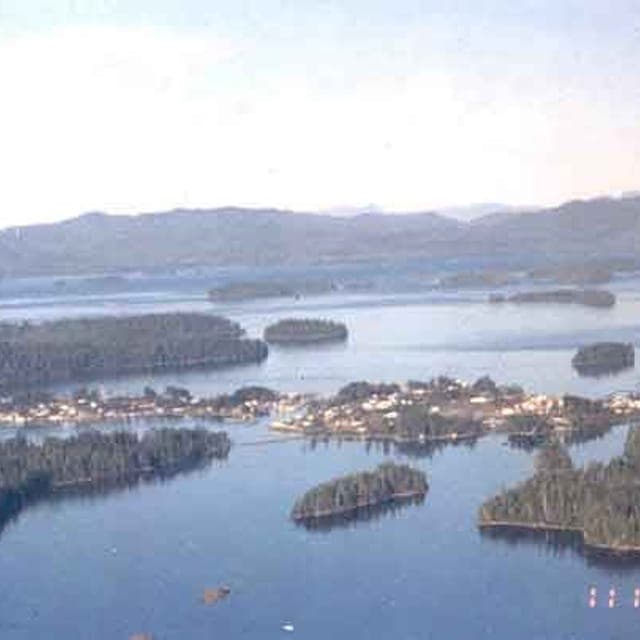
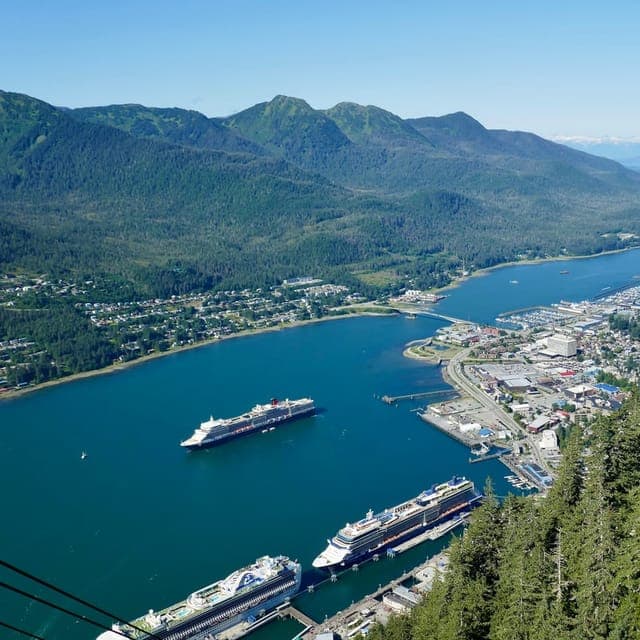
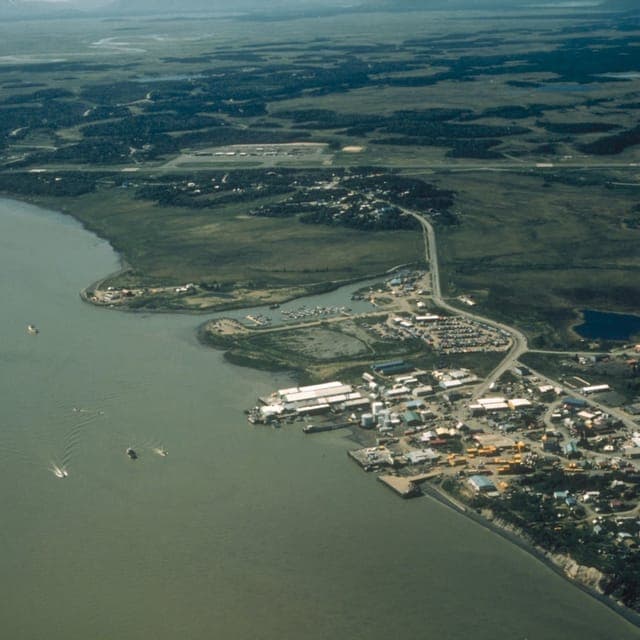
* Values derived from national, state, county, city and local statistics and may differ in a specific area. Last updated: 2026-04-18T22:14:51.000Z
Narrative content on this page is AI-generated and may contain mistakes. Verify any details that matter before acting on them.
ReloMaps may earn a commission from affiliate links at no extra cost to you.

