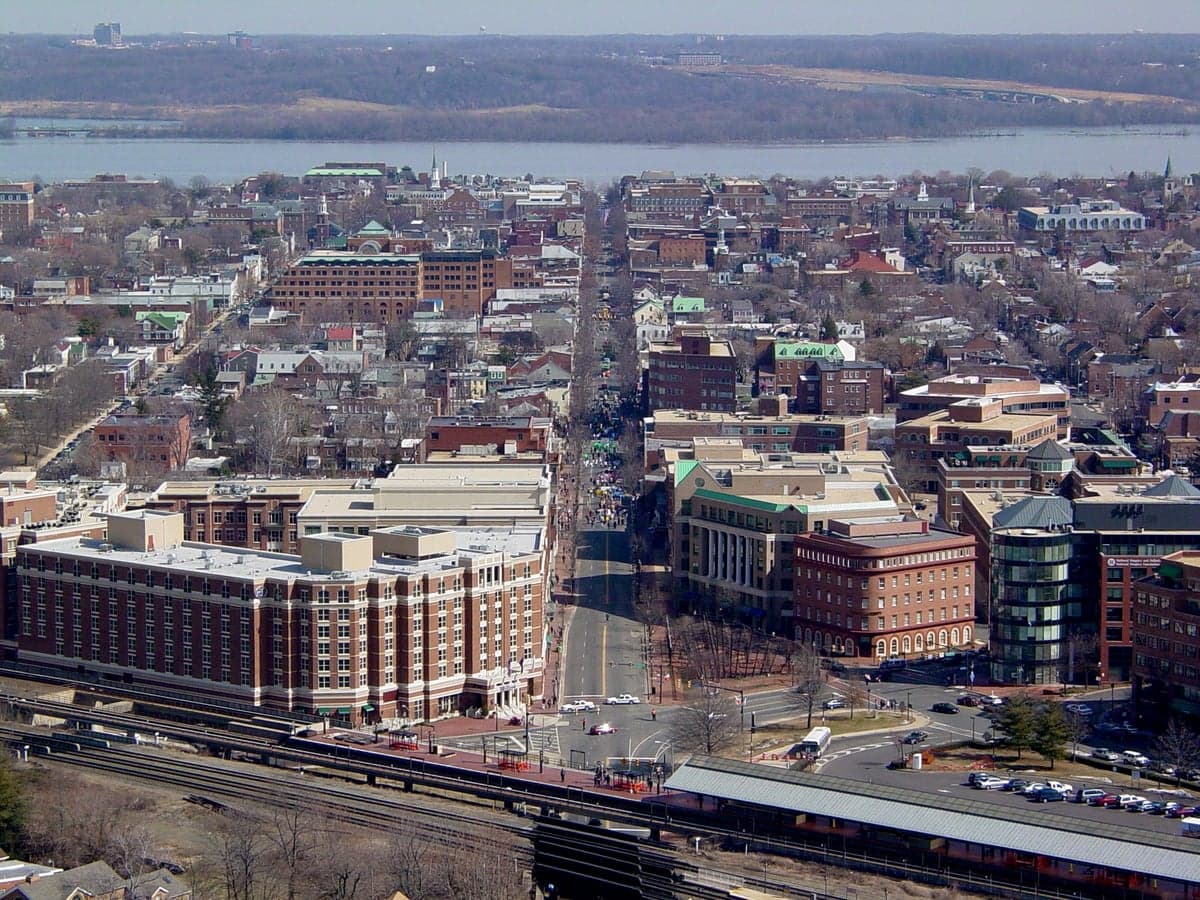
Photo: Wikipedia
Quality of Life in Alexandria, VA
A high quality of life with strong walkability, manageable living costs, healthy neighborhood signals, and solid amenity access.
What does Quality of Life tell us?
Quality of Life blends cost of living, nearby amenities, socioeconomic signals, and neighborhood character. City-level scores represent the whole municipality; individual neighborhoods can differ.
What does this tell us?
Quality of Life blends cost of living, nearby amenities, socioeconomic signals, and neighborhood character. City-level scores represent the whole municipality; individual neighborhoods can differ.
Cost of Living
104% above national average
The Real Cost of Living in Alexandria, VA for 2026
| Tier | Individual | Family (4) |
|---|---|---|
| Survival | $32k | $61k |
| Comfortable | $135k | $199k |
| Luxury | $205k+ | $318k+ |
| Elite (Top 5%) | $260k+ | $403k+ |
57%
The Area Signal
A metric tracking the socioeconomic signals of the area.
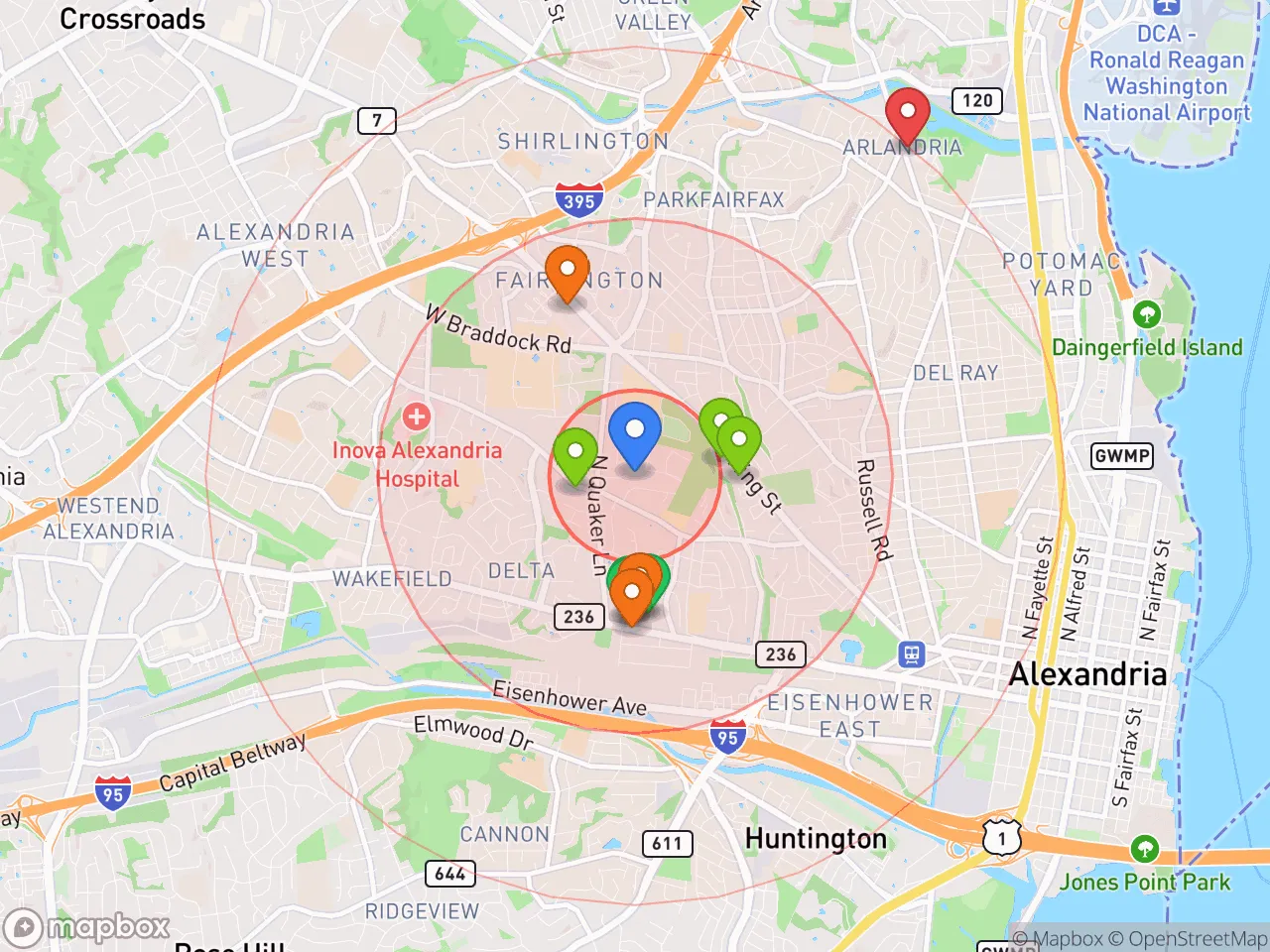
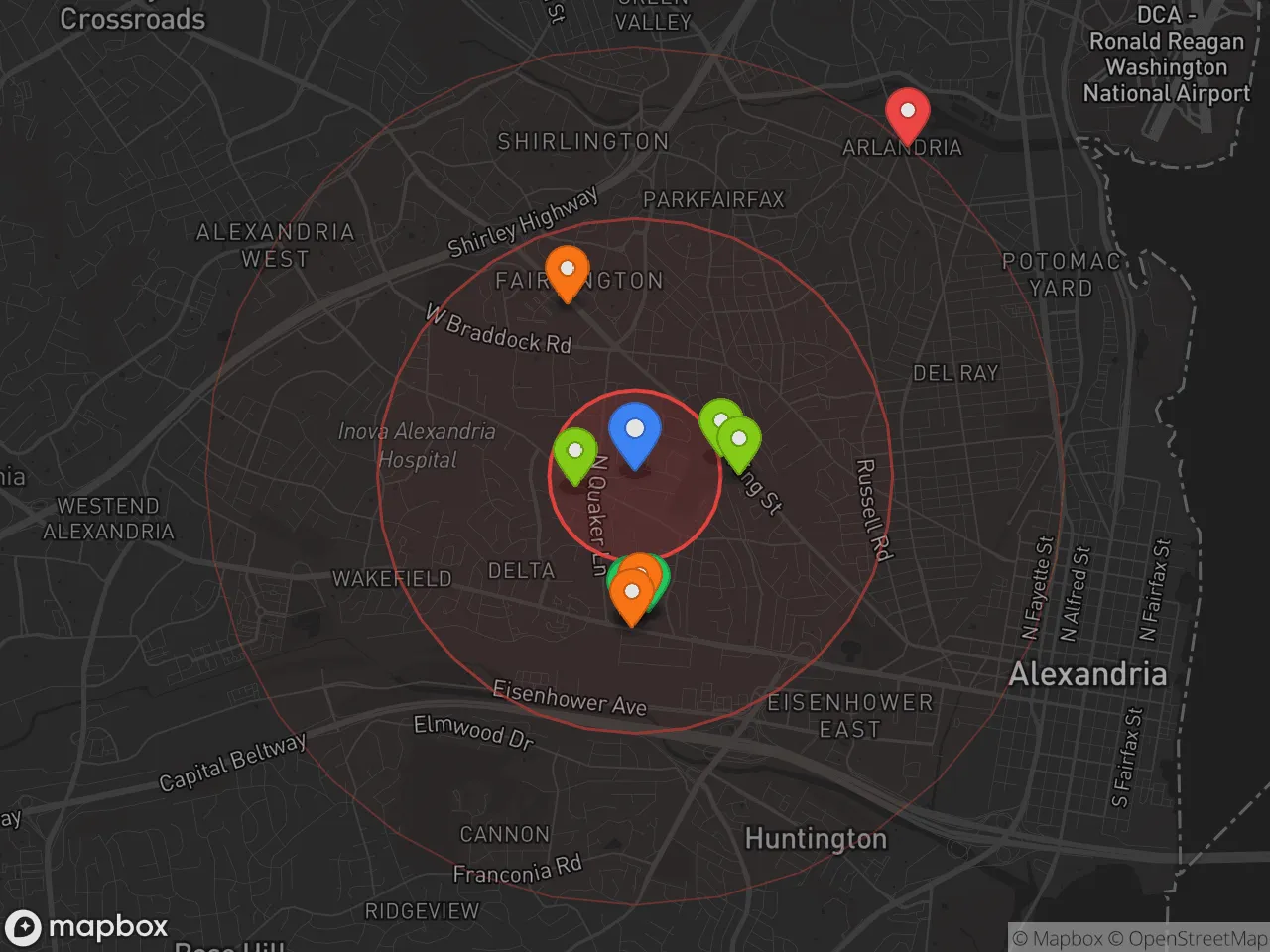
Hobbies
Explore the areaGroceries
6 within 10 miles
Gas
20 within 10 miles
Hospital
20 within 20 miles
Airport
DCA — Ronald Reagan Washington National
Post Office
USPS — Alexandria, VA
Critical Amenities
Quality-of-Life Analysis
Alexandria, Virginia, is an affluent, densely populated city of approximately 160,000 residents that blends historic charm with direct access to Washington, D.C. The population skews highly educated and professional, with a median household income near $100,000, driven by a concentration of federal employees, defense contractors, and tech workers. The city’s walkable Old Town district, Potomac River waterfront, and deep stock of 18th- and 19th-century architecture attract a mix of young professionals, established families, and empty-nesters who prioritize urban amenities without the full intensity of D.C. living.
Cost of living and housing affordability compared to Arlington and D.C.
Alexandria’s cost of living index stands at 204 — more than double the U.S. average — placing it among the most expensive mid-sized cities in the country. The median home value is $696,800, roughly 10% lower than neighboring Arlington but 15% higher than Fairfax County suburbs like Springfield. Median rent sits at $2,031, which undercuts D.C.’s citywide median by about $400 but still represents a significant monthly outlay. For buyers, a 20% down payment on the median home requires nearly $140,000, putting homeownership out of reach for many single-income households. Property taxes in Alexandria are moderate for Northern Virginia at roughly 1.1% of assessed value, but the overall affordability gap is stark: a household earning the area median income of $100,000 would spend over 40% of gross income on a median-priced mortgage, well above the 30% threshold considered affordable.
Schools, parks, and the daily rhythm of life in Alexandria
Alexandria City Public Schools serve the city with 18 elementary, middle, and high schools; T.C. Williams High School (now Alexandria City High School) is the largest and offers International Baccalaureate and Advanced Placement programs, though overall state test scores trail those in adjacent Arlington and Fairfax County. The city compensates with an extensive park system — over 900 acres of green space including the 24-mile Mount Vernon Trail along the Potomac — and a dense network of bike lanes and sidewalks. Daily life revolves around the King Street corridor in Old Town, where farmers’ markets, independent bookstores, and restaurants like Vermilion and The Majestic anchor a pedestrian-friendly routine. The average commute time is 29.3 minutes, slightly below the D.C. metro average, thanks to multiple Metro stations (King Street, Braddock Road, Eisenhower Avenue) and VRE commuter rail lines that connect to downtown D.C. in under 20 minutes. Traffic on I-395 and the Beltway remains a frustration for drivers, but the transit options make a car-free lifestyle feasible for many residents.
Alexandria is best suited for professionals and families who value walkability, historic character, and direct transit access to D.C. over suburban space or lower costs. The city’s high taxes and housing prices demand a solid dual-income household or a senior-level salary, but the payoff is a dense, amenity-rich environment with strong schools, low crime rates relative to the national average, and a civic culture that supports local businesses and public events like the annual Alexandria Film Festival. Those seeking a quieter, more affordable lifestyle or larger yards will find better fits in Prince William or Loudoun counties; for anyone who wants urban energy without D.C.’s parking headaches and noise, Alexandria delivers a polished, manageable alternative.

Crime in Alexandria, VA
Generally safer than 69% of comparable U.S. locations.
Violent CrimeViolent Crime Analysis
Property CrimeProperty Crime Analysis
Crime Analysis
Alexandria, Virginia, reports a violent crime rate of 130.4 per 100,000 residents and a property crime rate of 1,600.9 per 100,000, placing it below the national average for violent offenses but above the national average for property crime. However, the city's location within a large, liberal-leaning metropolitan area raises concerns about the local justice system's approach to public safety. Progressive policies among elected prosecutors and judges in Northern Virginia have been linked to reduced incarceration rates and lenient sentencing, which can result in repeat offenders cycling back onto the streets more quickly, undermining deterrence and victim justice.
Crime in context
Compared to Virginia's statewide violent crime rate of roughly 200 per 100,000, Alexandria's 130.4 figure is notably lower, reflecting its affluent, densely populated urban character. Property crime, however, is elevated: the city's 1,600.9 rate exceeds the national average of approximately 1,954 per 100,000 but is significantly higher than Virginia's statewide average of about 1,200 per 100,000. This disparity is partly driven by car break-ins, package thefts, and bicycle thefts in transit-heavy corridors like the Braddock Road and King Street Metro areas. The broader D.C. metro region, where Alexandria sits, has seen property crime rise 8-12% since 2020, with progressive prosecutorial policies in Arlington and Alexandria often prioritizing diversion programs over custodial sentences for property offenders.
What residents experience
Residents in Alexandria's historic Old Town and Del Ray neighborhoods report feeling generally safe walking at night, but property crime is a persistent annoyance. Vehicle break-ins and catalytic converter thefts are the most common complaints, with police data showing over 400 such incidents annually in the city's eastern wards. Violent crime is rare but concentrated: aggravated assaults and robberies occur most frequently along the Route 1 corridor near the Braddock Road Metro station and in the Arlandria neighborhood. The Alexandria Commonwealth's Attorney's office has publicly emphasized restorative justice and reduced cash bail, policies that critics argue embolden repeat offenders. For example, a 2024 audit found that 23% of property crime arrests in Alexandria resulted in no charges or immediate release, compared to 14% in nearby Fairfax County, which maintains a more traditional prosecutorial stance.
Neighborhood-level safety varies considerably. Old Town's tourist-heavy blocks see high police presence and low violent crime, but property theft is elevated. The West End, near the Landmark Mall redevelopment, has higher rates of both property and violent crime, with a 2025 city report noting a 15% increase in reported assaults there. Residents in the Seminary Hill and Rosemont areas report the lowest crime rates, benefiting from active neighborhood watch programs and proximity to the George Washington Masonic Memorial's security patrols. Overall, Alexandria's crime profile is manageable for most residents, but the progressive justice system's leniency toward property and low-level offenders remains a legitimate concern for those seeking a truly safe suburban environment.
* Values derived from national, state, county, city and local statistics and may differ in a specific area. Last updated: 2026-05-02T01:19:06.000Z
Narrative content on this page is AI-generated and may contain mistakes. Verify any details that matter before acting on them.
ReloMaps may earn a commission from affiliate links at no extra cost to you.

