Photo: Wikipedia
Find The Best Places To Live
in Alexandria
PRO TIP! You can paste a Zillow or Redfin link to get info on that property.
What It's Like Living in Alexandria, VA
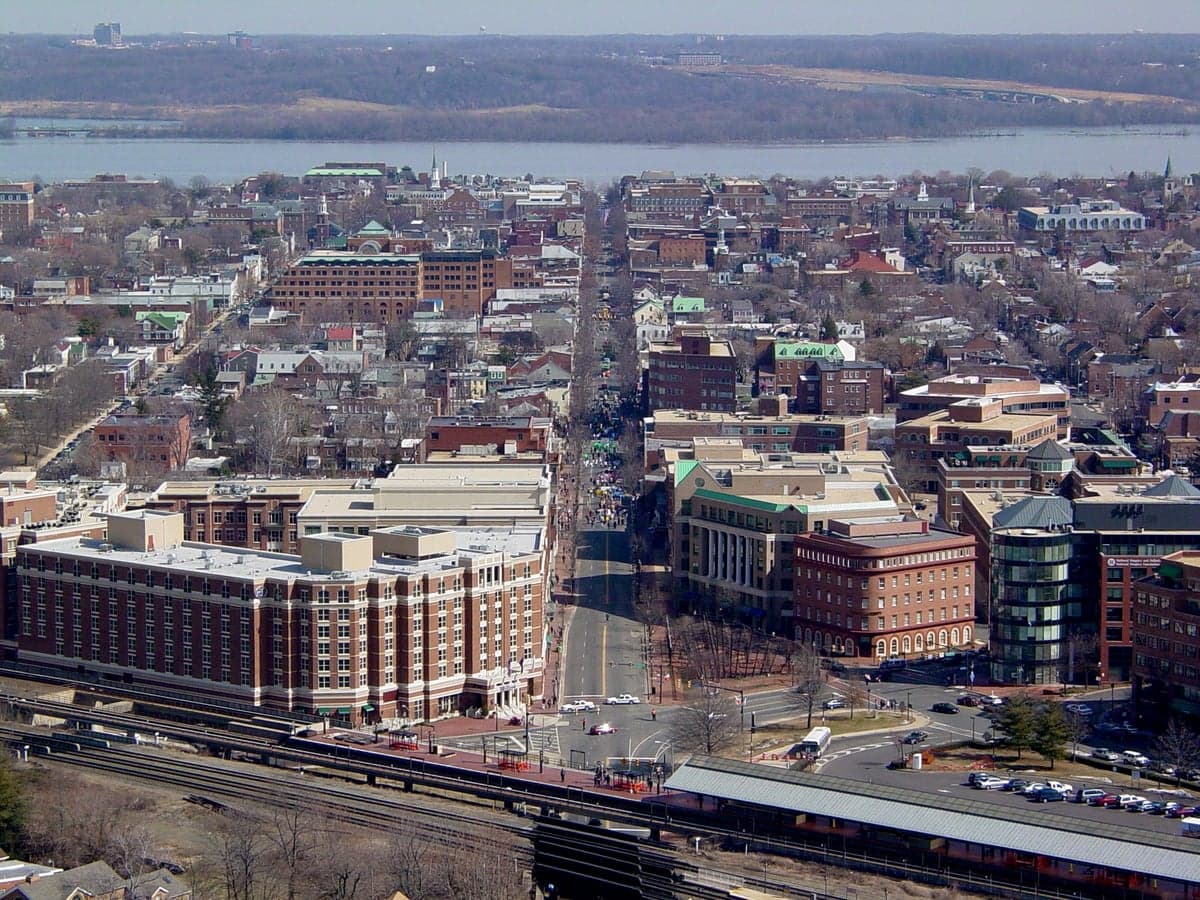
Living in Alexandria, Virginia feels a lot like being in a small town that happens to have a metro stop, a skyline view of Washington D.C., and a serious identity of its own. It’s not a D.C. suburb that just blends in—it’s a 275-year-old port city with cobblestone streets, brick sidewalks, and a fierce sense of place. You’ll find young professionals who moved here for the jobs and stayed for the community, families who chose it for the schools and walkability, and longtime locals who remember when King Street was a lot quieter. It’s expensive, it’s crowded in places, but it’s also the kind of place where you run into people you know at the farmers market on a Saturday morning.
Daily Rhythm: Walkable Blocks, Long Commutes, and Weekend Rituals
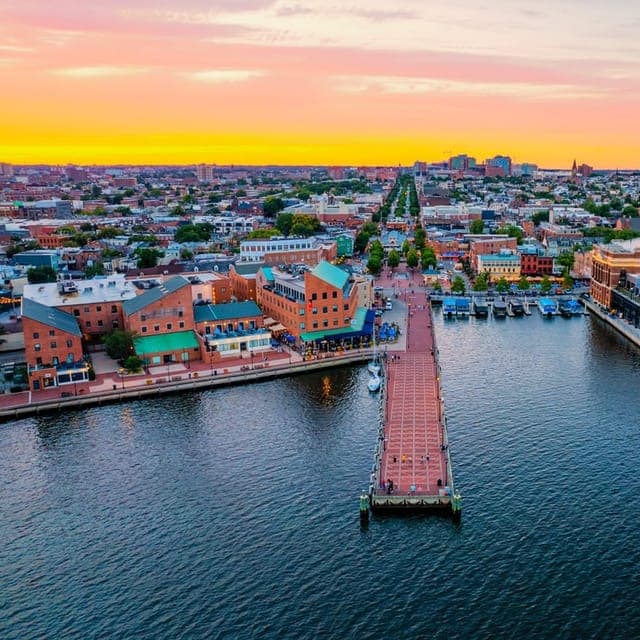
The daily life in Alexandria depends heavily on which part of the city you call home. Old Town is the historic heart—think brick row houses, independent bookstores, and the waterfront where people jog along the Potomac. Here, many residents walk to coffee at Misha’s, grab dinner at a spot like The Majestic, and spend weekends browsing the Torpedo Factory Art Center or the Old Town Farmers Market (the oldest continuously operating in the country). But the reality for a lot of people is a commute into D.C. or Arlington. The average commute clocks in at about 29 minutes, which is better than some Northern Virginia suburbs but still a grind—especially if you’re driving the Beltway or I-395. The Braddock Road and King Street Metro stations are lifelines, and the city’s DASH buses fill in the gaps. For families, weekends often revolve around the Mount Vernon Trail for biking, the playgrounds at Founders Park, or a slow afternoon at the waterfront dog park. The median age here is 37.5, and with 65.8% of adults holding a college degree, the social scene leans educated and professional—happy hours at places like Virtue Feed & Grain or the rooftop at The Waterfront are common after-work rituals.
Sports, Community, and the Local Identity
Sports in Alexandria don’t dominate the way they do in a college town or a city with a major pro franchise, but they’re woven into the fabric. High school football is a real thing—T.C. Williams High School (now Alexandria City High School) has a storied program, and the local rivalry games draw solid crowds. There’s no pro team in the city limits, but everyone claims the Washington Commanders, Nationals, Capitals, and Wizards as their own. The real local identity, though, is less about the scoreboard and more about civic pride. Alexandria has a tradition of block parties, neighborhood associations, and festivals that feel genuinely community-driven. The Alexandria Seaport Festival, the Scottish Christmas Walk, and the First Night Alexandria celebration on New Year’s Eve are annual fixtures. There’s also a strong military and veteran presence—the city is adjacent to Fort Belvoir and the Pentagon, and you’ll see that reflected in everything from the crowd at a local brewery to the flags on porches. Culturally, Alexandria is more reserved and traditional than D.C. or Arlington—it’s a place where people care about historic preservation, local zoning, and keeping the city’s character intact, sometimes to the frustration of those who want more development.
What’s There to Do: Parks, Patios, and a Surprisingly Active Scene
For a city of about 157,000 people, Alexandria punches above its weight in things to do. The outdoor life is strong—the Mount Vernon Trail runs 18 miles along the river, and you can bike from Old Town all the way to George Washington’s estate. Jones Point Park has a lighthouse and views of the Woodrow Wilson Bridge. The waterfront is lined with restaurants and bars that spill onto patios in warmer months, and the vibe is relaxed but polished. Music venues are smaller-scale—the Birchmere is a legendary listening room that books folk, bluegrass, and Americana acts, while the Carlyle Room and The Light Horse offer live music on weekends. Restaurants are a big deal here: you’ll find everything from upscale Southern at The Hen Quarter to no-frills tacos at El Paso, and the food scene is diverse enough that you don’t need to go into D.C. for a good meal. The city also has a strong coffee shop culture—St. Elmo’s, Swing’s, and Misha’s are local staples where people work remotely, meet friends, or just read a book. For families, the public library system is excellent, and the schools (Alexandria City Public Schools) are a mixed bag—some are highly rated, others less so, which is a common topic of conversation among parents deciding between public and private options.
Pros and Cons of Living Here: What Residents Actually Say
The upsides are real. The walkability in Old Town is hard to beat—you can live without a car if you work in D.C. or Arlington. The history and architecture give the city a distinct character that newer suburbs lack. The job market is strong, with a median household income of $113,638, and the proximity to federal government, defense contractors, and tech firms means career opportunities are plentiful. The violent crime rate is 130.4 per 100,000—well below the national average—so most neighborhoods feel safe, even at night. The downsides are equally real. The cost of living index is 204, more than double the U.S. average, and the median home value is $696,800. Renting isn’t cheap either, and that price point pushes a lot of young singles and families further out to places like Springfield or Woodbridge. Traffic is a genuine headache—driving during rush hour on the Beltway or Route 1 is something residents complain about constantly. The weather is four-season but humid in summer, with occasional nor’easters in winter that can shut things down for a day. And while the city is walkable in parts, it’s not cheap to live in those walkable parts. The kind of person who fits in here is someone who values a strong sense of place, doesn’t mind paying a premium for it, and is willing to trade square footage for a shorter commute and a neighborhood with a real downtown. It’s not for everyone, but for the people who love it, it’s hard to imagine living anywhere else.

Similar small cities to Alexandria

* Values derived from national, state, county, city and local statistics and may differ in a specific area. Last updated: 2026-05-02T01:19:06.000Z
Narrative content on this page is AI-generated and may contain mistakes. Verify any details that matter before acting on them.
ReloMaps may earn a commission from affiliate links at no extra cost to you.

