
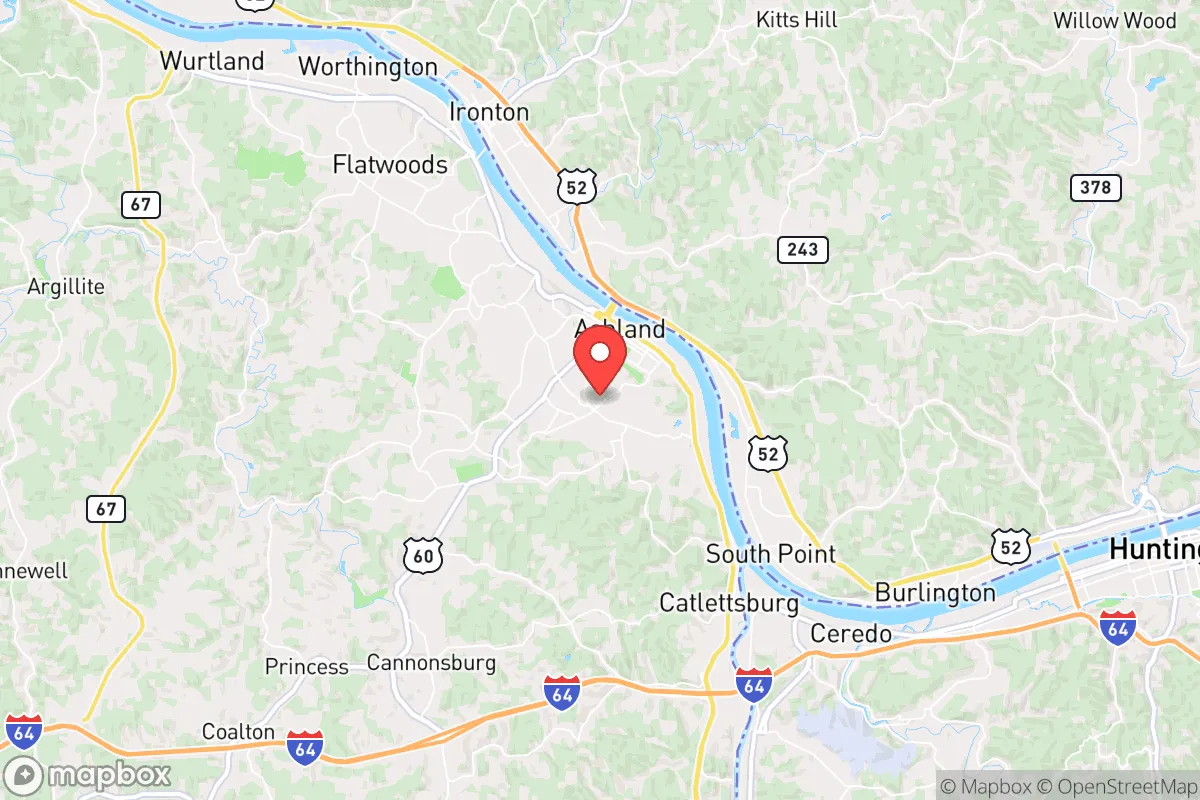
Photo: Wikipedia
Quality of Life in Ashland, KY
A high quality of life with strong walkability, manageable living costs, healthy neighborhood signals, and solid amenity access.
What does Quality of Life tell us?
Quality of Life blends cost of living, nearby amenities, socioeconomic signals, and neighborhood character. City-level scores represent the whole municipality; individual neighborhoods can differ.
What does this tell us?
Quality of Life blends cost of living, nearby amenities, socioeconomic signals, and neighborhood character. City-level scores represent the whole municipality; individual neighborhoods can differ.
Cost of Living
38% below national average
The Real Cost of Living in Ashland, KY for 2026
| Tier | Individual | Family (4) |
|---|---|---|
| Survival | $14k | $26k |
| Comfortable | $24k | $36k |
| Luxury | $93k+ | $144k+ |
| Elite (Top 5%) | $109k+ | $169k+ |
146%
The Area Signal
A metric tracking the socioeconomic signals of the area.
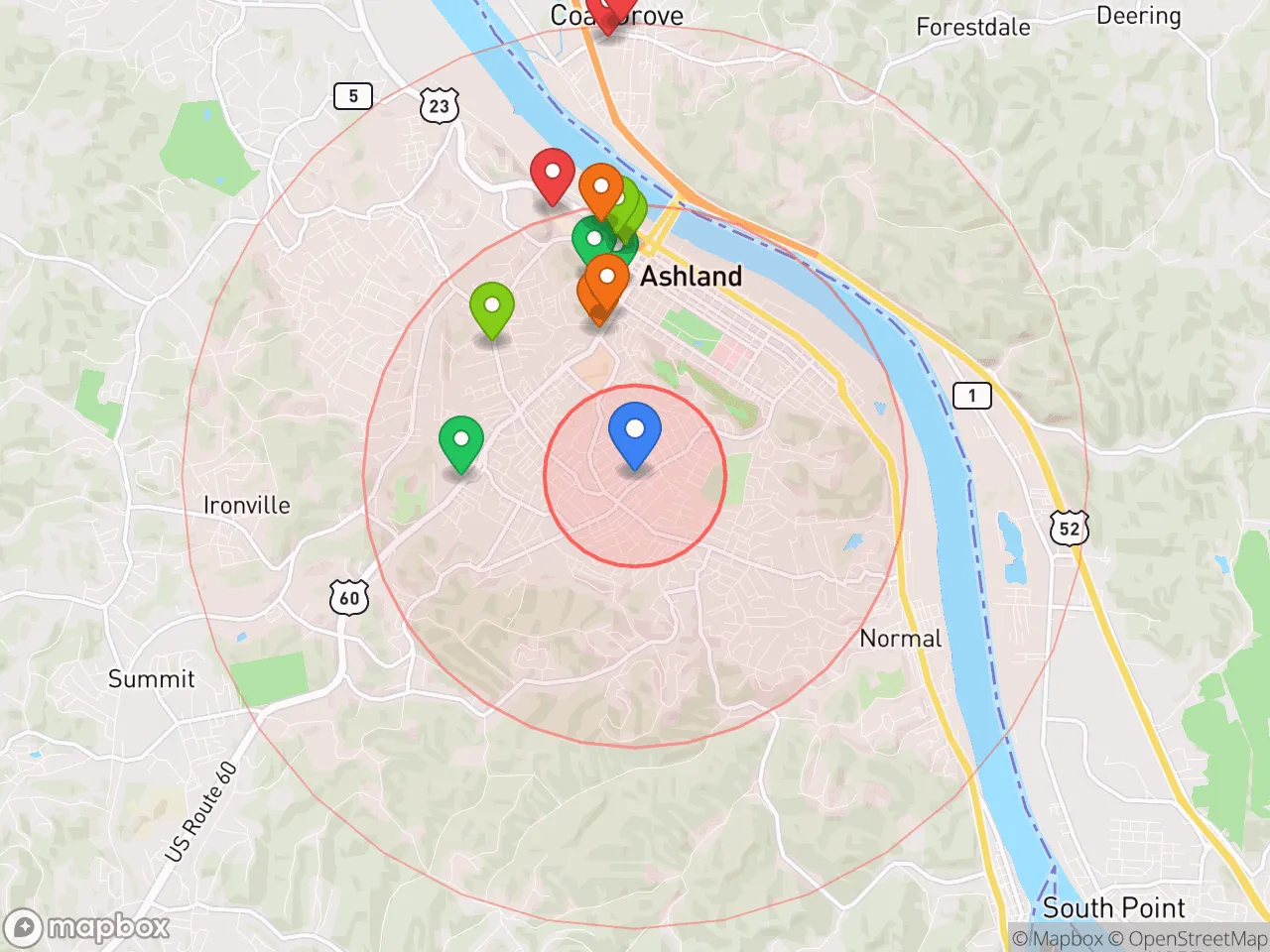
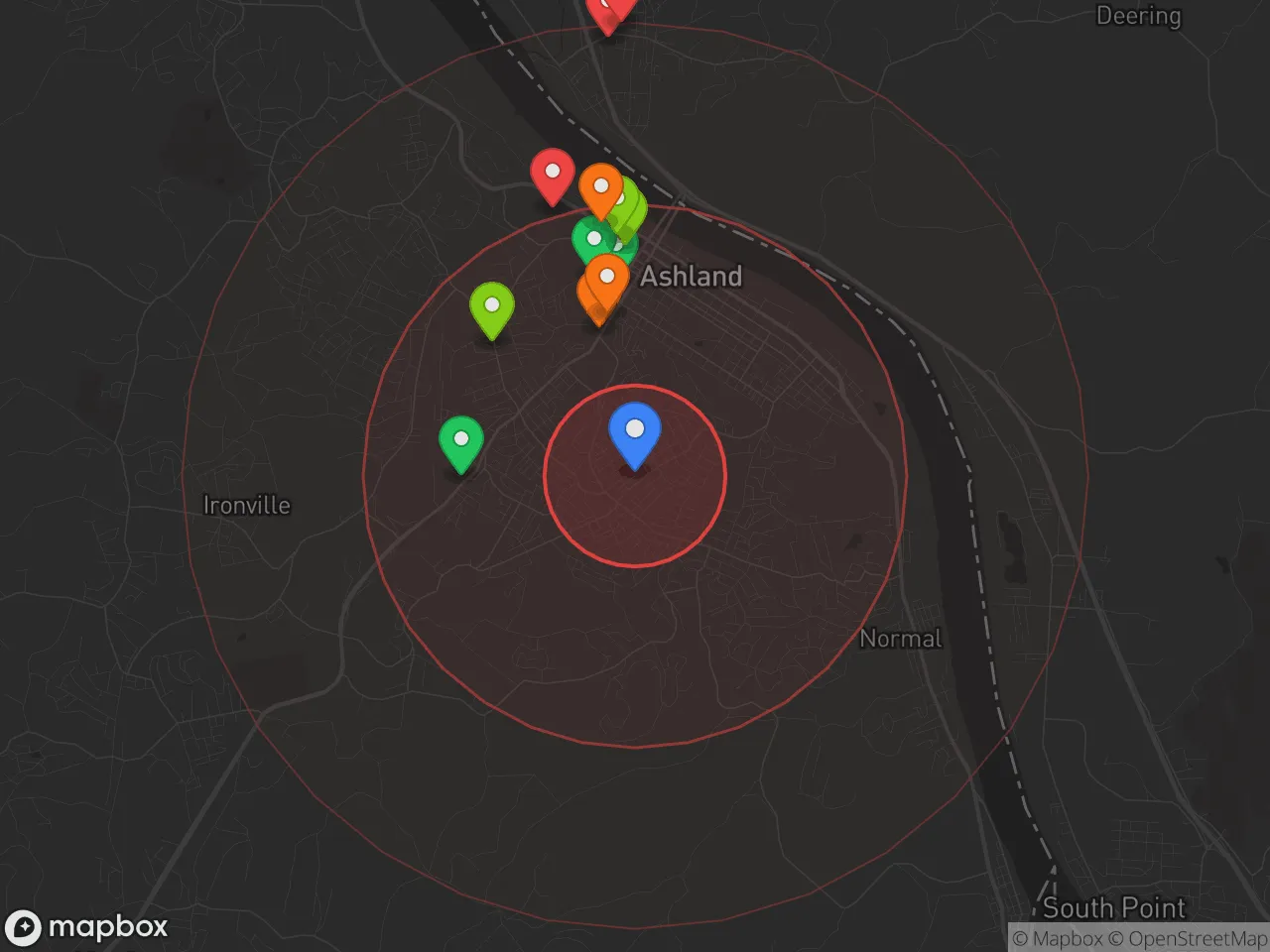
Hobbies
Explore the areaGroceries
5 within 10 miles
Gas
20 within 10 miles
Hospital
11 within 20 miles
Airport
John Glenn Columbus International Airport
Post Office
USPS — Ashland, KY
Critical Amenities
Quality-of-Life Analysis
Ashland, Kentucky offers a notably affordable quality of life that attracts a mix of working professionals, families, and retirees seeking a slower pace without sacrificing access to essential services. The cost of living index sits at 62, well below the national average of 100, making it one of the most budget-friendly small cities in the Ohio Valley. Median household incomes here trail national figures, but the low expenses mean residents often enjoy a comfortable standard of living that would require significantly higher earnings in larger metros.
How housing costs and everyday expenses compare to nearby cities
Housing is the primary driver of Ashland’s affordability. The median home value is $125,300, roughly one-third the national median, while median rent runs $859 per month. These figures are substantially lower than in Lexington (about 90 miles southeast) or Charleston, West Virginia (50 miles northeast), where comparable homes often cost 40-50% more. Groceries, healthcare, and transportation also track below the U.S. average, with utilities slightly above due to winter heating demands. The average commute of 20.8 minutes is shorter than the national norm, reducing both fuel costs and daily stress. For buyers, property taxes in Boyd County remain modest, and first-time homebuyer programs through the Kentucky Housing Corporation can further lower barriers. Renters face a tight but stable market, with vacancy rates hovering around 5-7% in recent years.
What daily life is like for families and professionals in Ashland
Ashland’s daily rhythm centers on its walkable downtown, the Ohio Riverfront, and a network of parks like Central Park and the 1,100-acre Armco Park. The Boyd County Public School system serves most families, with Ashland Independent Schools offering specialized programs such as the Paul G. Blazer High School’s STEM academy. Healthcare is anchored by King’s Daughters Medical Center, the region’s largest employer and a Level II trauma center. Retail and dining cluster along Winchester Avenue and the Ashland Town Center mall, though residents often drive to Huntington, West Virginia (15 minutes west) for additional shopping and entertainment. Cultural amenities include the Paramount Arts Center, a restored 1931 theater hosting concerts and Broadway tours, and the Highlands Museum & Discovery Center. Outdoor recreation is a major draw: the nearby Greenbo Lake State Resort Park and Yatesville Lake State Park offer hiking, fishing, and camping within a 30-minute drive. The city’s crime rate is slightly above the national average for property offenses but below the Kentucky state average for violent crime, with police reporting steady declines in burglaries since 2020.
Ashland best suits those who prioritize low housing costs, short commutes, and a tight-knit community over urban nightlife or high-end dining. Retirees on fixed incomes, remote workers seeking a low-overhead base, and families wanting affordable homeownership will find the most value here. Professionals in healthcare, education, or manufacturing—the city’s top employment sectors—can leverage the low cost of living to build savings or pay down debt faster. Those accustomed to dense cultural scenes or rapid career growth in tech hubs may feel limited, but for anyone seeking financial breathing room in a scenic river town, Ashland delivers a practical, grounded quality of life.

Crime in Ashland, KY
Crime rates similar to the national median for U.S. locations.
Violent CrimeViolent Crime Analysis
Property CrimeProperty Crime Analysis
Crime Analysis
Ashland, Kentucky, presents a mixed safety profile that requires careful consideration. The city's violent crime rate of 238.8 per 100,000 residents is notably lower than the national average, but its property crime rate of 1,996.5 per 100,000 is significantly higher, placing it above both state and national benchmarks. This combination means that while the risk of a violent encounter is relatively low, the likelihood of experiencing theft, burglary, or vandalism is a tangible concern for residents and newcomers alike.
Crime in context
When compared to the rest of Kentucky and the United States, Ashland's violent crime rate is a clear positive. The national violent crime rate hovers around 380 per 100,000, making Ashland's figure roughly 37% lower. Property crime, however, tells a different story. The national property crime rate is approximately 1,954 per 100,000, meaning Ashland sits just above that line, but it is substantially higher than Kentucky's statewide average of roughly 1,700 per 100,000. This disparity suggests that property-related offenses are a more pressing issue locally than violent acts. It is important to note that Ashland is not a large metropolitan area; it is a small, independent city in northeastern Kentucky. As such, it does not operate under the progressive prosecutorial policies often seen in larger, liberal-leaning metro areas. The local justice system in Boyd County is generally regarded as more traditional, which can be a factor in maintaining the lower violent crime rate.
What residents experience
Daily life in Ashland for most residents involves a practical awareness of property security. Car break-ins, theft from porches, and occasional home burglaries are the most common complaints, particularly in areas closer to the downtown core and along major thoroughfares. The city's police department is active, and neighborhood watch programs exist in several residential districts. For families and individuals, the low violent crime rate is a genuine comfort, allowing for routine activities like evening walks in parks or downtown without the heightened fear found in larger cities. However, the elevated property crime rate means that locking vehicles, securing outdoor items, and using home security systems are standard precautions, not optional extras.
Neighborhood-level variation is noticeable. The more affluent, established residential areas on the city's east side and in the outlying subdivisions tend to report lower crime rates overall. Conversely, areas with higher rental density and those immediately adjacent to the commercial corridors, such as along Winchester Avenue and 13th Street, see a higher concentration of property crime incidents. For anyone considering a move, focusing on specific street-level data and talking to local police about block-by-block trends is more valuable than relying on the citywide average alone. The overall safety picture is one of manageable risk, provided a resident takes sensible, proactive steps to protect their property.
* Values derived from national, state, county, city and local statistics and may differ in a specific area. Last updated: 2026-04-21T09:16:49.000Z
Narrative content on this page is AI-generated and may contain mistakes. Verify any details that matter before acting on them.
ReloMaps may earn a commission from affiliate links at no extra cost to you.

