 Popular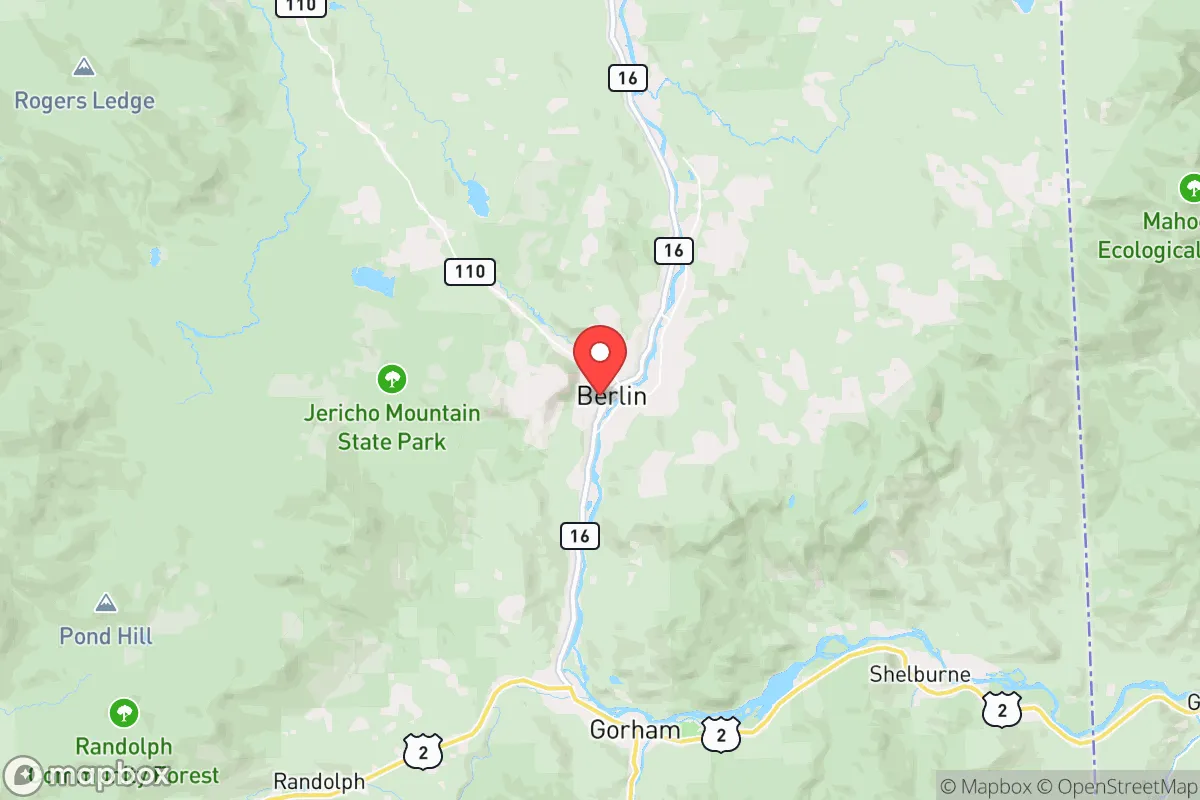
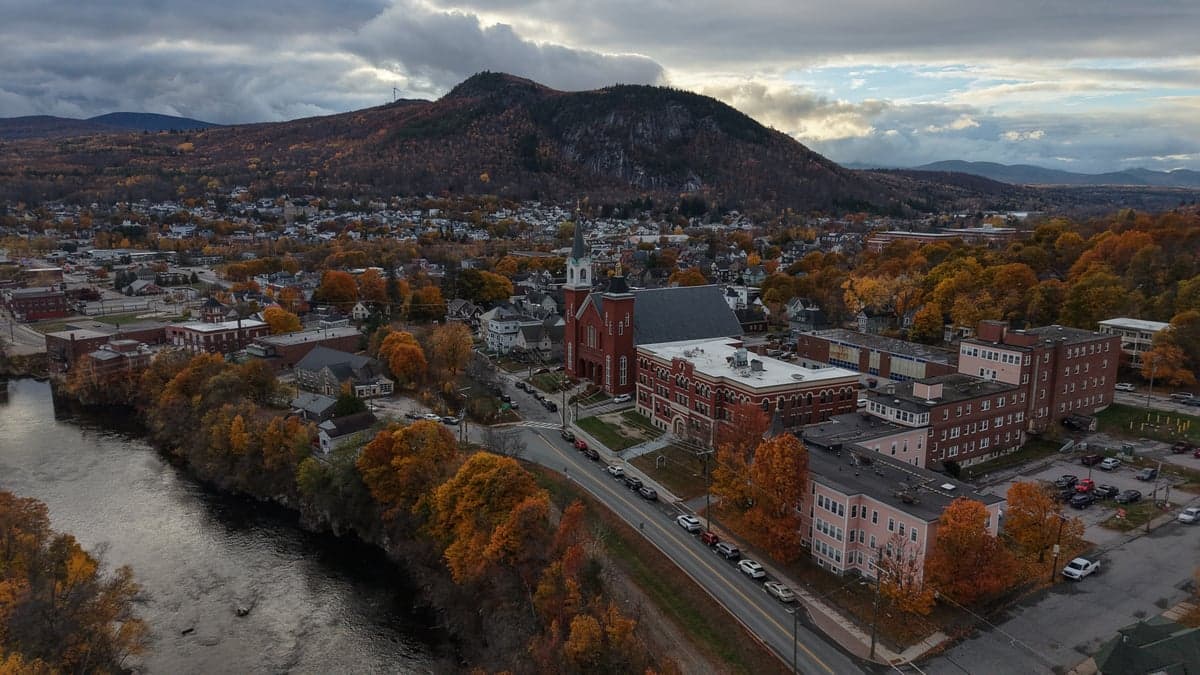
Photo: Wikipedia
Political ClimatePolitical Climate in Berlin, NH
District shown is the primary district for this city’s centroid. Cities may span multiple districts.
Local Political AnalysisPolitical Analysis of Berlin, NH
Berlin, New Hampshire, has long been a place where folks value their independence and don't take kindly to being told how to live their lives. The Cook PVI of D+2 might make it look like a swing district on paper, but the reality on the ground is more complicated. This town has a deep-rooted, blue-collar, live-and-let-live culture that leans conservative on the issues that really matter—like gun rights, property rights, and keeping government out of your business. The Democratic registration here is more of a historical artifact from the union mill days than a reflection of modern progressive values. You'll find plenty of people who vote for a Democrat for local office but will turn around and vote for a Republican for president, because they care about practical stuff like jobs and taxes, not the latest social crusade from the state capital.
How it compares
Drive 20 minutes south to Gorham, and you'll find a similar vibe—hardworking, skeptical of outsiders telling them what to do. But head west to Lancaster or north to Colebrook, and the political landscape shifts noticeably redder. Those towns are more reliably conservative, with fewer of the "newcomer" influences that have started to creep into Berlin. The real contrast, though, is with the college towns and the more affluent parts of the state. Places like Durham or Hanover are a world away—they're where you see the heavy-handed government overreach that makes folks in Berlin shake their heads. The state legislature has been pushing things like stricter gun laws and energy mandates that feel like they were written for people in Portsmouth, not for a mill town in the North Country. Berlin's representatives have been fighting that tooth and nail, but it's an uphill battle when the majority in Concord doesn't understand how we live up here.
What this means for residents
For the people who actually live here, the political climate means you have to stay vigilant. The progressive agenda isn't just a distant threat—it shows up in things like property tax hikes to fund state mandates, or attempts to restrict access to public lands for hunting and snowmobiling. The biggest concern I hear from neighbors is about the erosion of local control. When Concord decides it knows better than the people who've been on the same land for generations, that's a red flag. The good news is that Berlin's community is tight-knit and not easily swayed by the latest trends from the city. People here still show up to town meetings and speak their minds. But the long-term trend is worrying: as younger folks move away for jobs and the population ages, the town becomes more vulnerable to being steamrolled by state-level policies that don't fit our way of life.
One thing that sets Berlin apart is its fierce independence when it comes to personal freedoms. You won't find the same kind of nanny-state regulations here that you see in southern New Hampshire. There's no push for bike lanes or plastic bag bans—people have bigger priorities, like keeping the paper mill running and making sure the roads are plowed. The cultural distinction is that Berlin is still a place where your word is your bond, and you're judged by your work ethic, not your politics. That said, the creeping influence of progressive ideology is real. The school board has had some heated debates about curriculum, and there's always a new proposal from Concord about "equity" initiatives that feel like a solution in search of a problem. For now, Berlin holds the line, but it takes constant effort. If you're thinking of moving here, just know that you'll be part of a community that values its freedom and isn't afraid to push back when the government tries to take it away.

State Political ClimatePolitical Climate in New Hampshire
State Political AnalysisPolitical Environment in the State
New Hampshire has long been known as the "Live Free or Die" state, but if you’re looking at it through a conservative lens today, that motto feels more like a promise under siege than a settled reality. The state leans slightly Republican in statewide elections but has a deeply independent streak, with a legislature that’s often split between fiscally conservative and socially liberal impulses. Over the last 10-20 years, the Granite State has shifted from a reliably red-leaning swing state to a true purple battleground, with the southern tier—especially around Manchester and Nashua—pulling leftward due to in-migration from Massachusetts, while the North Country and rural towns remain staunchly conservative. The 2024 presidential race saw New Hampshire go for the Democratic candidate by about 2 points, a far cry from the 2000 election when George W. Bush nearly carried it.
Urban vs. rural divide
The political map of New Hampshire is a textbook study in geographic polarization. The southeastern corner, anchored by Manchester, Nashua, and Portsmouth, is the state’s liberal engine. These cities have grown fast with transplants from Massachusetts and New York, driving Democratic margins in Hillsborough and Rockingham counties. In 2024, Manchester’s Ward 2 voted over 70% Democratic, while the surrounding suburbs like Bedford and Londonderry remain competitive but trending left. Meanwhile, the North Country—Coos County and northern Grafton County—is deeply red, with towns like Berlin and Lancaster voting Republican by 20+ points. The Lakes Region and the Monadnock Region are more mixed: Carroll County leans red, while Cheshire County (home to Keene) is a liberal outlier thanks to Keene State College. The rural-urban split is stark: drive 20 minutes north of Concord, and you’ll go from a state government hub to towns where Trump flags still fly year-round.
Policy environment
New Hampshire’s policy environment is a mixed bag for conservatives. The good news: no state income tax, no sales tax, and a relatively low property tax burden compared to neighboring Massachusetts. The state legislature has a Republican majority as of 2025, but it’s a narrow one, and the governor (Kelly Ayotte, a Republican) is moderate. On education, the state has a robust school choice program through Education Freedom Accounts, which let parents use public funds for private or homeschool expenses—a win for parental rights. Healthcare is less friendly: the state expanded Medicaid under the Affordable Care Act, and there’s a push for price controls on prescription drugs. Election laws are solid—voter ID is required, and same-day registration is allowed but with strict verification. The state’s “first-in-the-nation” primary status means national attention, but it also brings a flood of out-of-state campaign money that can distort local politics. The regulatory environment is generally light, especially for small businesses, but environmental regulations on shoreline development and wetlands can be a headache for property owners.
Trajectory & freedom
On personal liberty, New Hampshire is a tale of two trends. The good: in 2021, the legislature passed a constitutional carry law, allowing permitless concealed carry of firearms—a major win for Second Amendment advocates. The state also passed a law in 2023 banning vaccine passports and prohibiting discrimination based on vaccination status, which was a strong stand for medical freedom. Parental rights got a boost with the 2024 “Parents’ Bill of Rights,” which requires schools to notify parents about curriculum changes and health services. The concerning side: in 2024, the legislature passed a law banning “conversion therapy” for minors, which conservatives see as government overreach into private counseling. There’s also a growing push for a state-level “red flag” law, which has been introduced multiple times but hasn’t passed yet—if it does, it would allow temporary gun seizures without due process. Property rights are generally strong, but the state’s wetlands buffer rules can limit what you can build on your land. The trajectory is toward more regulation on firearms and medical choices, but the state’s independent streak means these fights are always close.
Civil unrest & political movements
New Hampshire has a long history of political activism, from the “Free State Project” (a movement that encouraged libertarians to move to the state) to the more recent “Walk Away” campaigns. The Free State Project peaked around 2010-2015, bringing thousands of liberty-minded individuals to towns like Keene and Nashua, but its influence has waned as many participants left due to the high cost of living. On the left, the “Granite State Progress” group and the New Hampshire Democratic Party have been active in pushing for rent control and paid family leave. Immigration politics are relatively quiet—the state has no sanctuary city policies, and Manchester’s mayor has been vocal about enforcing federal immigration law. Election integrity has been a flashpoint: in 2020, there were allegations of ballot harvesting in Manchester, leading to a 2021 law that tightened absentee ballot rules. Protests are rare but notable: in 2020, there were Black Lives Matter demonstrations in Portsmouth and Concord, and in 2024, a small but vocal group protested the state’s new transgender sports ban outside the State House. Overall, the political climate is civil but tense, with the divide between the “Live Free” crowd and the progressive newcomers growing sharper.
Projection
Looking ahead 5-10 years, New Hampshire is likely to continue its slow drift leftward, driven by demographic shifts. The state is one of the fastest-aging in the nation, but the young professionals moving in from Massachusetts and New York are overwhelmingly liberal. The southern tier—Manchester, Nashua, and the Seacoast—will become more Democratic, while the North Country and rural areas will hold but lose population. The state’s tax advantages will keep attracting businesses, but the influx of new residents will push housing prices up and strain infrastructure. The Republican Party will need to moderate on social issues to stay competitive, but that risks alienating the rural base. The most likely outcome: New Hampshire becomes a blue-leaning purple state by 2032, similar to Virginia today. For a conservative moving in now, you’ll find a state that still values freedom but is fighting a rear-guard action against progressive encroachment. The best bet is to settle in the North Country or the Lakes Region, where the culture is still red and the taxes are low.
For a conservative looking to relocate, New Hampshire offers a unique mix: no income tax, strong gun rights, and a culture of independence that’s rare in the Northeast. But the window is closing. The southern tier is becoming a suburb of Boston, and the state’s political trajectory is toward more regulation and higher costs. If you’re serious about the “Live Free” lifestyle, move now, buy land in Coos County or Carroll County, and get involved in local politics before the transplants change the rules. The state is still worth it, but it’s not the same New Hampshire your grandfather knew—and it won’t be the same in ten years.
* Values derived from national, state, county, city and local statistics and may differ in a specific area. Last updated: 2026-04-19T15:58:49.000Z
Narrative content on this page is AI-generated and may contain mistakes. Verify any details that matter before acting on them.
ReloMaps may earn a commission from affiliate links at no extra cost to you.

