 Popular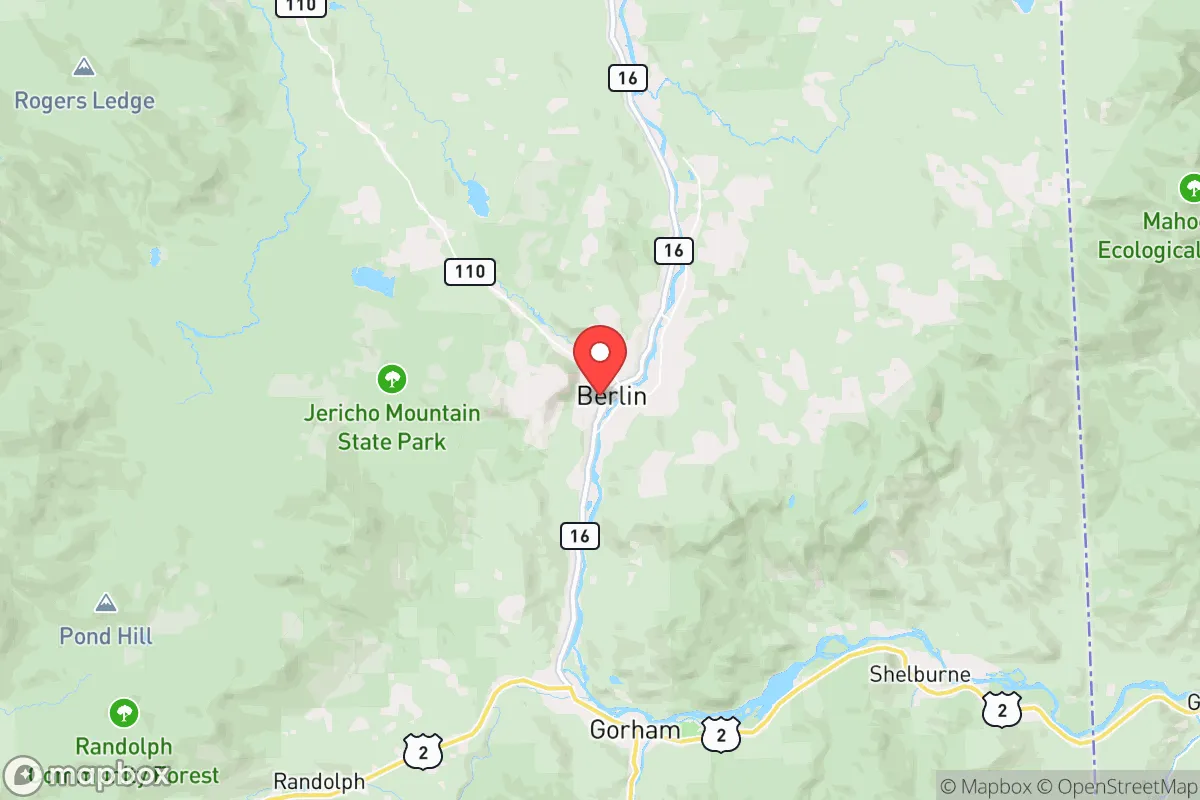
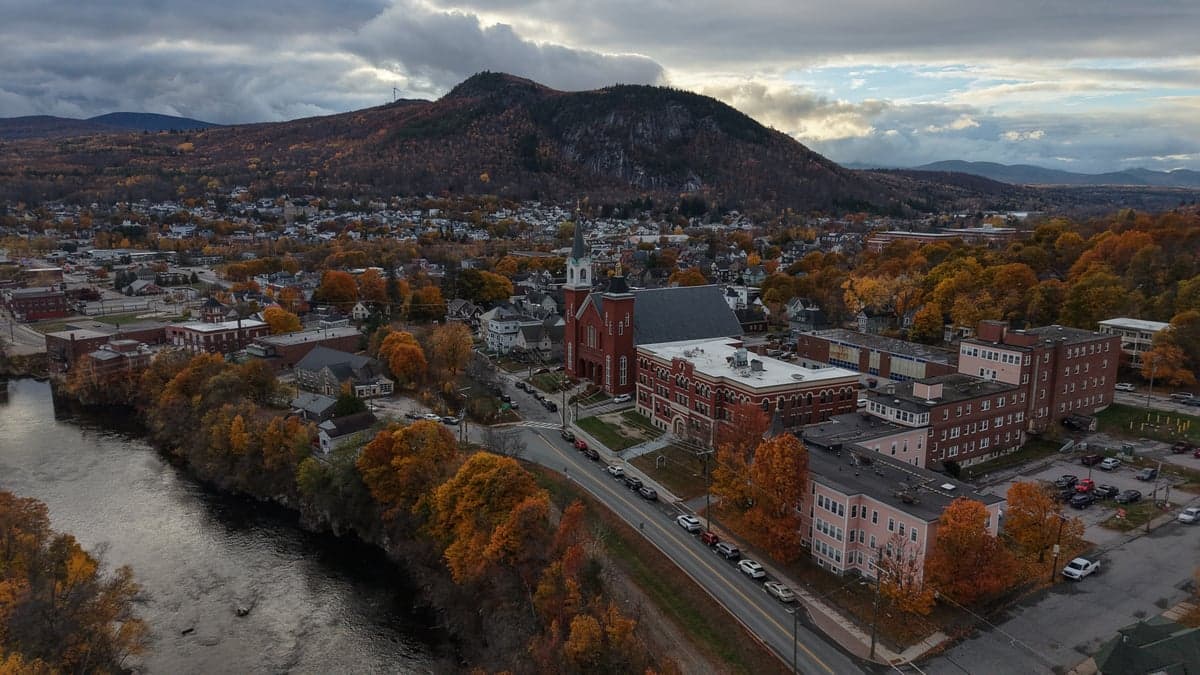
Photo: Wikipedia
Quality of Life in Berlin, NH
A high quality of life with strong walkability, manageable living costs, healthy neighborhood signals, and solid amenity access.
What does Quality of Life tell us?
Quality of Life blends cost of living, nearby amenities, socioeconomic signals, and neighborhood character. City-level scores represent the whole municipality; individual neighborhoods can differ.
What does this tell us?
Quality of Life blends cost of living, nearby amenities, socioeconomic signals, and neighborhood character. City-level scores represent the whole municipality; individual neighborhoods can differ.
Cost of Living
42% below national average
The Real Cost of Living in Berlin, NH for 2026
| Tier | Individual | Family (4) |
|---|---|---|
| Survival | $13k | $24k |
| Comfortable | $22k | $32k |
| Luxury | $79k+ | $123k+ |
| Elite (Top 5%) | $108k+ | $167k+ |
135%
The Area Signal
A metric tracking the socioeconomic signals of the area.


Hobbies
Explore the areaGroceries
1 within 10 miles
Gas
0 within 10 miles
Hospital
3 within 20 miles
Airport
PDX — Portland International Jetport
Post Office
USPS — Gorham, NH
Critical Amenities
Quality-of-Life Analysis
Berlin, New Hampshire, is a low-cost, working-class community in the North Country where the cost of living index sits at 58—42% below the U.S. average—making it one of the most affordable places in New England. The population skews older and more economically stable than the national median, with a median age of 44.3 and a median household income of $46,250, reflecting a mix of retirees, long-term residents, and workers in healthcare, manufacturing, and the paper industry. The area’s relative isolation and modest affluence attract people who prioritize space, quiet, and financial breathing room over urban amenities.
Cost of living, housing affordability, and how Berlin compares to nearby towns
Berlin’s housing market is exceptionally affordable by regional standards. The median home value is $113,500, roughly one-fifth the New Hampshire state median of $420,000, and the median rent is $804 per month—well below the state average of $1,400. For context, a home in Berlin costs about half as much as one in Gorham (10 miles south) and a third of what you’d pay in Littleton (40 miles west). The average commute is just 17 minutes, far shorter than the national average of 26 minutes, which means residents save significantly on transportation costs. While property taxes in Coös County are moderate (around 1.8% of assessed value), the low home prices keep annual tax bills manageable—typically under $2,500 for a median-priced home. Utilities can be higher than the national average due to heating oil dependence in winter, but overall monthly expenses remain low enough that a household earning $40,000 can comfortably afford a mortgage or rent here.
What daily life is like for families and retirees: amenities, schools, and local rhythm
Daily life in Berlin revolves around outdoor recreation, local services, and a slow, neighborly pace. The city sits along the Androscoggin River and is surrounded by the White Mountain National Forest, offering residents immediate access to hiking, fishing, snowmobiling, and skiing—the nearby Wildcat Mountain and Attitash ski areas are 30–40 minutes away. The Berlin School District serves about 1,200 students across three schools: Berlin Elementary, Berlin Junior High, and Berlin High School, which has a graduation rate of 82% and offers a strong vocational-technical program through the North Country Career Center. For daily errands, residents rely on a small downtown with a grocery store (Hannaford), a hardware store, a pharmacy, and a handful of diners and pizzerias. Healthcare is provided by Androscoggin Valley Hospital, a 25-bed critical access facility with a Level IV trauma center, located within city limits. The cultural rhythm is quiet—there is no nightlife to speak of, but the annual Berlin International Festival and the Northern Forest Heritage Park offer community gathering points. Most residents drive to Gorham or Lancaster for big-box shopping, and to Conway (45 minutes south) for more dining and entertainment options.
Berlin is best suited for people who value affordability, outdoor access, and a low-stress daily routine over career opportunities or urban conveniences. Retirees on fixed incomes, remote workers with stable internet (fiber is available in parts of town), and families who want a safe, small-town environment for raising children will find the most to like here. Professionals in healthcare, education, or trades will find local employment, but those seeking high-paying corporate jobs will need to commute to Littleton or Portland, Maine (90 minutes away). The trade-off is clear: a median home price of $113,500 and a 17-minute commute come at the cost of limited shopping, dining, and job diversity. For the right person, however, Berlin offers a quality of life that is both financially sustainable and deeply connected to nature.

Crime in Berlin, NH
Lower crime rates than 77% of comparable U.S. locations.
Violent CrimeViolent Crime Analysis
Property CrimeProperty Crime Analysis
Crime Analysis
Berlin, New Hampshire, presents a mixed safety profile. The city's violent crime rate of 336.6 per 100,000 residents is slightly above the national average, while its property crime rate of 1,237.8 per 100,000 is notably higher than both state and national benchmarks. These figures place Berlin in a cautionary position for prospective residents, particularly when compared to the safer, more rural communities in Coös County.
Crime in context
Berlin's violent crime rate of 336.6 per 100,000 is roughly 10% higher than the U.S. average of about 300 per 100,000, and significantly above New Hampshire's statewide average of approximately 180 per 100,000. Property crime is a more pronounced concern: the city's rate of 1,237.8 per 100,000 is nearly double the national average of around 650 per 100,000 and far exceeds New Hampshire's typical rate of about 500 per 100,000. These statistics place Berlin among the higher-crime municipalities in the state, though it remains safer than many similarly sized cities in neighboring Maine or Vermont. The city's location in the North Country, far from the liberal-leaning justice systems of larger metro areas like Manchester or Nashua, means local law enforcement and courts tend to take a more traditional approach to prosecution and sentencing, which can be a positive factor for residents concerned about progressive criminal justice policies that may prioritize offender rehabilitation over public safety.
What residents experience
For those living in Berlin, property crime is the most tangible safety issue. Vehicle break-ins, theft from porches, and occasional burglaries are the most commonly reported incidents. Violent crime, while present, is less frequent and often concentrated in specific social circles or domestic situations, meaning the risk to a typical law-abiding resident is lower than the raw rate suggests. The city's police department maintains a visible presence, and community policing efforts are active. However, the economic challenges of the region—including a declining population and limited job opportunities—contribute to property crime pressures that are difficult to fully mitigate. Residents often cite the importance of basic precautions like locking vehicles and securing outbuildings, which are not always standard practice in more rural parts of the county.
Neighborhood-level variation
Safety in Berlin is not uniform. The downtown core, particularly along Main Street and near the former mill sites, sees higher foot traffic and a greater concentration of reported incidents, including disorderly conduct and theft. Residential areas on the outskirts, such as the neighborhoods along the Androscoggin River or near the city's northern edge, tend to experience fewer crimes. The more affluent sections of town, including the area around the Berlin Country Club, report the lowest crime rates. Prospective renters and buyers should prioritize properties in these quieter, less transient neighborhoods. Overall, while Berlin is not a high-danger city, its crime statistics warrant a cautious approach, especially for families or retirees seeking a low-crime environment. The absence of a large, progressive metro-area justice system nearby is a relative advantage, as local courts are less likely to release repeat offenders on lenient terms.
* Values derived from national, state, county, city and local statistics and may differ in a specific area. Last updated: 2026-04-19T15:58:49.000Z
Narrative content on this page is AI-generated and may contain mistakes. Verify any details that matter before acting on them.
ReloMaps may earn a commission from affiliate links at no extra cost to you.

