
Photo: Wikipedia
Strategic Assessment of Biddeford, ME
Multiple tactical vulnerabilities. Population density, target proximity, or disaster risk are likely compounding. A retreat property and exit planning is required.
What does the Strategic Assessment tell us?
Our Strategic Assessment grades tactical survivability of an area. Major population centers, military targets, fallout zones, natural disasters, and border exposure all drive risk — lower exposure means a more defensible position in a crisis.
This is heavily inspired by Joel Skousen's Strategic Relocation book. Highly recommended you checkout the book ($)What does this tell us?
Our Strategic Assessment grades tactical survivability of an area. Major population centers, military targets, fallout zones, natural disasters, and border exposure all drive risk — lower exposure means a more defensible position in a crisis.
This is heavily inspired by Joel Skousen's Strategic Relocation book. Highly recommended you checkout the book ($)Strategic Pillars

Key Distances
Regional Safe Places
Below is our recommended "safe zones" in Maine and the surrounding area based on our strategic heuristics. For most people, it's unrealistic to live in a “safe zone” full-time due to work, family or other personal reasons. They tend to be more rural. However, many of these areas are perfect for second homes and retreat properties that double as a vacation home or even a short-term rental.
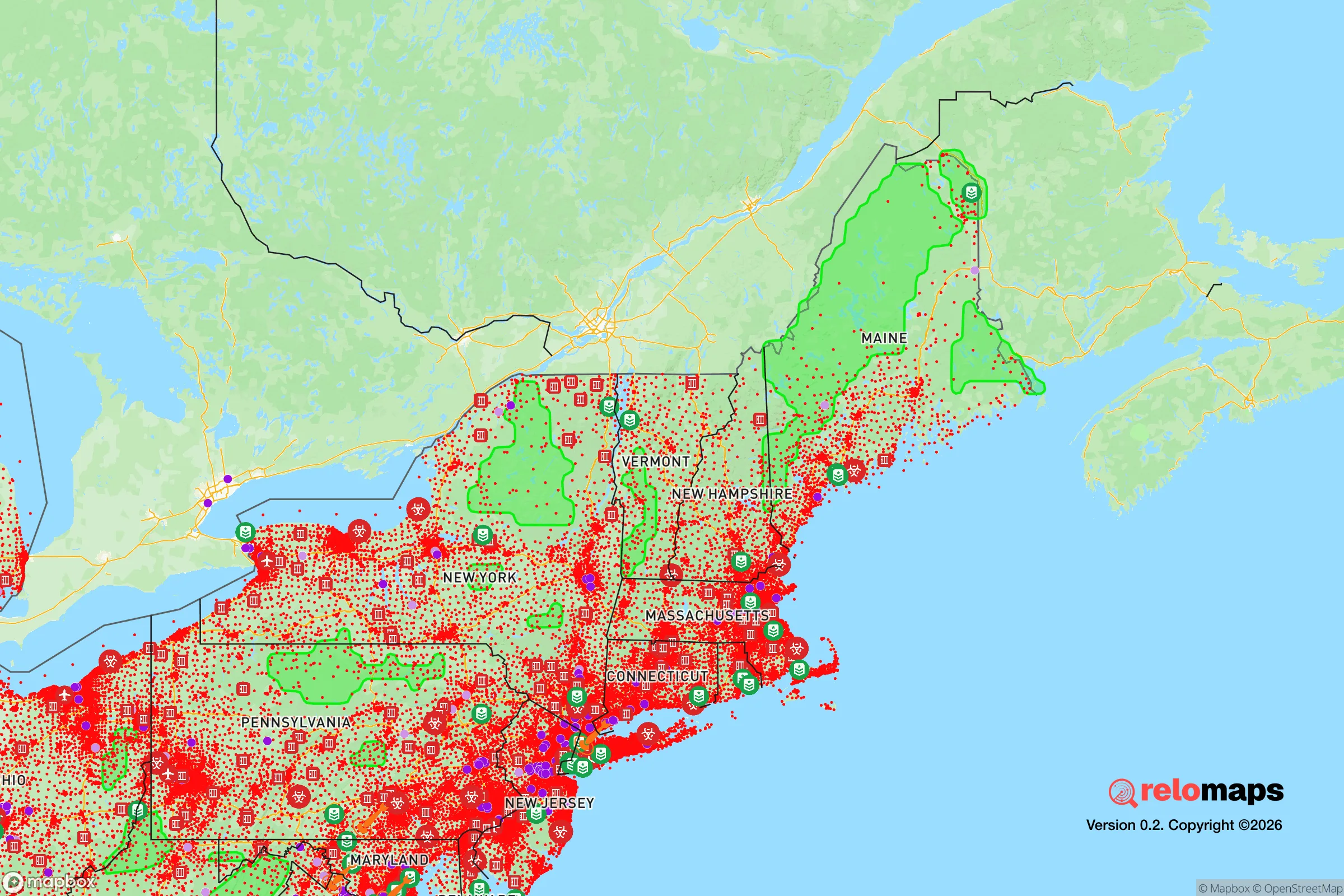
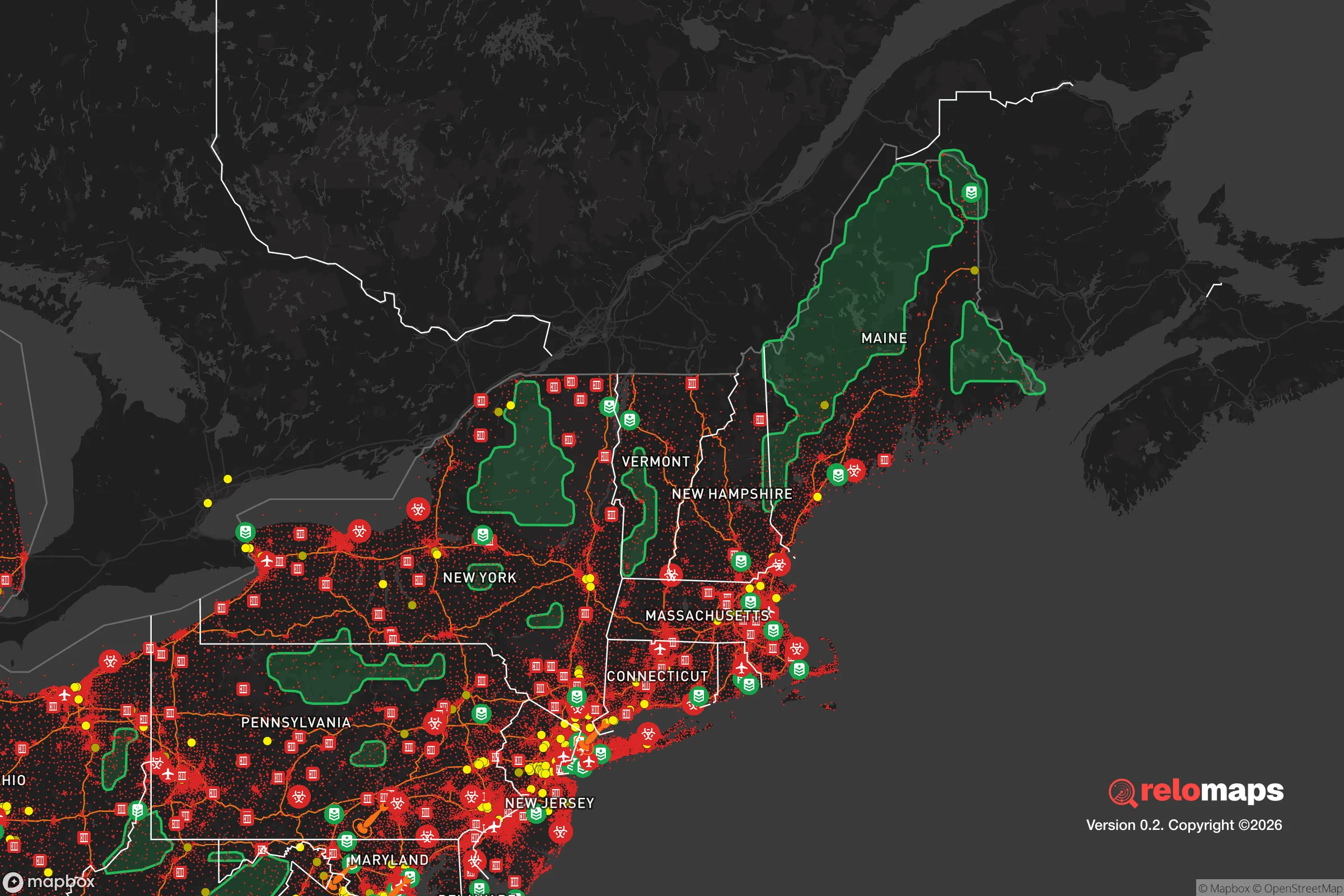


Important Note: For informational purposes only. This does not mean nothing bad ever happens in the green zones. Please use common sense. This is based on public data and modeled with AI. We tried to take a conservative approach but mistakes happen. We update this regularly as new information becomes available.
Solar Generator Recommendations
Backup power matters more here than in safer locations. We've picked three solar generators across budgets and capacity tiers — start with the budget unit if you only need a few essentials, or step up if you want to run a fridge and HVAC for days at a time.

Jackery Portable Power Station Explorer 300
Budget OptionPower on the Go: Weighing only 11 lbs, it's convenient to set up and store with book-sized foldable solar panels

BLUETTI Portable Power Station AC180
Designed for both indoor and outdoor scenarios, AC180 is highly capable as it has a robost capacity and continuous output power.

EF ECOFLOW DELTA Pro Ultra Power Station
Upgraded PickEcoFlow DELTA Pro Ultra is a whole-home energy system designed to grow with your family. Integrated with the Smart Home Panel 2, it scales to meet your evolving energy needs — keeping your home powered, intelligent, and secure through every stage of life.
We earn a commission, at no additional cost to you.
Strategic Assessment Analysis
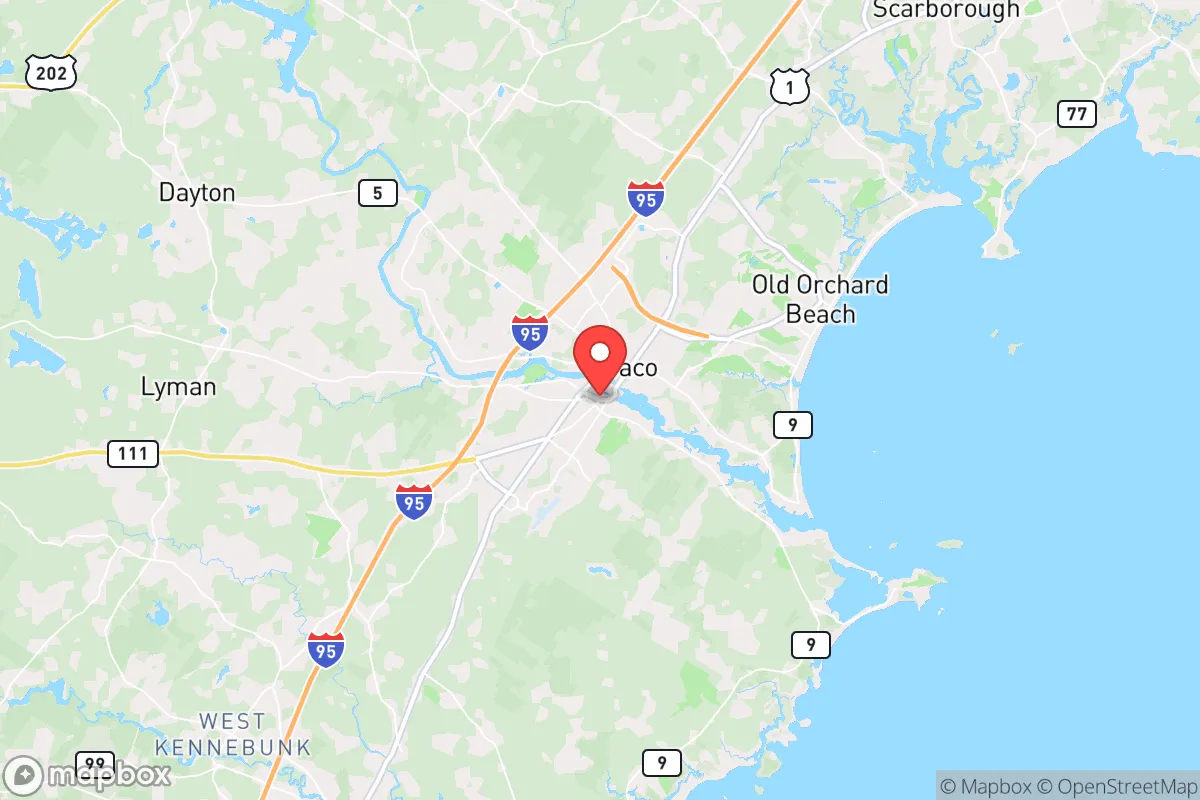
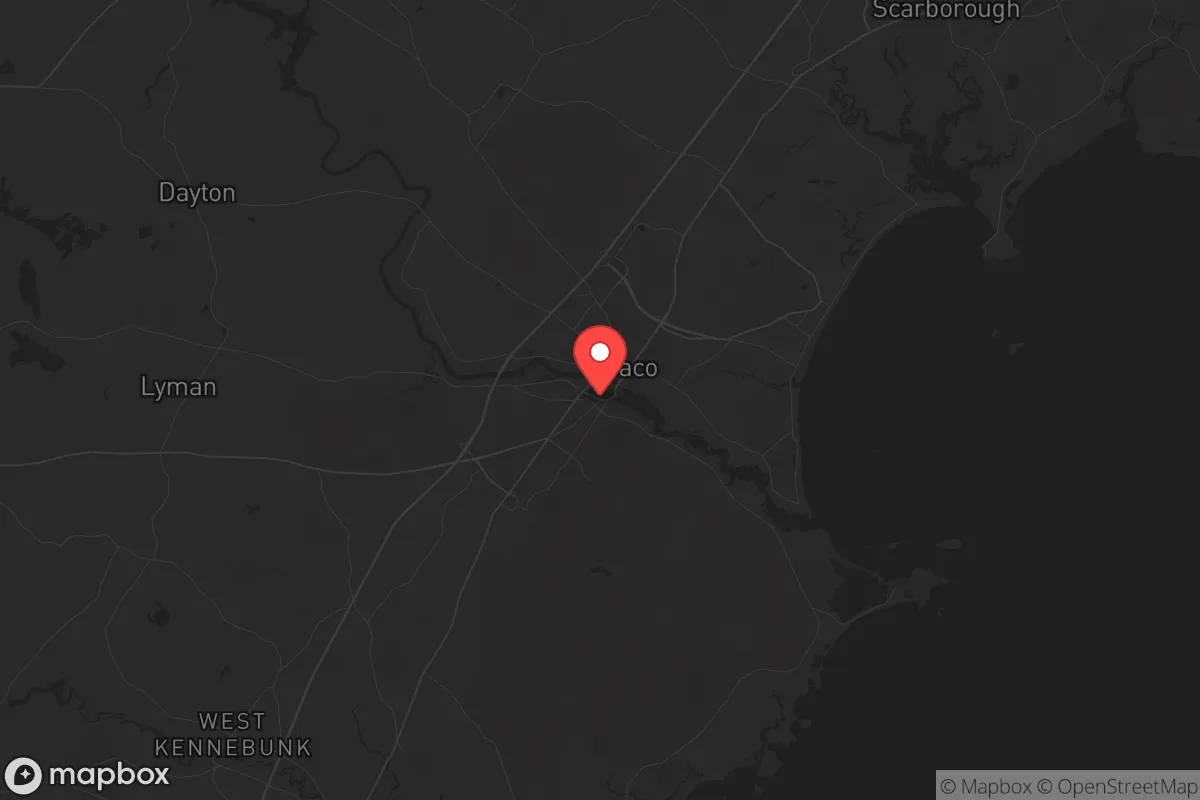
Biddeford, Maine, sits in a precarious strategic position that demands a hard look from anyone serious about long-term preparedness. Its location along the Atlantic coast, roughly 20 miles south of Portland and 90 miles north of Boston, places it within the shadow of major population centers while offering some of the natural buffers that make northern New England attractive for relocation. The city itself has undergone a significant revitalization over the past decade, but beneath the surface of new breweries and riverfront development lies a geography that presents both genuine advantages and serious liabilities for those planning for civic unrest, supply chain disruptions, or large-scale disasters. Understanding where Biddeford fits in the broader regional picture is essential before committing to a move here.
Geographic position and natural advantages for long-term stability
Biddeford's primary strategic asset is the Saco River, which forms its eastern boundary and provides a reliable freshwater source that could prove critical during infrastructure failures. The river is substantial enough to support small-scale irrigation and emergency water collection, and its flow is less susceptible to drought than smaller streams further inland. The city sits on a coastal plain that transitions into forested hills as you move west toward the New Hampshire border, offering a mix of arable land and timber resources within a 30-minute drive. The climate is cold but manageable, with average winter lows around 12°F and summer highs rarely exceeding 85°F, which reduces the risk of heat-related crop failures and limits the activity window for many pests. The surrounding York County has a population density of roughly 200 people per square mile, which is low enough to provide buffer space but high enough to maintain some semblance of community infrastructure. For a relocator, the ability to tap into the Saco River for water, the proximity to working forests for firewood and building materials, and the relatively mild summer heat are concrete advantages that many other New England locations cannot match.
Risks, exposures, and proximity to fallout-relevant landmarks
The most significant strategic weakness of Biddeford is its proximity to Portland and the Portsmouth Naval Shipyard, which sits on an island in the Piscataqua River just 25 miles south. The shipyard is a high-value military target in any conflict scenario involving naval assets, and its location on the coast makes it vulnerable to both conventional and asymmetric attacks. A major incident there could render large portions of southern Maine uninhabitable or impassable for weeks. Additionally, Biddeford is within the blast radius of the Seabrook Station nuclear power plant, located 30 miles south in New Hampshire. While the plant has a solid safety record, any major failure or targeted attack would place Biddeford directly in the prevailing wind pattern that carries fallout northeast along the coast. The city itself has a population of roughly 22,000, which is small enough to avoid the worst of urban chaos but large enough that local resources would be strained quickly during a crisis. The Maine Turnpike (I-95) runs through the western edge of town, providing a direct evacuation route north but also serving as a funnel for refugees fleeing Boston and Portland. During a regional emergency, Biddeford could become a chokepoint where fleeing populations intersect with limited local supplies, creating a security and logistics problem for anyone trying to hold their ground.
Practical resilience for a relocator: food, water, energy, and defensibility
For someone serious about self-sufficiency, Biddeford offers a mixed bag. The Saco River provides a reliable water source, but accessing it requires either living within walking distance of the banks or having the means to transport and store significant quantities. The city's municipal water system draws from groundwater wells, which are less vulnerable to surface contamination than reservoir-fed systems, but a prolonged power outage would still disrupt pumping. The local soil is sandy and acidic, typical of coastal Maine, which means serious gardening requires raised beds and soil amendments—not impossible, but a real investment of time and money. The growing season runs roughly from mid-May to late September, which is short but workable for cold-hardy crops like potatoes, kale, and root vegetables. Energy resilience is a challenge: the region is heavily dependent on the New England grid, which has shown vulnerability to winter storms and cyberattacks. Solar is viable but less efficient than in southern states, and wood heat is the most practical backup option given the abundance of local forests. Defensibility is moderate. The city's layout is a mix of dense downtown areas and suburban sprawl, with few natural chokepoints that would make perimeter security easy. The best option for a prepper is to target the rural fringes west of the city, where property sizes increase and road access narrows, making it harder for large groups to approach unnoticed. The local police force is small—around 40 officers—and would be overwhelmed in any widespread civil unrest, so reliance on community networks and personal capability is the only realistic security strategy.
The overall strategic picture for Biddeford is one of calculated risk. It offers genuine natural advantages in water access, forest resources, and a climate that avoids the worst extremes of both the Deep South and the northern border. But those advantages come with exposure to high-value military and energy infrastructure that could turn the area into a secondary disaster zone during a major conflict. For a relocator who is willing to invest in soil improvement, wood heat, and a defensible property on the western outskirts, Biddeford could serve as a viable base of operations—provided they have a clear evacuation plan for scenarios involving the shipyard or the nuclear plant. It is not a retreat in the sense of being remote or self-contained, but it is a location where a prepared individual or family could carve out a functional existence while staying close enough to coastal resources to maintain trade and information flow. The key is to go in with eyes open, understanding that the same river that provides water also connects you to a region that could become a target. If that trade-off is acceptable, Biddeford deserves a spot on the short list for serious consideration.

* Values derived from national, state, county, city and local statistics and may differ in a specific area. Last updated: 2026-04-19T09:22:53.000Z
Narrative content on this page is AI-generated and may contain mistakes. Verify any details that matter before acting on them.
ReloMaps may earn a commission from affiliate links at no extra cost to you.

