 Popular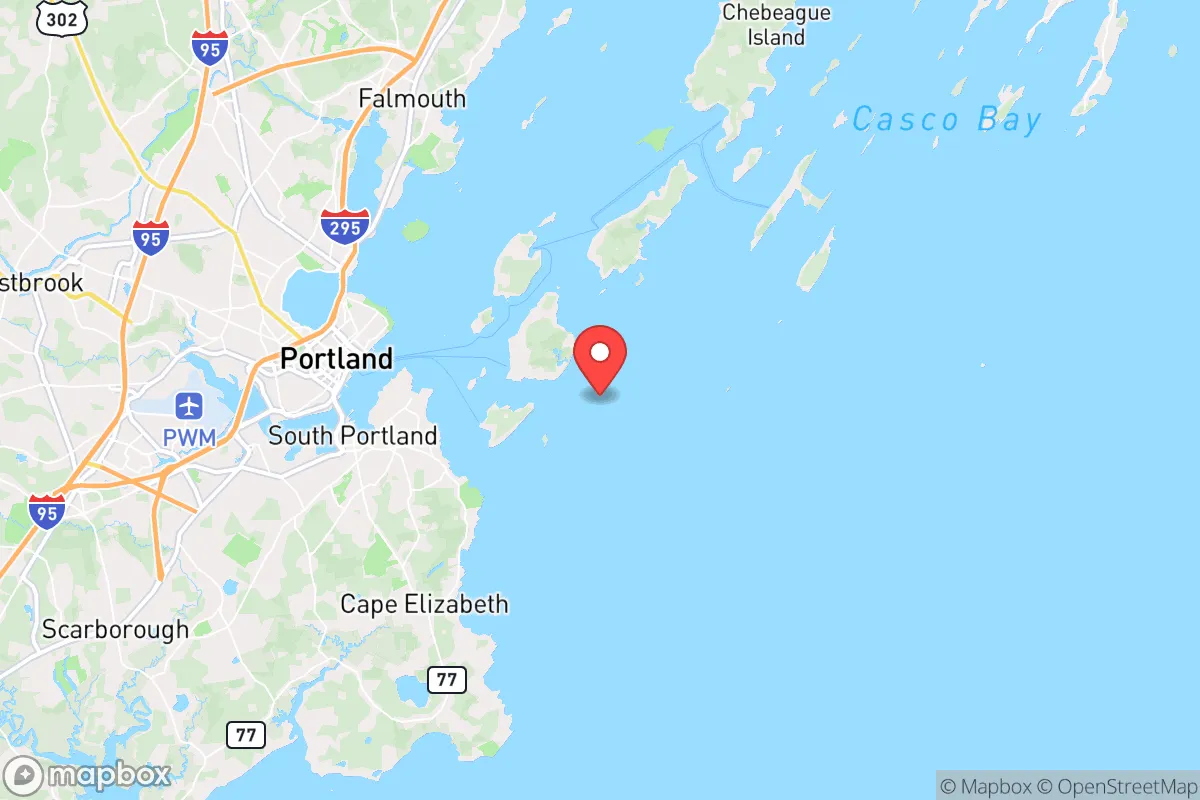
Photo: Wikipedia
Find The Best Places To Live
in Portland
PRO TIP! You can paste a Zillow or Redfin link to get info on that property.
What It's Like Living in Portland, ME
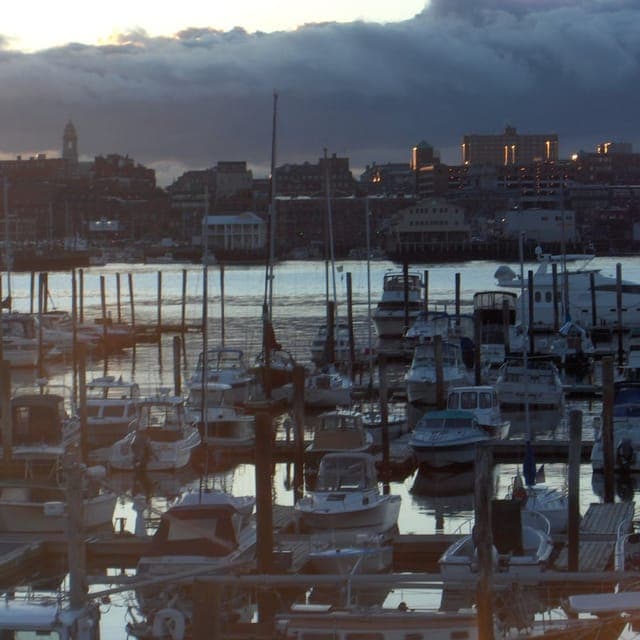
Portland, Maine, is a small city with an outsized reputation — a place where a working port, a nationally recognized food scene, and a fiercely independent local culture all squeeze onto a peninsula jutting into Casco Bay. It’s the kind of town where you’ll see a lobsterman pulling traps in the morning and a tech worker grabbing a pour-over coffee at the same café by noon. With about 68,500 residents, it feels more like a big town than a small city, and that’s exactly the point for most people who choose to live here.
Daily Rhythm: What People Actually Do
For most residents, daily life in Portland revolves around a few core things: work, the outdoors, and food. The average commute is just under 20 minutes — one of the shortest for any city its size — so you’re not wasting hours in traffic. People walk or bike to work if they live on the peninsula, or drive in from nearby suburbs like South Portland or Falmouth. The median age here is 37.5, and with 59.2% of adults holding a college degree, the workforce skews educated and professional. You’ll find a mix of remote workers, healthcare employees at Maine Medical Center, and people in the creative or service industries tied to tourism and hospitality.
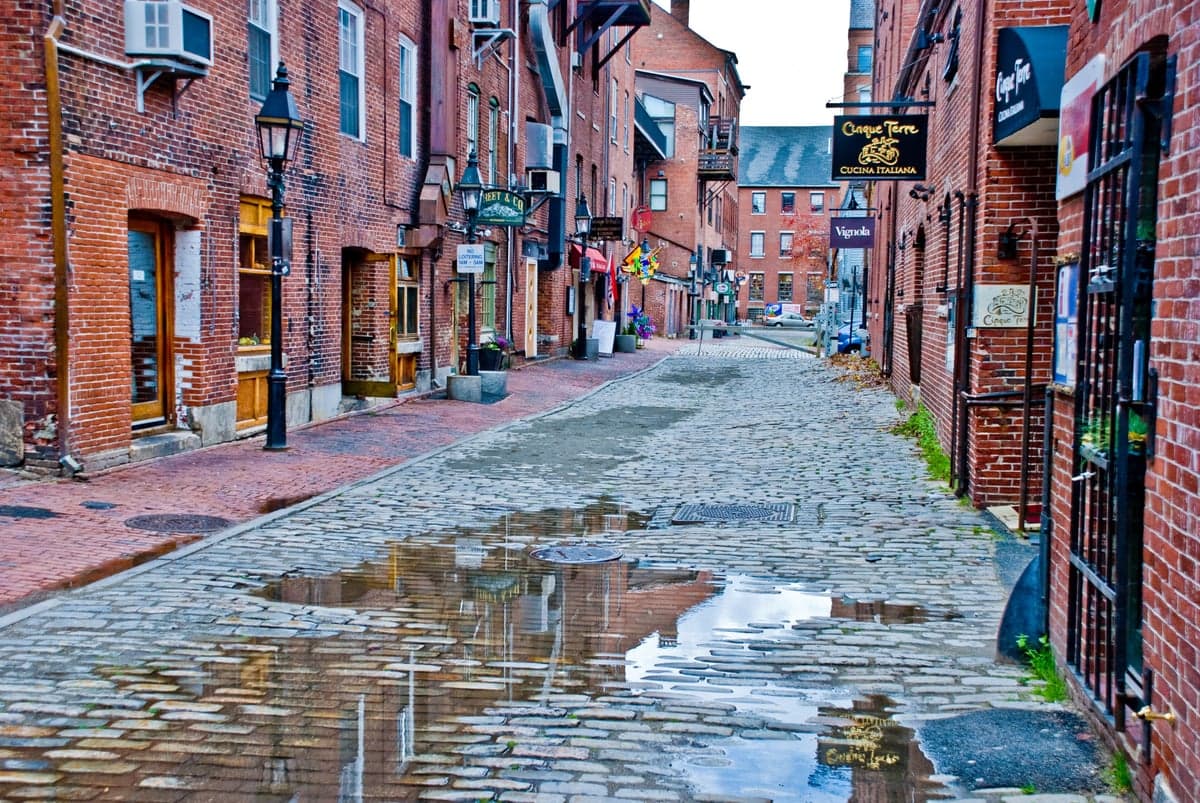
Weekends are often spent at the Old Port — the historic waterfront district packed with cobblestone streets, independent shops, and restaurants like Eventide Oyster Co. or Duckfat. In summer, the Portland Farmers’ Market at Monument Square is a Saturday ritual. In winter, people lean into indoor activities: brewery hopping (there are over 20 in the metro area), catching a show at the State Theatre, or just hunkering down with a book. The median household income is about $76,000, which is decent for the area, but the cost of living index sits at 141 — well above the national average — so housing eats up a big chunk of that paycheck.
Sports & Community: More Than Just the Sea Dogs
Sports here aren’t a religion the way they are in, say, Boston or Green Bay, but they’re a solid part of the community fabric. The biggest draw is the Portland Sea Dogs, the Red Sox’s Double-A affiliate, whose games at Hadlock Field are a summer staple — cheap tickets, minor-league charm, and a genuine local crowd. High school sports matter, especially hockey and soccer, but they don’t dominate the conversation. College sports are mostly a background hum, with the University of Southern Maine in nearby Gorham drawing modest crowds. What Portland lacks in big-time pro sports, it makes up for with participation: adult recreational leagues for soccer, ultimate frisbee, and running clubs are common, and the city’s location makes skiing, hiking, and sailing easy weekend options.
The cultural identity here is proudly independent and a little quirky. Portlanders are protective of local businesses — you’ll hear people complain when a chain opens on Congress Street. The city has a strong “buy local” ethos, and festivals like the Old Port Festival (a massive street fair each June) and the Maine Lobster Festival in nearby Rockland reinforce that sense of place. There’s also a notable literary and arts scene, anchored by the Portland Museum of Art and a calendar of small music venues like Port City Music Hall.
What’s There to Do: Outdoors, Food, and Festivals
If you like being outside, Portland delivers. The Eastern Promenade is a 68-acre waterfront park with trails, a beach, and views of the islands. In winter, people cross-country ski at the Riverside Golf Course or drive 45 minutes to Shawnee Peak for downhill skiing. The food scene is the real star, though — Portland has more restaurants per capita than almost any U.S. city, and it’s not just lobster rolls. You can find everything from Vietnamese pho at Saigon to wood-fired pizza at Otto. The craft beer scene is equally serious, with breweries like Allagash, Bissell Brothers, and Maine Beer Company drawing beer tourists year-round.
Festivals fill the calendar: the Portland Symphony Orchestra does a July 4th concert on the waterfront, the Maine International Film Festival runs in July, and the Portland Food Map hosts a winter restaurant week. But the weather is a real factor. Winters are long, gray, and cold — expect snow from November through March, with temperatures often in the teens. The short summers are glorious, but they’re short. That seasonal rhythm shapes everything: people pack in outdoor activities from June to September, then shift to indoor socializing and winter sports for the rest of the year.
Pros and Cons of Living Here
What longtime residents love:
- Walkability and scale. You can live on the peninsula and walk to work, groceries, restaurants, and the waterfront. It’s a rare combination of urban amenities and small-town feel.
- Strong community identity. People care about local businesses, local politics, and local culture. It’s not a transient city — many residents have deep roots.
- Access to nature. The coast, the islands, the mountains — all within an hour’s drive. You can kayak in the morning and be at a ski slope by afternoon in winter.
What frustrates them:
- Cost of housing. The median home value is $452,600, and with a cost of living index of 141, it’s tough for young families or singles on a single income. Rentals are tight and expensive.
- Crime perception vs. reality. The violent crime rate is 240.5 per 100,000 — higher than the national average of about 380, but property crime is more of a concern, especially car break-ins and bike thefts in the Old Port. It’s not dangerous, but you need to be street-smart.
- Winter burnout. The gray, cold months can wear on people. Seasonal affective disorder is real here, and the short days limit outdoor options unless you’re committed to winter sports.
The kind of person who fits in Portland is someone who values authenticity over flash, doesn’t mind paying a premium for a walkable lifestyle, and is okay with a slower pace of life. It’s not a place for people who want big-city nightlife or career ladder-climbing in a corporate headquarters. It’s for the person who wants to know their barista’s name, bike to work, and spend Saturday hiking a coastal trail — and who can afford the trade-off.

Similar small cities to Portland

* Values derived from national, state, county, city and local statistics and may differ in a specific area. Last updated: 2026-04-24T01:43:05.000Z
Narrative content on this page is AI-generated and may contain mistakes. Verify any details that matter before acting on them.
ReloMaps may earn a commission from affiliate links at no extra cost to you.

