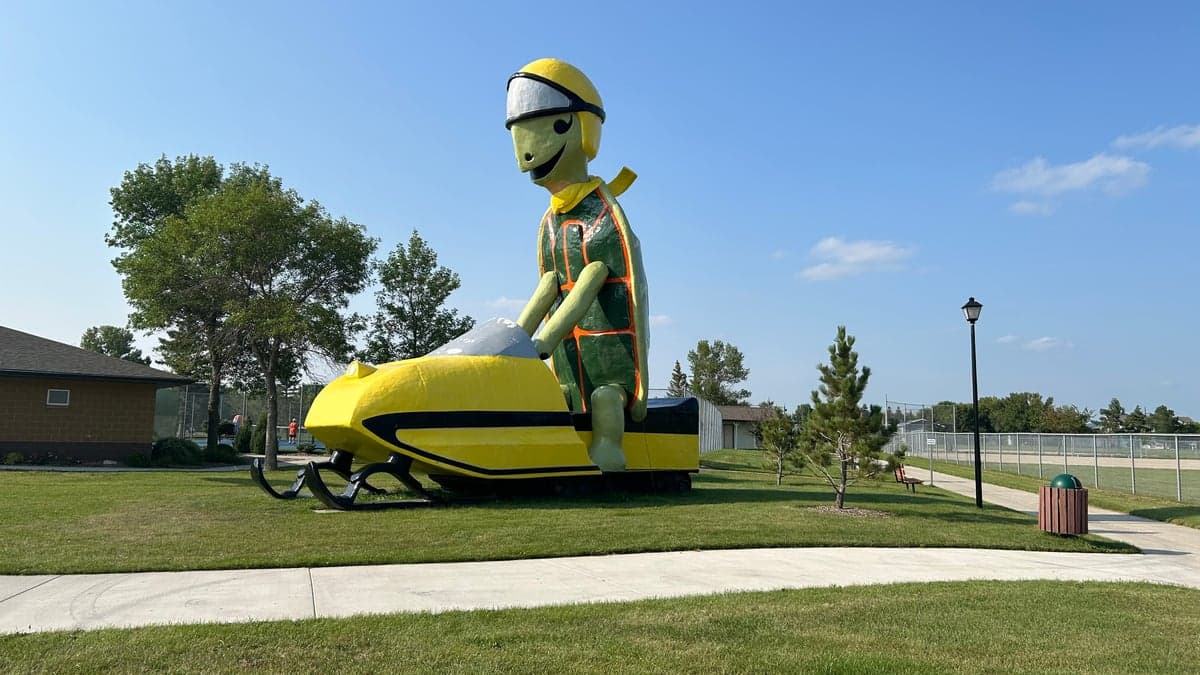
Photo: Wikipedia
Quality of Life in Bottineau, ND
Significant lifestyle challenges — high costs relative to incomes, limited walkability, and weak neighborhood economic health.
What does Quality of Life tell us?
Quality of Life blends cost of living, nearby amenities, socioeconomic signals, and neighborhood character. City-level scores represent the whole municipality; individual neighborhoods can differ.
What does this tell us?
Quality of Life blends cost of living, nearby amenities, socioeconomic signals, and neighborhood character. City-level scores represent the whole municipality; individual neighborhoods can differ.
Cost of Living
37% below national average
The Real Cost of Living in Bottineau, ND for 2026
| Tier | Individual | Family (4) |
|---|---|---|
| Survival | $12k | $23k |
| Comfortable | $32k | $47k |
| Luxury | $98k+ | $153k+ |
| Elite (Top 5%) | $116k+ | $179k+ |
150%
The Area Signal
A metric tracking the socioeconomic signals of the area.


Limited data for this area
Limited data for this area
Hobbies
Explore the areaGroceries
2 within 10 miles
Gas
0 within 10 miles
Hospital
3 within 20 miles
Airport
JFK — John F. Kennedy Memorial
Post Office
USPS — Bottineau, ND
Critical Amenities
Quality-of-Life Analysis
Bottineau, North Dakota, presents a notably affordable quality of life in a rural setting near the Canadian border, with a cost of living index of 63 (100 = US average) that places it among the most budget-friendly communities in the state. The area attracts a mix of retirees, outdoor enthusiasts, and workers in agriculture, healthcare, and education, drawn by the low financial pressure and access to the Turtle Mountains. With a median home value of $165,300 and a median rent of $770, housing costs are roughly half the national median, making homeownership attainable for households earning well below the national average.
Cost of living, housing affordability, and how Bottineau compares to nearby areas
Bottineau’s cost of living is 37% below the national average, driven primarily by housing and utilities. The median home value of $165,300 is significantly lower than North Dakota’s state median of roughly $240,000 and far below the national median of $420,000. Renters pay a median of $770 per month, which is about $200 less than the state average and roughly half the national median rent. Compared to nearby Minot (about 70 miles south), Bottineau homes are typically 15–20% cheaper, while the commute averages just 13 minutes — a fraction of the national average of 26 minutes. Property taxes in Bottineau County are moderate, with an effective rate around 1.1%, and no state income tax in North Dakota further stretches disposable income. However, the trade-off is limited housing inventory; most homes are single-family detached, and rental options are scarce, with vacancy rates below 3% in recent years.
Local amenities, schools, and what daily life is like for families and retirees
Daily life in Bottineau revolves around outdoor recreation and a tight-knit community. The town sits at the base of the Turtle Mountains, offering immediate access to Lake Metigoshe State Park for fishing, hiking, and cross-country skiing, plus the Bottineau Winter Park for downhill skiing and snowboarding — a rare amenity in the Great Plains. The Bottineau Public School District serves roughly 700 students with a student-teacher ratio of 12:1, and the local high school consistently posts graduation rates above 90%. For healthcare, residents rely on St. Andrew’s Health Center, a critical-access hospital with a 24-hour emergency room, though specialized care often requires a 70-minute drive to Minot or a 2-hour trip to Winnipeg. Groceries and daily shopping are covered by a local supermarket and a handful of retailers, but major chains like Walmart and Target are absent; most residents make a monthly trip to Minot or Williston for bulk purchases. The town’s social rhythm is quiet — community events like the Bottineau County Fair and winter ice-fishing tournaments anchor the calendar, and the local library and senior center provide gathering spaces.
Bottineau is best suited for those who prioritize low housing costs, short commutes, and year-round outdoor recreation over urban amenities and career diversity. Retirees on fixed incomes will find the cost of living especially manageable, while families with young children benefit from small class sizes and safe streets. Remote workers with reliable internet (fiber is available in parts of town) can also thrive here, though job opportunities locally are concentrated in healthcare, education, and agriculture. Anyone seeking nightlife, diverse dining, or a fast-paced environment should look elsewhere — but for a quiet, affordable life with nature at the doorstep, Bottineau delivers.

Crime in Bottineau, ND
Generally safer than 68% of comparable U.S. locations.
Violent CrimeViolent Crime Analysis
Property CrimeProperty Crime Analysis
Crime Analysis
Bottineau, North Dakota, is a small city of roughly 2,100 residents near the Canadian border, and its overall safety picture is mixed. The city’s violent crime rate of 223.3 per 100,000 residents is notably lower than the national average, but its property crime rate of 1,417.3 per 100,000 is significantly higher than both state and national benchmarks. This combination makes Bottineau a generally safe place for personal safety, though residents face a heightened risk of theft and burglary compared to other North Dakota communities.
Crime in context
Bottineau’s violent crime rate is roughly 36% below the U.S. average, with incidents of murder, rape, robbery, and aggravated assault being rare. However, the property crime rate is about 20% above the national average and nearly double the North Dakota state average. The most common property crimes are larceny-theft and motor vehicle theft, with burglary occurring at a moderate frequency. It is important to note that Bottineau is not located near a large metropolitan area, and its local justice system is not characterized by the progressive, offender-focused policies seen in some larger cities. In jurisdictions where liberal judges and district attorneys prioritize rehabilitation over accountability, crime rates often rise as repeat offenders remain on the streets. Bottineau’s more traditional approach to law enforcement and prosecution helps keep violent crime low, but property crime remains a persistent concern.
What residents experience
For most residents, daily life in Bottineau feels safe. Violent confrontations are uncommon, and the city’s small-town atmosphere means neighbors often look out for one another. The primary safety issue is property crime, particularly theft from vehicles and unlocked homes. Residents are advised to secure their belongings, use outdoor lighting, and report suspicious activity promptly. The Bottineau Police Department maintains a visible presence, and community policing efforts help foster trust. While the property crime rate is elevated, it does not create a pervasive sense of danger; rather, it demands practical precautions that are standard in many rural communities.
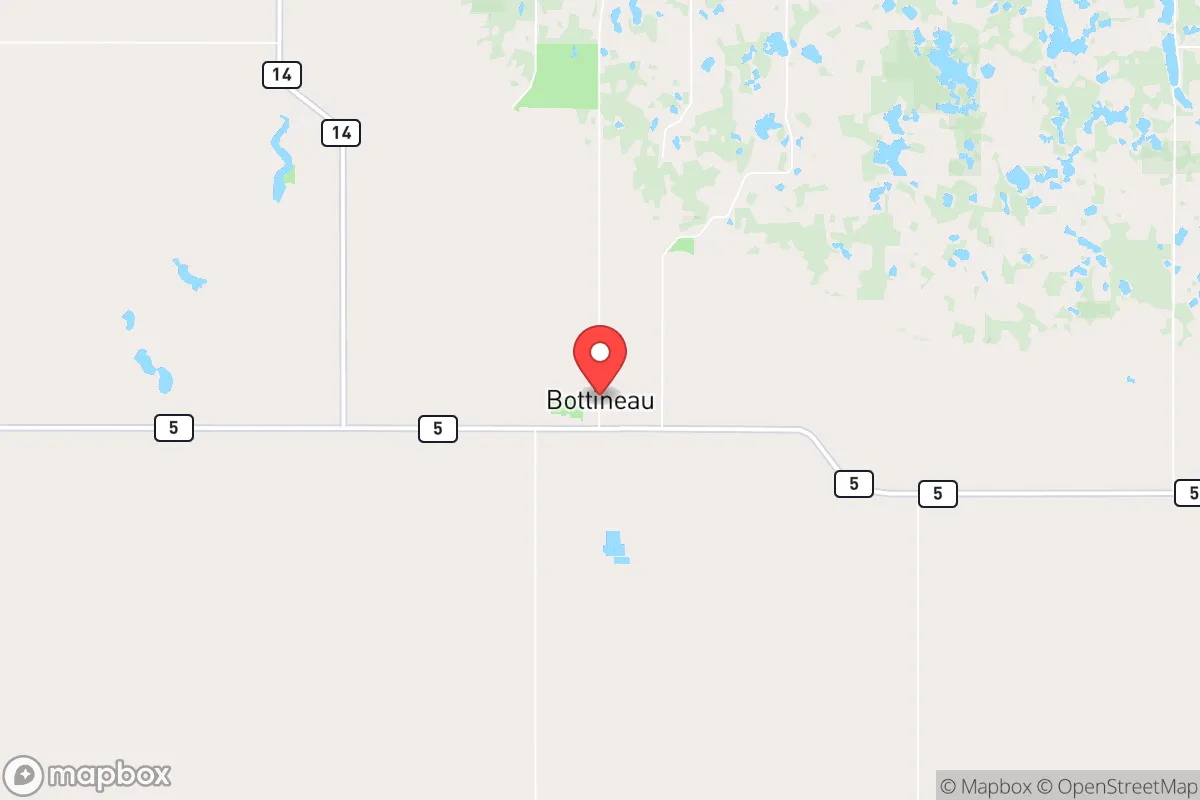
Neighborhood-level crime data for Bottineau is limited, but anecdotal reports suggest that areas near the downtown core and along Highway 5 experience slightly higher rates of property crime, likely due to easier access for opportunistic offenders. Residential streets on the outskirts of town, particularly those with fewer through streets, tend to have lower incident rates. Overall, Bottineau offers a safe environment for families and retirees, provided residents remain vigilant against property crime. The absence of progressive criminal justice policies in the region further supports public safety by ensuring that offenders face meaningful consequences.
* Values derived from national, state, county, city and local statistics and may differ in a specific area. Last updated: 2026-04-19T05:46:48.000Z
Narrative content on this page is AI-generated and may contain mistakes. Verify any details that matter before acting on them.
ReloMaps may earn a commission from affiliate links at no extra cost to you.

