Photo: Wikipedia
Demographics of Broussard, LA
Affluence Level in Broussard, LA
A middle-class area roughly in line with national averages across income, home values, education, and employment.
People of Broussard, LA
Today, Broussard, Louisiana, is a rapidly growing city of 13,791 residents, characterized by a predominantly White population (73.4%) with a significant Black minority (18.6%) and a small but established Hispanic community (4.8%). The city’s identity is shaped by its Cajun and Creole roots, a strong oil-and-gas economy, and a suburban feel that attracts families and professionals from across Acadiana. With a college-educated rate of 40.5%, Broussard is becoming a hub for skilled workers, yet it retains a tight-knit, conservative-leaning character distinct from the larger city of Lafayette just to the north.
How the city was settled and grew
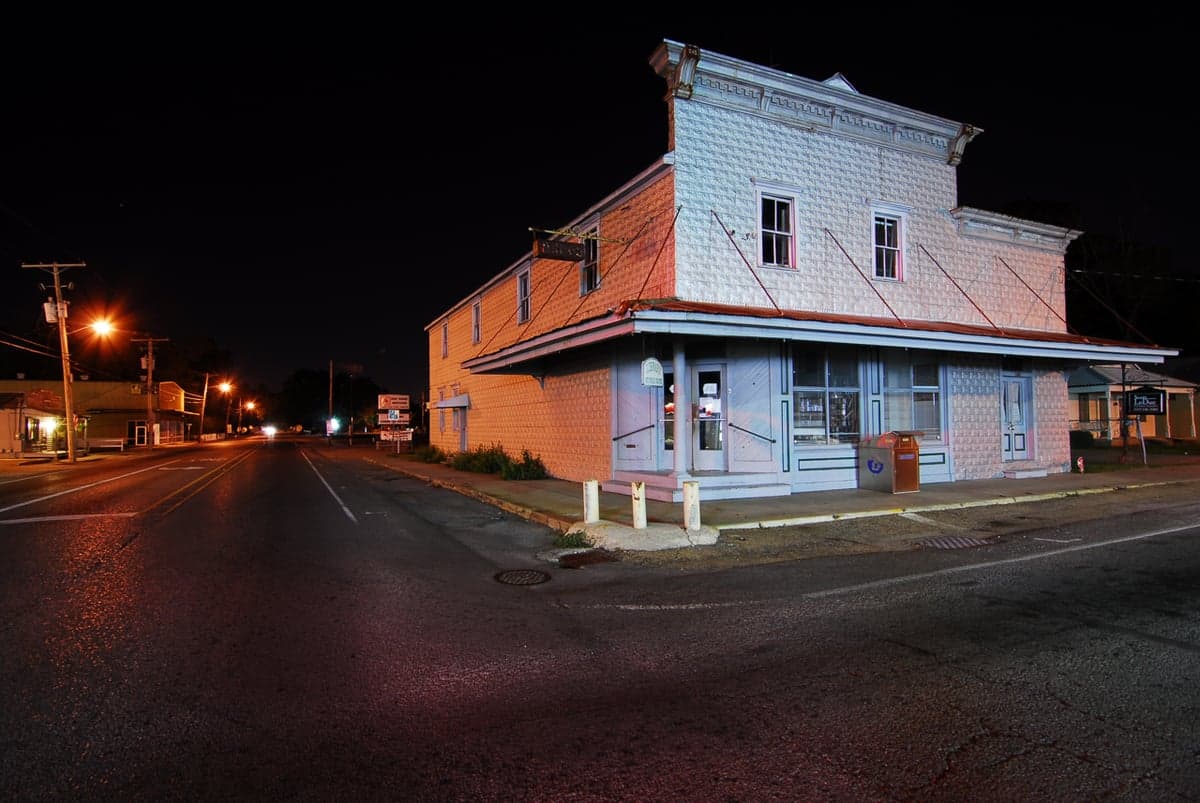
Broussard’s population history begins in the late 18th century with Acadian exiles—the Cajuns—who were expelled from Nova Scotia by the British and resettled in south Louisiana under Spanish rule. These French-speaking families, including the Broussards themselves, received land grants along the Bayou Teche and Vermilion River, establishing small farms and trading posts. The original settlement clustered around what is now Old Town Broussard, a historic district near the intersection of Main Street and Albertsons Parkway, where the earliest Acadian homes and a Catholic church were built. By the mid-19th century, the population remained overwhelmingly Cajun and French-speaking, with a small number of enslaved Black laborers working on sugar and cotton plantations. After the Civil War, freedmen formed a separate community in the Ridge Road area, where many Black families established homesteads and churches, including the historic St. Theresa Catholic Church. The arrival of the Louisiana Western Railroad in the 1880s spurred modest growth, but Broussard remained a rural village of fewer than 500 people until the mid-20th century, sustained by agriculture and small-scale sugar milling.
Modern era (post-1965)
The post-1965 era transformed Broussard from a sleepy Cajun hamlet into a suburban boomtown. The 1965 Immigration and Nationality Act had little direct effect here—foreign-born residents today make up only 2.3% of the population—but domestic migration reshaped the city. The oil-and-gas boom of the 1970s and 1980s drew White professionals from other parts of Louisiana and Texas, who settled in new subdivisions like Woodland Park and River Ranch (the latter technically in Lafayette but spilling into Broussard’s northern edge). These neighborhoods, built on former farmland, offered larger lots and newer homes, attracting families seeking good schools and lower crime. Meanwhile, the Black population, which had historically lived in the Ridge Road area and near St. Julien Road, began to suburbanize as well, with many moving into developments like Broussard Heights and Oakwood Village. The Hispanic community, though small at 4.8%, grew during the 1990s and 2000s as workers arrived from Mexico and Central America for construction and oilfield labor, settling primarily in rental apartments along Albertsons Parkway and near the intersection of Highway 90. East/Southeast Asian residents (0.7%) are a tiny presence, mostly professionals in the oil and healthcare sectors, with no distinct ethnic enclave. The Indian-subcontinent population is negligible (0.0%). Today, Broussard’s neighborhoods are largely integrated by income rather than race, though the Ridge Road area remains predominantly Black and the newer subdivisions are overwhelmingly White.
The future
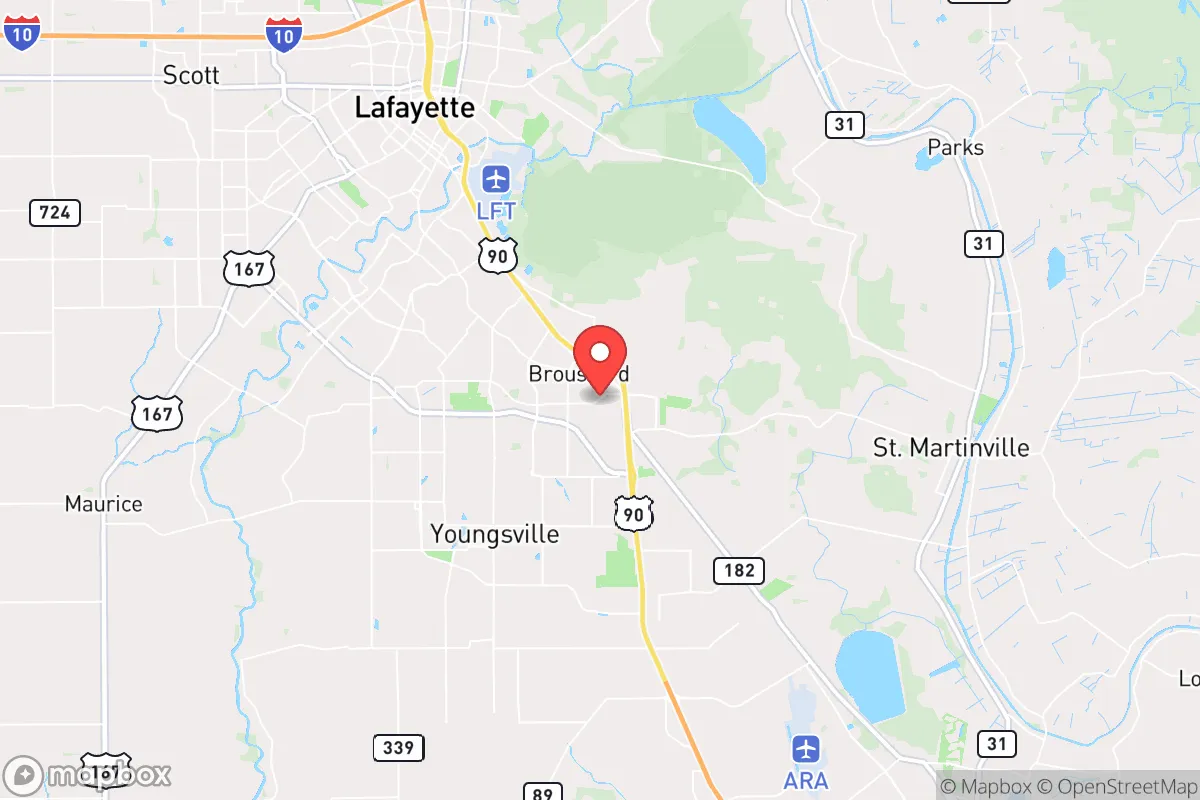
Broussard’s population is heading toward continued growth and modest diversification, but it is likely to remain a predominantly White, conservative suburb. The city’s location along the US-90 corridor, between Lafayette and New Iberia, makes it attractive for commuters and families seeking affordable housing—new developments like Le Triomphe and Broussard Crossing are adding hundreds of homes, mostly marketed to White and middle-class buyers. The Hispanic share may rise slowly as service-sector and construction jobs expand, but the foreign-born population is unlikely to exceed 5% in the next decade given the area’s limited immigration infrastructure. The Black community is stable, with no major in-migration or out-migration trends, and the East/Southeast Asian population will likely remain a tiny fraction. Broussard is not tribalizing into distinct ethnic enclaves; rather, it is homogenizing around a suburban, family-oriented lifestyle, with most residents sharing similar economic and political values. The next 10-20 years will see the city become denser and more connected to Lafayette’s metro area, but its demographic profile will shift only gradually.
For someone moving in now, Broussard offers a stable, growing community with a strong sense of local identity, good schools, and a conservative political climate. The population is overwhelmingly native-born and English-speaking, with a Cajun cultural undercurrent that shows up in food, festivals, and family life. New residents, especially those from other parts of the South, will find an easy transition into neighborhoods like Woodland Park or Le Triomphe, where the social fabric is built around churches, youth sports, and neighborhood associations. Broussard is becoming a more polished version of its rural past—not a melting pot, but a place where tradition and suburban convenience coexist.

* Values derived from national, state, county, city and local statistics and may differ in a specific area. Last updated: 2026-04-23T04:54:31.000Z
Narrative content on this page is AI-generated and may contain mistakes. Verify any details that matter before acting on them.
ReloMaps may earn a commission from affiliate links at no extra cost to you.

