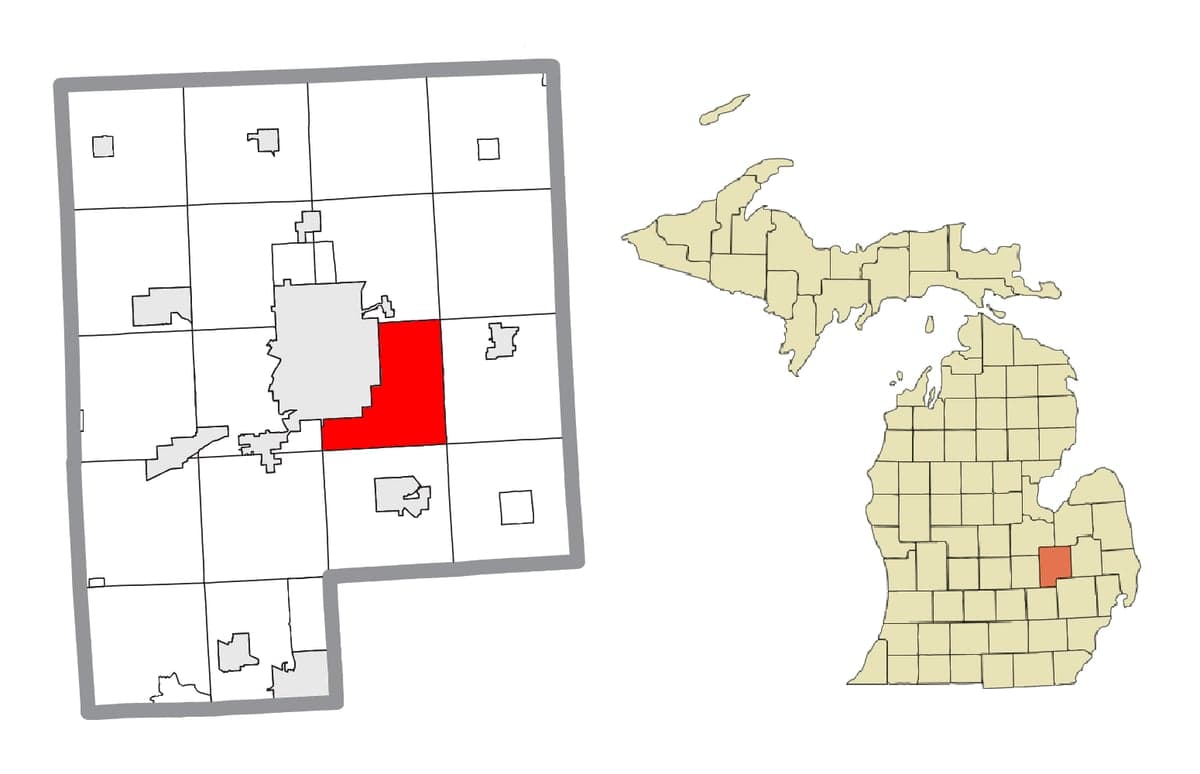
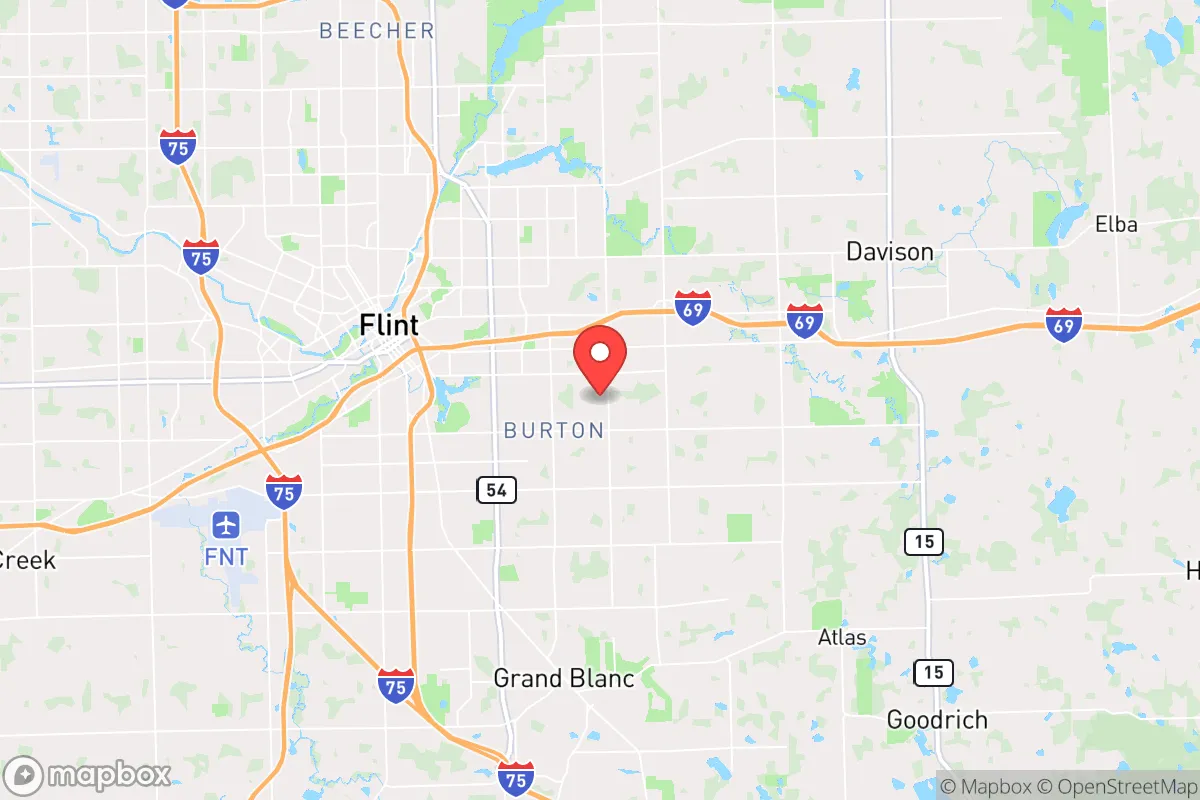
Photo: Wikipedia
Quality of Life in Burton, MI
Above-average quality of iife. The area offers a reasonable cost of living, decent mobility, and a mix of neighborhood amenities.
What does Quality of Life tell us?
Quality of Life blends cost of living, nearby amenities, socioeconomic signals, and neighborhood character. City-level scores represent the whole municipality; individual neighborhoods can differ.
What does this tell us?
Quality of Life blends cost of living, nearby amenities, socioeconomic signals, and neighborhood character. City-level scores represent the whole municipality; individual neighborhoods can differ.
Cost of Living
29% below national average
The Real Cost of Living in Burton, MI for 2026
| Tier | Individual | Family (4) |
|---|---|---|
| Survival | $16k | $30k |
| Comfortable | $26k | $38k |
| Luxury | $89k+ | $139k+ |
| Elite (Top 5%) | $105k+ | $163k+ |
151%
The Area Signal
A metric tracking the socioeconomic signals of the area.
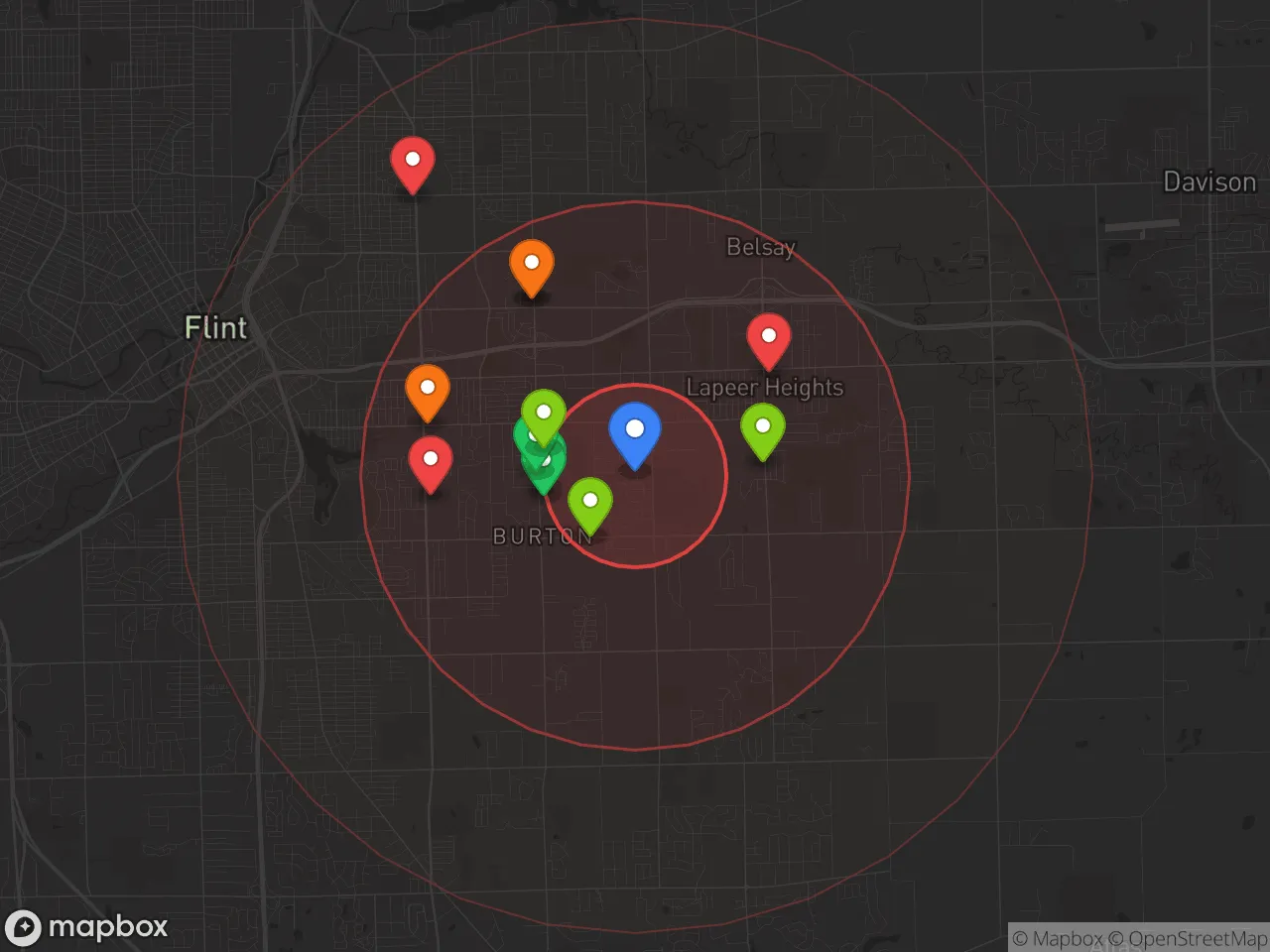
Hobbies
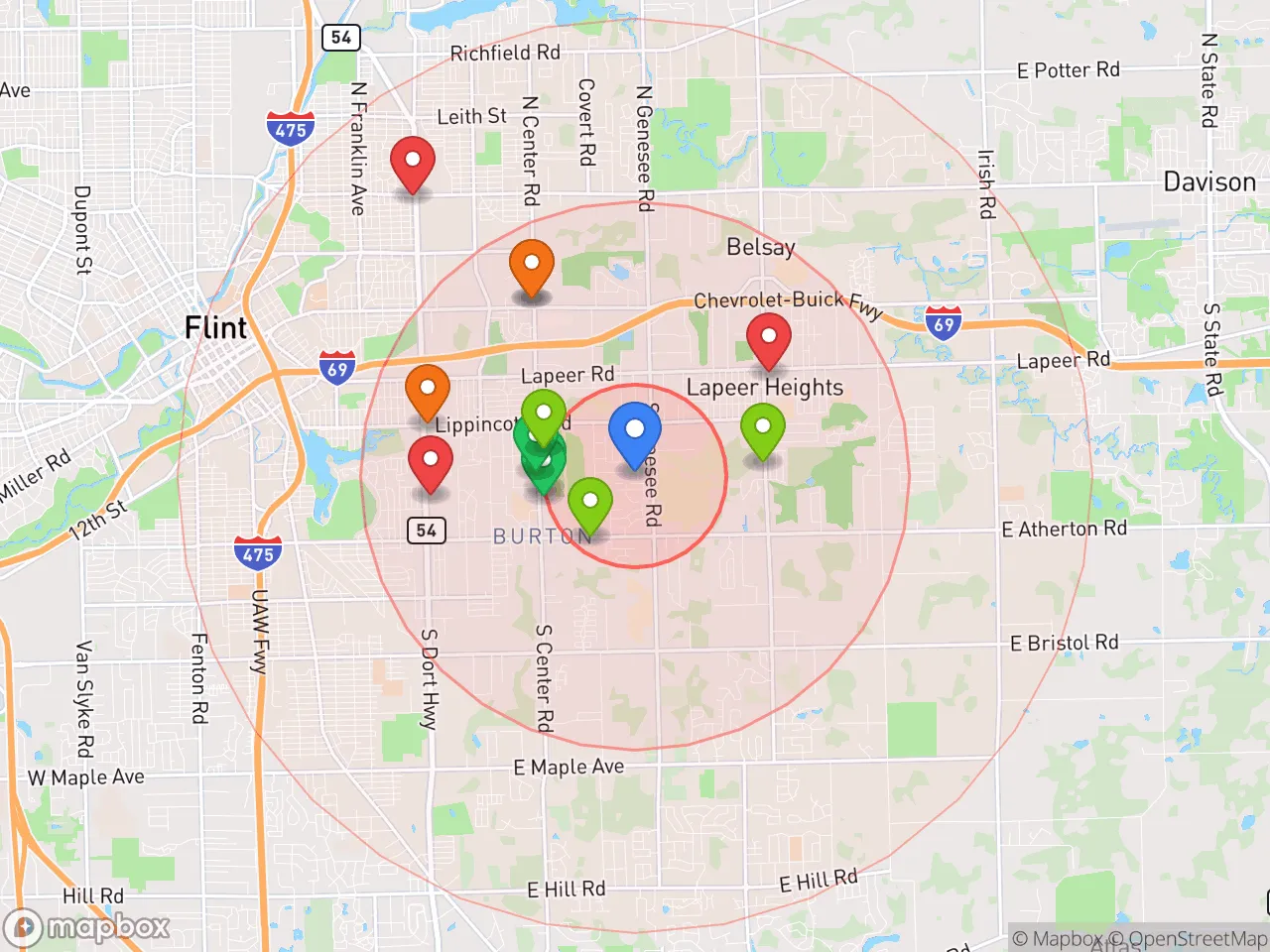
Explore the areaGroceries
5 within 10 miles
Gas
20 within 10 miles
Hospital
4 within 20 miles
Airport
DTW — Detroit Metropolitan Wayne County
Post Office
USPS — Burton, MI
Critical Amenities
Quality-of-Life Analysis
Burton, Michigan, offers a notably affordable quality of life that attracts a mix of working-class families, retirees, and first-time homebuyers seeking a quieter, more budget-friendly alternative to nearby Flint or the pricier suburbs of Detroit. With a cost of living index of 71—well below the U.S. average of 100—the city provides a tangible financial cushion that allows residents to stretch their incomes further than in many other parts of Genesee County. The population skews toward middle-income households, with a strong presence of automotive and manufacturing workers, as well as service-sector employees who value the area’s low housing costs and relatively short commutes.
Cost of living, housing affordability, and how Burton compares to nearby cities
Burton’s cost of living is a standout feature, driven primarily by exceptionally affordable housing. The median home value sits at $131,200, which is roughly half the national median and significantly lower than in Flint’s more expensive suburbs like Grand Blanc (where median values often exceed $200,000). Median rent is $1,006, making it one of the most budget-friendly rental markets in the region for a three-bedroom home. The average commute of 25.5 minutes is slightly longer than the national average of 26 minutes but remains manageable, with most residents driving to jobs in Flint (10–15 minutes), General Motors’ Flint Assembly plant, or further south to the Detroit metro area (about 45 minutes via I-75). Property taxes in Burton are moderate for Michigan, typically around 1.5% of assessed value, and utilities are below the national average, further lowering monthly expenses.
Local amenities, schools, and what daily life feels like in Burton
Daily life in Burton is defined by a suburban-rural blend, with a strong emphasis on local parks, community events, and practical retail. The city’s Burton Memorial Park and Bicentennial Park offer walking trails, sports fields, and playgrounds, while the nearby Flint River Trail provides a paved route for cycling and jogging. The Burton Public Library hosts regular children’s programs and book clubs, and the annual Burton Summer Festival draws families for live music and a car show. For shopping, residents rely on the Burton Village strip mall (anchored by a Kroger and a Walmart) and the nearby Genesee Valley Center in Flint. The Burton School District includes Burton High School (rated 4/10 on GreatSchools) and several elementary schools, though many families opt for private or charter options like Burton Glen Charter Academy. Healthcare access is solid, with Hurley Medical Center in Flint (10 minutes away) and McLaren Flint hospital providing emergency and specialty care. The overall pace is slow and neighborly, with a strong sense of community in older subdivisions and a noticeable lack of nightlife or high-end dining.
Burton is best suited for budget-conscious buyers who prioritize low housing costs and a quiet, family-oriented environment over urban amenities or top-tier schools. It works well for commuters working in Flint or southern Genesee County, as well as retirees on fixed incomes who want a safe, walkable neighborhood with easy access to basic services. Those seeking vibrant nightlife, elite public schools, or a fast-paced lifestyle will likely find Burton too subdued, but for anyone looking to own a home on a modest salary, it remains one of the most practical options in the region.

Crime in Burton, MI
Crime rates similar to the national median for U.S. locations.
Violent CrimeViolent Crime Analysis
Property CrimeProperty Crime Analysis
Crime Analysis
Burton, Michigan, reports a violent crime rate of 694.9 per 100,000 residents and a property crime rate of 1,945 per 100,000, placing it significantly above both state and national averages for public safety. These figures indicate that the city, while part of the larger Flint metro area, presents elevated risks for residents and newcomers compared to typical suburban communities in Genesee County. The data suggests that crime is a material concern for anyone evaluating a move to Burton, particularly given the broader regional challenges with law enforcement resources and prosecutorial policies.
Crime in context
Burton’s violent crime rate of 694.9 per 100,000 is roughly double the national average of approximately 380 per 100,000 and well above Michigan’s state average of about 460 per 100,000. Property crime in Burton, at 1,945 per 100,000, also exceeds the national benchmark of roughly 1,950 per 100,000 and the Michigan average of about 1,400 per 100,000. These comparisons place Burton among the higher-crime communities in the Flint metropolitan statistical area, though below the most distressed urban cores. The city’s proximity to Flint, which has historically struggled with elevated crime rates and progressive prosecutorial approaches, contributes to a regional environment where property offenses and violent incidents are more common than in outlying suburban or rural areas.
What residents experience
Residents of Burton report that property crime—including theft, burglary, and vehicle break-ins—is the most frequent safety issue encountered in daily life. The property crime rate of 1,945 per 100,000 translates to roughly one incident per 51 residents annually, meaning most households will either experience or know someone affected by property crime within a few years. Violent crime, while less common, occurs at a rate that translates to about one incident per 144 residents per year, with aggravated assault making up the majority of those cases. The presence of progressive judicial policies in Genesee County, including alternative sentencing and reduced incarceration for non-violent offenders, has been cited by local law enforcement as a factor that may contribute to recidivism and a perception of low consequences for property crimes. Residents often emphasize the importance of home security systems, neighborhood watch participation, and avoiding leaving valuables in vehicles as practical daily precautions.
Neighborhood-level variation
Safety conditions in Burton are not uniform across the city. Areas near the southern border with Flint, particularly around the intersection of Center Road and Davison Road, tend to report higher concentrations of both property and violent crime. In contrast, neighborhoods in the northern and eastern portions of the city—such as those near the Burton city limits with Grand Blanc Township and Davison Township—generally experience lower crime rates, closer to the state average. Prospective residents should prioritize properties in these northern and eastern sections and consult the Burton Police Department’s publicly available crime mapping tool to assess block-level risk. The city’s overall crime profile, combined with the regional justice system’s leniency toward repeat offenders, makes neighborhood selection a critical factor for personal safety and property security.
* Values derived from national, state, county, city and local statistics and may differ in a specific area. Last updated: 2026-04-30T06:41:07.000Z
Narrative content on this page is AI-generated and may contain mistakes. Verify any details that matter before acting on them.
ReloMaps may earn a commission from affiliate links at no extra cost to you.

