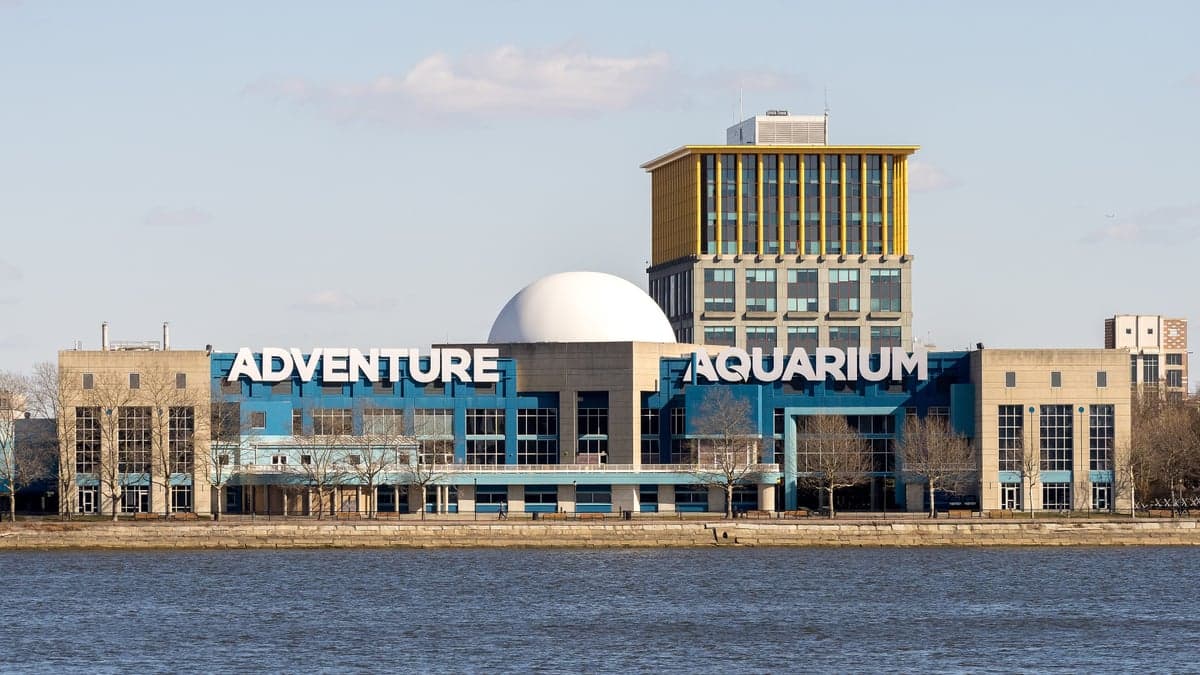
Photo: Wikipedia
Strategic Assessment of Camden, NJ
Multiple tactical vulnerabilities. Population density, target proximity, or disaster risk are likely compounding. A retreat property and exit planning is required.
What does the Strategic Assessment tell us?
Our Strategic Assessment grades tactical survivability of an area. Major population centers, military targets, fallout zones, natural disasters, and border exposure all drive risk — lower exposure means a more defensible position in a crisis.
This is heavily inspired by Joel Skousen's Strategic Relocation book. Highly recommended you checkout the book ($)What does this tell us?
Our Strategic Assessment grades tactical survivability of an area. Major population centers, military targets, fallout zones, natural disasters, and border exposure all drive risk — lower exposure means a more defensible position in a crisis.
This is heavily inspired by Joel Skousen's Strategic Relocation book. Highly recommended you checkout the book ($)Strategic Pillars

Key Distances
Regional Safe Places
Below is our recommended "safe zones" in New Jersey and the surrounding area based on our strategic heuristics. For most people, it's unrealistic to live in a “safe zone” full-time due to work, family or other personal reasons. They tend to be more rural. However, many of these areas are perfect for second homes and retreat properties that double as a vacation home or even a short-term rental.
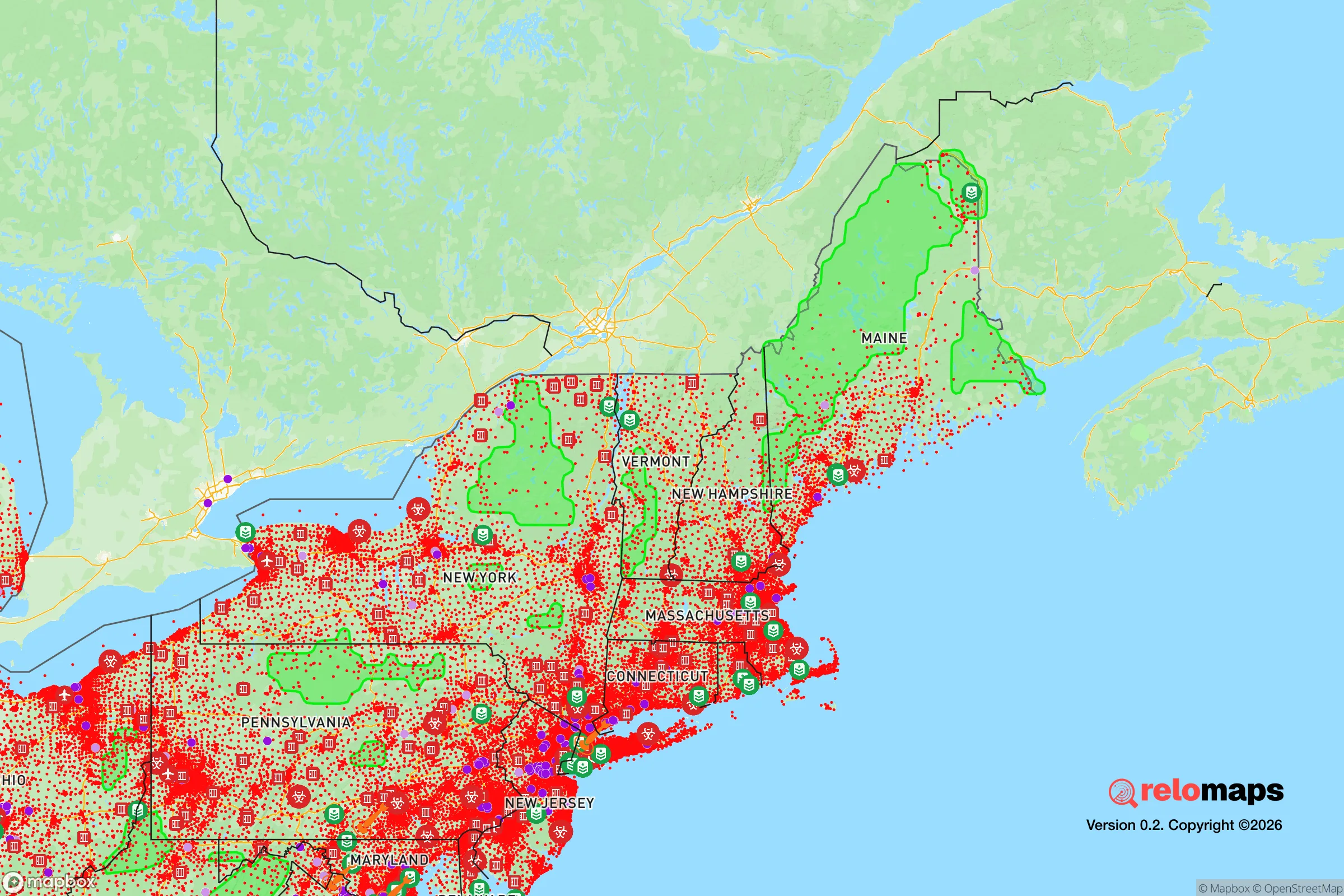
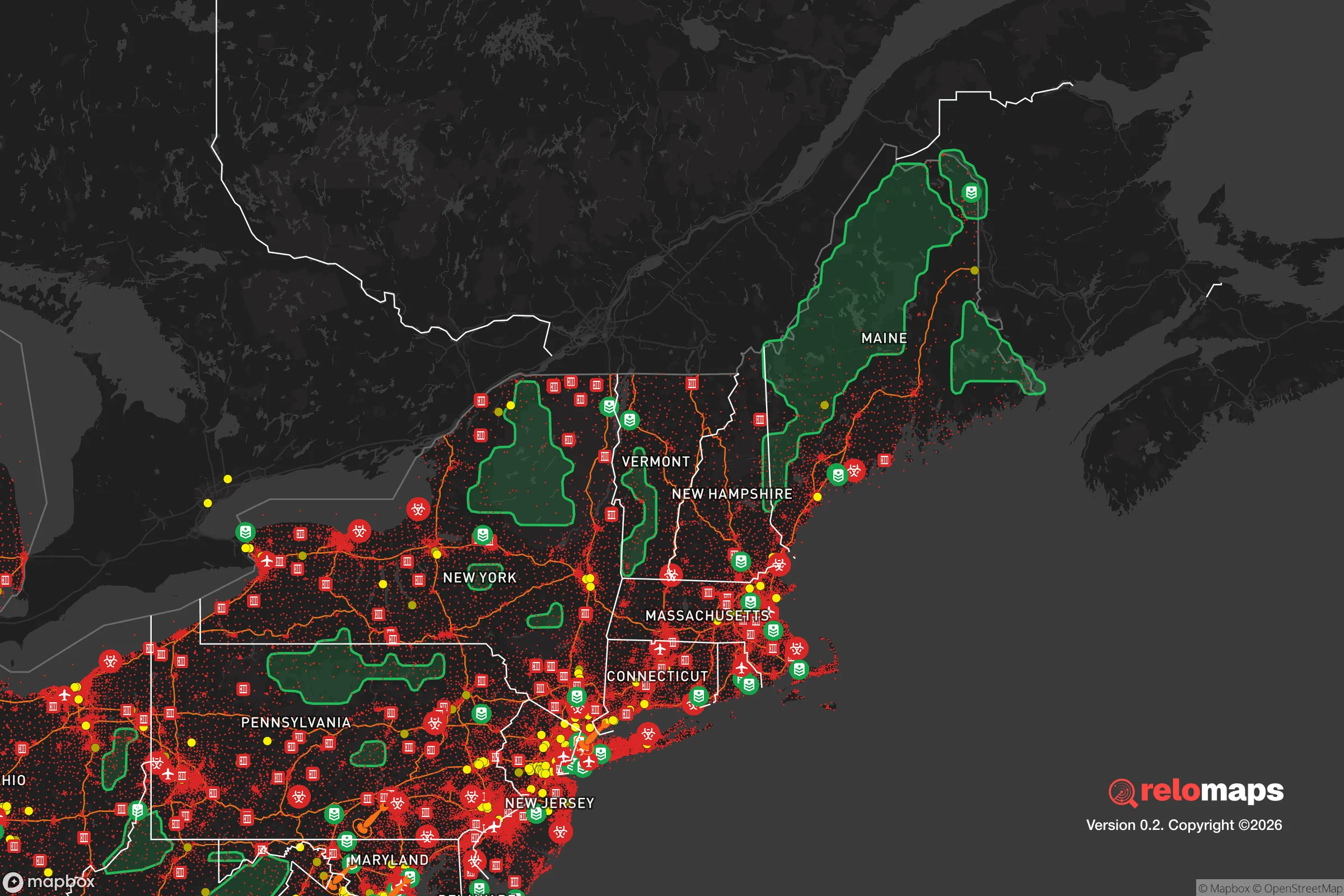


Important Note: For informational purposes only. This does not mean nothing bad ever happens in the green zones. Please use common sense. This is based on public data and modeled with AI. We tried to take a conservative approach but mistakes happen. We update this regularly as new information becomes available.
Solar Generator Recommendations
Backup power matters more here than in safer locations. We've picked three solar generators across budgets and capacity tiers — start with the budget unit if you only need a few essentials, or step up if you want to run a fridge and HVAC for days at a time.

Jackery Portable Power Station Explorer 300
Budget OptionPower on the Go: Weighing only 11 lbs, it's convenient to set up and store with book-sized foldable solar panels

BLUETTI Portable Power Station AC180
Designed for both indoor and outdoor scenarios, AC180 is highly capable as it has a robost capacity and continuous output power.

EF ECOFLOW DELTA Pro Ultra Power Station
Upgraded PickEcoFlow DELTA Pro Ultra is a whole-home energy system designed to grow with your family. Integrated with the Smart Home Panel 2, it scales to meet your evolving energy needs — keeping your home powered, intelligent, and secure through every stage of life.
We earn a commission, at no additional cost to you.
Strategic Assessment Analysis
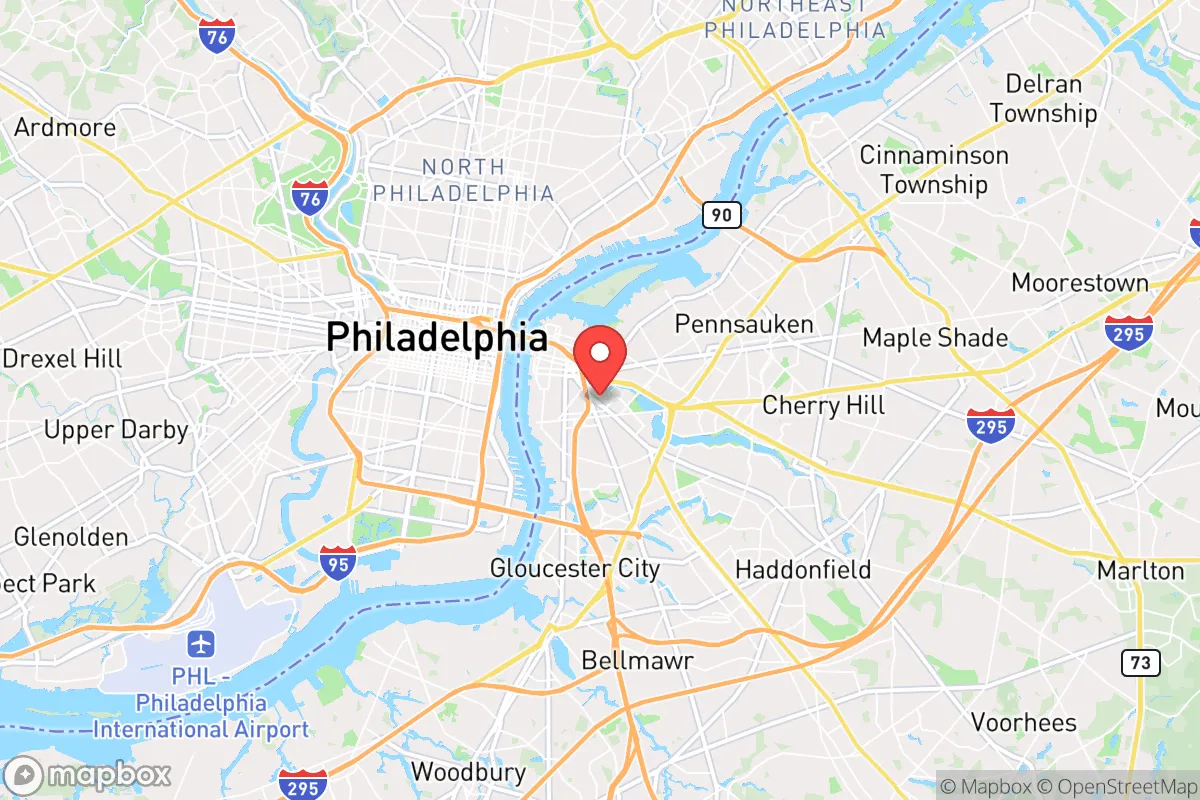
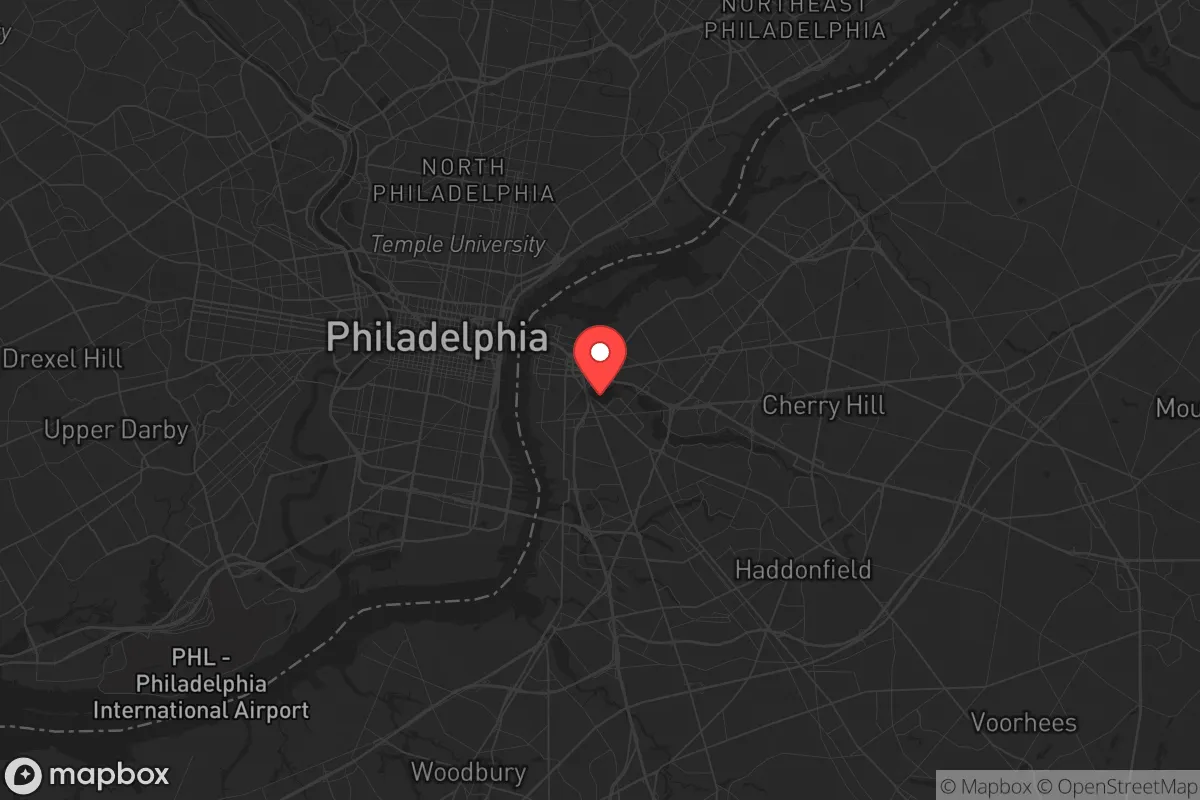
Camden, New Jersey, sits directly across the Delaware River from Philadelphia, a location that offers both strategic opportunity and severe liability for a prepper or survivalist. Its reputation for high crime and economic distress has kept property values depressed, which can be an advantage for a relocator willing to invest in hardening a position. However, the city’s proximity to a major metropolitan target, its dense urban layout, and its position in a heavily industrialized corridor make it a high-risk zone for anyone serious about long-term resilience and avoiding fallout from societal collapse.
Geographic position and natural advantages for a strategic relocation
Camden’s primary geographic asset is its position on the Delaware River, providing direct access to a major freshwater source and a potential transportation corridor if roads become impassable. The city sits within the Delaware Valley region, which has a temperate climate with four distinct seasons, adequate rainfall, and fertile soil in the surrounding areas—useful for small-scale agriculture if you can secure land outside the urban core. The nearby Pine Barrens, about 30 miles southeast, offer vast, sparsely populated wilderness with aquifers, game, and timber, serving as a potential bug-out destination. Camden itself is flat and compact, which makes it easy to patrol on foot but difficult to defend against a motivated group. The city’s grid layout and aging infrastructure mean that choke points are numerous, and escape routes are limited to a handful of bridges and highways—namely the Benjamin Franklin Bridge, the Walt Whitman Bridge, and I-676. In a grid-down scenario, these arteries would become impassable within hours. For a relocator, the natural advantages here are not in Camden proper but in its proximity to the Pine Barrens and the Delaware River’s water supply. The city’s location is a double-edged sword: you’re close to resources, but you’re also inside a blast radius.
Risks, exposures, and proximity to fallout-relevant landmarks
Camden’s biggest liability is its location within the Philadelphia metropolitan area, a population center of over 6 million people that would be a primary target for any large-scale attack or civil unrest event. The city is less than two miles from Center City Philadelphia, and the bridges connecting them are obvious chokepoints that would be contested or destroyed. Additionally, Camden sits in the middle of the Northeast Corridor, a densely populated strip from Washington D.C. to Boston that includes multiple military installations, nuclear power plants, and chemical facilities. The Salem Nuclear Power Plant is about 40 miles south, and the Limerick Generating Station is about 30 miles northwest—both are potential targets or sources of radiological release. The Delaware River itself is lined with oil refineries, chemical plants, and port facilities, including the Paulsboro Refinery and the Port of Philadelphia. A single industrial accident or sabotage event could release toxic clouds or ignite fires that would make Camden uninhabitable for weeks. The city’s own infrastructure is aged and underfunded; the water treatment plant and power grid are vulnerable to disruption. For a prepper, the risk profile here is extreme: you are surrounded by high-value targets, dense populations, and industrial hazards. The only mitigation is that Camden’s low property values might allow you to buy a structure cheaply, but you would be investing in a location that is almost guaranteed to be a disaster zone in any major event.
Practical resilience for a relocator: food, water, energy, and defensibility
For a single individual or family looking to establish a resilient position, Camden presents serious practical challenges. Water access is the one clear advantage: the Delaware River is a reliable surface water source, but it requires heavy filtration and treatment due to industrial pollution, sewage overflows, and agricultural runoff upstream. A Berkey filter or similar system would be mandatory, and you would need to store at least two weeks of potable water for a family of four—roughly 56 gallons minimum—before relying on the river. Food security is poor within city limits. Camden is a food desert with few grocery stores and limited space for gardening. The soil in urban lots is likely contaminated with lead and heavy metals from decades of industrial activity, making in-ground gardening risky. You would need to rely on raised beds, hydroponics, or stored supplies. The nearest farmland is in Burlington and Gloucester counties, 15-20 miles away, which is a long walk or bike ride in a crisis. Energy independence is difficult in a dense urban setting. Solar panels on a row home roof would be visible and vulnerable to theft or damage. A small generator with stored fuel is more practical, but noise discipline would be a concern. The city’s grid is unreliable even in normal times, with frequent outages during storms. Defensibility is the weakest point. Camden’s street grid offers no natural defensive terrain. Row homes share walls, meaning a fire or breach in one unit compromises the entire block. The city’s high baseline crime rate—Camden has historically ranked among the most dangerous cities in the U.S.—means that even in peacetime, you need to be armed and alert. In a collapse scenario, you would be competing with a desperate, armed population for limited resources. The only viable defensive strategy is to fortify a single structure with reinforced doors, window bars, and a safe room, and to maintain a low profile. For a family, this is a high-stress, high-risk environment that offers little margin for error.
The overall strategic picture for Camden is clear: it is a high-risk, high-effort location that only makes sense for a relocator with very specific circumstances—someone who already owns property there, has deep local knowledge, or is willing to treat it as a temporary staging point before moving to a more defensible rural position. The city’s low real estate costs are tempting, but they come with the price of being inside a major target zone with limited escape routes, poor food and water security, and a hostile baseline environment. For a conservative-leaning prepper concerned with civic unrest, mass casualty events, and societal breakdown, Camden is a location to avoid unless you have no other option. The Pine Barrens to the southeast or the rural areas of South Jersey offer far better resilience with lower risk. If you are determined to stay in the region, use Camden as a resource hub—not a home base. Stockpile supplies, maintain a vehicle with a full tank, and have a bug-out plan that gets you across the river and into the woods within hours of any major event. The city’s location is strategic only if you are willing to abandon it quickly.

* Values derived from national, state, county, city and local statistics and may differ in a specific area. Last updated: 2026-04-29T21:12:32.000Z
Narrative content on this page is AI-generated and may contain mistakes. Verify any details that matter before acting on them.
ReloMaps may earn a commission from affiliate links at no extra cost to you.

