Photo: Wikipedia
Political ClimatePolitical Climate in Carencro, LA
District shown is the primary district for this city’s centroid. Cities may span multiple districts.
Local Political AnalysisPolitical Analysis of Carencro, LA
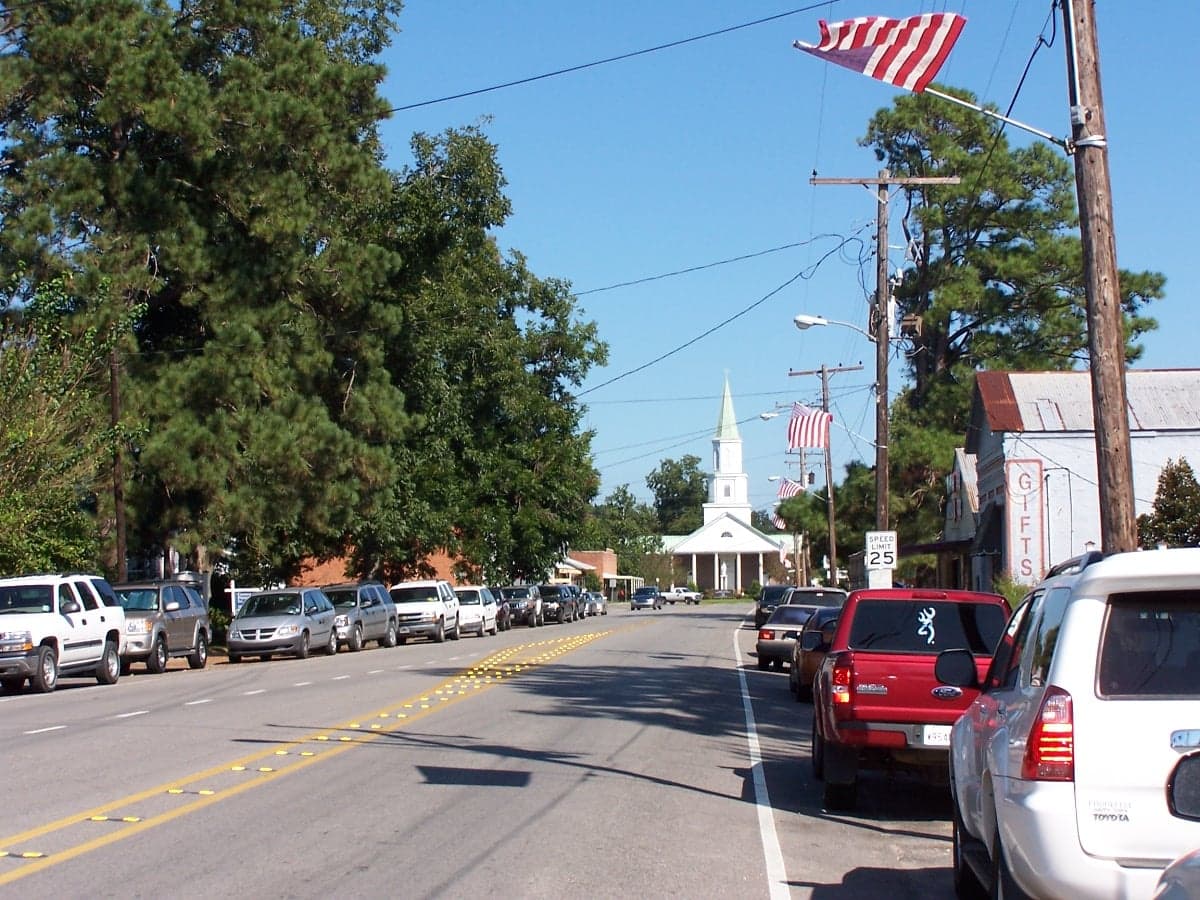
Carencro, Louisiana, sits in a parish that leans reliably Democratic on paper—the Cook PVI clocks in at D+8—but if you’ve lived here as long as I have, you know that label doesn’t tell the whole story. This area has historically been a mix of conservative Cajun families and working-class folks who vote their values, not just a party line. Over the past decade, though, you’ve seen a slow creep of progressive influence seeping in from Lafayette, just a few miles south, and that’s got a lot of us watching closely. The trajectory here isn’t a hard left turn, but it’s a steady drift that raises eyebrows if you care about keeping government out of your personal life.
How it compares
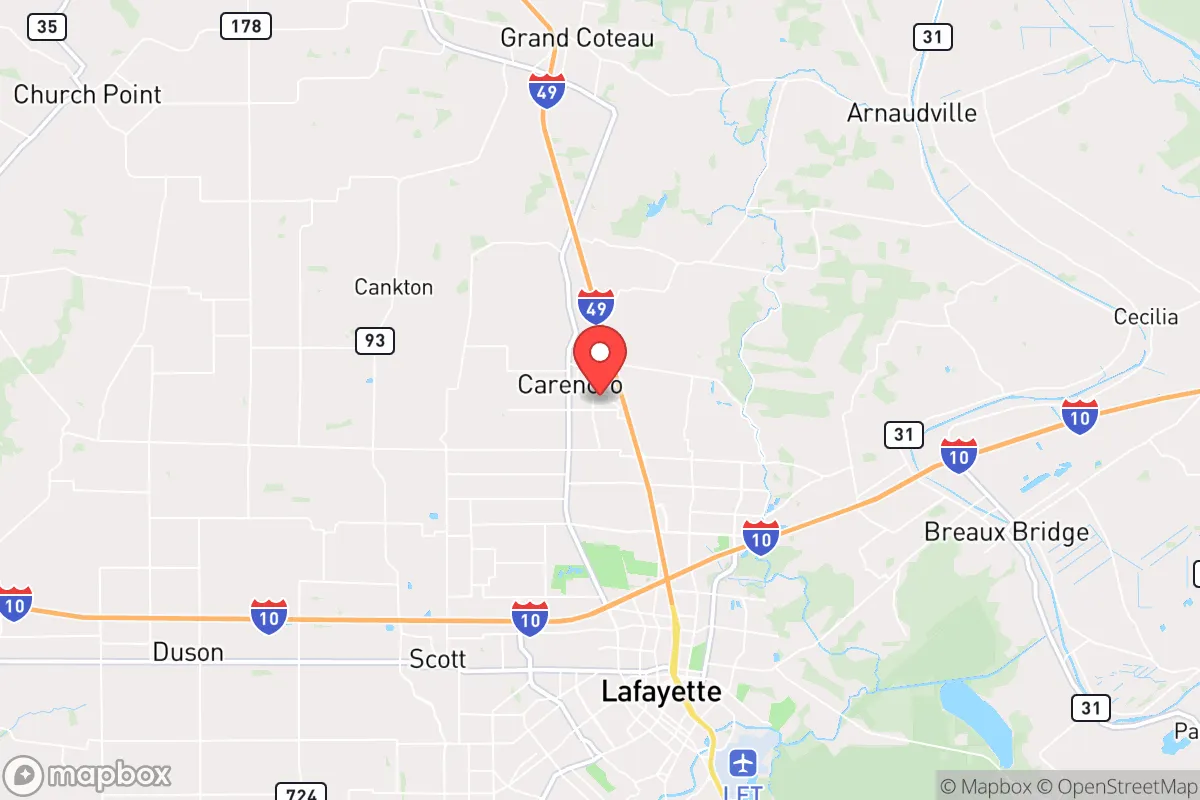
Drive ten minutes south into Lafayette proper, and you’ll feel the difference fast—that city’s got a younger, more liberal vibe, with city council debates that lean into progressive pet projects like bike lanes and diversity initiatives that feel a world away from Carencro’s quiet, family-first pace. Head north toward Opelousas or west to Crowley, and you’re back in solidly red territory, where folks still wave the flag and don’t think twice about Second Amendment rights. Carencro sits right in the middle, but the D+8 rating masks how many of us here actually vote Republican in local races—it’s the parish-wide registration numbers that skew the math. What’s concerning is how Lafayette’s influence is bleeding north, with new transplants bringing big-city ideas about zoning, taxes, and social policies that don’t fit our small-town way of life.
What this means for residents
For those of us who’ve been here a while, the biggest worry is that the political shift will mean more rules and less freedom. We’ve already seen whispers of stricter noise ordinances and talk about limiting short-term rentals, which might sound small but signal a government that wants to manage your property and your peace. The school board has also gotten more vocal about equity programs that sound good on paper but often mean more bureaucracy and less local control over what our kids learn. If you’re a business owner or a landowner, you’re starting to feel the squeeze—permits take longer, and there’s a growing push for “affordable housing” mandates that could mess with property values. It’s not a crisis yet, but the pattern is clear: more oversight, less trust in residents to make their own choices.
One thing that still sets Carencro apart is its deep Catholic roots and the annual Courir de Mardi Gras tradition, which keeps the culture grounded in community rather than politics. You won’t see the same kind of activist energy here that you do in Baton Rouge or New Orleans—most folks just want to be left alone to hunt, fish, and raise their families. But the long-term trend is something to keep an eye on: if the progressive wave from Lafayette keeps rolling north, we could see more pressure on gun rights, property taxes, and even how we celebrate our own heritage. For now, Carencro remains a place where conservative values still hold strong, but it’s worth staying involved in local elections to make sure it stays that way.

State Political ClimatePolitical Climate in Louisiana
State Political AnalysisPolitical Environment in the State
Louisiana has long been a reliably red state in federal elections, but its political climate is far more complex than a simple partisan label suggests. The state has voted for the Republican presidential candidate in every election since 2000, with Donald Trump carrying it by nearly 20 points in 2024. However, the state’s deep-rooted Democratic tradition at the local level, particularly among Black voters and in certain Cajun parishes, creates a unique hybrid where conservative policies on taxes and guns coexist with a more populist, hands-off approach to social issues. Over the last 10-20 years, the state has shifted decisively rightward, driven by suburban growth around Baton Rouge and New Orleans, and a steady exodus of moderate Democrats from rural areas.
Urban vs. rural divide
The political map of Louisiana is a study in contrasts. The heavily Democratic strongholds are New Orleans (Orleans Parish) and Baton Rouge (East Baton Rouge Parish), where large Black populations and progressive white voters deliver lopsided margins for Democrats. In 2024, Orleans Parish gave Kamala Harris over 80% of the vote. Meanwhile, the sprawling suburbs of Jefferson Parish, St. Tammany Parish (north of Lake Pontchartrain), and Ascension Parish have become Republican bastions, with St. Tammany voting nearly 70% for Trump. The rural parishes of north Louisiana—like Ouachita (Monroe), Caddo (Shreveport), and Rapides (Alexandria)—are reliably red, but with a more populist, anti-establishment flavor. The Acadiana region, centered on Lafayette and Lake Charles, is a fascinating mix: historically Democratic but culturally conservative, it has swung hard to the GOP in recent cycles, with Lafayette Parish flipping from blue to red in the 2010s. The key driver is the suburbanization of the I-10 and I-12 corridors, where families fleeing New Orleans and Baton Rouge have created a solid Republican voting bloc.
Policy environment
Louisiana’s policy environment is a mixed bag for conservatives. The state has no personal income tax on Social Security benefits and a flat 4.25% income tax rate, but sales taxes are high—often exceeding 10% in some parishes. The state’s regulatory posture is generally business-friendly, with a right-to-work law and a tort reform package passed in 2020 that capped damages and limited lawsuit abuse. Education policy is a bright spot: the state has a robust school choice program, including the Louisiana Scholarship Program and a thriving charter school sector, especially in New Orleans. However, the state’s healthcare system is a mess—Medicaid expansion under the Affordable Care Act was accepted by a Democratic governor in 2016, and the state remains heavily dependent on federal healthcare dollars. Election laws are relatively secure: voter ID is required, and the state has no widespread mail-in voting, though early voting is available. The state’s constitution also includes a strong property rights provision, which has been used to fight eminent domain abuse.
Trajectory & freedom
Louisiana has been on a trajectory of expanding personal freedom in several key areas, though with notable exceptions. In 2024, the state passed a near-total abortion ban (triggered by the Dobbs decision) and a strong parental rights bill (HB 466) that requires schools to notify parents of any changes in a child’s mental or physical health. Gun rights are robust: the state has constitutional carry (permitless carry) since 2021, and no red flag laws. On the other hand, the state’s high incarceration rate and aggressive policing in cities like New Orleans and Baton Rouge raise concerns about government overreach. The state also has a problematic history of corruption, with multiple former governors and legislators convicted of federal crimes. A recent trend is the push for medical freedom: in 2023, the legislature passed a bill banning COVID-19 vaccine mandates for state employees and students, and there is ongoing litigation over emergency powers. The state’s tax burden remains high compared to other red states, but a 2024 tax reform package reduced the corporate rate and eliminated the inventory tax, signaling a move toward greater economic freedom.
Civil unrest & political movements
Louisiana has seen its share of civil unrest, particularly in New Orleans and Baton Rouge. The 2016 shooting of Alton Sterling in Baton Rouge sparked protests and a subsequent ambush of police officers that left three dead. The Black Lives Matter movement has a strong presence in the state’s urban centers, but it has not translated into significant policy changes. On the right, the state has a vibrant grassroots movement focused on election integrity, with groups like the Louisiana Republican Party pushing for stricter voter roll maintenance. Immigration politics are relatively muted compared to border states, but there is growing tension in rural parishes over the influx of migrant labor in the seafood and construction industries. The state has no sanctuary cities, and in 2023, the legislature passed a bill requiring local law enforcement to cooperate with ICE. Secessionist rhetoric is rare, but there is a strong strain of Cajun and Creole cultural pride that sometimes manifests as anti-federal sentiment, particularly around environmental regulations affecting the oil and gas industry.
Projection
Over the next 5-10 years, Louisiana is likely to continue its rightward drift, but with significant caveats. The state’s population is stagnant or declining, particularly in rural areas, while the New Orleans metro area is losing young professionals to Texas and Florida. The suburbs of Baton Rouge and the Northshore (St. Tammany) will continue to grow and solidify the GOP’s hold on the state legislature. However, the state’s heavy reliance on federal funding (over 40% of the budget) and its vulnerability to hurricanes and coastal erosion will keep it tethered to Washington. The biggest wildcard is the potential for a Democratic governor in 2028, given the state’s tradition of electing moderate Democrats like John Bel Edwards. A new resident moving in now should expect a state that is culturally conservative and increasingly Republican, but with a government that is still prone to inefficiency and corruption. The tax burden will likely decrease further, but the quality of public services—especially roads, schools, and healthcare—will remain below average.
For a conservative-leaning individual or family, Louisiana offers a low cost of living, strong gun rights, and a school choice system that allows you to opt out of failing public schools. The trade-offs are a high crime rate in the major cities, a corrupt political culture, and a state government that is often slow to adapt. If you can find a good job in the energy, petrochemical, or healthcare sectors, and you’re willing to live in the suburbs or a smaller city like Lafayette or Mandeville, Louisiana can be a solid choice. Just don’t expect the same level of efficiency or freedom you’d find in Texas or Florida—this is still the Deep South, with all its charm and its baggage.
* Values derived from national, state, county, city and local statistics and may differ in a specific area. Last updated: 2026-10-10T16:27:00.000Z
Narrative content on this page is AI-generated and may contain mistakes. Verify any details that matter before acting on them.
ReloMaps may earn a commission from affiliate links at no extra cost to you.

