Photo: Wikipedia
Find The Best Places To Live
in Shreveport
PRO TIP! You can paste a Zillow or Redfin link to get info on that property.
What It's Like Living in Shreveport, LA
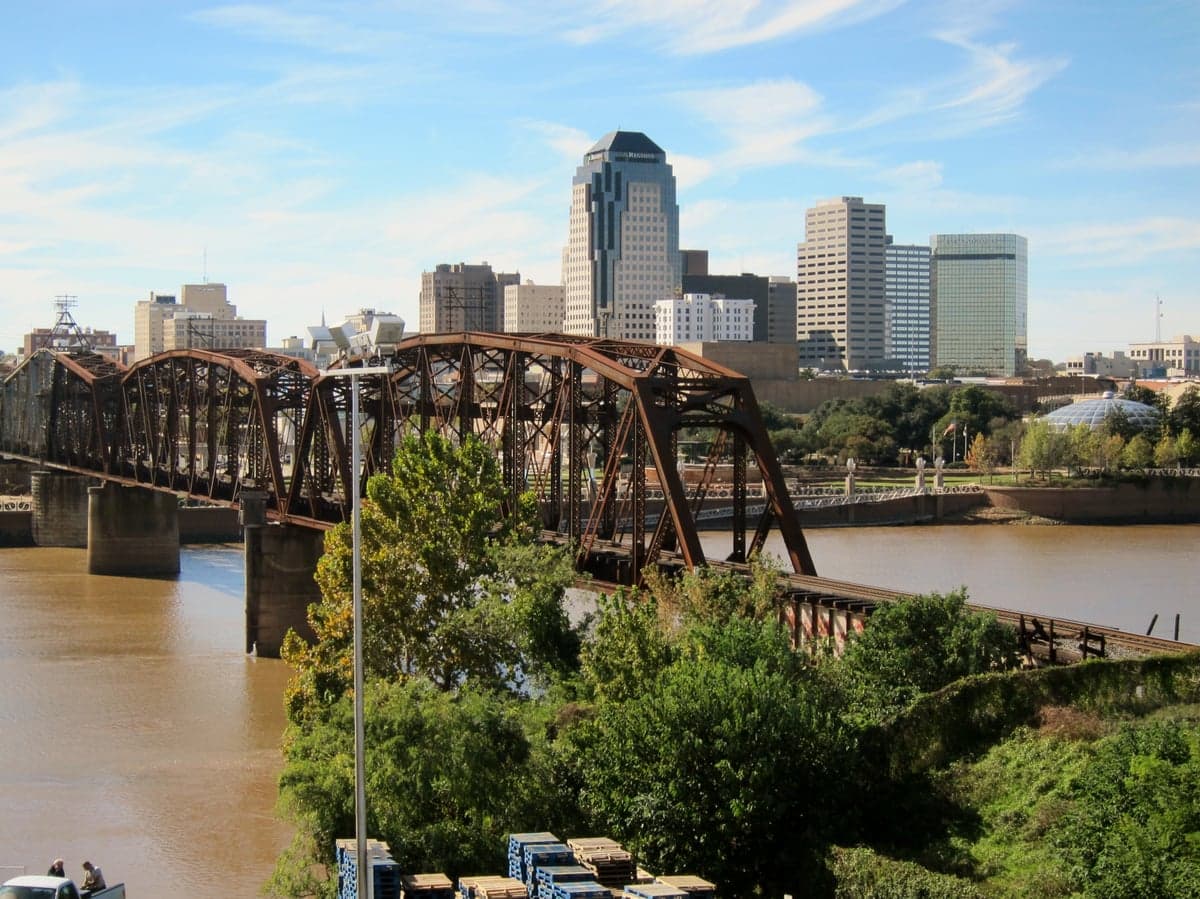
Shreveport has a reputation that’s hard to pin down until you’ve spent a few weekends here. It’s a mid-sized city with a small-town feel, where the Red River splits the landscape and the pace of life moves slower than the interstate traffic might suggest. People come for the low cost of living and stay for the genuine, unpretentious community—but they also learn to navigate a city that’s wrestling with its own challenges, especially around safety and economic opportunity.
The Daily Rhythm: What People Actually Do
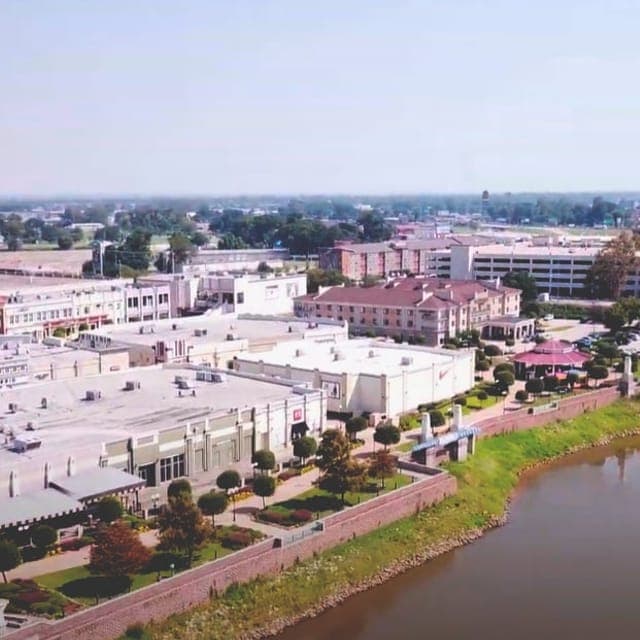
Most mornings in Shreveport start with a stop at a local coffee shop like Rhino Coffee on Line Avenue, where you’ll see a mix of remote workers, retirees, and parents dropping kids off at nearby schools. The average commute here is just under 19 minutes, which means you can live in a quiet neighborhood like Broadmoor or South Highlands and still be at your desk downtown in 15 minutes. Weekends often revolve around the Red River District—not for the nightlife (which has faded some since the casino boom), but for the riverfront trails, the Sci-Port Discovery Center, and the occasional festival at Festival Plaza. You’ll also find families at the Shreveport Farmers Market on Saturday mornings, where the produce is local and the vibe is unhurried.
Shopping is practical rather than glamorous. You’ve got the Louisiana Boardwalk across the river in Bossier City for chain stores and outlet shopping, but most locals stick to the independent shops on Line Avenue or the Youree Drive corridor. Grocery shopping means Brookshire’s or Super 1 Foods, and if you want something fancier, you’re driving to the Whole Foods in Bossier. The median household income here is $48,465, which is below the national average, so the lifestyle is more about making do with what you have than chasing trends.
Sports, Community, and the Things That Bring People Together
Sports in Shreveport are a big deal, but not in the way you might expect. There’s no major pro team, but the Shreveport Mudbugs (junior hockey) draw passionate crowds at the Hirsch Memorial Coliseum, and the Shreveport-Bossier Captains (collegiate summer baseball) pack the stands at Fair Grounds Field. High school football is the real religion here—games at Evangel Christian Academy or Captain Shreve High School can feel like a Friday night event for the whole city, with tailgating and local rivalries that go back decades. The Independence Bowl in December is a regional tradition, even if the teams aren’t always top-tier.
Beyond sports, the community gathers around festivals. The Mardi Gras season is a genuine thing here—parades like the Krewe of Centaur roll through the streets with floats and throws, and it’s a family affair. The Louisiana State Fair in October is another anchor, with carnival rides, livestock shows, and fried everything. For music, the Shreveport Municipal Auditorium is a historic venue where Elvis once performed, and it still hosts concerts and the Louisiana Hayride tribute shows. If you want a quieter evening, the R.W. Norton Art Gallery has 40 acres of gardens and a solid collection of American and European art—free admission.
What It’s Really Like: The Honest Pros and Cons
Let’s start with the upside. The cost of living is strikingly low—the index sits at 76, well below the national average of 100. The median home value is $178,100, which means a decent three-bedroom in a safe neighborhood like Spring Lake or Ellerbe Road is affordable for a single person or a young family. You can live comfortably on a modest salary, and the absence of state income tax on Social Security benefits is a draw for retirees. The weather is another plus: mild winters, long springs, and a fall that stretches into November. You’ll get used to humidity, but the trade-off is that outdoor activities like fishing on Cross Lake or hiking at Walter B. Jacobs Memorial Nature Park are viable year-round.
Now the hard truths. The violent crime rate is 1,158.4 per 100,000, which is roughly three times the national average. This isn’t a city where you walk alone after dark in certain neighborhoods—areas like Allendale and Mooretown have persistent issues, and property crime is a concern even in nicer parts. Longtime residents will tell you that the city’s economic struggles—stagnant population growth, a brain drain of college graduates (only 27.5% hold a degree), and a reliance on the gaming and healthcare industries—create a sense of limited opportunity. The median age is 37.5, which suggests a population that’s aging in place rather than attracting young professionals. Schools are a mixed bag: Caddo Parish Public Schools have some strong magnets like Caddo Magnet High School, but many families opt for private or parochial options like Loyola College Prep.
Traffic is rarely a headache—the commute is short and the roads are predictable—but the weather can be a genuine nuisance. Summer heat index regularly hits 100°F, and the region is prone to severe thunderstorms and the occasional tornado warning. Flooding is a real concern in low-lying areas near the Red River. Culturally, Shreveport has a distinct identity that’s neither fully Deep South nor Texas—it’s a border city with a mix of Cajun, Creole, and Southern Baptist influences. You’ll hear “y’all” and see crawfish boils in the spring, but you’ll also find a surprising number of Vietnamese restaurants (a legacy of refugee resettlement) and a growing Hispanic community. The quirks include a fierce loyalty to local chains like Strawn’s Eat Shop for pie and Herby-K’s for shrimp, and a general skepticism of anything that feels too “big city.”
For the right person—someone who values affordability, community ties, and a slower pace—Shreveport can be a solid place to put down roots. But it’s not for everyone. If you’re looking for career growth, top-tier schools, or a vibrant nightlife, you’ll likely feel the limits. If you’re okay with trade-offs and want a place where your dollar goes further and your neighbors know your name, it’s worth a serious look.

Similar small cities to Shreveport
* Values derived from national, state, county, city and local statistics and may differ in a specific area. Last updated: 2026-05-01T18:08:32.000Z
Narrative content on this page is AI-generated and may contain mistakes. Verify any details that matter before acting on them.
ReloMaps may earn a commission from affiliate links at no extra cost to you.

