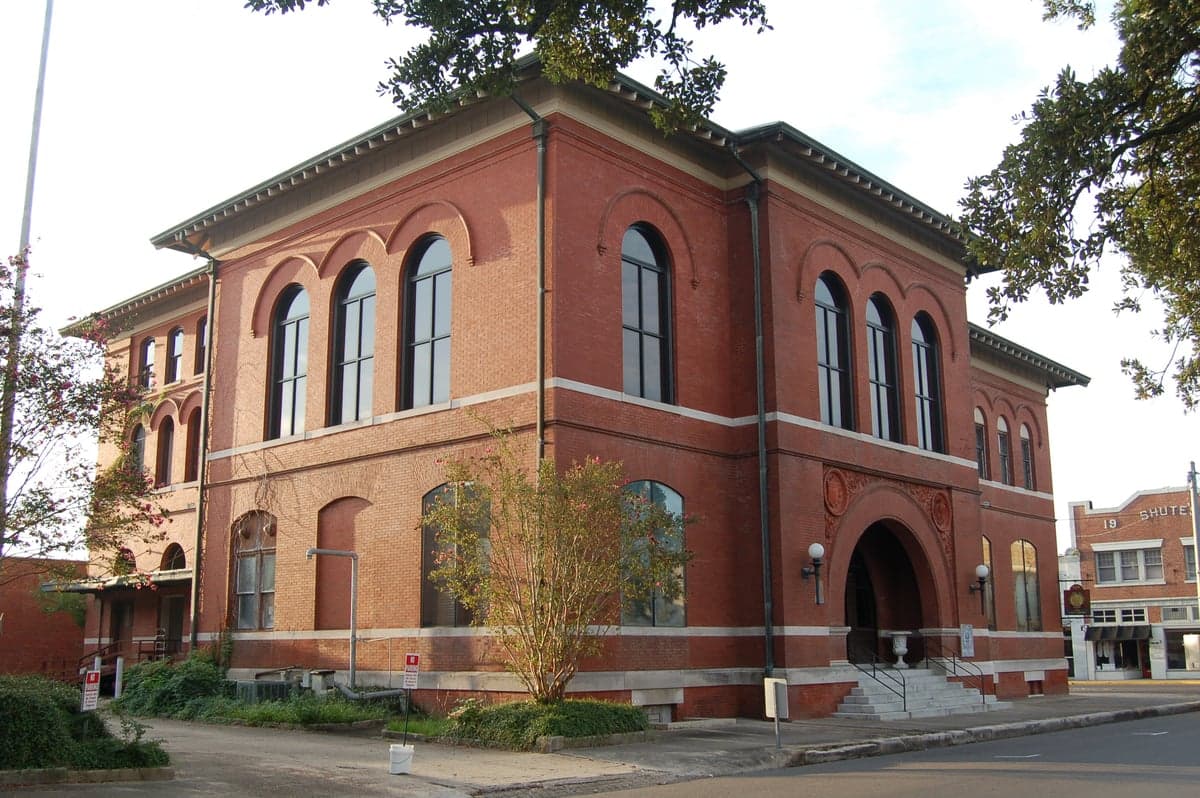
Photo: Wikipedia
Find The Best Places To Live
in Opelousas
PRO TIP! You can paste a Zillow or Redfin link to get info on that property.
What It's Like Living in Opelousas, LA
Opelousas feels like a place where time moves a little slower, not in a sleepy way, but in a deliberate, unhurried rhythm that’s hard to find in bigger Louisiana cities. It’s a town of about 15,662 people where the median age hovers around 34.3, giving it a slightly younger-than-average feel for a small city, but the pace of life is still deeply rooted in family, faith, and Friday night lights. You won’t find a rush-hour traffic jam here—the average commute clocks in at just over 24 minutes—but you will find a community that knows its neighbors and takes its gumbo seriously.
Daily Rhythm and Who Fits In
Daily life in Opelousas revolves around a few core things: work, school, and the local social scene that often plays out at a crawfish boil or a high school game. The median household income is $36,260, which is modest, but the cost of living index sits at 54—roughly half the national average—meaning a dollar stretches noticeably further here. A median home value of $113,000 makes homeownership realistic for single individuals and young families who might be priced out of Lafayette or Baton Rouge. The kind of person who fits in here is someone who values affordability and community over nightlife and career ladder-climbing. You’ll find a lot of folks working in healthcare, education, and the service industry, with major employers like Opelousas General Health System and the St. Landry Parish School Board anchoring the local economy. Weekends are often spent at a local park, fishing in the nearby Atchafalaya Basin, or grabbing a plate of boudin at a spot like The Boudin Shop—a local institution that’s equal parts deli and social hub.
Sports, Festivals, and What People Actually Do for Fun
Sports are a big deal here, but it’s not about pro teams—it’s about the high school rivalries. Opelousas High School and Northwest High School football games draw crowds that feel more like a town-wide event than a school function. On a Friday night in the fall, you’ll see parents, grandparents, and even folks without kids in the stands, all there for the community gathering as much as the game. Beyond the gridiron, the town’s cultural identity is wrapped up in its Zydeco and Cajun music roots. The Original Southwest Louisiana Zydeco Music Festival is a major draw, bringing in crowds from across the state, and the Opelousas Farmers Market on Saturdays is a low-key but lively spot to grab fresh produce and local crafts. For outdoor types, Le Vieux Village Heritage Park offers a walkable glimpse into the area’s Creole and Cajun history, and the nearby Chicot State Park is about a 30-minute drive for hiking and kayaking. The restaurant scene is heavy on Cajun and Creole staples—think crawfish étouffée, fried catfish, and shrimp po’boys—with Papa’s Bar & Grill being a go-to for a cold beer and a plate of boudin balls after work.
Pros and Cons of Living Here
Let’s be honest about the trade-offs. The biggest pro is the cost of living: you can buy a decent home for well under six figures, and your utility bills and grocery tab will feel light compared to most of the country. The community is tight-knit in a way that’s rare—people look out for each other, and there’s a genuine warmth in daily interactions. The food is world-class, and the music scene, while not as polished as New Orleans’, has an authenticity that’s hard to beat. On the flip side, the violent crime rate of 1,397.1 per 100,000 is a serious concern—it’s significantly higher than the national average, and it’s something you’ll hear longtime residents talk about with frustration. Property crime is also an issue, and while most of it is concentrated in certain areas, it’s not something you can ignore. The college-educated population sits at just 10.9%, which reflects a limited local job market for white-collar professionals—if you’re in tech or finance, you’ll likely be commuting to Lafayette (about 30 minutes south) or working remotely. The weather is classic Louisiana: hot, humid summers with frequent afternoon thunderstorms, and mild winters that occasionally dip into the 30s. Hurricane season is a real concern, though Opelousas is far enough inland to avoid the worst storm surge. Schools are a mixed bag—some are well-regarded, like Opelousas Catholic School, but the public system faces the same funding and performance challenges common to rural Louisiana parishes.
Cultural Quirks and Local Identity
Opelousas calls itself the “Zesty Creole City,” and that’s not just marketing—the Creole and Cajun heritage is woven into everything from the architecture to the accent. You’ll hear French phrases sprinkled into everyday English, and the local Catholic churches, like St. Landry Catholic Church, are community anchors. One quirk you’ll notice: people here are fiercely proud of their town’s history as one of the oldest settlements in Louisiana, and they’ll tell you about the Opelousas Museum and Interpretive Center like it’s a hidden gem (because it kind of is). Traffic is almost never a problem, but the roads can be rough in spots, and you’ll learn to plan around the occasional parade or festival that shuts down Main Street. For a conservative-leaning audience, this is a place where traditional values—family, faith, hard work—are the norm, not the exception. The pace of life is slow enough to raise kids without the pressures of a big city, but fast enough that you’re never bored if you know where to look. It’s not for everyone, but for the right person, Opelousas feels like home the moment you step out of the car and smell the gumbo simmering.

Similar towns to Opelousas
* Values derived from national, state, county, city and local statistics and may differ in a specific area. Last updated: 2026-05-01T04:12:49.000Z
Narrative content on this page is AI-generated and may contain mistakes. Verify any details that matter before acting on them.
ReloMaps may earn a commission from affiliate links at no extra cost to you.

