Photo: Wikipedia
Quality of Life in Clearwater, FL
A high quality of life with strong walkability, manageable living costs, healthy neighborhood signals, and solid amenity access.
What does Quality of Life tell us?
Quality of Life blends cost of living, nearby amenities, socioeconomic signals, and neighborhood character. City-level scores represent the whole municipality; individual neighborhoods can differ.
What does this tell us?
Quality of Life blends cost of living, nearby amenities, socioeconomic signals, and neighborhood character. City-level scores represent the whole municipality; individual neighborhoods can differ.
Cost of Living
26% above national average
The Real Cost of Living in Clearwater, FL for 2026
| Tier | Individual | Family (4) |
|---|---|---|
| Survival | $25k | $46k |
| Comfortable | $63k | $93k |
| Luxury | $116k+ | $180k+ |
| Elite (Top 5%) | $164k+ | $254k+ |
69%
The Area Signal
A metric tracking the socioeconomic signals of the area.
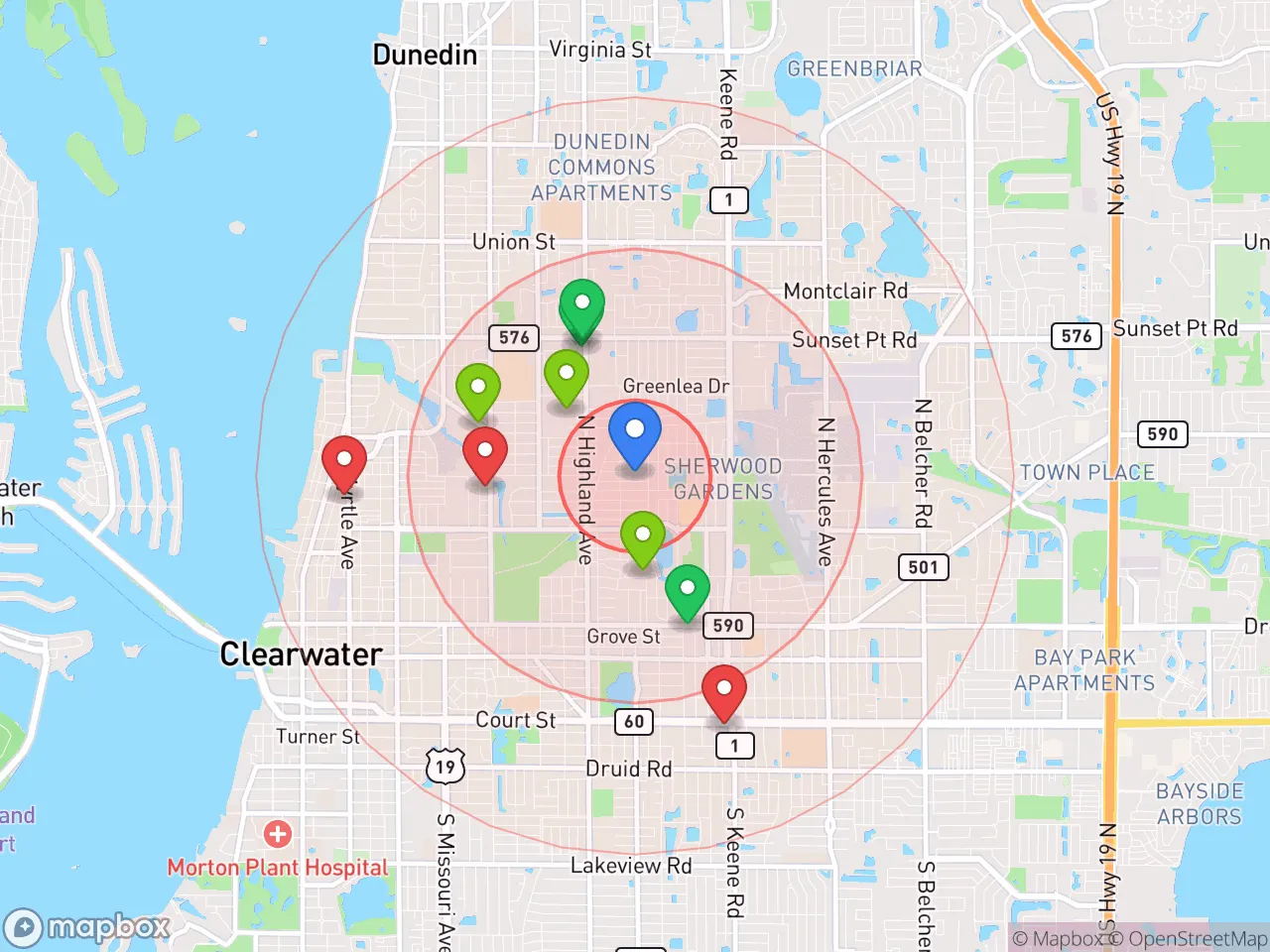
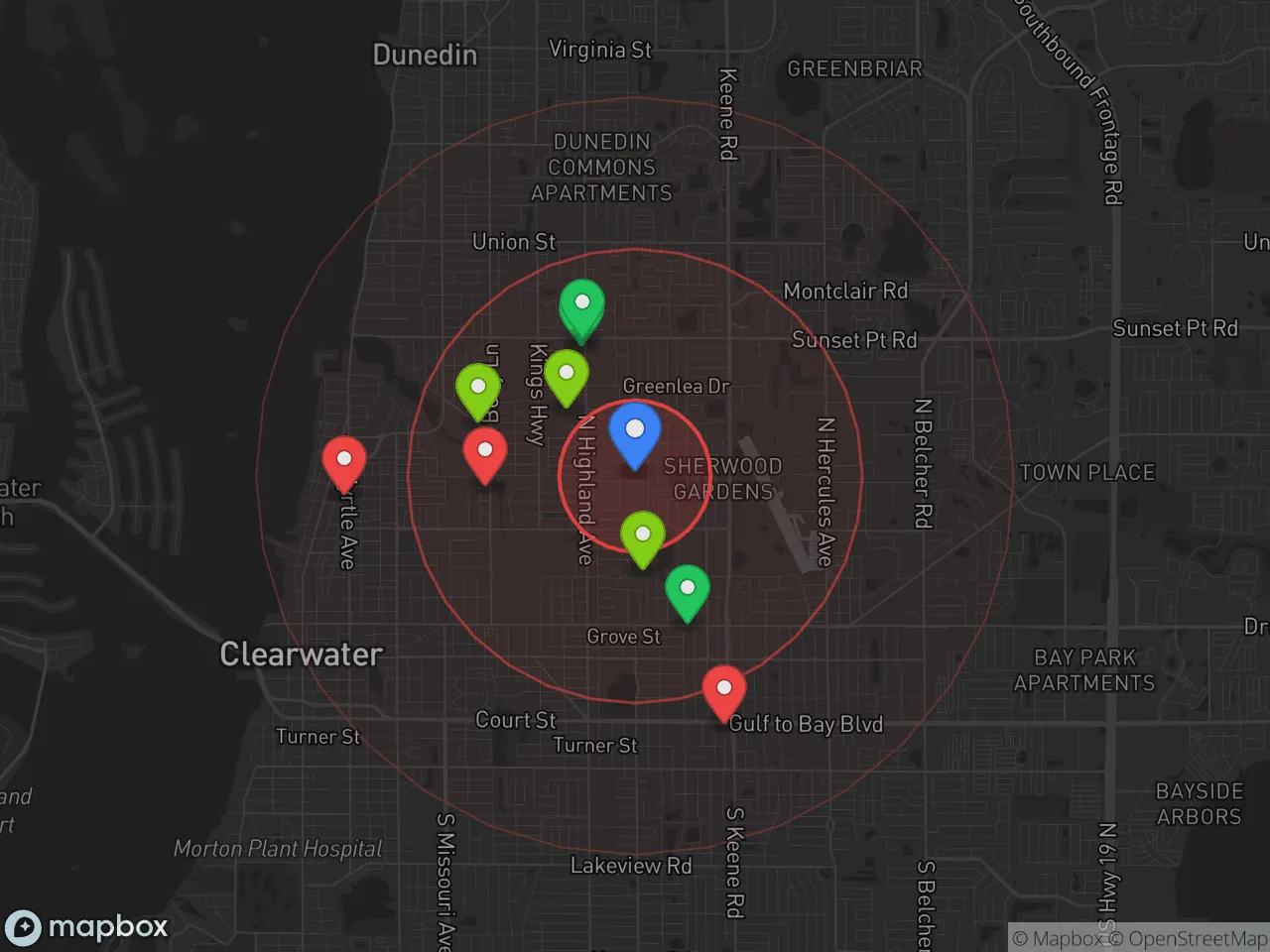
Hobbies
Explore the areaGroceries
5 within 10 miles
Gas
20 within 10 miles
Hospital
20 within 20 miles
Airport
TPA — Tampa International
Post Office
USPS — Clearwater, FL
Critical Amenities
Quality-of-Life Analysis
Clearwater, Florida, presents a quality of life defined by its coastal affluence and a demographic mix of long-established families, young professionals drawn to the Tampa Bay job market, and retirees seeking a warm-weather lifestyle. With a cost of living index of 126 (26% above the national average), the city sits at a premium compared to inland Florida communities but remains more accessible than neighboring St. Petersburg or the exclusive barrier islands like Belleair and Sand Key. The median household income of roughly $55,000 reflects a workforce heavily concentrated in healthcare, tourism, and professional services, creating a community where financial comfort often depends on dual incomes or homeownership secured before the recent price surge.
Cost of living, housing affordability, and how Clearwater compares to nearby areas
Clearwater’s housing market is the primary driver of its elevated cost of living. The median home value of $326,100 is roughly $30,000 below the Tampa–St. Petersburg–Clearwater metro average, but it is significantly higher than inland suburbs like Largo ($310,000) or Dunedin ($340,000). For renters, the median rent of $1,539 places a one-bedroom apartment at roughly 30% of the area median income, a threshold that strains single-earner households. Compared to St. Petersburg, where median rents hover near $1,700, Clearwater offers a slight discount, though the trade-off is a less walkable downtown and fewer nightlife options. The average commute of 23 minutes is shorter than the national average of 26 minutes, a practical advantage for workers commuting to Tampa (via the Courtney Campbell Causeway) or to the region’s major employers like BayCare Health System and the Pinellas County School District. Property taxes remain relatively low at roughly 0.9% of assessed value, a Florida standard that helps offset the higher purchase prices.
Daily life, schools, and what makes the area livable for families and professionals
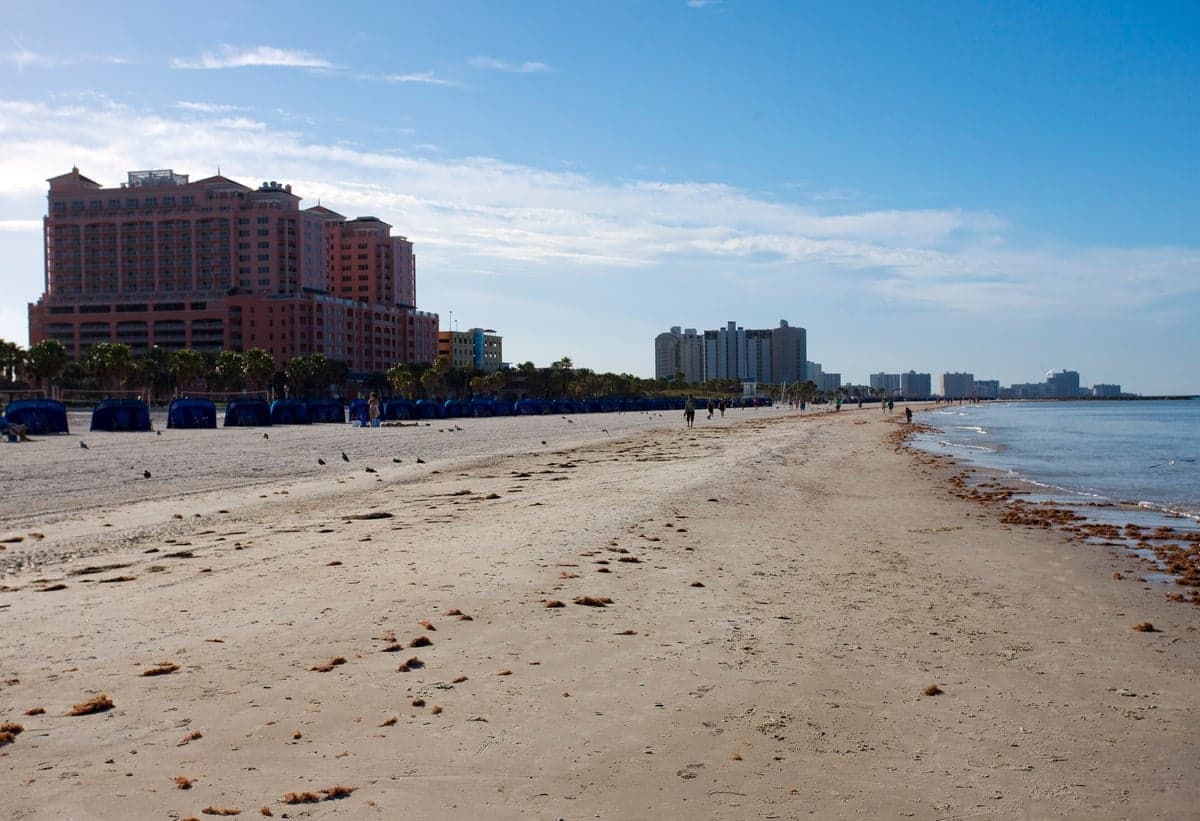
Daily life in Clearwater revolves around its beaches, parks, and a slower pace than downtown Tampa. The city’s crown jewel, Clearwater Beach, draws millions annually, but residents benefit from year-round access to the 2.5-mile white-sand shoreline and the Clearwater Marine Aquarium. For families, the Pinellas County Schools system is a mixed bag: Clearwater High School holds a C rating from the Florida Department of Education, while magnet options like the Center for Advanced Technologies at Lakewood High (in St. Petersburg) require competitive admission. Private schools, including the Catholic Clearwater Central Catholic High School, are popular alternatives. The city’s recreation infrastructure is robust, with the 208-acre Moccasin Lake Nature Park and the 60-mile Pinellas Trail connecting cyclists and joggers to Dunedin and Tarpon Springs. Grocery and retail are concentrated along Gulf-to-Bay Boulevard and U.S. 19, though traffic congestion on these corridors during snowbird season (January–April) can test patience. The cultural scene is modest compared to St. Petersburg’s museums, but the Ruth Eckerd Hall performing arts venue and the annual Clearwater Jazz Holiday provide consistent entertainment.
Clearwater is best suited for those who prioritize beach proximity and a moderate commute over urban density and cultural variety. Young professionals working in Tampa or St. Petersburg will find the 23-minute average commute a strong selling point, while retirees on fixed incomes should carefully budget for the 26% cost-of-living premium. Families may find the school options limiting unless they can access magnet or private programs. The city’s affordability relative to St. Petersburg and the barrier islands makes it a pragmatic choice for buyers who accept a less walkable, more car-dependent environment in exchange for a shorter drive to the Gulf. For anyone seeking a balance of coastal living and regional job access, Clearwater delivers a functional, if not flashy, quality of life.

Crime in Clearwater, FL
Generally safer than 71% of comparable U.S. locations.
Violent CrimeViolent Crime Analysis
Property CrimeProperty Crime Analysis
Crime Analysis
Clearwater, Florida, reports a violent crime rate of 247.7 incidents per 100,000 residents and a property crime rate of 1,403 per 100,000, placing it above the national average for both categories. While these figures indicate a moderate risk environment, the city's location within the Tampa Bay metro area and the broader Pinellas County justice system introduces specific concerns for prospective residents. The combination of regional crime trends and local prosecutorial policies shapes the day-to-day safety experience in Clearwater.
Crime in context
Clearwater's violent crime rate of 247.7 per 100,000 is roughly 30% higher than the national average of about 190 per 100,000, though it remains below the Florida state average of approximately 380 per 100,000. Property crime in Clearwater, at 1,403 per 100,000, significantly exceeds the national benchmark of roughly 1,100 per 100,000. These numbers place Clearwater in a middle tier among similarly sized Florida cities—safer than St. Petersburg (which reports violent crime rates near 500 per 100,000) but riskier than neighboring Dunedin or Safety Harbor. The city's crime index, which compares to the U.S. average of 100, sits at approximately 130, meaning a resident faces a 1-in-404 chance of being a violent crime victim and a 1-in-71 chance of experiencing property crime annually.
What residents experience
Property crime—particularly theft from vehicles, package theft, and bicycle theft—is the most common safety issue reported by Clearwater residents. The city's high tourism volume and seasonal population fluctuations contribute to these opportunistic crimes. Violent incidents are largely concentrated in specific areas, with aggravated assault accounting for the majority of violent offenses. A critical factor for residents to consider is the judicial environment in Pinellas County. Progressive prosecutorial policies in the Tampa Bay metro area have led to reduced incarceration rates for non-violent property offenders and increased use of diversion programs. While intended to reduce recidivism, critics argue these policies result in repeat property offenders cycling through the system without meaningful consequences, directly impacting neighborhood safety and quality of life. Residents report that stolen property recovery rates are low, and many minor thefts never result in charges.
Neighborhood-level variation
Safety in Clearwater varies dramatically by neighborhood. The downtown core and areas near the beach (Clearwater Beach, Island Estates) see higher rates of tourist-related theft and disorder, while residential neighborhoods like Countryside, East Lake, and the Belleair area report significantly lower crime rates—often 50-60% below the city average. The most pronounced safety disparity exists between the northern and southern halves of the city, with areas south of Gulf-to-Bay Boulevard (State Road 60) generally experiencing higher crime densities. Gated communities and HOAs with private security in the northern sections report crime rates comparable to the safest suburbs in the region. Prospective residents should examine block-level crime maps and consider that a few blocks' difference can mean moving from a high-risk to a low-risk zone. The presence of progressive justice policies means that even in lower-crime neighborhoods, residents should take proactive security measures—motion lights, security cameras, and neighborhood watch participation—as deterrence remains the primary defense.
* Values derived from national, state, county, city and local statistics and may differ in a specific area. Last updated: 2026-05-01T11:27:35.000Z
Narrative content on this page is AI-generated and may contain mistakes. Verify any details that matter before acting on them.
ReloMaps may earn a commission from affiliate links at no extra cost to you.

