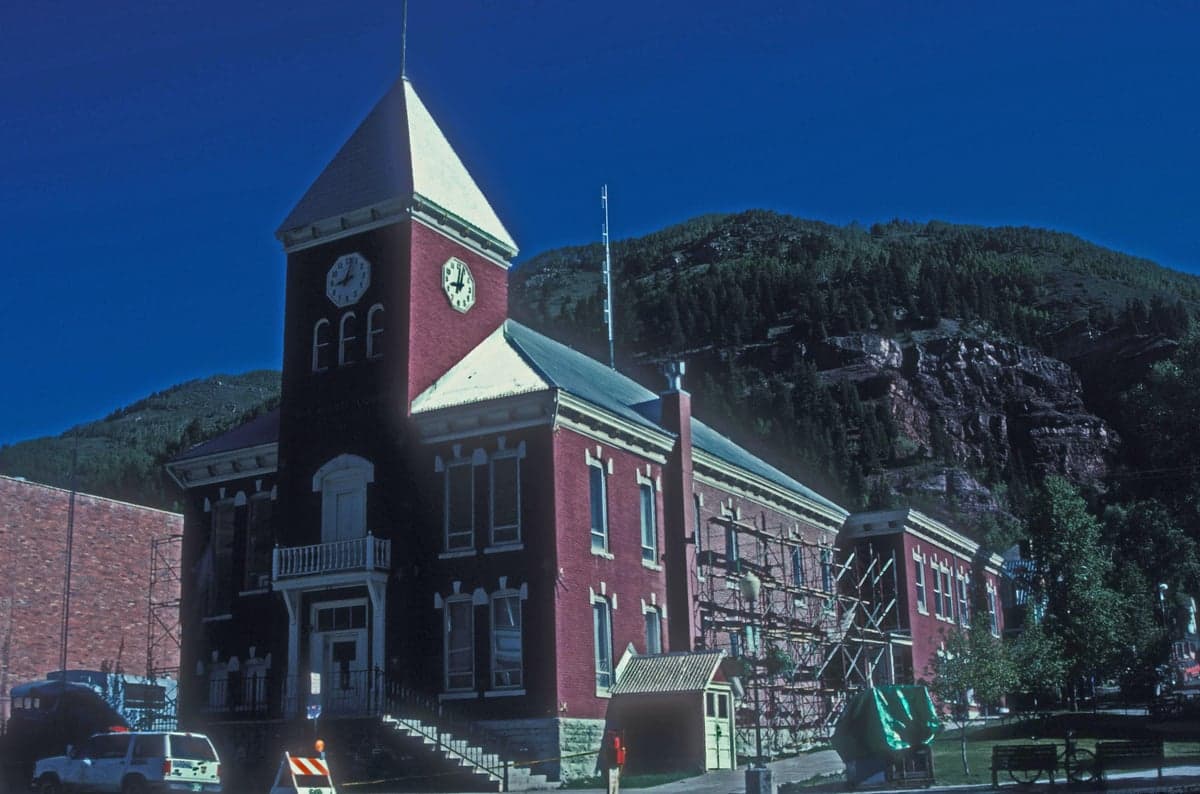
Photo: Wikipedia
Find The Best Places To Live in San Miguel County
PRO TIP! You can paste a Zillow or Redfin link to get info on that property.
Best Places to Live in San Miguel County
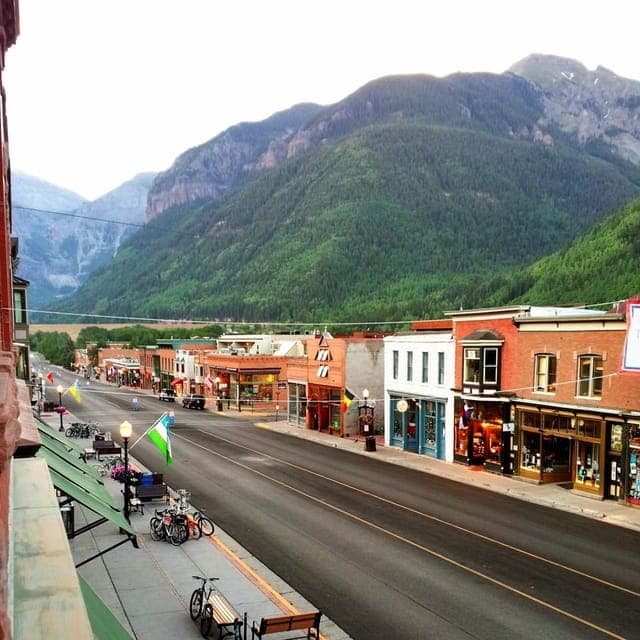
Cities & Towns in San Miguel County
Cities in San Miguel County
What It's Like Living in San Miguel County, CO
Living in San Miguel County, Colorado, means trading strip-mall convenience for a life dictated by mountain weather, a fiercely independent local culture, and a calendar full of festivals that draw everyone from Telluride ski bums to Norwood ranchers. With just over 8,000 residents spread across iconic towns like Telluride, Mountain Village, Norwood, and the smaller outposts of Placerville and Sawpit, the county feels less like a single community and more like a collection of distinct worlds connected by a single winding highway. Whether you're a remote worker paying top dollar for a Telluride condo or a multi-generational rancher in Norwood, the shared experience here is one of profound natural beauty and a practical, no-nonsense approach to daily life.
The Two Worlds of San Miguel County: Telluride vs. Norwood
The county's personality splits sharply between the resort economy of Telluride and Mountain Village and the agricultural, blue-collar heart of Norwood. In Telluride, daily life revolves around the ski resort, summer festivals like the Telluride Bluegrass Festival and the Telluride Film Festival, and a walkable box canyon where a single-family home carries a median value of $613,100 — a figure that feels almost low compared to the multi-million-dollar listings that dominate the market. The median age here is 42.7, and with 65.2% of adults holding a college degree, the town skews educated, affluent, and transient. Many residents work in hospitality, real estate, or remotely for out-of-state employers. Head 40 minutes west to Norwood, and the vibe shifts entirely. Norwood is a working ranching community where the high school football game on Friday night is the social event of the week, and the median income of $80,117 goes further because housing, while still expensive by national standards, is a fraction of Telluride's prices. The kind of person who fits in Norwood is someone who doesn't mind driving 20 minutes for groceries, values self-sufficiency, and likely has a truck and a dog in the back.
What People Actually Do: Festivals, Trails, and the Commute
Weekends in San Miguel County are defined by the outdoors and a packed festival calendar. In summer, locals hike the Jud Wiebe Trail or the Blue Lakes Trail near Telluride, while mountain bikers tackle the famed 401 Trail. The Telluride Bluegrass Festival in June is a pilgrimage for music fans, filling the town with tents and banjos for four days. The Telluride Film Festival over Labor Day weekend brings Hollywood stars and cinephiles, though many locals grumble about the crowds and traffic. In winter, Telluride Ski Resort dominates life, with locals holding season passes and tourists filling the gondola between Telluride and Mountain Village. For a quieter evening, locals in Norwood head to the Norwood Bar or the Livery for a beer and a burger, while Telluride residents pack the bar at the New Sheridan Hotel or catch live music at the Sheridan Opera House. The average commute across the county is a remarkably short 16.4 minutes, but that number hides a key frustration: the drive between Telluride and Norwood on Highway 145 can be slow in winter, and the single road in and out of Telluride (Highway 145) is prone to closures during storms. Locals learn to keep a full tank and a flexible schedule.
The Honest Trade-Offs: What Works and What Grates
Longtime residents love the quiet, the dark skies, and the fact that you can still have a conversation with your neighbor without checking a phone. The sense of community in Norwood and Placerville is genuine — people show up for each other during calving season or when a roof needs shoveling. The schools, particularly Telluride High School and Norwood High School, are small enough that teachers know every student's name, and sports like skiing, soccer, and football are a big deal locally. But the frustrations are real. The cost of living index sits at 148, meaning everyday goods and housing are nearly 50% more expensive than the national average. The violent crime rate of 426.6 per 100,000 is higher than the national average, though most of that is concentrated in Telluride's tourist zones and involves theft or alcohol-related incidents rather than random violence. Locals also complain about the lack of affordable workforce housing — teachers, nurses, and ski patrollers often commute from Montrose or Ridgway because they can't afford to live in the county where they work. And if you need a big-box store or a major hospital, you're driving an hour to Montrose or two hours to Grand Junction.
Who Thrives Here — And Who Should Think Twice
San Miguel County works best for people who value solitude, outdoor recreation, and a slower pace over urban amenities and career mobility. It's a great fit for remote workers with high incomes who can afford the housing, for retirees who want mountain views and a tight-knit community, and for families who want their kids to grow up skiing and hiking rather than scrolling. It's a harder sell for single people looking for a dating scene — the pool is small, and the transient resort crowd can make it feel like everyone is just passing through. Parents should know that while the schools are good, the social opportunities for teenagers are limited, and many kids spend weekends in Montrose for shopping or movies. The seasonal rhythm is real: summers are a joyful chaos of festivals and tourists, winters are cold and dark but offer world-class skiing, and the shoulder seasons of April-May and October-November are quiet, muddy, and often lonely. If you can handle the isolation, the cost, and the fact that your nearest Target is an hour away, San Miguel County offers a quality of life that's hard to find anywhere else in Colorado.

* Values derived from national, state, county, city and local statistics and may differ in a specific area. Last updated: 2026-06-06T18:06:42.000Z
Narrative content on this page is AI-generated and may contain mistakes. Verify any details that matter before acting on them.
ReloMaps may earn a commission from affiliate links at no extra cost to you.

