Photo: Wikipedia
Find The Best Places To Live
in Aspen
PRO TIP! You can paste a Zillow or Redfin link to get info on that property.
What It's Like Living in Aspen, CO
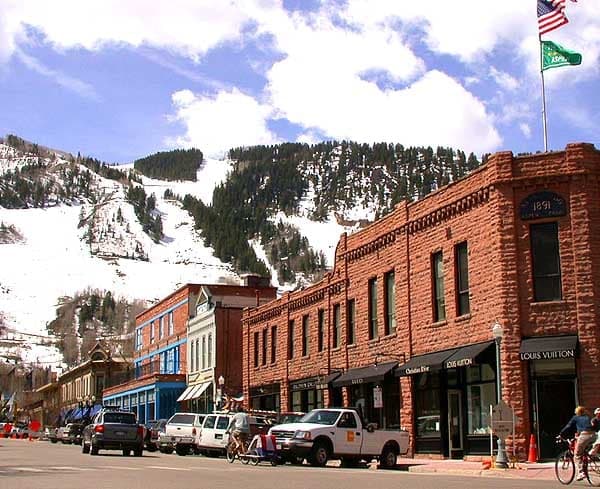
Aspen, Colorado, is one of those places that sounds like a postcard—snow-dusted peaks, celebrity sightings, and a downtown where a hot dog cart might sit next to a Prada store. But living here full-time is a different story than visiting for a week. With a year-round population hovering around 6,862, the town has a small, tight-knit feel that can be both charming and isolating, depending on your expectations. It’s a place where the median age is 41.7, and over 68% of adults hold a college degree, so the vibe leans educated, outdoorsy, and decidedly affluent—though not everyone here is a millionaire.
Daily Rhythm: What People Actually Do
Daily life in Aspen revolves around the outdoors, no matter the season. In winter, the town wakes up early for first tracks on Ajax Mountain (Aspen Mountain), with locals grabbing coffee at Victoria’s Espresso or a breakfast burrito at Big Wrap before heading up. Summers shift to hiking the Ute Trail or biking the Rio Grande Trail, a 42-mile paved path that runs through town. Grocery shopping happens at Clark’s Market or City Market, and the Aspen Saturday Market is a weekly ritual from June through October, where you’ll find local produce, crafts, and a lot of dog owners. The median household income here is $78,636, but that number can be misleading—many service workers and seasonal employees earn far less, while second-home owners and remote executives push the average up. The cost of living index sits at 293 (nearly three times the national average), so a simple lunch out can run $20, and a modest apartment rents for $3,000 a month.
Sports & Community: More Than Just Skiing
Skiing is the obvious draw, but Aspen’s sports culture runs deeper. The Aspen High School Skiers are a big deal—their alpine and snowboard teams regularly win state championships, and Friday night football games at the high school field draw a surprising crowd given the town’s size. There’s no pro sports team, but the Aspen Valley Ski & Snowboard Club produces Olympic-level talent, and the annual Winter X Games (held at Buttermilk Mountain) turns the town into a global action-sports hub for a week each January. In summer, the Aspen Rugby Club plays matches at Wagner Park, and the Bud Light Rocks the Boat concert series brings live music to the base of Aspen Mountain. For a town of under 7,000, the sports scene punches well above its weight.
What’s There to Do: Festivals, Music, and Nightlife
Entertainment in Aspen is split between highbrow and down-to-earth. The Aspen Music Festival runs for eight weeks each summer, drawing classical musicians from around the world to the Benedict Music Tent. The Jazz Aspen Snowmass festival brings acts like Dave Matthews and Stevie Nicks to town over Labor Day weekend. For nightlife, Eric’s Bar is a locals’ favorite for après-ski beers and pool tables, while Belly Up Aspen is a small venue that somehow books huge names—think Willie Nelson, Lizzo, or The Roots in a room that holds 450 people. The Aspen Art Museum offers free admission and rotating contemporary exhibits, and the Wheeler Opera House hosts film, comedy, and live theater year-round. If you’re looking for something quieter, Maroon Bells—the most photographed peaks in Colorado—are a 20-minute drive from town, with hiking trails that feel world-class.
Pros and Cons of Living Here
Let’s be honest: Aspen is beautiful, but it’s not for everyone. The pros are obvious—unmatched access to skiing, hiking, and mountain biking; a low violent crime rate of 93 per 100,000 (well below the national average); and a community that values health, education, and the environment. The average commute is just 14 minutes, so you’re never stuck in traffic like you would be in Denver or Boulder. The schools are strong, with Aspen High School consistently ranking among Colorado’s best, and the town’s small size means kids walk or bike to school and parents know each other.
But the cons are real. Housing is the biggest barrier: the median home value is $1,375,000, and even a one-bedroom condo can cost $700,000. Rentals are scarce and expensive, forcing many workers to commute from Basalt or Carbondale (30-40 minutes each way). The cost of living index of 293 means everything—groceries, gas, dining out—costs more. Winters are long and dark, with snow piling up from November through April, and the tourist crowds can make downtown feel like a theme park during peak weeks. Some locals grumble about the “Aspen attitude”—a mix of wealth, entitlement, and seasonal transience that can make it hard to build lasting friendships. If you’re a single person on a moderate income, you’ll likely need roommates or a second job. If you’re raising a family, you’ll love the schools and safety but wrestle with the cost of everything from daycare to summer camps.
In short, Aspen rewards those who can afford it and love the outdoors. It’s a place where your weekend plans are dictated by weather and trail conditions, where you’ll see more Patagonia fleeces than suits, and where the local identity is built around a shared appreciation for nature—and a willingness to pay a premium for it.

Similar small towns to Aspen
* Values derived from national, state, county, city and local statistics and may differ in a specific area. Last updated: 2026-05-11T22:11:57.000Z
Narrative content on this page is AI-generated and may contain mistakes. Verify any details that matter before acting on them.
ReloMaps may earn a commission from affiliate links at no extra cost to you.

