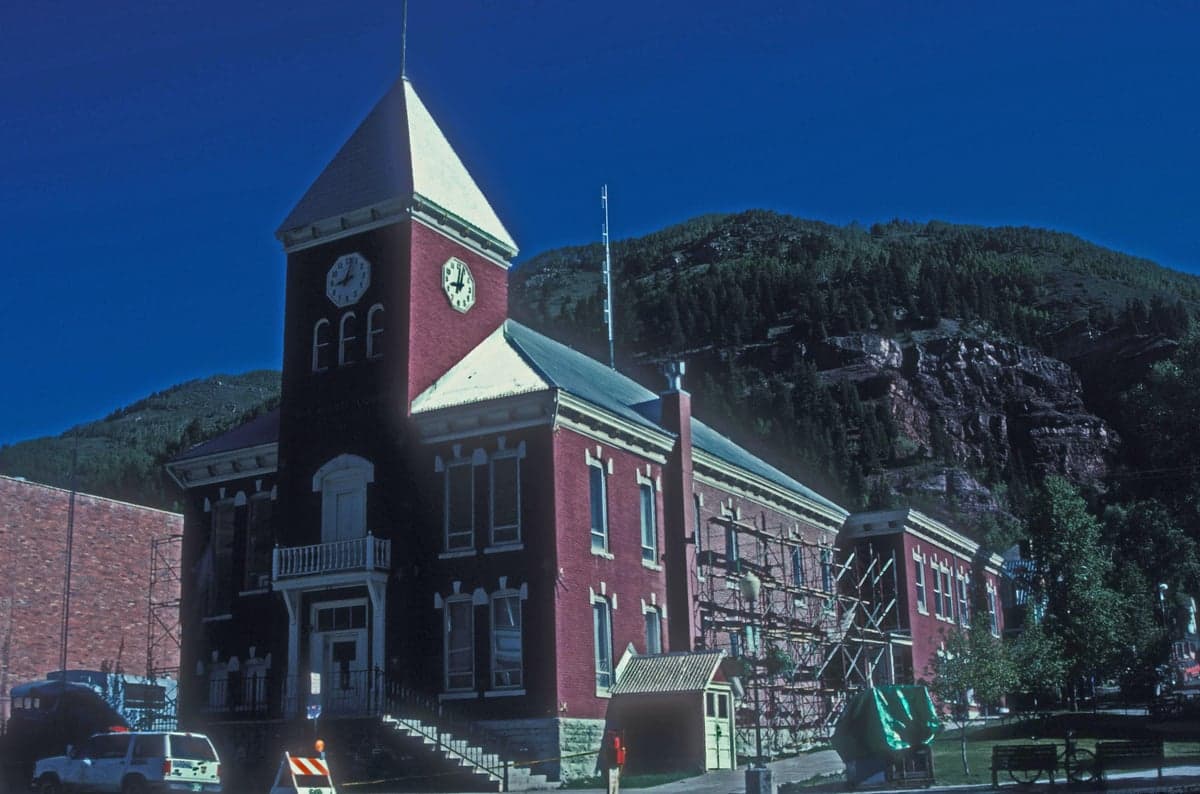
Photo: Wikipedia
Quality of Life in San Miguel County
A livable area that tracks near national norms for affordability, walkability, and neighborhood health.
What does Quality of Life tell us?
Quality of Life measures an area by evaluating factors like cost of living, nearby amenities, country club access, airport proximity, socioeconomic signals and neighborhood character. For large states, this is a general average — quality of life can vary dramatically between metro areas, suburbs, and rural communities within the same state.
What does this tell us?
Quality of Life measures an area by evaluating factors like cost of living, nearby amenities, country club access, airport proximity, socioeconomic signals and neighborhood character. For large states, this is a general average — quality of life can vary dramatically between metro areas, suburbs, and rural communities within the same state.
Cost of Living
48% above national average
46%
The Real Cost of Living in San Miguel County for 2026
| Tier | Individual | Family (4) |
|---|---|---|
| Survival | $19k | $35k |
| Comfortable | $119k | $175k |
| Luxury | $145k+ | $224k+ |
| Elite (Top 5%) | $243k+ | $377k+ |
Quality-of-Life Analysis
San Miguel County, Colorado, offers a striking quality-of-life spectrum that ranges from the high-end resort town of Telluride to remote, off-grid homesteads in the Deep Creek Mesa area, attracting everyone from second-home owners and ski-industry workers to artists and year-round ranchers. The county’s character is defined by its dramatic box-canyon geography and strict land-use regulations, which preserve vast open spaces but also concentrate development and drive up costs. With a cost of living index of 148 (48% above the U.S. average) and a median home value of $613,100, the county presents a sharp divide between those who can afford the premium lifestyle of its population centers and those who seek affordability in its more isolated pockets.
Largest town(s) & population centers
Telluride, the county seat and most famous population center, sits in a box canyon at 8,750 feet and functions as the region’s economic and cultural hub. Daily life here revolves around the Telluride Ski Resort, the Telluride Film Festival, and a walkable historic district where most errands are done on foot. The town’s permanent population of roughly 2,400 swells dramatically during peak seasons, and the housing market is dominated by condominiums and historic homes with median prices well above the county average. Mountain Village, a planned resort community perched above Telluride and connected by the free gondola, offers a more suburban resort experience with larger homes, golf courses, and direct ski access. Both towns share a median rent of $1,173, but home values in Mountain Village often exceed $1 million, pushing many service workers to commute from lower-cost areas. The average commute countywide is just 16.4 minutes, reflecting the compact nature of these population centers, though traffic congestion during festival weeks and ski season is a noted drawback.
Smaller towns & rural pockets
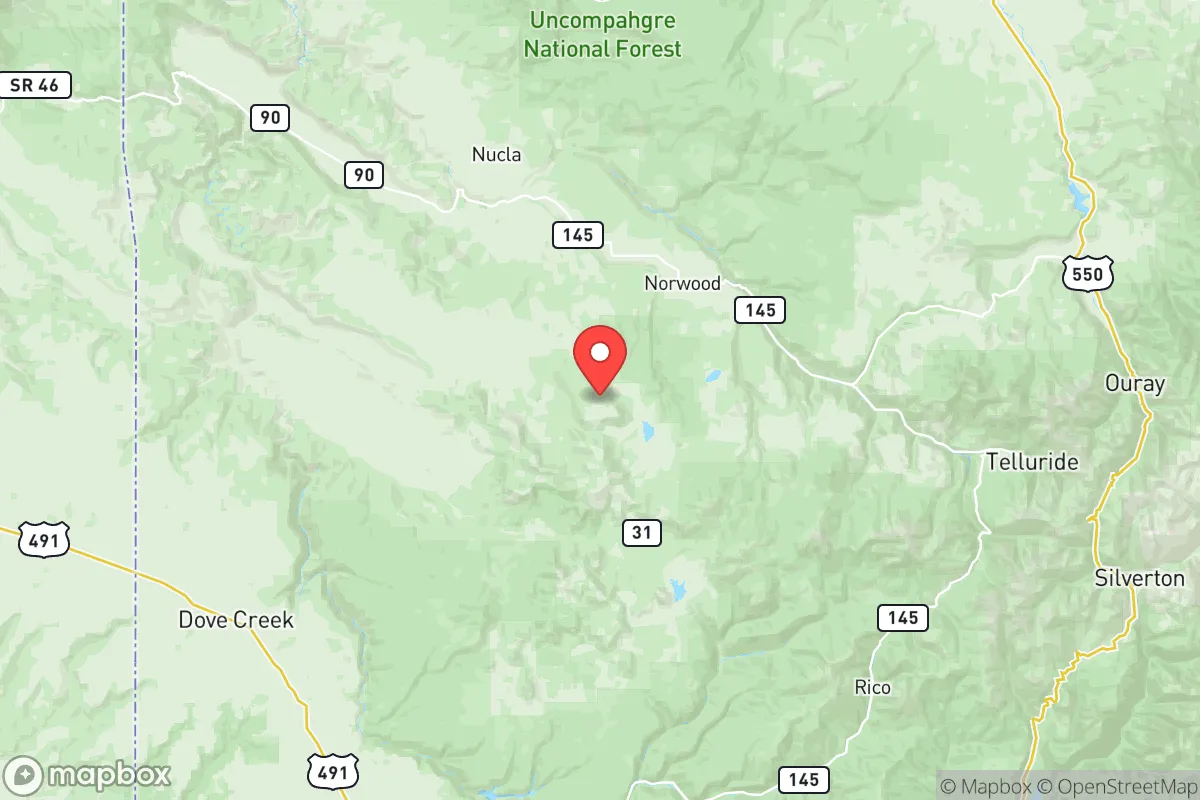
Beyond the Telluride-Mountain Village core, San Miguel County contains several distinct smaller communities. Norwood, located about 30 miles northwest of Telluride on Highway 145, is a working-class town of roughly 600 residents that serves as a service center for ranchers and miners. Daily life here is quieter and more affordable, with a small grocery store, a library, and a strong community focus on local schools and the Norwood Rodeo. Placerville, a tiny unincorporated hamlet along the San Miguel River, consists of a few dozen homes, a general store, and a post office, functioning as a bedroom community for Telluride workers willing to endure a 20-minute commute. Egnar and Slick Rock, near the Utah border, are sparsely populated areas with no municipal services, where residents rely on wells, septic systems, and satellite internet. These rural pockets offer land prices significantly lower than Telluride—raw parcels in the Disappointment Valley area can sell for under $100,000—but come with trade-offs in access to healthcare, groceries, and employment.
Cost & lifestyle range
The cost-of-living spread across San Miguel County is extreme. At the high end, Telluride’s historic district and Mountain Village’s ski-in/ski-out properties command median home values well above $1.5 million, with property taxes kept low by Colorado’s Gallagher Amendment structure but HOA fees in Mountain Village often exceeding $1,000 monthly. At the low end, Norwood and Placerville offer median home values closer to $400,000–$500,000, though inventory is limited and many homes require significant renovation. Renters face a tight market: the countywide median rent of $1,173 understates the reality in Telluride, where a one-bedroom apartment often rents for $1,800–$2,500, while Norwood may offer similar units for $900–$1,200. Amenities follow the same gradient—Telluride has fine dining, a full-service grocery, and a regional hospital, while Norwood has a single diner, a hardware store, and a health clinic open limited hours. The 16.4-minute average commute masks the fact that many workers drive 30–45 minutes from Norwood or Placerville to jobs in Telluride, often on winding two-lane roads that can be hazardous in winter.
Who thrives in San Miguel County? The county best suits those who either have significant financial resources to enjoy Telluride’s resort amenities or are willing to embrace a self-reliant, small-town lifestyle in Norwood or the rural valleys. Remote workers with high incomes can leverage the county’s fiber-optic internet in Telluride and Mountain Village, while those seeking land and solitude may find satisfaction in the Disappointment Valley or Deep Creek Mesa areas. Families should weigh the excellent Telluride School District (consistently ranked among Colorado’s best) against the limited extracurricular options in Norwood. The county’s strict growth regulations and high entry costs ensure it will remain a place of stark contrasts—a landscape where a $3 million vacation home and a $150,000 off-grid cabin can exist within a 15-minute drive of each other.

Crime in San Miguel County
Crime rates similar to the national median for U.S. locations.
Violent CrimeViolent Crime Analysis
Property CrimeProperty Crime Analysis
Crime Analysis
San Miguel County, Colorado, presents a mixed safety picture: its violent crime rate of 426.6 per 100,000 residents is notably higher than the national average, while its property crime rate of 2,173.1 per 100,000 also exceeds state and national benchmarks. However, these county-wide figures mask significant variation between the small, remote towns that make up this mountainous region, where tourism-driven population surges and limited law enforcement resources create distinct challenges. The county’s justice system, influenced by progressive policies in the 7th Judicial District, has drawn scrutiny from residents who feel that lenient sentencing and a focus on rehabilitation over incarceration may contribute to repeat offenses and a sense of impunity among some offenders.
Crime in context
San Miguel County’s violent crime rate of 426.6 per 100,000 is roughly 20% higher than the national average of about 380 per 100,000 and significantly above Colorado’s state average of approximately 410 per 100,000. Property crime, at 2,173.1 per 100,000, is nearly 30% above the national average of 1,954 per 100,000 and well above Colorado’s 2,100 per 100,000. These numbers place the county among the higher-crime rural areas in the state, though they are still far below the rates seen in Colorado’s Front Range urban centers like Denver or Aurora. The county’s small permanent population—roughly 8,000—means that even a handful of incidents can skew the per-capita rates dramatically, and the seasonal influx of tourists to towns like Telluride, Mountain Village, and Placerville strains local policing and increases opportunities for theft and assault.
What residents experience
Residents in San Miguel County most commonly encounter property crimes such as vehicle break-ins, burglaries of vacation homes, and theft of outdoor gear, particularly in high-traffic tourist hubs. Telluride and Mountain Village report the highest concentration of these incidents, especially during peak ski season and summer festivals, when crowds and transient populations create easy targets. Violent crimes, while less frequent, include aggravated assaults and domestic violence incidents, with the county’s remote geography sometimes delaying emergency response times. The 7th Judicial District, which covers San Miguel, Ouray, and Delta counties, has been criticized by some locals for a progressive approach to prosecution that emphasizes diversion programs and reduced sentences for non-violent offenders. Critics argue this philosophy, while intended to reduce recidivism, results in more criminals returning to the streets quickly, undermining public confidence in the justice system and leaving victims feeling underserved. In contrast, smaller communities like Norwood and Sawpit experience far fewer incidents, benefiting from tighter-knit populations and less tourist traffic, though they still face occasional property crimes.
Neighborhood-level safety varies considerably across San Miguel County. The historic core of Telluride, with its dense mix of bars, restaurants, and short-term rentals, sees the most police calls, while the gated enclaves of Mountain Village report lower crime due to private security and limited public access. Outlying areas like Egnar and Slick Rock are extremely remote, with crime rates that are difficult to track but generally low, though residents there face risks from isolated property theft and wildlife encounters. For those considering relocation, the safest choices are typically the smaller, less tourist-dependent towns, while the county’s overall crime rates warrant caution, especially given the judicial district’s reputation for leniency. Prospective residents should research specific neighborhoods and consider investing in home security systems, particularly if living in or near Telluride during peak seasons.
* Values derived from national, state, county, city and local statistics and may differ in a specific area. Last updated: 2026-06-06T18:06:42.000Z
Narrative content on this page is AI-generated and may contain mistakes. Verify any details that matter before acting on them.
ReloMaps may earn a commission from affiliate links at no extra cost to you.

