Photo: Wikipedia
Political ClimatePolitical Climate in Concord, NH
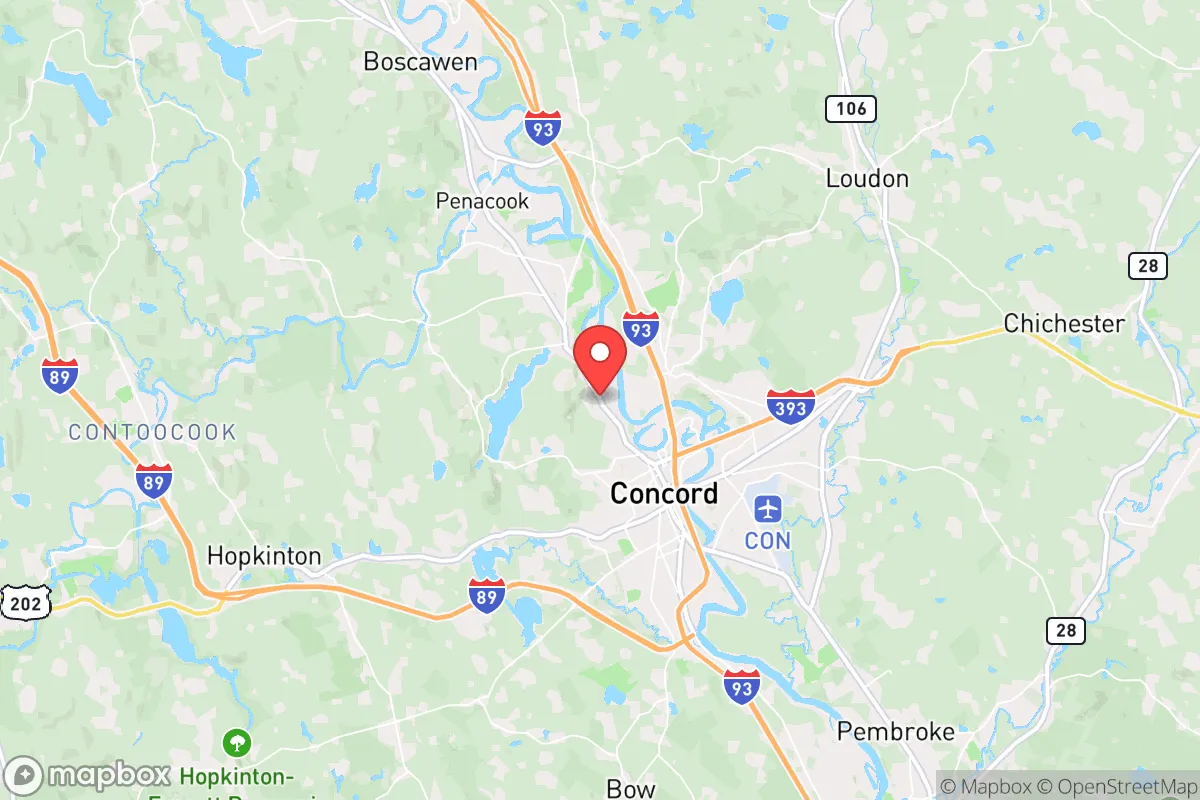
District shown is the primary district for this city’s centroid. Cities may span multiple districts.
Local Political AnalysisPolitical Analysis of Concord, NH
Concord, New Hampshire, has a Cook PVI of D+2, meaning it leans slightly Democratic compared to the nation as a whole, but that number doesn't tell the full story of a city that's been shifting under the surface. If you've been around here for a while, you remember when the State House crowd and the local business owners kept things pretty balanced—more of a live-and-let-live New Hampshire independence vibe. Lately, though, the progressive energy from the college crowd and state government workers has been pulling the city's politics further left, and it's starting to feel like the old "Free State" spirit is getting crowded out by a more top-down, government-knows-best approach.
How it compares
Drive ten minutes outside of Concord and you'll hit towns like Bow, Hopkinton, or Pembroke, where the political landscape is noticeably more conservative—think Trump signs in yards and a lot of grumbling about property taxes and state mandates. Even Manchester, just 20 minutes south, has a more mixed political scene, with working-class neighborhoods that push back hard on progressive policies. Concord itself is the state capital, so you've got a heavy concentration of state employees, lobbyists, and folks who work in the non-profit sector, all of which tends to lean blue. The contrast is stark: you can go from a city council meeting where they're debating a new diversity initiative to a town hall in Canterbury where the main concern is keeping the school budget lean and the zoning loose. That D+2 rating feels like it's been creeping leftward over the last decade, especially as younger, more progressive transplants move in for jobs at the state level or at Concord Hospital.
What this means for residents
For a conservative-leaning resident, the biggest red flag is the slow but steady expansion of government reach into daily life. You're seeing it in things like tighter rental regulations, more zoning restrictions that make it harder to build a simple workshop on your own property, and a school board that's increasingly focused on social-emotional learning over core academics. The city council has had debates over things like plastic bag bans and "sanctuary city" policies that would have been laughed off the agenda twenty years ago. Property taxes are already high in New Hampshire, and Concord's are among the highest in the state—partly because the city keeps adding new programs and staff positions that feel more about social engineering than essential services. The long-term worry is that if this trend continues, Concord will become a place where personal freedoms—like choosing your own healthcare, deciding what your kids learn, or even running a small business without a pile of new permits—get slowly chipped away.
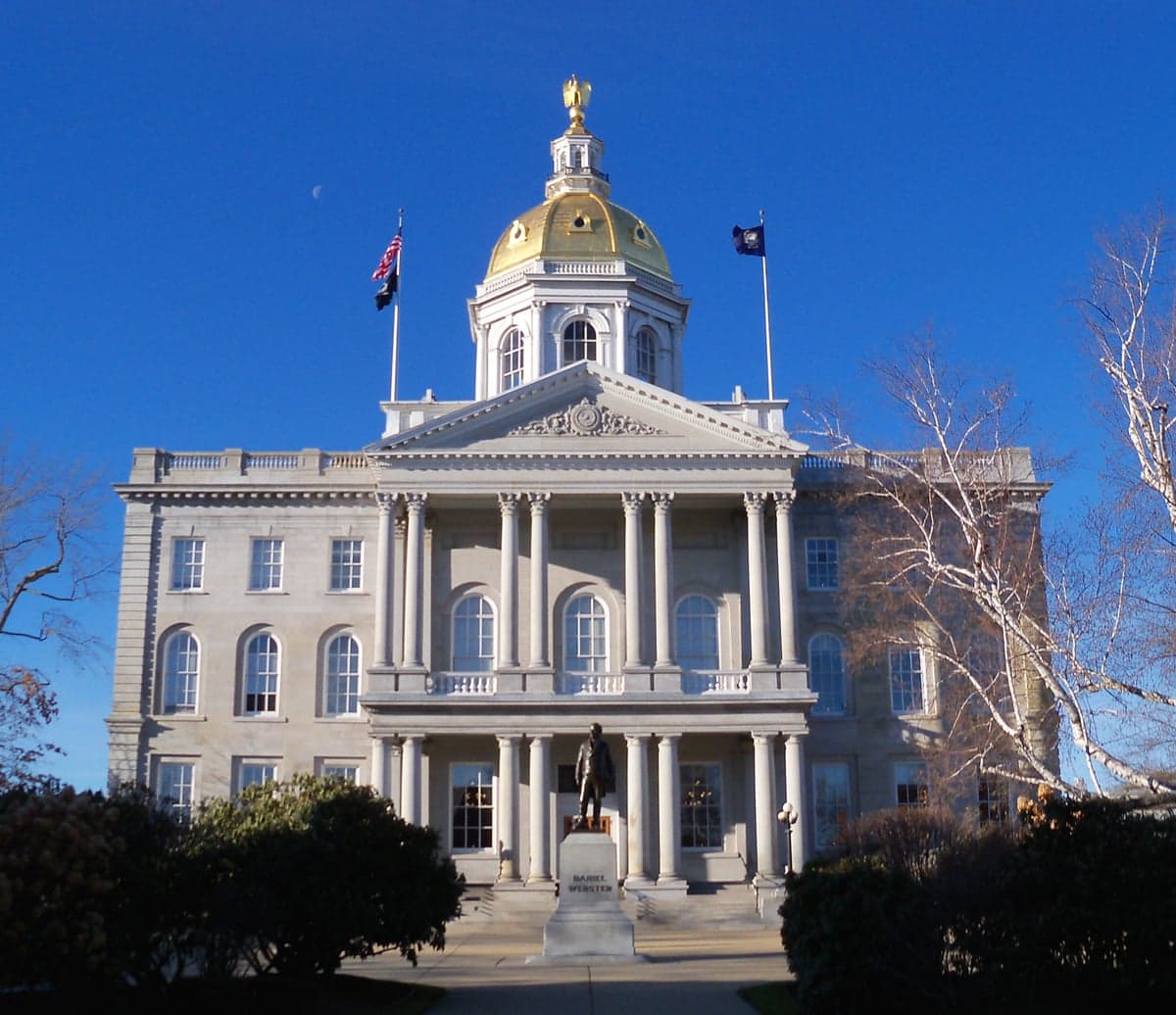
Culturally, Concord still has some of that old New Hampshire charm—the farmers market on Saturday mornings, the independent hardware stores, and the general sense that people mind their own business. But the policy direction is unmistakable. The state legislature, which meets right here in town, has been a battleground over things like parental rights in education, gun laws, and vaccine mandates. If you value a government that stays out of your life and lets you make your own choices, Concord is still livable, but you'll want to keep a close eye on city council elections and school board meetings. The next few years will tell us whether this city stays a place where freedom is the default, or whether it becomes another example of a small capital city that got too comfortable with the idea that the state knows best.

State Political ClimatePolitical Climate in New Hampshire
State Political AnalysisPolitical Environment in the State
New Hampshire has long been a fascinating political outlier in New England, but for a conservative audience, the picture is increasingly mixed. The state leans slightly Democratic in presidential elections (voting blue in five of the last eight cycles), yet its state legislature and governor’s office have remained reliably Republican or libertarian-leaning. Over the past 10-20 years, the key trajectory has been a slow erosion of the state’s famous "Live Free or Die" ethos, driven by in-migration from Massachusetts and a growing progressive activism in the southern tier. While the state still offers significant advantages over its neighbors, the political climate is becoming more contested, and the freedom-oriented culture that once defined New Hampshire is under real pressure.
Urban vs. rural divide
The political map of New Hampshire is a textbook study in geographic polarization. The southeastern corner—the Manchester-Nashua corridor and the Seacoast region around Portsmouth—is the engine of Democratic power. Hillsborough County, home to Manchester and Nashua, has trended blue for a decade, and Rockingham County, once a Republican stronghold, is now a swing county that often tips statewide races. In contrast, the North Country—places like Berlin, Lancaster, and Coos County—is deeply red, but its population is small and shrinking. The Lakes Region (Belknap and Carroll counties) and the Monadnock Region (Cheshire County) are more mixed, with Cheshire leaning left due to Keene’s college-town influence. The rural-urban divide is stark: drive 20 minutes north of Manchester, and you’ll find towns like Weare or Deerfield that vote 70% Republican, while the urban core votes 60% Democrat. This geographic split means state-level control often hinges on a handful of swing districts in the southern suburbs.
Policy environment
On paper, New Hampshire still looks like a conservative haven compared to its neighbors. There is no state income tax and no state sales tax, a major draw for families and business owners. Property taxes are high (among the top in the nation), but the state’s right-to-work status and minimal business regulations keep the economy competitive. Education policy is a mixed bag: the state has a robust school choice program through Education Freedom Accounts (EFAs), which allow parents to use public funds for private or homeschool expenses—a major win for parental rights. However, the state also mandates comprehensive sex education in public schools, and the Department of Education has pushed DEI initiatives that many conservatives find intrusive. Healthcare is relatively free-market, with no state-run insurance exchange and a high rate of private insurance, but the expansion of Medicaid under the Affordable Care Act has been maintained. Election laws are generally sound: same-day voter registration is allowed, but voter ID is required, and the state has no mail-in voting without an excuse. The Secretary of State’s office is well-regarded for election integrity, though some conservatives worry about the lack of a strict voter roll purge.
Trajectory & freedom
This is where the alarm bells ring for a conservative. The "Live Free or Die" spirit is being tested. On the positive side, New Hampshire passed a constitutional carry law in 2017, allowing permitless concealed carry, and has preempted local gun ordinances—so Manchester can’t ban guns like Boston does. The state also has a parental bill of rights (HB 1431, 2022) that requires schools to notify parents about curriculum changes and medical services. However, the state legislature has rejected multiple attempts to ban sanctuary cities, and several towns, including Portsmouth and Durham, have declared themselves sanctuaries for illegal immigrants. In 2023, the governor signed a transgender "shield" law that protects access to gender transition procedures for minors, overriding parental consent in some cases—a direct assault on parental rights. Property rights are under pressure from a growing push for statewide zoning reform that could override local control, and the state’s energy policy is increasingly green, with mandates for renewable energy that drive up costs. The overall trajectory is a slow drift toward Massachusetts-style governance, especially if the southern suburbs continue to flip blue.
Civil unrest & political movements
New Hampshire has a vibrant, if small, activist scene on both sides. The Free State Project, a libertarian migration movement, has brought thousands of liberty-minded individuals to the state, concentrated in the North Country and the Monadnock Region. They’ve been effective at pushing for gun rights, tax reform, and school choice. On the left, the Indivisible movement and 350 New Hampshire have organized large protests, particularly around climate policy and abortion rights. The 2020 election saw significant controversy, with the state’s decision to allow universal mail-in voting due to COVID—a move many conservatives saw as a slippery slope. There have been no major riots or violent unrest, but the political temperature is high. Immigration politics are a flashpoint: the Manchester area has seen a surge in refugee resettlement, and the debate over sanctuary policies has become a regular feature of town hall meetings. The secessionist movement, while small, has a vocal presence, with groups like the New Hampshire Independence Movement arguing for a return to true self-governance. A new resident will notice that political yard signs and bumper stickers are everywhere, and conversations at the local diner can quickly turn to property taxes or school board decisions.
Projection
Looking 5-10 years out, the trend is not favorable for conservatives. In-migration from Massachusetts, New York, and Connecticut is accelerating, and these newcomers tend to vote Democratic—or at least bring big-government expectations. The southern tier (Salem, Derry, Londonderry) is becoming a bedroom community for Boston remote workers, and these voters are less attached to the state’s libertarian traditions. The New Hampshire House of Representatives, already one of the largest in the nation, is likely to become more Democratic as redistricting and population shifts continue. However, the governor’s office has remained Republican for over a decade, and the Executive Council (a unique body that approves state contracts and appointments) provides a check on progressive overreach. The wild card is the Free State Project: if they can hold the line in the legislature and continue to elect liberty-minded candidates, they may slow the slide. But the demographic math is daunting. A conservative moving here now should expect to fight for every inch of freedom, especially on school choice, gun rights, and tax policy, within a decade.
For a conservative family or individual considering New Hampshire, the bottom line is this: you’ll find the best tax climate in the Northeast, strong gun rights, and a school choice program that is the envy of the region. But you’ll also find a state that is politically contested, with a growing progressive presence in the southern cities and a legislature that is increasingly divided. If you’re willing to get involved—attend town meetings, run for school board, and vote in every primary—you can still make a difference. If you’re looking for a place where freedom is baked into the culture without constant vigilance, you may be disappointed. New Hampshire is still the best bet in New England, but it’s no longer a sure thing.
* Values derived from national, state, county, city and local statistics and may differ in a specific area. Last updated: 2026-04-23T07:26:41.000Z
Narrative content on this page is AI-generated and may contain mistakes. Verify any details that matter before acting on them.
ReloMaps may earn a commission from affiliate links at no extra cost to you.

