 Popular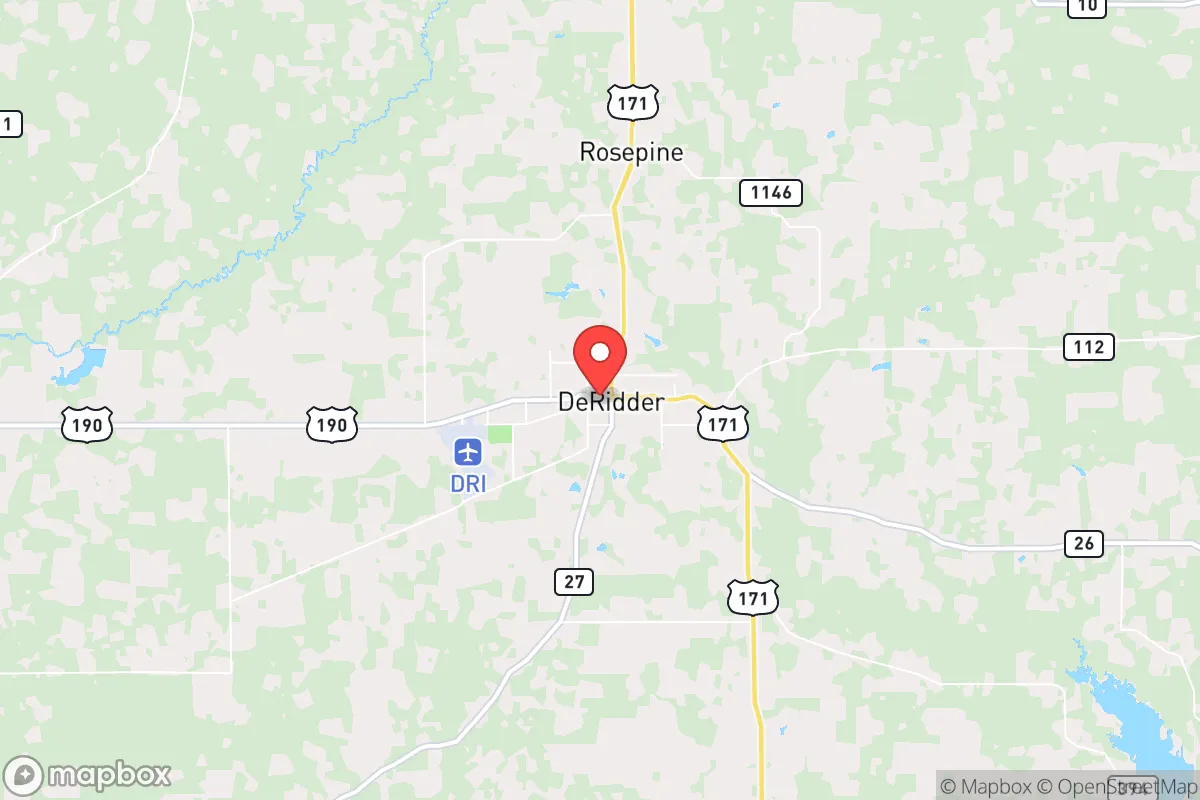
Photo: Wikipedia
Find The Best Places To Live
in Deridder
PRO TIP! You can paste a Zillow or Redfin link to get info on that property.
What It's Like Living in Deridder, LA
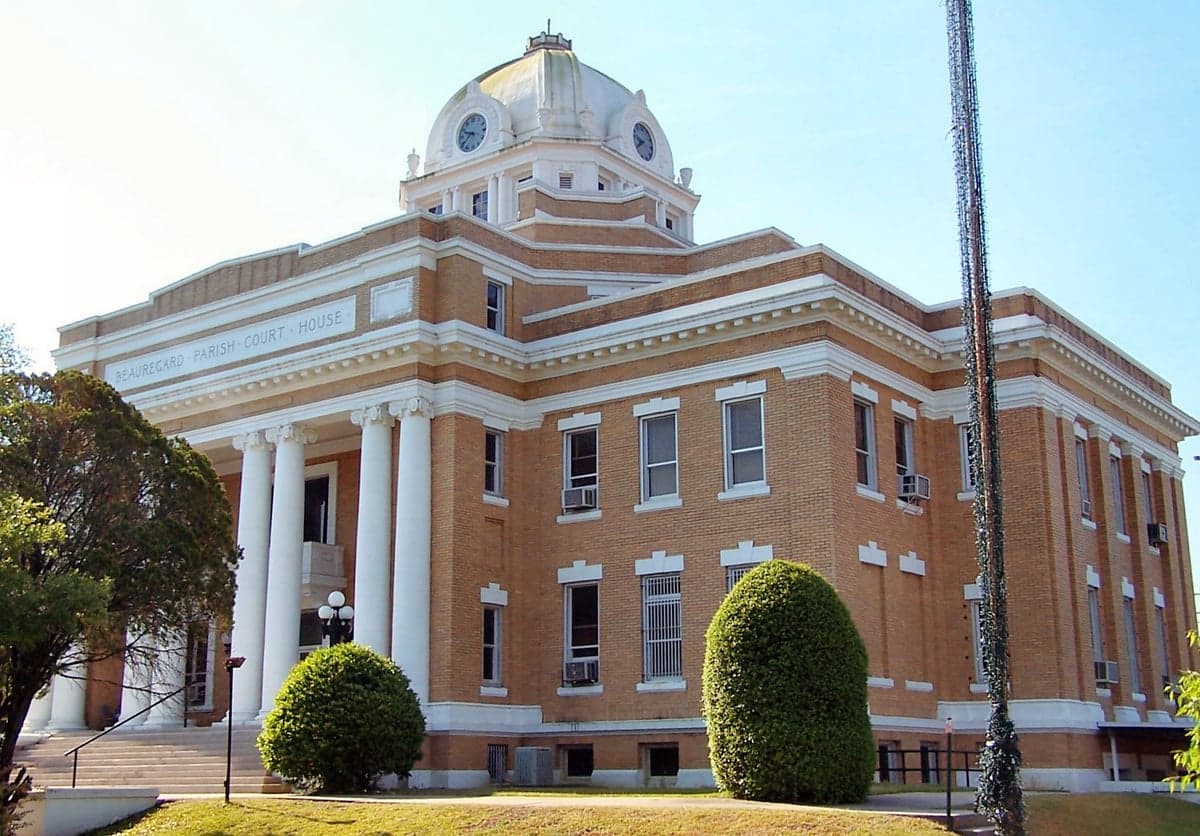
DeRidder, Louisiana, is one of those small towns where the pace of life slows down enough that you actually notice the seasons changing. With a population just under 10,000, it feels like a place built around a handshake and a shared sense of responsibility—where the high school football game on Friday night is the main event, and folks still wave at you from their porches. It’s not flashy, but for the right person—someone who values quiet, affordability, and a community that looks out for its own—it can feel like a genuine find.
The Daily Rhythm: What Life Actually Looks Like
Most mornings in DeRidder start early, often with a cup of coffee from a local spot like Java Junction before heading to work. The average commute here is just over 23 minutes, which is longer than you might expect for a town this size—many residents drive to jobs in Lake Charles, Fort Polk, or the surrounding timber and oil fields. The median household income sits at $58,596, which goes a long way thanks to a cost of living index of 71—nearly 30% below the national average. Weekends are often spent on the water at Bundick Lake or Anacoco Lake, where fishing and boating are practically a birthright. Shopping is mostly local: a Walmart Supercenter anchors the retail scene, but you’ll also find family-run hardware stores and diners where the waitress knows your order by heart.
Sports, Schools, and Community Ties
If you move here, you’ll quickly learn that DeRidder High School football is the heartbeat of the town. Friday nights in the fall at Dragna Stadium are packed—not just with parents, but with retirees, business owners, and kids who haven’t even started kindergarten yet. The Dragons are a source of genuine pride, and the stands are a place to see and be seen. The school system itself is a major community anchor; while test scores are mixed, the schools are small enough that teachers know students by name, and parent involvement is high. For college sports, most locals follow LSU Tigers football and baseball with religious intensity, and you’ll see purple and gold on game days everywhere from the post office to the grocery store.
What’s There to Do: Festivals, Food, and the Outdoors
Entertainment here is low-key but genuine. The biggest annual event is the West Louisiana Forestry Festival, held each October, which celebrates the region’s timber heritage with a parade, carnival, and a logging competition that draws crowds from across the state. For music, you’ll find live country and zydeco at local spots like The VFW Hall or Bourbon Street Bar & Grill. Outdoor life is the real draw: besides the lakes, the Kisatchie National Forest is just a short drive north, offering miles of hiking, hunting, and off-road trails. The weather is classic Louisiana—hot, humid summers with frequent afternoon thunderstorms, and mild winters where a “cold snap” means temperatures dipping into the 30s. Hurricane season is a real concern, and locals keep an eye on the Gulf from June through November.
Pros and Cons of Living Here
- What residents love: The cost of living is genuinely freeing—a median home value of $160,800 means a decent house is within reach for most working families. The sense of safety in daily life is strong, though the violent crime rate of 351.6 per 100,000 is higher than the national average, and locals will tell you it’s concentrated in specific areas. The slower pace means less stress, and the community rallies hard when someone is in need.
- What frustrates them: Job options are limited outside of healthcare, education, and the timber industry; many residents commute to Lake Charles or Fort Polk for better pay. The restaurant scene is thin—you’ll find solid Cajun cooking and a few chain spots, but don’t expect a foodie destination. Only 22.8% of adults hold a college degree, which can make it harder to find a peer group if you’re a professional or a recent grad. And while the commute is manageable, the lack of public transit means you absolutely need a car.
DeRidder is a place where you trade convenience for community, and where the biggest cultural quirk might be that everyone knows your business—but they’ll also bring you a casserole if you’re sick. It’s best suited for families who want their kids to grow up with space to roam, or for single people who don’t mind driving an hour for a concert or a night out. The median age is 37.7, reflecting a population that’s settled and stable. It’s not for everyone, but for those who fit, it feels less like a compromise and more like a choice.

Similar small towns to Deridder
* Values derived from national, state, county, city and local statistics and may differ in a specific area. Last updated: 2026-05-01T00:45:47.000Z
Narrative content on this page is AI-generated and may contain mistakes. Verify any details that matter before acting on them.
ReloMaps may earn a commission from affiliate links at no extra cost to you.

