Demographics of Dutch Island, GA
Affluence Level in Dutch Island, GA
A wealthy area with high-earning, well-educated households. Incomes, home values, and educational attainment meaningfully outpace national averages.
People of Dutch Island, GA
Dutch Island, Georgia, is a small, affluent city of 1,353 residents where the population is notably older, highly educated, and predominantly white, with a significant Black minority and a small but growing Hispanic presence. The city’s character is defined by its quiet, low-density residential feel, a strong sense of local governance, and a demographic profile that skews toward established professionals and retirees rather than young families or recent immigrants. With a foreign-born population of just 0.6% and a college attainment rate of 55%, Dutch Island stands out as a place of stability and homogeneity in a rapidly diversifying region.
How the city was settled and grew
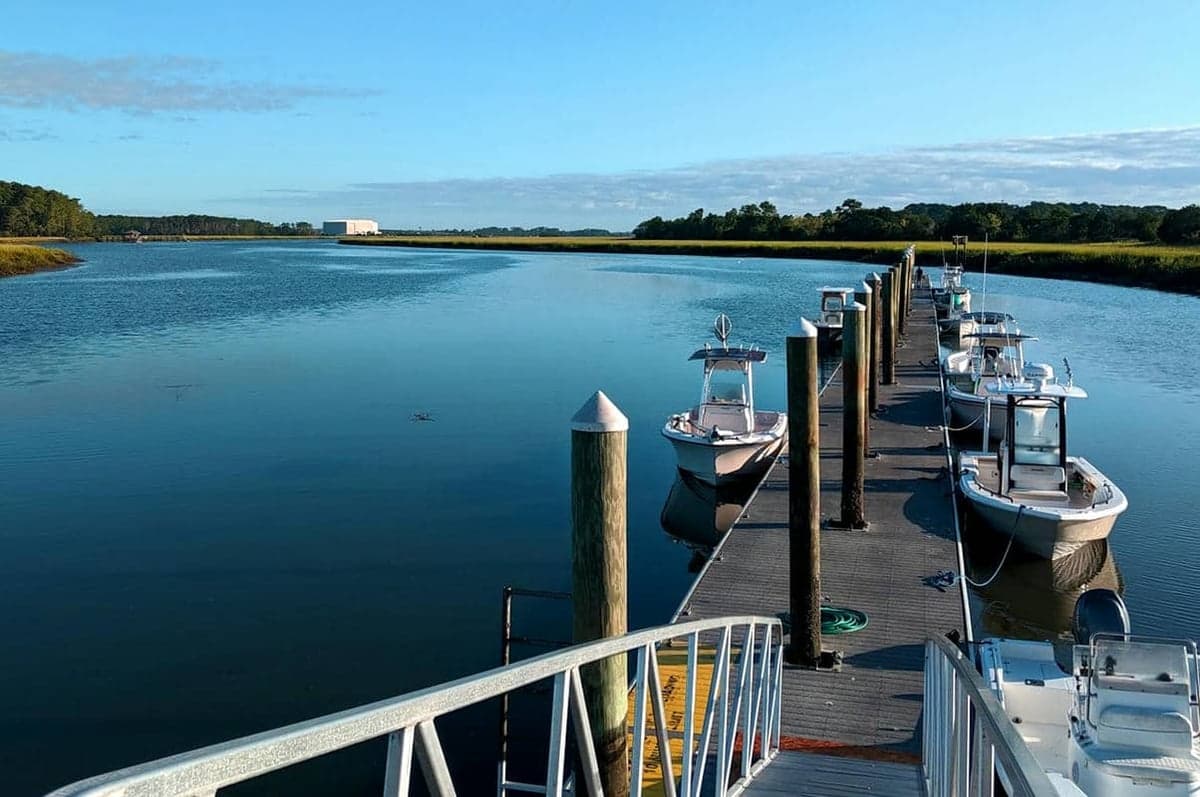
Dutch Island’s history is not one of colonial-era settlement or industrial boom, but of deliberate, mid-20th-century suburban development. The area was originally part of the larger Chatham County landscape, characterized by tidal marshes and small farms. The modern city began to take shape in the 1960s and 1970s as a planned residential community, designed to offer a semi-rural, waterfront lifestyle within commuting distance of Savannah. The original wave of settlers were predominantly white, middle-to-upper-class professionals and business owners drawn by the promise of large lots, deep-water access, and a tight-knit community. The Dutch Island Landing neighborhood, built around the island’s central marina, became the heart of this early community, attracting families who valued boating and privacy. A second early hub, Marshview Estates, developed slightly later and drew a similar demographic, with homes set back from the water but still offering marsh views and a sense of seclusion. These neighborhoods established the city’s foundational identity: affluent, white, and oriented toward leisure and nature.
Modern era (post-1965)
The post-1965 era, marked by the Hart-Cellar Act and broader suburbanization, had a muted but noticeable effect on Dutch Island. Unlike many Savannah suburbs that saw significant in-migration from other parts of the country and some international immigration, Dutch Island remained relatively insular. The city’s small size and high property values acted as a natural filter. The most significant demographic shift came not from immigration but from domestic in-migration of Black professionals and families, who began moving into the area in the 1990s and 2000s. Today, Black residents make up 15.8% of the population, a share that is higher than in many neighboring white-majority suburbs. This community is concentrated in the Oakhurst and Southwind neighborhoods, which offer more moderately priced homes compared to the waterfront properties. The Hispanic population, at 3.2%, and the East/Southeast Asian population, at 2.7%, are small but present, with families typically settling in the newer Harbor Ridge section, which features more contemporary housing stock. The Indian subcontinent population is effectively zero, reflecting the city’s lack of the tech or academic sectors that often draw that demographic. Overall, the modern era has seen Dutch Island become slightly more diverse, but the pace of change has been slow, and the city remains overwhelmingly white and native-born.
The future
The demographic trajectory of Dutch Island points toward continued stability rather than dramatic change. The population is aging, with a median age likely above the national average, and the city’s housing stock—dominated by single-family homes on large lots—limits the potential for rapid turnover or new construction. The foreign-born population is negligible and unlikely to grow significantly, as the city lacks the rental housing, employment base, or ethnic institutions that attract immigrants. The Black population may increase modestly as more professionals seek the area’s quiet lifestyle, but the high cost of entry will keep growth gradual. The Hispanic and East/Southeast Asian shares are expected to remain small, barring a major shift in local employment or housing policy. The most likely change is a slow increase in retirees moving from other parts of Georgia and the Southeast, drawn by the low crime rate and waterfront amenities. Newer developments like Heron Pointe, a small infill project, may attract a slightly younger demographic, but the overall character of Dutch Island as an established, affluent, and predominantly white enclave will persist.
For someone moving in now, Dutch Island offers a predictable, stable community with a strong sense of place and very little demographic churn. It is not a place of rapid growth or cultural transformation, but rather a well-established suburb where the population is set in its ways and likely to remain so. New residents should expect a quiet, orderly environment with a high degree of social homogeneity, where the biggest changes will be the gradual aging of the existing population and the slow, selective in-migration of like-minded professionals and retirees.

* Values derived from national, state, county, city and local statistics and may differ in a specific area. Last updated: 2026-07-14T18:17:41.000Z
Narrative content on this page is AI-generated and may contain mistakes. Verify any details that matter before acting on them.
ReloMaps may earn a commission from affiliate links at no extra cost to you.

