 Popular
Photo: Wikipedia
Find The Best Places To Live
in Savannah
PRO TIP! You can paste a Zillow or Redfin link to get info on that property.
What It's Like Living in Savannah, GA
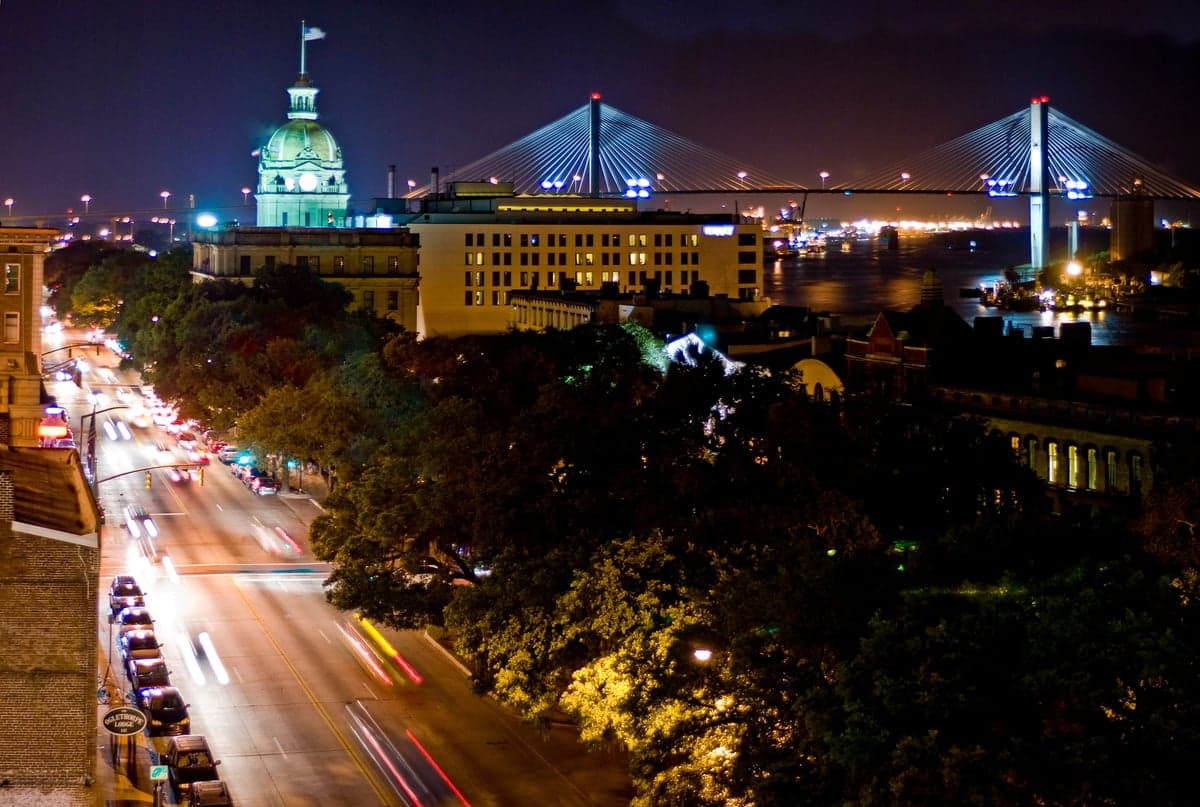
Living in Savannah, Georgia, feels like being part of a slow, moss-draped story that’s still being written. It’s a city where Spanish moss hangs over historic squares, but the real action happens at a neighborhood barbecue or a late-night dive bar on Congress Street. With a population just shy of 148,000, Savannah has the bones of a big city and the pace of a coastal town, attracting a mix of young professionals, military families from nearby Fort Stewart, and creatives who can’t afford Charleston anymore. The median age here is 33.7, and the median household income hovers around $56,782, which means most people aren’t getting rich, but they’re getting by with a quality of life that’s hard to beat for the price.
Daily Rhythm: What People Actually Do
A typical weekday in Savannah starts earlier than you might expect. By 7:30 AM, the coffee shops on Broughton Street—like the Sentient Bean or Foxy Loxy—are full of remote workers and students from Savannah College of Art and Design (SCAD). The average commute is just over 20 minutes, so most people are home by 5:30, which leaves plenty of time for an evening walk through Forsyth Park or a quick beer at a spot like Service Brewing. Grocery shopping is split between the big chains (Publix, Kroger) and the local favorites like Brighter Day Natural Foods. Weekends are for the Forsyth Farmers’ Market, a trip to Tybee Island (20 minutes east), or a lazy afternoon at one of the city’s 22 historic squares. The cost of living index is 99, right at the national average, which means your dollar goes further here than in Atlanta or Nashville, especially on housing—the median home value is $225,200, a steal for a city with this much character.
Sports, Community, and the SCAD Effect
Savannah isn’t a pro sports town, but it has its own kind of athletic heartbeat. High school football is a big deal—Benedictine Military School and Savannah Christian Preparatory School draw solid crowds on Friday nights. The Savannah Bananas, a collegiate summer baseball team, have become a national phenomenon for their wacky, fan-first games (think baseball meets Harlem Globetrotters). For college sports, Georgia Southern University in Statesboro is about an hour away, and you’ll see plenty of Eagles gear around town. But the biggest cultural force here is SCAD. The art school brings in a young, creative energy that keeps the city from feeling stagnant. It also means you’ll find galleries, film festivals, and a surprisingly sophisticated food scene for a city of this size. The kind of person who fits in here is someone who values walkable neighborhoods, doesn’t mind humidity, and prefers a good porch conversation over a packed nightclub.
What’s There to Do: Festivals, Food, and the Outdoors
Savannah’s social calendar is packed. The St. Patrick’s Day Parade is one of the largest in the country, drawing hundreds of thousands to the Historic District. The Savannah Music Festival brings world-class acts for two weeks each spring, and the Savannah Film Festival (hosted by SCAD) attracts Hollywood names every fall. For everyday entertainment, you’ve got the Lucas Theatre for shows, the Savannah Civic Center for concerts, and a ton of live music at spots like the Jinx or Barrelhouse South. Outdoor life revolves around the coast—kayaking through the marshes, fishing off Tybee, or hiking at Skidaway Island State Park. The food scene is anchored by classics like The Olde Pink House (upscale Southern) and Mrs. Wilkes’ Dining Room (family-style soul food), but newer spots like The Grey and Common Thread have put Savannah on the national culinary map. Bars range from the divey (The Rail Pub) to the rooftop chic (Rocks on the Roof).
Pros and Cons of Living Here
- What locals love: The walkability of the Historic District and Victorian District. The low cost of living, especially for renters. The sense of community—people actually know their neighbors. The proximity to the beach (Tybee Island is 20 minutes away). The lack of traffic compared to any other city of this size. The weather is mild from October through May.
- What frustrates them: The humidity from June through September is oppressive. The violent crime rate is 67.3 per 100,000—higher than the national average, though it’s concentrated in specific areas away from the tourist zones. The job market is limited outside of tourism, healthcare, and the military. The public school system is uneven; many families opt for private or charter schools. The airport is small, so you’ll often drive to Jacksonville or Atlanta for direct flights. And the tourism crowds can make the Historic District feel like a theme park during peak season.
Cultural Quirks and Practical Realities
Savannah has a few traditions that take newcomers by surprise. The “open container” law allows you to walk around the Historic District with a plastic cup of alcohol, which makes bar-hopping feel like a parade. The city’s famous squares are technically parks, and locals treat them like extended living rooms—you’ll see birthday parties, yoga classes, and the occasional wedding in them. The weather is a constant topic: summers are hot and sticky, but the rest of the year is gorgeous. Schools play a big role in community life, especially the private and parochial options (Savannah Country Day, St. Vincent’s Academy). The city is also deeply tied to the military—Hunter Army Airfield and Fort Stewart are major employers, so you’ll find a lot of transient families who bring a mix of perspectives. If you’re a conservative-leaning single or parent, you’ll find a strong sense of tradition here, with a slower pace that values family, faith, and front-porch living. Just be ready for the humidity and the fact that everyone will ask you, “So, do you believe in ghosts?” at least once a month.

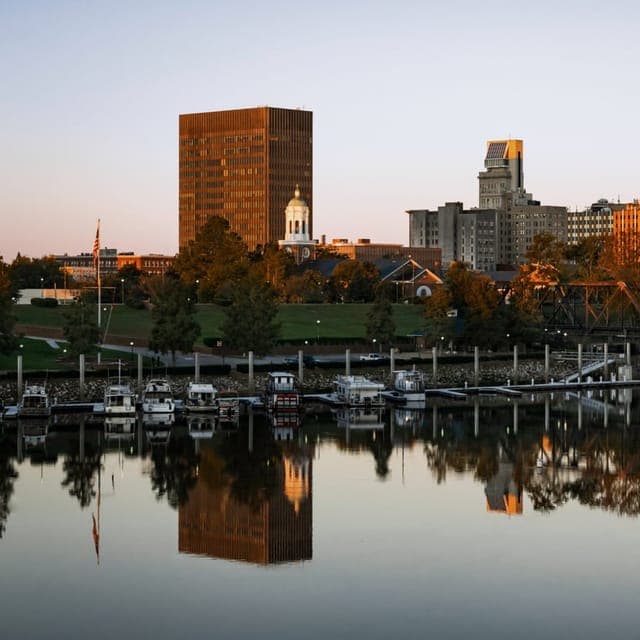
Similar small cities to Savannah
* Values derived from national, state, county, city and local statistics and may differ in a specific area. Last updated: 2026-04-15T23:50:20.000Z
Narrative content on this page is AI-generated and may contain mistakes. Verify any details that matter before acting on them.
ReloMaps may earn a commission from affiliate links at no extra cost to you.

